avatarAngus Peterson

Free AI web copilot to create summaries, insights and extended knowledge, download it at here

2772

Abstract

51468312/too-little-too-much-how-poverty-and-wealth-affect-our-minds">When you’re hungry</a>, it can be hard to think of anything other than food. When you’re desperately poor, you may constantly worry about making ends meet.</p></blockquote><p id="5044">The problem is that currently, states only provide about 30% of your average salary, when the original goal was 50%. The additional federal funds have made up this historical difference, only now fulfilling the program’s design.</p><p id="1de8">For a deeper dive, check out <a href="https://readmedium.com/the-unemployed-are-not-lazy-greedy-takers-they-just-want-a-job-b8ed002babf4">my previous article</a>, or <a href="https://www.youtube.com/watch?v=jm9YKT0dItk">John Oliver’s deep dive</a>.</p><p id="5217">The takeaway? <b>You need a multi-month Level 2 Emergency Fund</b></p><ul><li>Level 1 is the baseline 1,000 to cover acute emergencies, like a blown tire or lost luggage.</li><li>Level 2 is the larger fund to cover chronic emergencies, like losing a job, a limb, or a spouse.</li></ul><p id="3213">How long your Level 2 fund should last is up to you, but an initial goal is 3 months and sitting pretty at 1 year.</p><h1 id="cd3f">Millions Behind on Rent, Mortage, and Utilities</h1><p id="2326">If you missed the last slow-motion national-scale train wreck of the housing crisis, you have another chance.</p><p id="bc85"><b>Back payments for rent, mortgage, and utilities total over 100 billion.</b></p><ul><li>Rent — <a href="https://www.cbpp.org/research/poverty-and-inequality/tracking-the-covid-19-recessions-effects-on-food-housing-and">12 million people</a>; <a href="https://www.cnn.com/2021/03/12/success/state-of-housing-stimulus-covid-relief/index.html">57 billion total</a>; 4,750 average debt</li><li>Mortgage — <a href="https://www.cbpp.org/research/poverty-and-inequality/tracking-the-covid-19-recessions-effects-on-food-housing-and">10 million people</a>; <a href="https://www.cnn.com/2021/03/12/success/state-of-housing-stimulus-covid-relief/index.html">19 billion total</a>; 1,900 average debt</li><li>Utilities — <a href="https://apnews.com/article/overdue-energy-bills-pandemic-fb2f14c89027dc2440c617017c8c7d80">37 million people</a>; <a href="https://www.npr.org/2021/03/30/982325413/fiasco-waiting-to-happen-millions-at-risk-of-losing-power-over-unpaid-bills">27 billion total</a>; 730 average debt</li></ul><p id="ecb3">This is a very bad situation for a large chunk of the country.</p><p id="5a47">Even with the <a href="https://www.cdc.gov/coronavirus/2019-ncov/covid-eviction-declaration.html">extended eviction moratorium</a> and utility assistance programs, at the end of the day, too many people are going to face crushing debt that they won’t be able to get out from und

Options

er.</p><p id="b444">The lack of rent payments was supposed to be a back breaker for landlords, too, but surprisingly (or not), some are <a href="https://www.cbsnews.com/news/eviction-moratorium-landlord-record-profits/">making out like bandits</a>.</p><blockquote id="d5f5"><p>…the eviction moratorium, which has saved millions of Americans behind on their rent from becoming homeless during the pandemic, has done little to dent bottom lines. In fact, large property owners have predominantly been profitable during the pandemic.</p></blockquote><p id="7843">There are two reasons for this.</p><ul><li>Turnover, which is the biggest expense for landlords, dropped like a rock during stay-at-home orders.</li><li>They have pretty much ignored the eviction bans, without repercussion.</li></ul><p id="ffed">That’s just salt in the wound, but what about those of us who don’t own a large rental company?</p><ul><li><b>First, have an emergency fund.</b></li></ul><p id="6d07">The Level 2 fund shines in situations like this, where a large expense is due every month, and it can quite literally mean life and death.</p><ul><li><b>Second, seek any assistance possible.</b></li></ul><p id="eb53">Utility companies are normally good about having a budget plan. Rental companies like to avoid turnover, so work with them.</p><ul><li><b>Third, educate the hell out of yourself.</b></li></ul><p id="26a0">The eviction moratorium only works if you can prove, via an official form, that you have</p><ul><li>tried to get assistance</li><li>earn less than $100k</li><li>lost your job</li><li>are making partial payments</li><li>will be homeless if evicted</li><li>and accept any fees incurred due to the lack of full payment.</li></ul><p id="73da">Sounds like a lot of hoops to jump through just to have your landlord ignore it anyways.</p><h1 id="3be0">Most Recent Stories</h1><ul><li><a href="https://readmedium.com/jobs-jobs-everywhere-and-not-a-soul-to-work-313e7d35a323">Jobs, Jobs Everywhere, and Not a Soul to Work</a></li><li><a href="https://readmedium.com/covid-19-cases-up-home-prices-up-again-suez-is-open-d2664af0dee3">COVID Cases Up; Suez Open; Home Prices Up</a></li><li><a href="https://readmedium.com/the-unemployed-arent-lazy-landlords-make-bank-bd00d16c7714">The Unemployed Aren’t Lazy; Landlords Make Bank</a></li><li><a href="https://readmedium.com/covid-destroyed-womens-finances-just-in-time-takes-way-too-long-5b5553d3771d">COVID Destroyed Women’s Finances; Just-in-Time Takes Way Too Long</a></li></ul><p id="4f50"><i>This article is for informational purposes only and should not be considered Financial or Legal Advice. Not all information may be accurate. Consult a financial professional before making any major financial decisions.</i></p></article></body>

The Unemployed Aren’t Lazy; Landlords Make Bank

Finance stories for Wednesday, March 31.
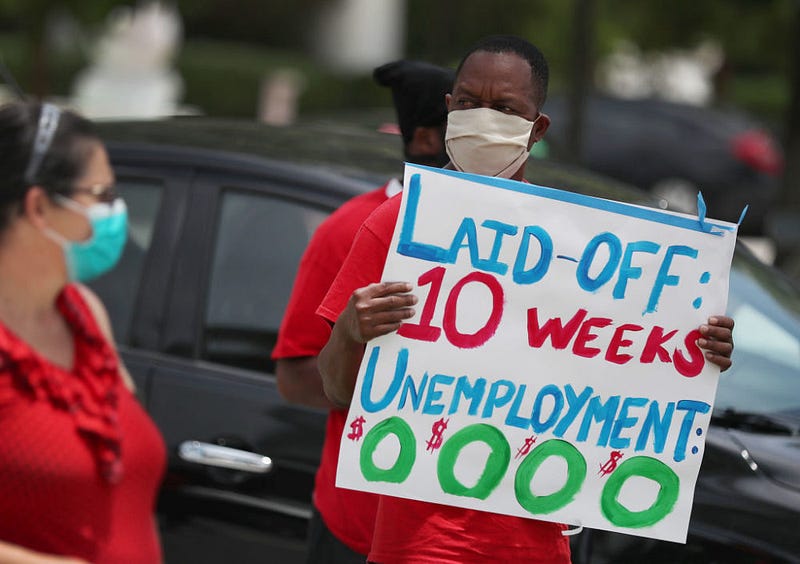
(Image credit: WBUR)

More Unemployment Money Doesn’t Make You Lazy

No politician will come out with these exact words, but the political rule of thumb is this: Give lazy bastards money to live, and lazy bastards won’t ever want a job.

The reality is dead wrong.

I’ve written about this before, but it turns out all the hubbub about the extra $300, $400, $600, $whatever of federal unemployment money that was added to the state unemployment money was nothing but hot air aimed at planting flagpoles to use as marketing fodder during the next election.

To wit: The fuss over extra unemployment is just pure political bullshit.

Turns out, extra benefits do the opposite of what the fearmongers claim.

A new working paper from Professor Arindrajit Dube of the University of Massachusetts at Amherst, however, suggests that policymakers need not worry: higher unemployment benefits don’t seem to affect employment levels the way many economists assumed.

…states with low unemployment insurance benefits (and thus the strongest incentives for returning to work) did not increase employment levels more than states with high levels of unemployment insurance benefits. In fact, just the opposite: high unemployment benefits led to slightly higher employment levels.

Why is this?

In short, unemployment insurance provides people enough money to cover the “Big 3” of food, shelter, and transportation. Not spending time and energy on covering those basics allows people to actually focus on finding a job.

When you’re hungry, it can be hard to think of anything other than food. When you’re desperately poor, you may constantly worry about making ends meet.

The problem is that currently, states only provide about 30% of your average salary, when the original goal was 50%. The additional federal funds have made up this historical difference, only now fulfilling the program’s design.

For a deeper dive, check out my previous article, or John Oliver’s deep dive.

The takeaway? You need a multi-month Level 2 Emergency Fund

  • Level 1 is the baseline $1,000 to cover acute emergencies, like a blown tire or lost luggage.
  • Level 2 is the larger fund to cover chronic emergencies, like losing a job, a limb, or a spouse.

How long your Level 2 fund should last is up to you, but an initial goal is 3 months and sitting pretty at 1 year.

Millions Behind on Rent, Mortage, and Utilities

If you missed the last slow-motion national-scale train wreck of the housing crisis, you have another chance.

Back payments for rent, mortgage, and utilities total over $100 billion.

This is a very bad situation for a large chunk of the country.

Even with the extended eviction moratorium and utility assistance programs, at the end of the day, too many people are going to face crushing debt that they won’t be able to get out from under.

The lack of rent payments was supposed to be a back breaker for landlords, too, but surprisingly (or not), some are making out like bandits.

…the eviction moratorium, which has saved millions of Americans behind on their rent from becoming homeless during the pandemic, has done little to dent bottom lines. In fact, large property owners have predominantly been profitable during the pandemic.

There are two reasons for this.

  • Turnover, which is the biggest expense for landlords, dropped like a rock during stay-at-home orders.
  • They have pretty much ignored the eviction bans, without repercussion.

That’s just salt in the wound, but what about those of us who don’t own a large rental company?

  • First, have an emergency fund.

The Level 2 fund shines in situations like this, where a large expense is due every month, and it can quite literally mean life and death.

  • Second, seek any assistance possible.

Utility companies are normally good about having a budget plan. Rental companies like to avoid turnover, so work with them.

  • Third, educate the hell out of yourself.

The eviction moratorium only works if you can prove, via an official form, that you have

  • tried to get assistance
  • earn less than $100k
  • lost your job
  • are making partial payments
  • will be homeless if evicted
  • and accept any fees incurred due to the lack of full payment.

Sounds like a lot of hoops to jump through just to have your landlord ignore it anyways.

Most Recent Stories

This article is for informational purposes only and should not be considered Financial or Legal Advice. Not all information may be accurate. Consult a financial professional before making any major financial decisions.

Money
Personal Finance
Economy
Finance
Politics
Recommended from ReadMedium