
The Truth About Tremendous Awesome Benefits of Forest Bathing
You Can Relax and Enjoy Beautiful Nature — Tremendous Experience Article one of a two-article series.
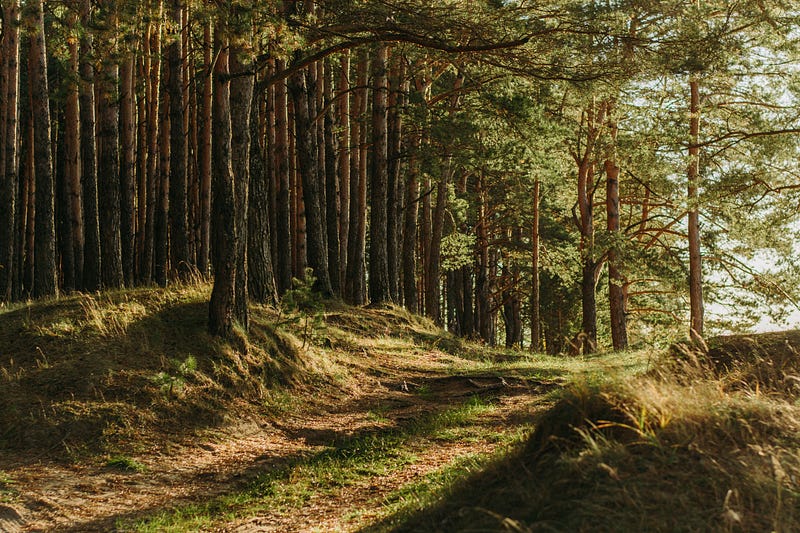
Thank you, Sahil Patel, from Reciprocal, for the writing prompt used to create this 2-article series. His prompt was “Flourishing Forest Bathing” in his article https://readmedium.com/the-healing-power-of-forest-bathing-ba39f02fe7d3. In his article, he does a masterful job of letting the reader know what forest bathing is and asks: Have you ever tried forest bathing?
Introduction
I did some research and found out that, no kidding, there is such a thing as forest bathing. When most people hear these words, I bet they don’t know what is meant by them. I know I was unaware. This article is the first of a two-article series.
Forest bathing or nature therapy came from the Japanese when they called it “ecotherapy, forest therapy, forest bathing, grounding, earthing, Shinrin-Yoku or Sami Lok. The term Shinrin-yoku (森林浴), or forest bathing, was coined by the head of the Japanese Ministry of Agriculture, Forestry, and Fisheries, Tomohide Akiyama, in 1982 to encourage more forest visitors. Nature therapy. (2023, October 17). In Wikipedia. https://en.wikipedia.org/wiki/Nature_therapy
Various techniques or treatments use nature to improve mental and physical health. These reasons are great for support of forest bathing.
There are also physiological benefits from spending time in nature. Relaxation and stress reduction enhances cardiovascular health and lowers blood pressure. Nature therapy. (2023, October 17). In Wikipedia. https://en.wikipedia.org/wiki/Nature_therapy
Health effects
Mood
Five minutes in a natural setting can improve mood, self-esteem, and motivation. One hundred twenty minutes in nature weekly could improve health and well-being. Nature therapy reduces stress and enhances a person’s mood. Nature therapy. (2023, October 17). In Wikipedia. https://en.wikipedia.org/wiki/Nature_therapy
People exposed to nature are more cooperative and pleasant than those who are not. Forest therapy has been linked to some physiological benefits as indicated by neuroimaging and the Profile of Mood States (POMS) psychological test. Nature therapy. (2023, October 17). In Wikipedia. https://en.wikipedia.org/wiki/Nature_therapy
POMS measures six different dimensions of mood swings over a period of time. It measures Tension or Anxiety, Anger or Hostility, Vigor or Activity, Fatigue or Inertia, Depression or Dejection, and Confusion or Bewilderment. Profile of mood states. (2023, October 17). In Wikipedia. https://en.wikipedia.org/wiki/Profile_of_mood_states
Horticulture therapy boosts positive mood and well-being and supports escaping from daily stressors. Nature therapy. (2023, October 17). In Wikipedia. https://en.wikipedia.org/wiki/Nature_therapy
Stress and depression
Interaction with nature decreases stress and depression. Forest therapy might help stress management for all age groups.
Social horticulture could help with depression and other mental health problems of PTSD, abuse, lonely older adults, drug or alcohol addicts, blind people, and other people with special needs. Nature therapy could improve self-management, self-esteem, social relations and skills, socio-political awareness, and employability. Nature therapy could reduce aggression and improve relationship skills. Nature therapy. (2023, October 17). In Wikipedia. https://en.wikipedia.org/wiki/Nature_therapy
Other possible benefits
Nature therapy could help with general medical recovery, pain reduction, Attention Deficit/Hyperactivity Disorder, dementia, obesity, and vitamin D deficiency. Interactions with natural environments enhance social connections, stewardship, sense of place and increase environmental participation. Connecting with nature also addresses intellectual capacity, emotional bonding, creativity, and imagination. Overall, people’s time in nature brings benefits such as memory, cognitive flexibility, and attention control. Nature therapy. (2023, October 17). In Wikipedia. https://en.wikipedia.org/wiki/Nature_therapy
Research suggests that childhood experiences in nature are crucial for children’s daily lives as they contribute to several developmental outcomes and various domains of their well-being. Essentially, these experiences also foster an intrinsic care for nature. Nature therapy. (2023, October 17). In Wikipedia. https://en.wikipedia.org/wiki/Nature_therapy
Criticism
A 2012 systematic review study showed inconclusive results related to the study methodology. Spending time in forests demonstrated positive health effects but not enough to generate clinical practice guidelines or demonstrate causality. Additionally, there are concerns from researchers expressing that time spent in nature as a form of regenerative therapy is highly personal and unpredictable. Human interaction can harm nature. Nature therapy. (2023, October 17). In Wikipedia. https://en.wikipedia.org/wiki/Nature_therapy
Grounding
Grounding, or earthing, is a pseudoscientific practice that involves people grounding themselves using devices by touching the earth or removing shoes. High levels of electromagnetic radiation exposure are the reason people ground themselves. Possible mood changes could be due to a placebo effect. Nature therapy. (2023, October 17). In Wikipedia. https://en.wikipedia.org/wiki/Nature_therapy
Governmental Support
In Finland, researchers recommend five hours a month in nature to reduce depression, alcoholism, and suicide. Forest therapy has state-backing in Japan. South Korea has a nature therapy program for firefighters with post-traumatic stress disorder.
Canadian physicians can also “prescribe nature” to patients with mental and physical health problems, encouraging them to get into nature more. Nature therapy. (2023, October 17). In Wikipedia. https://en.wikipedia.org/wiki/Nature_therapy
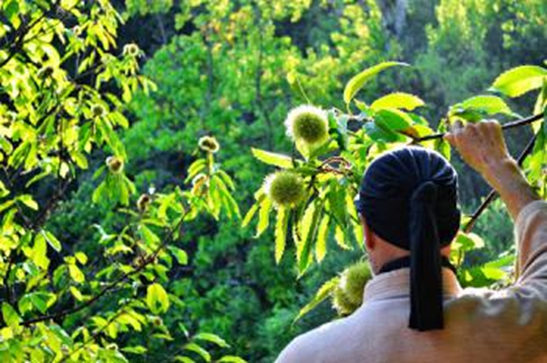
Shinrin-yoku
In Japan, practicing shinrin-yoku means spending time in nature with the trees and grass and mindfully engaging within a forest atmosphere or other natural environment. Most often, this is done by strolling through a forest slowly and gently without electronics and soaking up nature. It involves the five senses and letting nature enter through the senses. Shinrin-yoku. (2023, October 17). In Wikipedia. https://en.wikipedia.org/wiki/Shinrin-yoku
Some examples of shinrin-yoku include:
Listening to forest sounds (birds chirping, insects buzzing and flying by)
Touching the ground, the trees, and the leaves.
People smell flowers and other essential oils of the plants and trees.
People observe surroundings and scenery.
People taste the crispness of the air while breathing. Shinrin-yoku. (2023, October 17). In Wikipedia. https://en.wikipedia.org/wiki/Shinrin-yoku
Health Benefits
Shinrin-yoku was associated with increasing levels of natural killer cells, essential in combating infection. Other benefits of using Shinrin-yoku are recharging positive energy, higher energy levels, and purification of negative thoughts. Breathing the air in a forest environment maximizes the intake of negative ions.
These ions are invisible molecules in the air; they help increase health, mood, mental clarity, cognitive functioning, and energy levels. People who participated in studies saw decreased pulse rate, blood pressure, and concentration of the stress hormone cortisol while walking through the forest for even a few hours. The power of essential oils emitted within plant life in forests can reduce stress by decreasing cortisol concentration. Shinrin-yoku. (2023, October 17). In Wikipedia. https://en.wikipedia.org/wiki/Shinrin-yoku
Countries Recognizing Health Benefits
South Korea
The Korea Forest Service opened Saneum National Recreational Forest as the first therapeutic forest in 2009. Since then, they have opened many others and now have 32 therapeutic forests. In 2020, there were about 1.5 million visitors to those parks, and the number of people practicing forest bathing has increased. Shinrin-yoku. (2023, October 17). In Wikipedia. https://en.wikipedia.org/wiki/Shinrin-yoku
United States
The U.S. Forest Service put forth forest therapy where there are certified guides for the Association of Nature and Forest Therapy. For example, in Puerto Rico, guides conduct two-hour sessions in the El Yubnque Rainforest, bringing participants along to experience forest therapy. Shinrin-yoku. (2023, October 17). In Wikipedia. https://en.wikipedia.org/wiki/Shinrin-yoku
Finland
The Finnish Forest Association with the Finnish Forest Therapy Center promotes forest therapy and provides organized activities for forest visitors to practice. They have groups, companies, and communities that participate as visitors. Shinrin-yoku. (2023, October 17). In Wikipedia. https://en.wikipedia.org/wiki/Shinrin-yoku
A few easy steps allow this healing activity to be self-administered as a preventive measure.
Part1
Preparing for a Forest Bath
1
Set aside the time necessary for this therapeutic exercise. How to Do a Forest Bath: 12 Steps (with Pictures) — wikiHow
· Reserve two to four hours for an excursion of at least a half mile in length. The extended period allows you to stop several times and make yourself aware of your senses. You will be sitting still and practicing mindful immersion. You can make the exercise longer. Two hours of exposure to the outdoor therapy environment will improve your mood and health. How to Do a Forest Bath: 12 Steps (with Pictures) — wikiHow
· Note that this exercise will require multiple sessions. This therapy is not a one-time-only treatment. Multiple sessions will improve your ability to heal and learn to engage better with the forest environment. How to Do a Forest Bath: 12 Steps (with Pictures) — wikiHow
2
A certified guide should attend at least one session of forest bathing. How to Do a Forest Bath: 12 Steps (with Pictures) — wikiHow
· The Association of Nature and Forest Therapy (AFNT) can provide a list of guided forest bathing programs. The AFNT list contains guides found worldwide who are trained by AFNT. Programs take place as one-on-one sessions or group therapy. The specific guide and location determine the format. How to Do a Forest Bath: 12 Steps (with Pictures) — wikiHow
· It is recommended that beginners use guides due to their knowledge of trails and ability to direct attention to known observation points. How to Do a Forest Bath: 12 Steps (with Pictures) — wikiHow
3
Chart your progress by taking vital measurements to track your stress level. There are biometric indicators that can help you find the specific activities that work best for you. https://medium.com/r/?url=https%3A%2F%2Fwww.wikihow.com%2FDo-a-Forest-Bath
· Visit your physician for frequent monitoring of vital signs over time as you engage in multiple forest therapy sessions. How to Do a Forest Bath: 12 Steps (with Pictures) — wikiHow
Several commercially available wearable devices monitor biological signs of stress. Some suggested biometric measurements include heart rate, blood pressure, sleep tracking, and cortisol levels. How to Do a Forest Bath: 12 Steps (with Pictures) — wikiHow
· Regular forest bathing sessions can reduce blood pressure, lower pulse rates, decrease cortisol levels, and help you develop better sleep patterns. Although monitoring these results is impossible, this therapy may increase energy levels, improve mood, and boost your body’s immunity. Forest bathing, throughout regular sessions, should change cerebral blood flow to reflect the mind in a state of relaxation. How to Do a Forest Bath: 12 Steps (with Pictures) — wikiHow
· You may also self-administer a Profile of Mood States (POMS) Test before and after your forest bathing session. This questionnaire will document any changes in psychological responses. How to Do a Forest Bath: 12 Steps (with Pictures) — wikiHow
4
Remain restful and peaceful in the forest setting. These preparations will make the therapy session much more comfortable. How to Do a Forest Bath: 12 Steps (with Pictures) — wikiHow
· Use proper sunscreen protection to prevent adverse health effects. How to Do a Forest Bath: 12 Steps (with Pictures) — wikiHow
· During certain seasons, pollen may be irritating, so take any prescribed allergy medication. How to Do a Forest Bath: 12 Steps (with Pictures) — wikiHow
· Repel insects and prevent harmful bites with commercially available bug spray on your body so you are not distracted from forest bathing. How to Do a Forest Bath: 12 Steps (with Pictures) — wikiHow
· Leave electronic gadgetry behind (cell phones, games, beepers, etc.,.) so you can attend to the natural setting. How to Do a Forest Bath: 12 Steps (with Pictures) — wikiHow
· AFNT recommends using the session as a partnering event with you working with the forest and not with specific final goals for the session. The emphasis should be on sensory awareness in an area that does not have a lot of other people/distractions around. How to Do a Forest Bath: 12 Steps (with Pictures) — wikiHow
Conclusion
This article is at the end. This article examined an introduction to Forest Bathing, its health effects, mood, stress and depression, and other possible benefits. We also looked at criticism, grounding, governmental support, Shinrin-yoku, examples of shinrin-yoku, health benefits, countries that recognize forest bathing, and preparing for a forest bath. Please stay with us for article two; we know you want this vital information. I would love to hear from you if you did enjoy reading the article.
Please consider joining Medium, and please join my email list. When I write something new, the system will notify you. My writing success depends on readers like you who appreciate and support my writing. Thanks so much for taking the time to read and help me.
I would love to give a Big Shout Out to Patrick OConnell for his article titled https://readmedium.com/vinyl-revival-and-analog-bliss-rediscovering-the-soulful-magic-of-spinning-records-d497459d8df8. He tells the reader about using acrylic records and the fun and nostalgia that is on offer. I enjoyed reading this article and agree with him on one exception: don’t scratch the vinyl, or you will start from scratch to get that music again! Seriously, folks, this is a great article, and for those who have not spun hundreds of platters, you can learn something here. Great job on this article, Patrick!
I would love to give a Big Shout Out to Kerrie Gutierrez-Diaz for her article titled https://readmedium.com/a-window-to-the-past-or-a-door-to-pain-bedf5e5fd1c6 She shared her thoughts on taking pictures to preserve memories. She asked readers to reach out to her with their thoughts on whether to take pictures to preserve memories. I enjoyed reading the article and have the following thoughts respective. They say a picture can save a thousand words, so taking pictures of friends and relatives to reflect on positive experiences is good. I enjoy seeing pictures even if someone has moved away or departed this earth for their forever home. It may be challenging to have a picture of someone gone from your life, but if you think of positive experiences and the fun you’ve had in this life, then perhaps it is suitable for calling those memories back to the forefront. At any rate, this was a short article that would cause the reader to stop, think, and reflect. Great job on this article, Kerrie!


