
The Truth About Hiding Our Pain
To some degree, we all keep our hurt locked away, especially from those close us to but any benefits are always temporary.
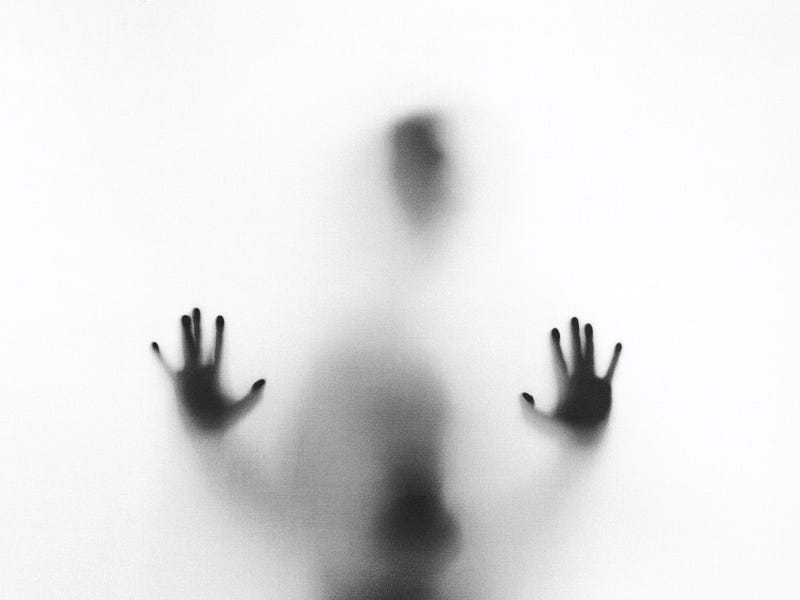
If there is one undeniable trait we have in common we tend to hide emotional pain. It is like this unending dance between our vulnerability and the need to protect ourselves. And so we hide our pain even from those who are closest to us.
It is said that this trait evolved because survival once hinged on projecting strength and resilience, and showing any emotional vulnerability was like you painting a target on your back.
Hiding pain was, therefore, a cunning strategy that shielded you from becoming a liability in an unforgiving world while revealing it was a perilous gambit that could potentially jeopardize both personal safety and social harmony.
“…showing any emotional vulnerability was like you painting a target on your back.”
Why do we still hide it now?
Today, the reasons behind our inclination to conceal pain are still multifaceted. For instance, the reign of “positivity” on social media puts pressure on users to appear unbreakable, instilling in them the desire to maintain a façade of invulnerability because of a fear of judgment, rejection, or burdening loved ones.

Ironically, this act slowly gnaws at the foundation of trust and emotional intimacy thereby weakening the bonds we think we are protecting.
- Avoiding showing weakness: people often hide their emotions to avoid exposing their vulnerabilities to others. They worry that expressing certain emotions, especially those so-called negative ones, could lead others to judge them or think they can’t manage their feelings.
- To protect relationships: partners do hide annoyances or hurt to avoid triggering conflicts or negative reactions from their significant others. This avoidance can stem from past experiences.
- Lack of confidence: growing up in an environment where expressing opinions and feelings is discouraged or criticized can lead individuals to hide their emotions from an early age. So, caregivers who themselves suppress emotions can reinforce the idea that emotional expression should be avoided.
- To avoid further hurt: this is when people believe others will only amplify their pain, so they put up walls between them in the belief that only such a protective measure will shield them from potential further hurt.
However, beneath the surface of the complexity lies an even deeper truth that demands our attention: hiding pain, especially from our closest confidants, comes at a psychological cost. Bottling up our emotions can lead to feelings of isolation that only intensify the distress we are trying to hide.
“…partners might hide annoyance or hurt to avoid triggering conflicts or negative reactions from their significant others.”
Further, studies have shown that even though hiding your emotions may reduce the visible signs of the emotions, it doesn’t decrease the actual emotion one is feeling.
So, what is the path forward?
We know that concealing pain is a double-edged sword because while it might safeguard our relationships temporarily, it can also erode them over time. Therefore reconciling the desire to shield ourselves with the need for genuine emotional connections makes striking a balance essential for both our mental well-being and the health of our relationships.
- It is time to transform our perception of vulnerability: rather than see it as a weakness, we should regard it as a testament to our courage, a mark of authenticity that binds us together.
- Creating a safe space for emotional expression within our relationships: this is also a step in the right direction, but you should know that it is also one of the prime indicators of a healthy relationship; and couples who have them report higher levels of satisfaction and deeper connections.
- Cultivate a culture of empathy and understanding: this sets the stage for true intimacy. By sharing our emotions responsibly, we bridge the gap between guarding our hearts and letting others in. This will deepen your relationships as you connect with each other's thoughts and feelings.
- Reaching out: finally, if hiding your hurt is a long-standing pattern and you are really struggling to overcome it by yourself then talking to a professional can help. They not only create a safe space to get in touch with your feelings, but they can help you identify the possible reasons for the behavior and strategies on how to cope.

“Ironically, this act slowly gnaws at the foundation of trust and emotional intimacy thereby weakening the bonds we think we are protecting.’
So, the act of hiding emotional pain may be a part of what makes us human. It may be a behavior honed over generations and borne out of necessity and societal expectations, but as we move forward, we must reconsider the impact of this behavior on our overall well-being and our relationships. Perhaps if we begin treating our emotional well-being as a shared responsibility, we will be able to unshackle ourselves from the burden of concealed pain and be well on our path to stronger connections and a healthier, happier life.