
The Trusty Gardener-Rototilling The Garden
Awaken Your Garden-It’s Almost Time For Cold Hardy Vegetables
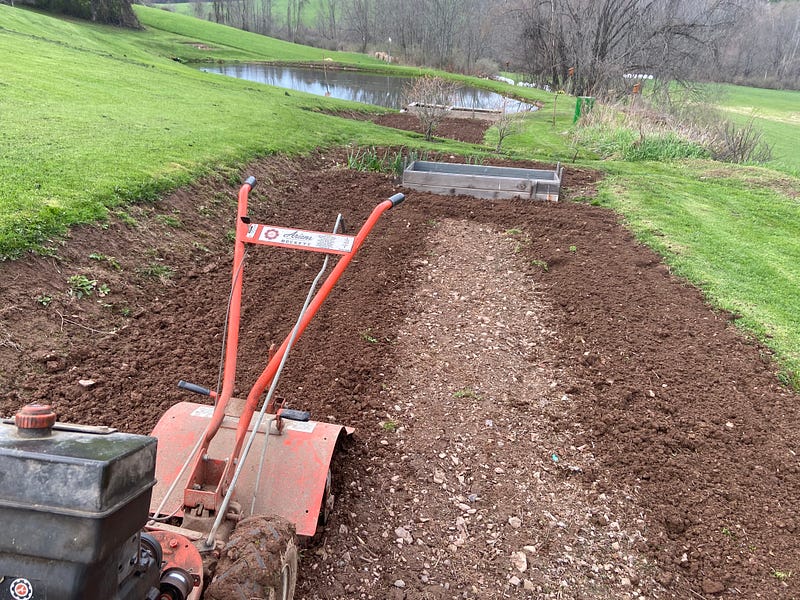
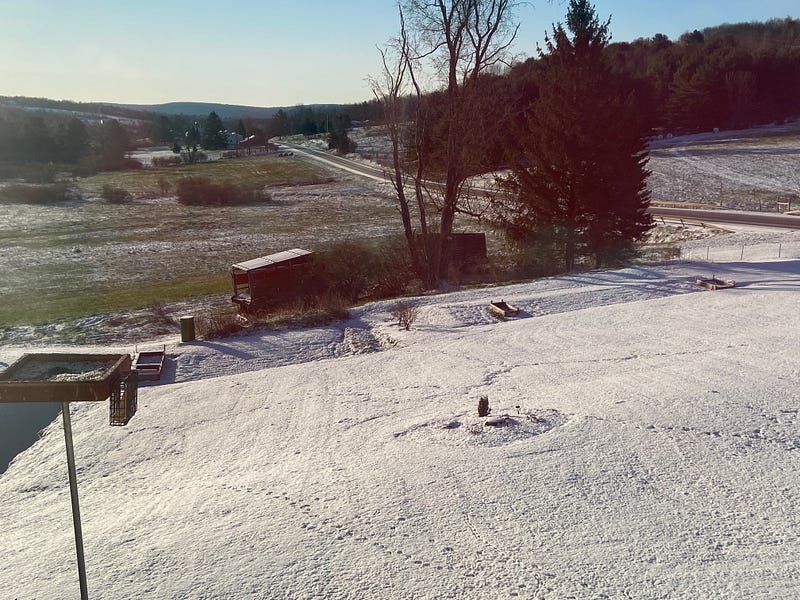
Spring is here. Or at least it was. It has now gone into hiding as winter has returned. But not for long. Spring will prevail. I was able to complete a important step a few days ago in the gardening process. Rototilling. Let the gardening season begin!
Every year around mid-April, I break out the old rototiller, the “beast” as I call it. It is a hand me down from my parents. It is from 1979. Built like a tank. Gets the job done quickly. However, if you don’t have a rototiller or access to one, it can be done by hand. I remember when I turned the soil by hand, even when making the garden larger. It’s definitely a lot of work but if you do a little at a time you will get there.
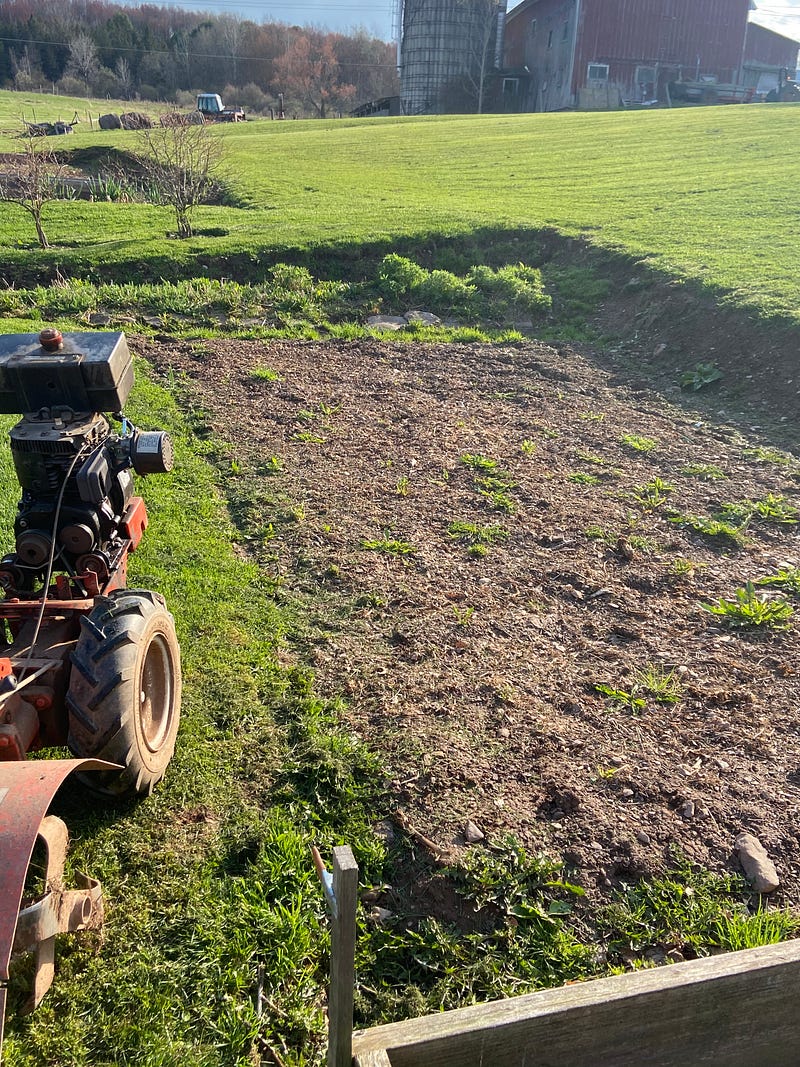
Turning the soil prepares it for the growing season ahead. Last Fall I put some mulched leaves on the garden after the garden cleanup process, which included rototilling. Adding leaves is one of the best ways to enhance the soil, along with compost if you have any. Adding organic matter enriches the soil and also allows for better moisture retention and prevents the soil from becoming hard and baked.
It is also important to check your soil pH. I haven’t done this for a long time so I will this Spring. Most likely it will be acidic, due to acid rain. In that case adding a little lime (and mixing in the soil) helps to bring the pH back in line. The ideal soil pH is between 6 and 7, 7 being neutral. Most vegetables will tolerate a pH between 5.5 and 7.5.
Once the soil is worked, the pH checked, and organic matter and/or fertilizer is added, the garden will be ready to plant. Of course only cold hardy plants can be planted until the danger of frost has passed. Here in Central NY State, the end of May is normally the target date for planting. Prior to that, even in early May, it is fine to plant onions, peas, kale, swiss chard, radishes, and other similar cold hardy veggies. Even lettuce can tolerate some cold, however, I would cover that if it is in danger of being exposed to frost.
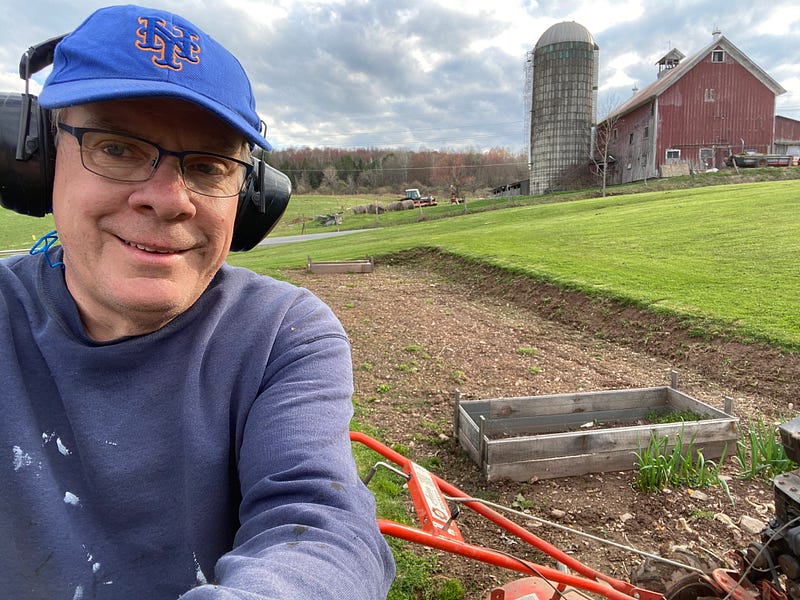
If you use a cold frame or row covers, these can allow you to start growing earlier. Last Spring, I did use a cold frame. I haven’t decided if I will use again this year. I already have a raised bed type area that I use for lettuce and other greens; normally I cover it with netting to protect from pests. To make it a cold frame, I simply attached two old house windows on hinges. A good way to repurpose old windows.
If you want to keep your garden truly organic, be sure to use organic fertilizers and soil enhancers as opposed to the traditional synthetic ones. It is hard to keep the garden truly organic, since using traditional plant foods such as the original Miracle-Gro®is not organic. Miracle-Gro® does however make organic soils and plant food which I may try this season.
I am guilty of not being 100% organic myself. However, I do not use pesticides or herbicides in my gardens. If I have an issue such as potato bugs or other pests, I seek an organic solution such as homemade remedies. As I mentioned above, I do need to make the switch to organic plant food.
Another important factor in your garden can be water drainage. Since my gardens are on a slight slope, I “ditch” the gardens on the top and one side to allow drainage of water during heavy storms and wet periods. Using a shovel, I make the ditches about 4 inches deep and the width of the shovel. This can make a big difference in keeping the garden from flooding. Depending on your particular situation, you might not have to do this.
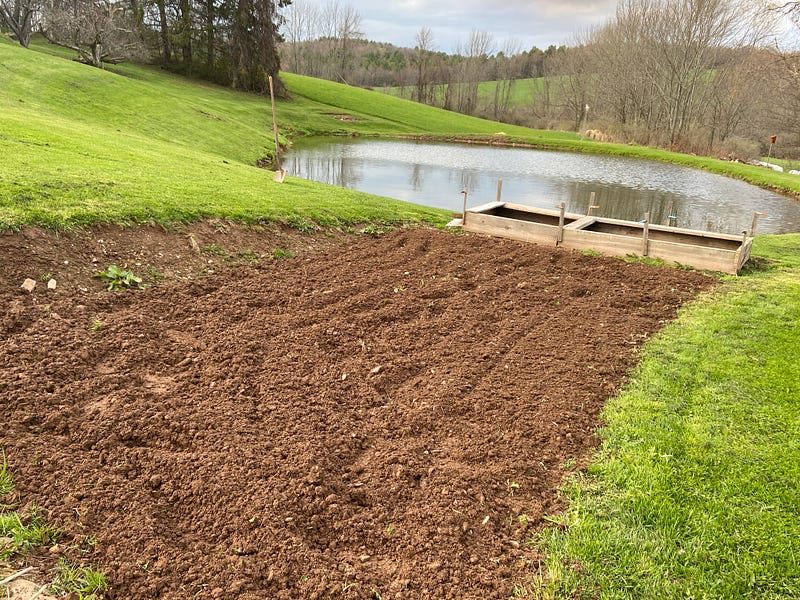
So get out and get the garden tilled and get ready to plant. Depending where you live, you may be way ahead of me.


