Tour Divide, Mountain Biking Racing, and Bike Packing
The Tour Divide 2022 Mountain Bike Race is Underway
My son, Nick Runtsch, is among a field of 186 riders
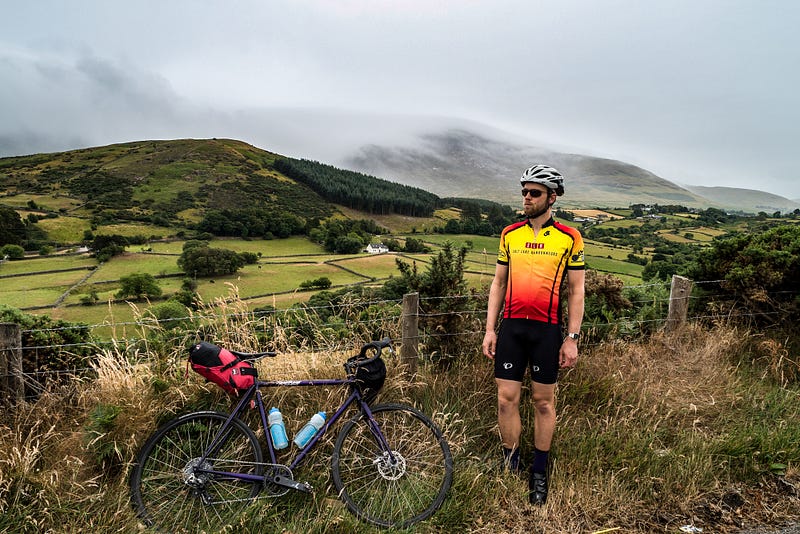
In 2020, I started to plan a 2021 ride of the 3,083.8-mile (4,962.2 km) Great Divide Mountain Bike Route (GDMBR). Normally, the route extends, through the Rocky Mountains, from Jasper, Alberta, in Canada, to Antelope Wells, New Mexico, in the United States, near the US-Mexico border. But because of the COVID-19 Pandemic, the US-Canada border was closed, and I would not board an airliner at the time. As an ultra-distance and touring cyclist, I contemplated riding from home in Minnesota to the starting point in northern Montana, and then back home from Antelope Wells. But the scale of the 5,900-mile (9,495 km) solo bike-packing tour overwhelmed me. Leaving my wife alone for two-and-a-half months was not an option, either. So, I canceled my plans.
But my son, Nick Runtsch, will carry the banner for the Runtsch family this year. He started to ride in the Tour Divide mountain bike race, on 2,745 miles (4,418 km) of the GDMBR route, at 8:10 am, on June 10, 2022.
Nick is among 186 riders in this year’s race, which featured a staggered start in Alberta’s Banff National Park. Riders are self-supported, so they carry camping and cooking gear, clothing, a small supply of food, bike tools, and other essential supplies. They will replenish their food and water supplies along the route.
“In 2021, a bear killed a female rider who had camped in the town of Ovando, along the route in Montana.”
Nick reported that grizzly bears have gone low this year. So, they will share the same territory as the riders along the northern sections of the Tour Divide route.
In 2021, a bear killed a female rider who had camped in the town of Ovando along the route in Montana. As I have aged, my fear of camping in bear country has grown. Nick will carry bear spray on his bike. But for me, my greatest fear is a bear slashing and chewing on me in my tent while trying to unzip my mummy bag. As a former coworker put it, humans in sleeping bags are the tacos of bear country.
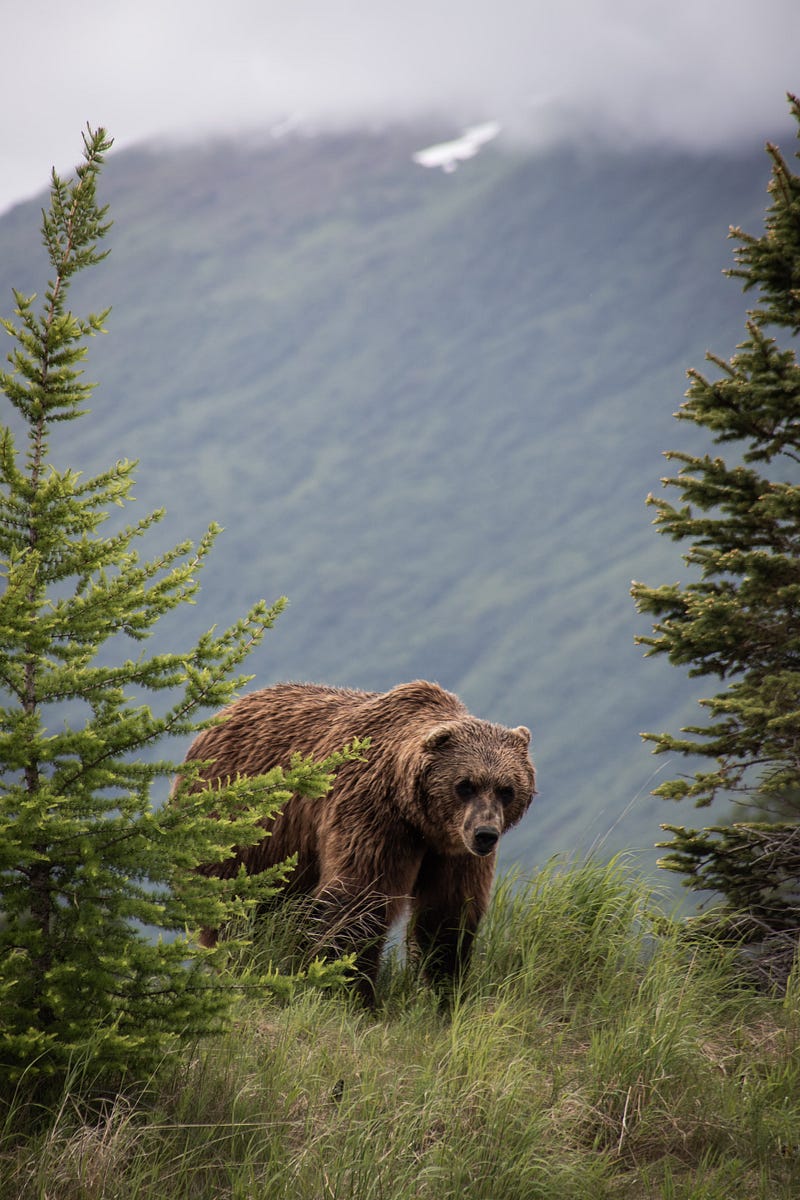
Maybe my fears of grizzly bears are overblown. So, let’s get back to the race.
Even riders in top condition and with the best equipment will need to surmount the rough conditions of the Tour Divide race. They face riding up mountains, long distances between resupply towns and fresh water, threats from bears, inclement weather, snowfall, and a lack of bicycle repair parts and facilities. They will also need to push their bikes on unrideable trail sections.
Nick has prepared well for Tour Divide. He trained most of this season on the bike he is riding in the race. It is a Specialized S-Works Epic hardtail mountain bike with front suspension, drop handlebars, and wireless shifting. He also equipped the bike with a dynamo hub that supplies power to a headlight, a taillight, and a USB charging port.
To test himself and the bike, Nick has ridden the bike almost daily since early spring. The biggest tests include a 300 km (186 miles) one-day ultra-distance ride (randonneuring brevet) and a four-day bike-packing trip.
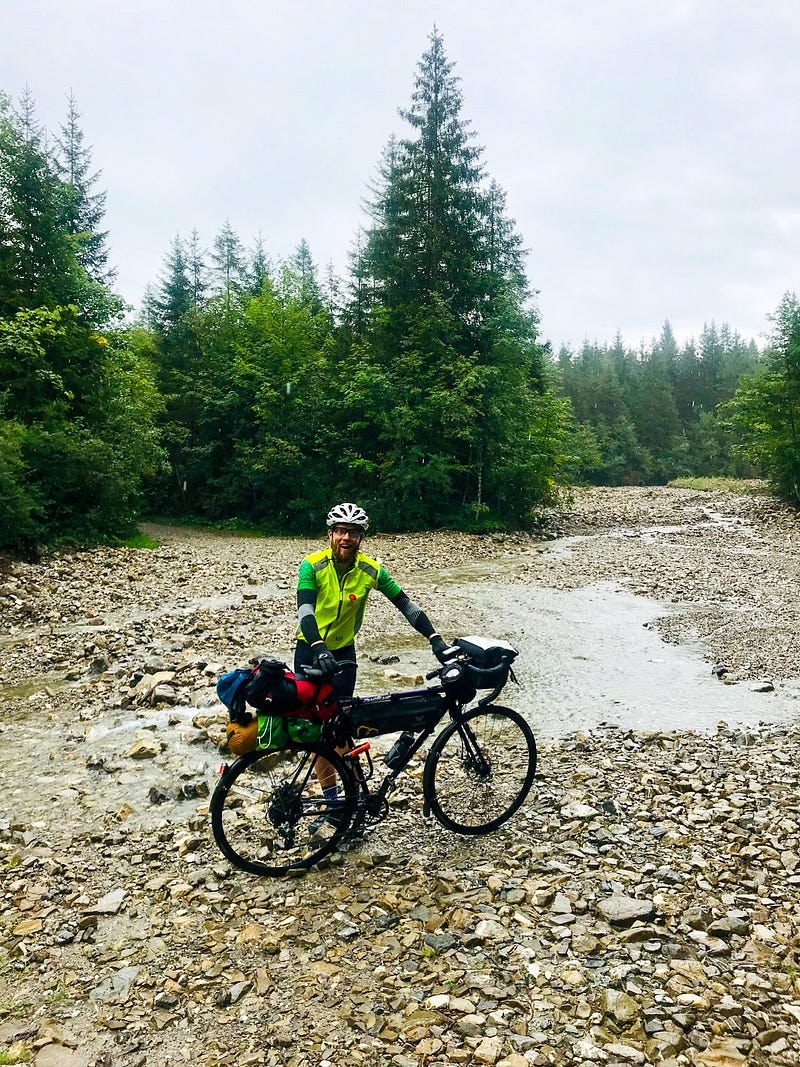
On the bike-packing shakedown cruise, Nick learned that his custom frame pack, with its 4.5-liter bladder, did not carry enough water for potentially long distances between water stops. So, he equipped the bike with fork-mount bottle cages, which will carry a pair of 1.5-liter Nalgene bottles. He is also taking water purification tablets, just in case. I suggested that he pack a water filter. But he needs to minimize weight and bulk to maximize his speed, endurance, and climbing abilities.
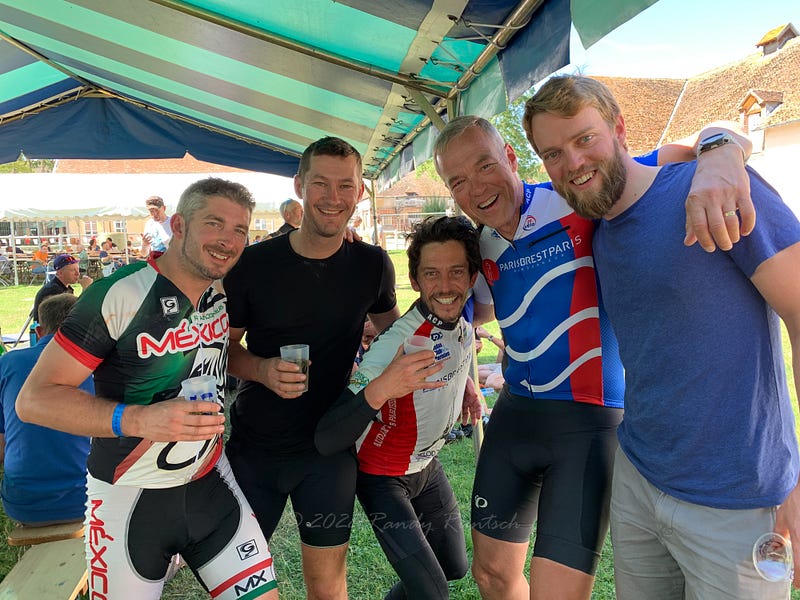
Nick has a long history in competitive, touring, and long-distance cycling. In college, he was captain of the Iowa State University cycling team. In 2014, when I toured the 1,800-mile Pacific Coast Highway route from the US-Canada border to the US-Mexico border, he joined me for the last three-fourths of the ride in Portland, Oregon. Also, he completed the quadrennial Paris-Brest-Paris (PBP) Randonneur in France in 2015 and 2019. Over 6,000 cyclists attempt to ride 1,200 sleep-deprived kilometers (746 miles) of road riding within a 90-hour time limit.
Over the years, a handful of riders have finished the Tour Divide race in fifteen days or less. Most will take longer, while some will not complete the course (DNF — did not finish) at all. Nick’s goals are modest. He hopes to average 100 miles (161 km) per day and finish the ride in roughly 30 to 45 days.
Members of the general public can track the progress of Tour Divide riders on the TrackLeaders website.
I wish Nick and his fellow riders all the best on their 2022 Tour Divide odyssey. For most of these extreme sports enthusiasts, it will be the adventure of a lifetime.
A few weeks ago, Nick asked me whether I plan to ride the next PBP with him (actually, behind him) in 2023. Attempts in 2015 and 2019 caused suffering and sleep deprivation. But I will contemplate his question while I am holed up at his house, looking after his cats and chickens, where the city and forest meet.
So far, life is good here in Santa Cruz, California.
June 13, 2022, Update: The total number of riders in Tour Divide has been corrected from 135 to 186.
Other Stories about Tour Divide
More Cycling Stories from Randy on Bicycle Trekker