
The Time I Rage Quit Little League
Or: The time I learned that having fun isn’t enough.
I have talked about how I feel like we should not have to monetize our hobbies. I have talked about how hobbies should be fun, and how it shouldn’t matter whether you’re good at them or not. Those are realizations that I have only come to in recent years.
This story, however, is one of my first run-ins with the mentality that there is no point in doing something if you’re not good at it.
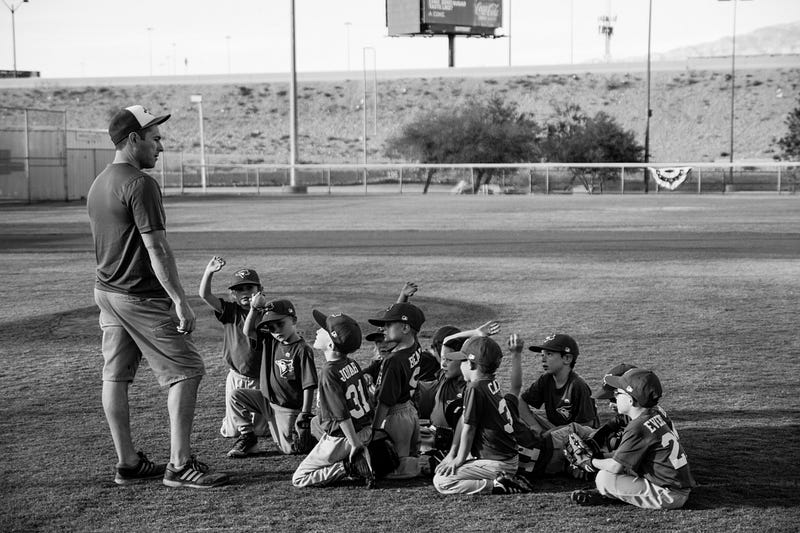
I played little league when I was in middle school. I played it for fun because my friends were on the team and I wanted to get some exercise and be with my friends and have fun.
Our coach was exactly what you think of when you hear the phrase “those who can’t play, coach.” He was an overweight, balding, middle-aged white guy with too much energy who lived vicariously through his son, who was a pitcher at his dad’s insistence despite not being good at it.
This didn’t bother me too much — I was there to have fun, and the team was pretty good. We made it to a local championship one year, and by and large, we were a winning team.
I was not very good at baseball. I was regularly stuck in the outfield because I wasn’t much good at the positions, and I batted left-handed, so my job at the plate was to get walked (and then steal bases when I got to first).
The coach ran us maybe a little too hard, but we were in middle school, so we had boundless energy anyway. We were having fun practicing and playing against teams that we regularly beat, so there was no harm in it.
Middle school is when I started experiencing my bipolar symptoms for the first time. I was suicidal for the first time when I was 12, and the following years of medications and therapy wrecked my little developing brain. I had much bigger problems than baseball, is what I’m trying to say.
At a game, I was on first base, having been walked again. Because my coach was very aggressive in pushing us to steal bases, I was a good six feet off the bag. However, I was lost in my head at the time. I don’t remember what I was thinking about. I may have been fighting depression. I may have been daydreaming, as I often did. I may have just been spacing out. It didn’t matter. The pitcher picked me off, and I was out.
The coach was pissed. As I walked off the field, he started yelling at me, asking what the heck I was doing. As I was dealing with raging hormones and mental illness, I started yelling at him right back. After a yelling exchange that I don’t recall, I told him to go fuck himself and walked off the field.
My dad, not knowing what else to do, took me home. I told him in the car that I was quitting the team and wouldn’t be going back. He asked if I was sure, and I said yes. It wasn’t fun anymore. To his credit, he supported me.
That was a wake-up call for 13-year-old me. Apparently, it wasn’t enough, at least for the coach, for us to just have fun. We had to be good. We had to win. That wasn’t okay with me. However, the lesson was seared into my head, and I took it to heart for years, decades to come. Anything I tried, if I wasn’t good in a short amount of time, I would quit. If I got negative feedback, I’d quit. If I felt like the people around me were better, or were improving faster, I’d quit.
I implore you, if you do something for fun, do it for fun. If your kids want to do something for fun, let them do it for fun. I’m not advocating for participation trophies or anything — as a kid, I didn’t ask for them and didn’t care for them. I just wanted to have fun. That was all.
I don’t remember the coach’s name, as my memory is terrible. I don’t even remember what his face looked like, just that impression I gave at the beginning of the article. I highly doubt he will ever read this, much less remember who I am. However, coach whatever-your-name-is, if you’re reading this, I have a message for you, from 13-year-old me and 30-something me:
Go fuck yourself.
If you liked this, please subscribe to my publication, Thing a Day. I publish something every day on a variety of topics, so you never know what you’re going to see!
Here are some other things I’ve written: