
The Death of the American Hobbyist
In the age of the side-hustle, nothing can be fun anymore.
I have a full-time job working as a grant writer for a mid-sized agency in my city. It pays the bills, and it pays them fairly well.
I also publish semi-regularly on Medium as a side-hustle. It doesn’t earn me a ton, mostly just spare money to buffer my bank account. It’s mostly cathartic, since I write primarily about my mental illness and take joy in people commenting about how much they relate to my stories.
I have a second side-hustle in my field as a grant writer. I do freelance contract work on the side, with the endorsement of my boss. It earns me a bit here and there — I can charge a high rate because of my experience, but I don’t get (or want) work every month.
I know that I’m lucky to have a supportive workplace with my side work, so I don’t take it for granted. My bosses are happy to let me side-hustle away, and also periodically throw me clients or read my Medium writing. I know that I’m really lucky in this aspect.
For me, writing is my work and my play. I write for a living in three ways, and I also write for fun. At least I used to. Not so much anymore.
Side hustles have gone from a nice way to make a little extra money to a required aspect of modern life.
In the age of the Internet, everything can and should be monetized. Any skill you have must be utilized to make you a little extra money.
Blogging is the go-to way to do it, but it’s falling out of favor. YouTube was a fantastic way to make money, but their ever-changing rules have driven a lot of people away. Patreon changed the game when they offered a model where you could pay creators directly to gain access to them. There are countless true crime podcasts to listen to.
Side hustles have gone from a nice way to make a little extra money to a required aspect of modern life. Fortunately, there are countless apps for that. You can drive for a rideshare service, do menial tasks for locals, sell crafts, hawk your extra stuff online, and more, all for a small fee and loads of extra stress.
The hustle mentality is a very American thing. We value entrepreneurship very highly in this country, and being your own boss is an end goal for many. Working for a boss is viewed poorly by many, as shown by the many derisive phrases used to describe it. Being a “cog in a machine” is to be a mere tiny cheap piece of steel in a thing much bigger than you. Never mind that in a machine, each cog has its function and removing even one cog can bring the whole thing to a halt.
As such, we are subjected to puff pieces about people who turned their hobbies into seven-figure enterprises. We devour stories about the guy who was given literal lemons and created a multi-million dollar chain of lemonade stands.
And, as such, many of us pursue entrepreneurship as the ultimate goal. So, we start with the side-hustle. Any skill we have — writing, music, coding, crafting, whatever — is put to work bringing in the cold hard cash.
So, we put in our hours at our nine-to-five, then come home and hammer away at passion projects designed to make us rich. Sure it only brought in $50 last month, but this month it’s bound to take off! We just need to get our product in front of more people.
The things we used to do for fun to unwind after a long work week are now just another thing to bring in money.
These days, the world has a bad tendency to beat fun hobbies out of us. When everything is monetized, nothing is fun.
They say the surest way to turn something you love into something you hate is to do it for a living. Of course, this exists on a spectrum. There are people for whom work is fun and fun is work, who bounce into work every day with a smile and float effortlessly through the day. These people make great entrepreneurs and often wind up millionaires.
Then, some people go into a career because they love the underlying work and wind up hating it inside of a year. A thing that they used to love has turned into a burden on their life, and they rue the day they decided to make it their job.
And, of course, there is all sorts of middle ground here. People who don’t hate their jobs, but just do it to pay the bills. People who love their jobs, but love going home more. People who just want to make it through the day.
Often, the people in the middle-to-low end of the spectrum put in their eight hours, come home, and unwind with some sort of fun activity. Sometimes, it’s just relaxing on the couch in front of the TV. For many, though, it’s some sort of hobby.
Hobbies run the gamut from fixing up classic cars to building scale models of giant mechs from anime and everything in between. People play instruments, create art, knit scarves, collect Legos, play video games, and, of course, write anything and everything. Countless activities could be hobbies.
Unfortunately, many of us, particularly younger people, feel compelled to make money from these hobbies. Gone are the days when a hobbyist spends thousands of dollars and countless hours converting his basement into a model railway paradise for fun. Now, unless they have a YouTube channel and a blog, why even bother?
These days, it feels like we just don’t do things for fun anymore. Go to conventions dressed up as Star Trek characters? If you don’t have an Instagram, why bother? Collect vinyl figurines of anime characters in skimpy outfits? You’d better have a podcast about it.
There are many reasons for this. The economy pushes young people (and older people) into low-paying jobs that they’re overqualified for. There are countless platforms for easily selling your products or services (while the owners of that platform get a commission on your work). Then, there’s the good ol’ American Dream, where we can be wildly successful if we just put our minds to it.
Of course, there’s also a lot of demand for these services. People subscribe by the thousands to creators of viral content. We as a society love to watch people online, to buy handmade crafts by brilliant artists on Etsy, to get somewhere using Uber, to have somebody from TaskRabbit stand in line for the latest iPhone so we don’t have to.
Of course, high demand creates high supply. For every Markiplier or Pew Die Pie, there are thousands of people publishing video game content that gets a handful of views. The siren song of being an Influencer draws people to create a social media presence and website to sell themselves, creating oversaturation. Watching Lindsey Sterling get super-popular playing a violin and dancing draws hundreds of mimics.
So, with lots of demand and even more supply, very few people get ahead. You have to do something incredibly standout to pull subscribers or buyers, and even then it’s a crapshoot.
So, we get a race to the bottom. People like Logan Paul sell themselves as a brand by doing increasingly stupid stuff to get clicks, thriving on the controversy. Everyone sells random stuff related to Baby Yoda until Disney starts sending copyright notices. Thousands of people jump on the dubstep bandwagon, while only a few get anywhere.
There aren’t a lot of winners in this model, but there’s a clear loser: the hobbyist. The things we used to do for fun to unwind after a long work week are now just another thing to bring in money. Thinking of picking up the ukulele? You’d better be good at writing quirky comedy songs inside of a month or you’re going to regret even trying.
We are increasingly driven to sell ourselves, our products, and our services. And we are increasingly stressed out for doing it. NPR did an article a while back on how stressed out YouTube stars are getting and the risks of taking much-needed time off for mental health.
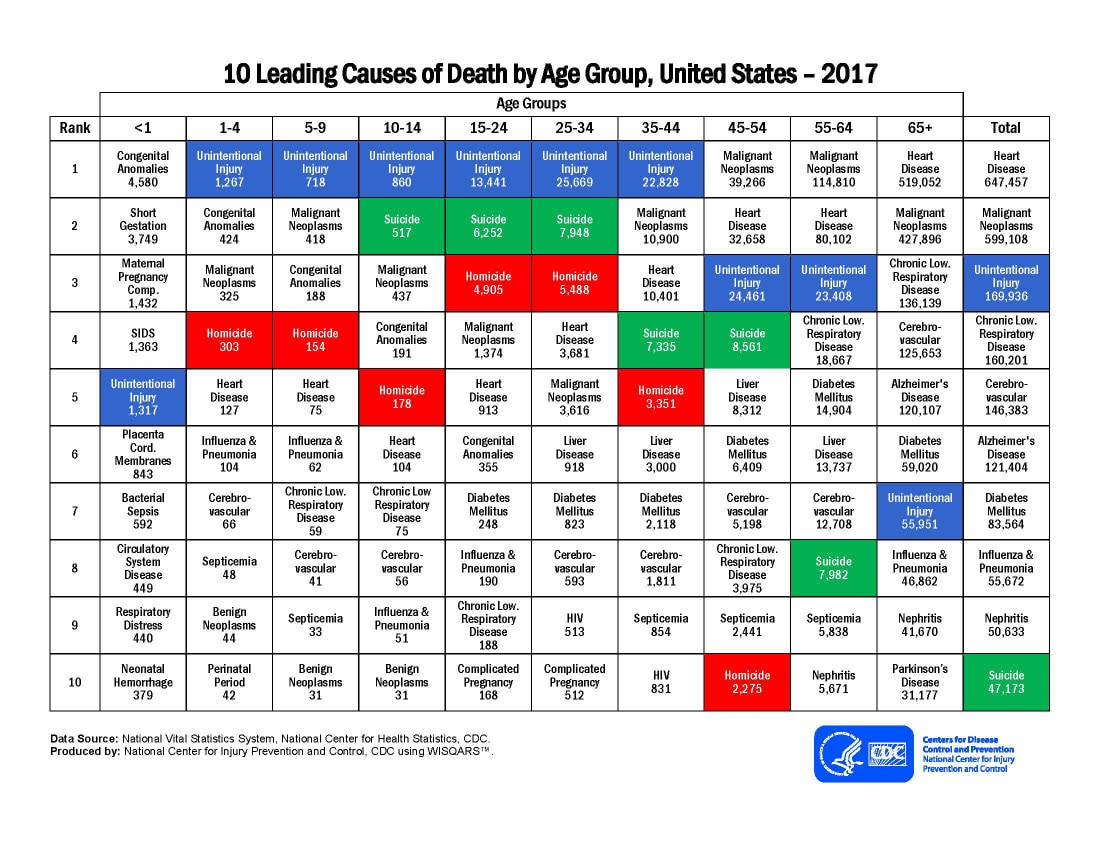
We are side-hustling ourselves into a world of stress and depression. No wonder suicide is the second-leading cause of death for people age 10–34. All work and no play makes Jack a dull boy.
The point isn’t to be practical, the point is to have fun.
The spark for this article came from an appointment with my therapist. She asked me what I was planning to do to take care of myself. I dodged the question several times until she asked a final, pointed time what my self-care plans were.
At that point, I realized that I didn’t do anything for fun anymore. Most of my self-care consisted of lying around on the couch on my phone or playing video games, which is not the most constructive self-care practice. The things I used to do for fun were either monetized or put down because I felt that they couldn’t be monetized.
No wonder I’m stressed out of my skull, I thought. I don’t do anything fun anymore.
It’s not that people don’t do things for fun these days. Plenty of people have random hobbies that they dump time and energy and money into for the sole purpose of having fun. It’s just that in a world where everyone has to be on at all times and money is increasingly hard to come by for the cogs, you have to work in several machines to get by.
So, we turn to the things that we do for fun. Some of us can afford to only make $50 or $60 a month writing a few articles on Medium. Others feel compelled to publish three articles a day and hit four-digit monthly revenue to feel accomplished. Both are perfectly fine.
However, we as a society are increasingly stressed and depressed. When we’re always on, we drain ourselves so much faster and burn out. That’s not good.
So what do you do if you recognize yourself in this article? I propose a simple solution: allow yourself to be bad at something. Try something you’ve always wanted to try and tell yourself that it’s okay if you aren’t very good at it to start, or even ever. I know a lot of people, myself included, who drop new hobbies quickly because they don’t instantly master the skill set. Don’t let yourself do that.
Find something that gives you energy, something that makes you feel happy. Pick up a skill that isn’t easily saleable. Do something that you’ve always wanted to do but isn’t practical. The point isn’t to be practical, the point is to have fun.
Do something for you and only you. Don’t let society tell you that you need to market yourself at all times. It’s hard to resist that call sometimes, but unless your passion is creating profitable businesses, you need to do something for yourself now and again.
I write a lot about self-care and how important it is. Self-care helps restore us, to make us feel more human after a long day of life beating us down. To take care of yourself is to be kind to yourself in a world that is often pointedly unkind and cruel.
For many of us, a hobby is a crucial aspect of our self-care. It’s something we do to feel good about ourselves, to restore our energy, to truly care for ourselves emotionally. Your self-care should be about you and only you. Don’t sell yourself short.