
The Surprising Things When Cheaters Cheat
The million-dollar question: should you attempt to salvage the relationship?
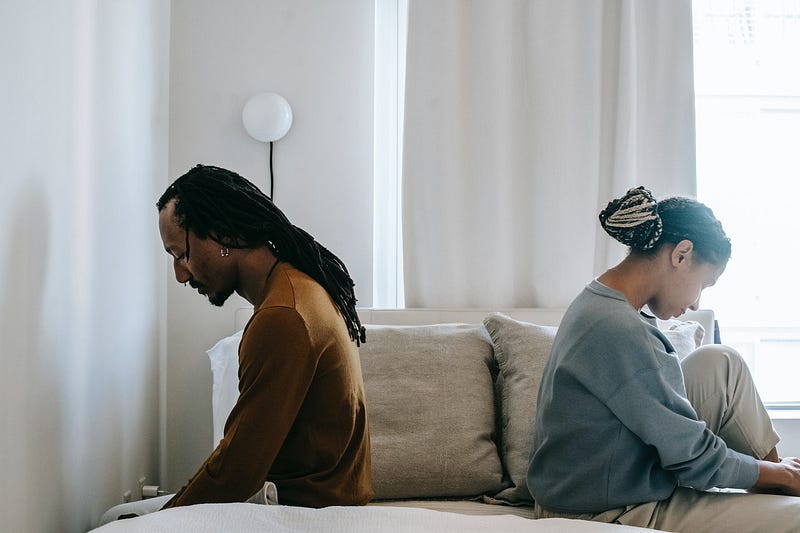
Cheating is without a doubt the ultimate relationship challenge a couple could ever face. Yet when it comes to the specifics of what amounts to cheating and what does not, cheating can be a little perplexing to pinpoint. Perhaps this is justification for the rule, if it feels like cheating it probably is.
There are divergent viewpoints because people think differently. For this reason, relationship experts advise that couples should clearly communicate the dealbreakers so boundaries are clearly defined. Though opinions on the acts that amount to cheating may vary, the effects of infidelity in relationships where faithfulness was taken for granted are more or less the same.
Erosion of trust, damage to the self-esteem of the partner cheated on, and loss of emotional stability are but some of the negative effects to contend with. Sadly, sometimes the infidelity does not just affect the partners alone as children, close family members and friends can all share in the pain and or embarrassment.

How and What amounts to cheating?
When a partner or spouse cheats it means he/she is unfaithful by being physically or emotionally intimate with someone else in violation of the monogamous agreement.
- Cheating is said to be emotional when a partner develops a deep, intimate emotional connection with someone who isn’t their committed partner. In this type of affair, though there are no physically intimate activities, there is still some attraction and flirtation at play. Note, however, many physical affairs begin this way because this connection is generally the first step for women who begin affairs.
- When it comes to physically cheating, sleeping together and other forms of sexual activities are obvious violations. There are, however, lower-level violations like kissing, cuddling, or holding hands which could find acceptance in some relationships.
In either type of infidelity, the specific behaviors that are considered cheating vary between different individuals. When researchers at the University of Michigan asked participants in a study to rate 27 behaviors on a scale of 0–100 they found, as you would expect, sexual intercourse and oral sex topped the list of what was considered definitely cheating. The two were rated 97.7 and 96.8 on the scale.
However, other behaviors like forming a deep emotional bond and sitting in laps were considered cheating only by about half of the participants (52.4 and 52.2). Sharing secrets and hugging for more than 10 seconds were even further down the scale (36.5 and 34.5).
“…sometimes the infidelity doesn’t just affect the partners. Children, close family member,s and friends and be all share in the pain and or embarrassment.”
Why do cheaters cheat?
Among the variety of reasons another study found for infidelity were lack of love, low commitment, urge for sexual variety. There were also situational factors like the cheater being drunk at the time or when she/he was not thinking clearly.
Other reasons why people cheat include esteem issues that lead a partner to seek validation or fulfillment outside the relationship. Some have cheated as a form of revenge after they discovered the other partner had also cheated.
Others just want to call it quits so they use cheating in the hopes that its revelation would hasten the relationship’s end. Low impulse control has also taken some blame. It is claimed to cause some cheaters to hungrily seize opportunities for immediate gratification.
“…other behaviors like forming a deep emotional bond and sitting in laps was considered cheating by only half of participants (52.4 and 52.2)”
The million-dollar question is: should you attempt to salvage the relationship?

Rebuilding a relationship that has been tested with infidelity can be a distressing, time-consuming process that needs a lot of effort and commitment from both sides. Before you decide to commit to the process there are questions that need answering. These questions will give a clearer view of how or if you should continue with the relationship and what you should expect.
First and foremost among these questions is, whether you are still in love with the cheating partner. Then, do you truly believe the infidelity was a one-time thing? Are there expressions of genuine remorse and regret from the cheater?
The state the relationship was in at the time the affair happened is worth considering too because it can give you a sense of the reset point you can go back to.
However, if the signals coming from the cheater show a lack of remorse over the violation and no desire to put in the work required to rebuild, then you definitely have a reason for pause. Remorse plays a pivotal role in a cheater’s ability to stop cheating.
Other bad signals include the cheater not taking responsibility for the affair or refusing to sever ties (if circumstances permit) with the person he/she cheated with.
If all these negative signs are present, then perhaps deciding the relationship cannot be salvaged may be a necessary one, painful as it may be.
“Remorse plays a pivotal role in a cheater’s ability to stop cheating”
In the end, the decision to reconcile or end the relationship ultimately belongs to partners that have been cheated on. Their feelings and expectations are the primary consideration. Moving past infidelity is possible to the extent that couples have ended up closer than they were before the indiscretion, but there is work to be done.


