
Stock market | THE ANGELUCCI BUSINESS TIMES
The Stock Market is at an All-Time High — Then Recession Looms
Whether there will be a recession or not, the market can’t always be growing without declining as well.
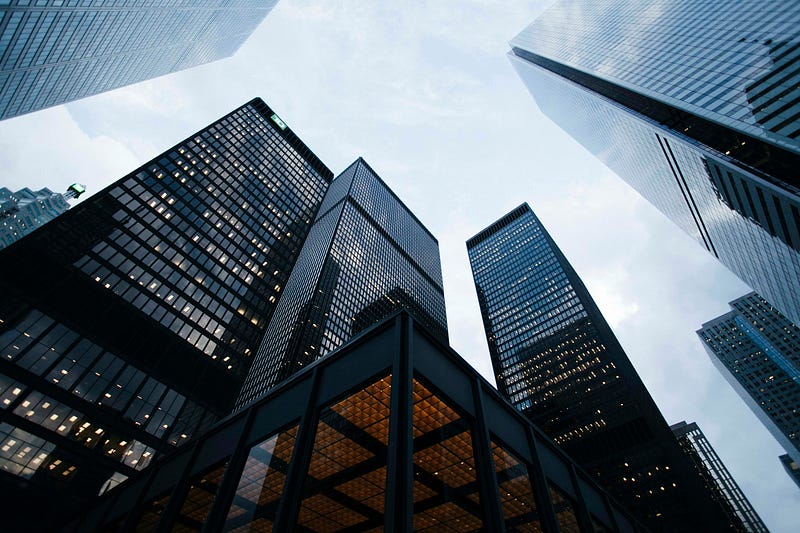
History has shown that recessions almost always occur after booming economic periods like in the 2008 crisis where the stock market was at an all-time high and then suddenly we were in a terrible recession.
We are most definitely in a time period in the economy where the stock market is expriencing an economic bubble. The prices of stocks are soaring to new all-time highs but is the economy actually doing so well to support these increases? The answer will be what happens inevitably after all this amazing growth: recession. After every economic bubble there is a period of economic downturn.

Stocks will decrease rapidly even after soaring so high during the economic bubble that we’re currently in. Eventually, the bubble always bursts, yet most people aren’t worried about the burst. Most investors are too excited about their rapid gains to remember that stocks always have a decrease after immense increases.
I’m not an economist, but not even most economists have a good idea of what’s going to happen to the economy because it’s way too unpredictable. The stock market shouldn’t be reaching new all-time highs, and yet it is. That shows exactly how unpredictable the economy is.
What economics does tell us is that stocks will always go down eventually even after rising to all-time highs and still growing in a bull market. Eventually prices fall and the bear market begins. I think that most likely the stock market will go into a bear market in 2024.
Ever since the rise of stocks — especially technology stocks, in 2020, prices haven’t been very stable and have been increasing rapidly as the stock market reaches new all-time highs.
Some recent examples of these massive increases in stock price in such a short amount of time are explained in the articles below.

The most recent bubble was in 2008, when the housing market dropped around 30% and houses were at significantly lower prices than usual. At the same time, banks were lending out loans to people who normally wouldn’t qualify for a loan and those borrowers ended up not being able to pay back their loans.
At that time, practically nobody expected the 2008 recession to occur and affect the stock market. Everyone was focused on their portfolio’s immense growth to worry about a potential recession coming afterwards. The Dow Jones had fallen 50% by March of 2009.
While it might not be the best idea to expect history to always repeat itself when it comes to asset classes like stocks, we can still learn the causes of the past recessions and bear markets and be wary of being too greedy in how we invest right before an economic recession begins and the entire stock market tanks in value.
As one of the many masters of the stock market said himself during the 2008 financial crisis:
“Be fearful when others are greedy, and be greedy only when others are fearful.” — Warren Buffet
Thank you for reading the Angelucci Business Times. Please let our newspaper know what can be done to make this story better for you by writing a comment or sending an email to [email protected].
Angelucci Business Times looks forward to hearing your suggestions so our stories can only be of the highest quality for our valued readers.
You may also be interested in reading:


