
Writing —Travel & Photo Stories
The Statue of The Runaway Slave and a Rainforest Spring
Exploring hidden gems in Trinidad & Tobago
Every week or two we head to the beach. For my husband and I, it’s more than just fun and sun, it’s soul-saving. The sea air refreshes and taking a dip in the ocean, it’s said, serves to cleanse the body of sins and impurities.
The only thing serving to be somewhat of a downer is the drive. Even though it’s only around 30 miles, it’s 30 miles of predominately narrow, death-defying roads and, at times, heavy traffic, especially on the way back.
Still, it’s a small price to pay for so much utter joy. The drive takes us through the beautiful and majestic mountainous rainforest of northern Trinidad.
As we climb higher into the mountains, the temperature cools nicely — we turn off the air and roll down the windows. I stretch out my hand to feel the breeze rush through my fingers. Such rejuvenation!
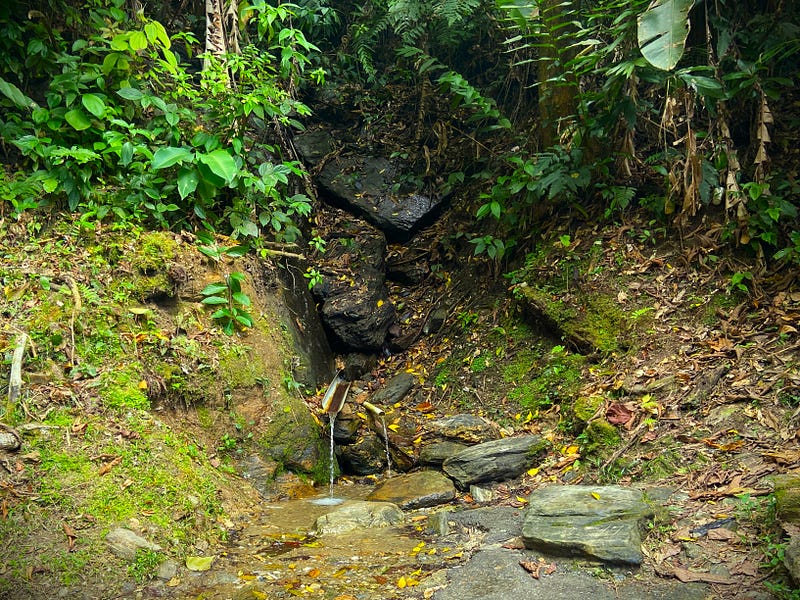
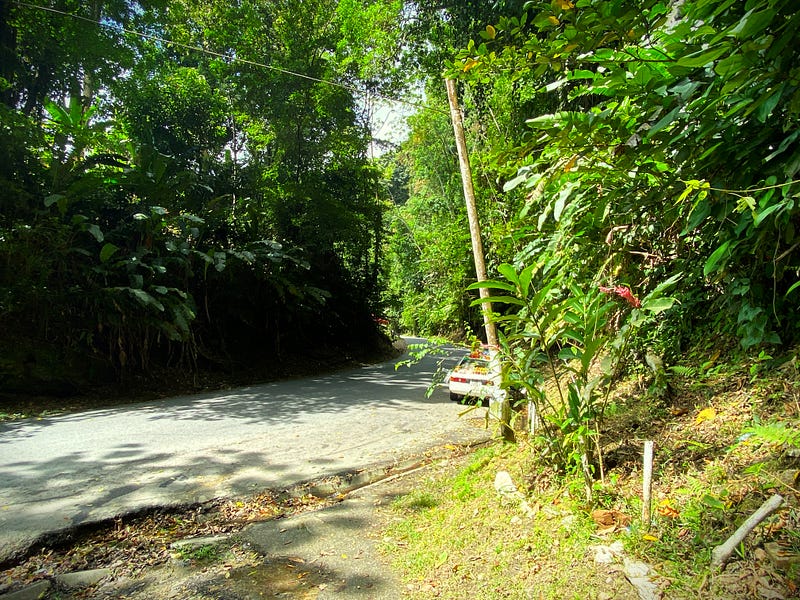
Along the way there is a rather unassuming natural spring (pictured above). I always wanted to stop and check it out, but normally my husband is impatient to get to the beach to secure his Bake and Shark and a choice beach spot. This time though, I actually got him to stop on the way back.
Of course, he ended up being glad about this. Go figure!
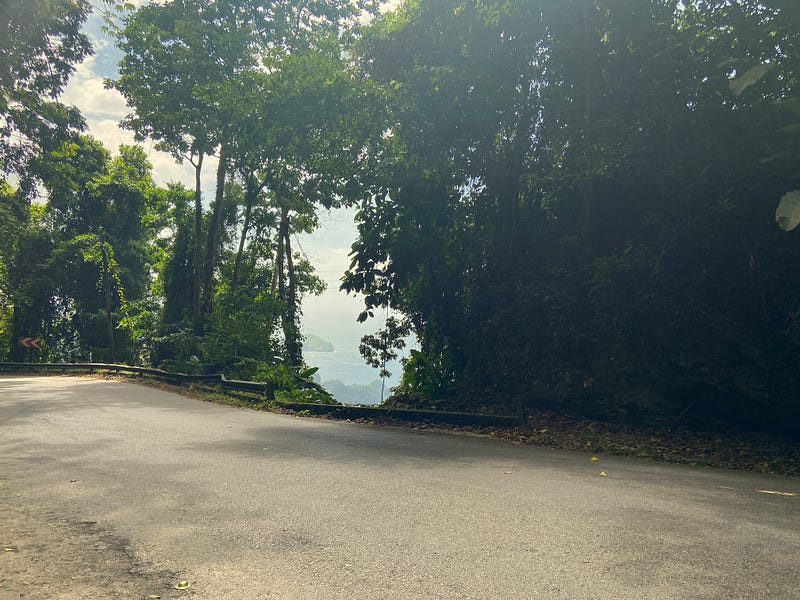
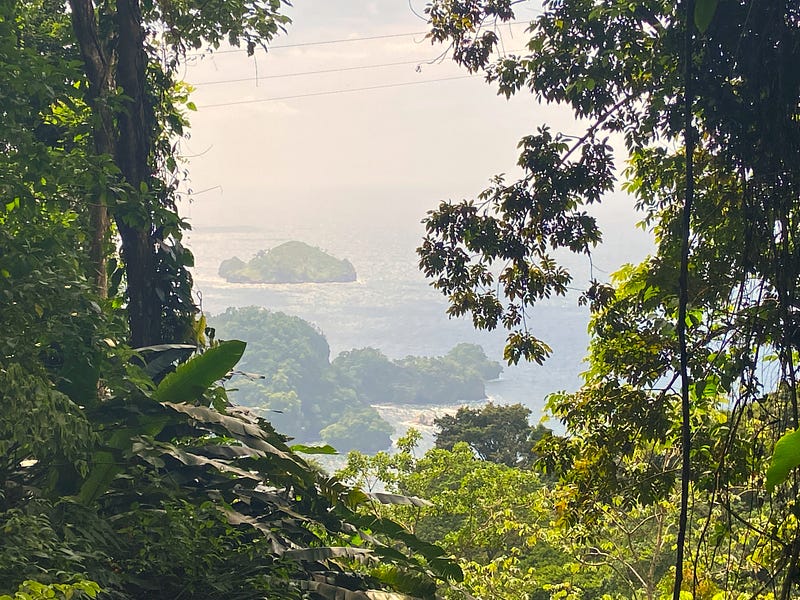
The water flowing from the spring is cold and clear. Rumor has it that the water is blessed and so people often stop at this spot to drink, splash a little on their bodies or catch some in a container to take home. There’s also an impeccable view, which is hidden until stopping and having someone point it out.
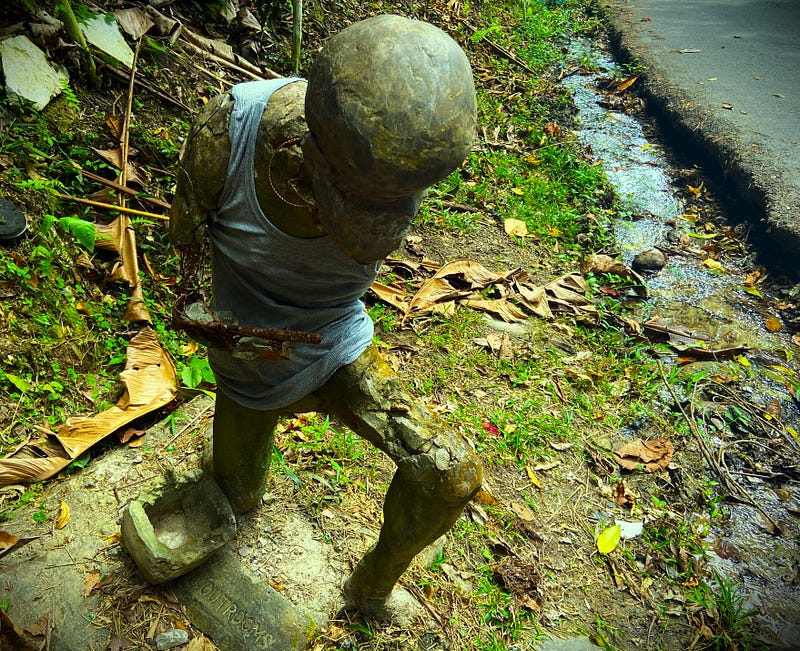
Nearby, there is a small statue I always found curious when driving by, but knew nothing about. As we came to find out though, this statue had been crafted in honor of the runaway slave.
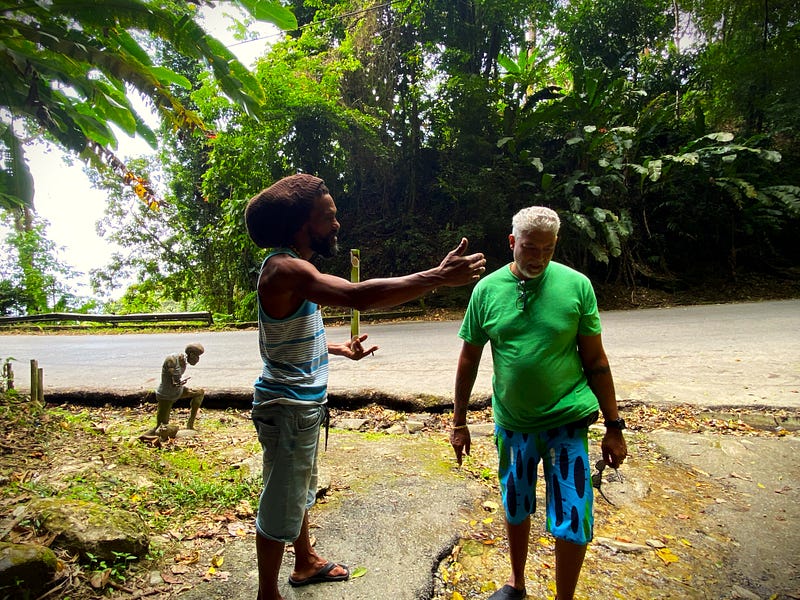
The same man is always parked near the spring and the statue. At first, I figured he was there to take advantage of a choice vending spot. He has wares to sell — snacks, incense sticks, trinkets and various other items — all spread out over his car, which doubles as a storefront.
Of course, he ended up being glad about this. Go figure!
After stopping to chat though, I realized that he has another far more important job to do. As we discovered, he is a remarkable storyteller and mountain guide. He’s the one who filled us in on the story behind the statue of the runaway slave.
Like most of the Americas, Trinidad’s history is one of indigenous people, the arrival of colonists and, of course, the hideous practice of slavery.
At first, slaves were made of the indigenous tribes of people who lived here, namely the Caribs and the Arawaks. When they proved to be too troublesome, slaves were then plucked away from various African countries. When they proved too troublesome as well, eventually people from India were brought in as indentured servants.
This humble statue was crafted in honor of those wonderfully troublesome slaves who fought bitterly to free themselves from their evil captors. They would run away into the jungle-like rainforest and form dwellings of their own.
From the photo above, you will see that the statue of the runaway slave is not in such great shape— this is because the statue has been crudely vandalized. The bowl sitting on the ground should be in the man’s hands.
The statue itself honors the runaway slaves who sought asylum in these mountains. Indeed, it would have been a great place to hide out. They could live peacefully amongst the thick trees and foliage and not be subjected to the bitter cruelness of slavery — not hard to surmise that most colonists might have been on the lazy side.
The mountain springs would have been a welcome sight, too. The bowl in the man’s hands signifies reaching out to fill the bowl with cool water after what was undoubtedly a long harrowing journey to free themselves.
While there are many aspects of our simple visit to this mountain spring that I ended up finding mind-blowing, perhaps none so much as the discovery of an unassuming man selling snacks who proved to be such a wise and conscientious storyteller.
Additionally, he’s the one who pointed out the magnificent view of the ocean below and a particular set of small islands, which proved to be interesting in itself. If this hadn’t been pointed out to us, we simply wouldn’t have seen it at all. My photos don’t do it any kind of justice.
This whole experience allowed me to think of storytelling in a more general sense and the incredible power it can have — an important power for sure — one that may serve to transform an ordinary day into an extraordinary day.
Check out more stories from our fabulous writers here at Globetrotters.
More of my Trini-inspired stories:


