
The Sober October trap
Given how much I write about sobriety, you’d think I’d be all for Sober October
Given how much I write about sobriety, you’d think I’d be all for Sober October.
And I am in principle.
I think anything that gets people not only thinking about the benefits of life without alcohol, but actually experiencing them for a short period of time, is probably a good thing.
Here’s the problem though.
I’ve read a lot of articles now from people who are currently taking part in Sober October and/or Dry January or have done so in the past, and they all seem to follow the same format.
The writer wants to experience health benefits from not drinking. The writer has tried sober months before and loved it. The writer feels great again after X days. Eventually the writer plans to start drinking again (and later writes an article confirming it).
One line I see used over and over again in these kinds of articles: “I wanted to prove to myself I could do it.”
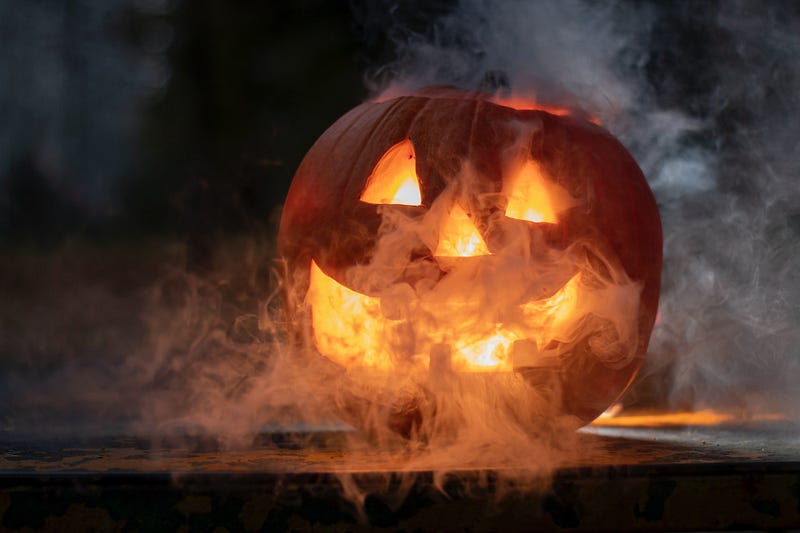
The trap is set
This is where I think months like these — Sober October and Dry January — can be detrimental to long-term health and sobriety.
For some people, I think Sober October provides at best a false sense of security and at worst justification to continue drinking.
If you need to prove to yourself you can stop drinking, is it possible that you already have a problem?
I’m not being judgmental. I did this for many years.
Many times, I pulled the “I don’t have a drinking problem. I can stop any time I want to. I just don’t want to.”
Intrinsically I knew the whole time that I DID have a problem, but I was using small alcohol-free phases — a few days here, a week there — to prove to myself I could do it and thus continue drinking guilt-free.
Alcohol is sneaky
Oddly enough, people write about all the great health benefits they’re experiencing without even realizing how tricky alcohol is. How it keeps fooling them into coming back.
I touched on this recently, but I think it’s worth revisiting in this context.
During one of my earlier sober streaks (I’m currently on Day 63), I’d reached about 60 days without drinking when a group of parents from my son’s competitive sports team went out for breakfast after an early morning practice.
One of the dads mentioned how he’d done Dry January and felt better than he had in years. In fact, he’d pushed it all the way into mid-February.
He’d mentioned that he had a trip booked to a sun destination coming up, and I asked: “So, are you going to keep going with the no drinking thing?”
He laughed.
“Oh God no!”
As far as I know, that was the end of his short-lived sobriety.
That’s how insidious alcohol is.
We have to prove to ourselves we can avoid it and, while we dabble in that experience, it just lies in wait for us.
Even with the newfound knowledge that life is so much better without it, we slip back into its clutches.
Maybe it’s because we had a bad day. Maybe it’s because we had a good day.
It waits just long enough for us to return to our baseline good health, at which point we go, “I feel awesome, surely I can have just one drink!”
It’s never really one, is it?
If you’re interested in finding out how great life can be without alcohol, by all means use Sober October as a jumping off point.
Quitting alcohol really is amazing. You’ll be happier, more energetic and way more productive (I say as I tap away on my 65th article since late August).
Just be careful that you aren’t using Sober October as an excuse to keep drinking heavily for the other 11 months of the year.
Thank you so much for reading this article all the way to the end! If you enjoyed it, please give it a clap so others can find it! If you really enjoyed it, you can give it more than one by holding the button down.
My latest:
- How much your bottle-a-day alcohol habit is ACTUALLY costing you
- Luck saved sobriety for country star Walker Hayes
- When alcohol trapped Gwyneth Paltrow
My most-read articles:
- The one priceless book that kicked off my quit alcohol journey
- Why I finally decided to quit drinking alcohol
- What musician James Taylor taught me about sobriety — and myself
- It’s hard to stay fit when drinking alcohol — just ask AJ McLean
- Cheryl Burke reveals key to avoiding alcohol
Have you found Medium via this story but aren’t yet a member? Did you know membership starts at just $5 a month (and you can cancel any time)? There’s no risk and you get access to all Medium has to offer. To continue reading stories like this and give me a ‘lil kickback, please consider supporting this publication directly by using my link to sign up! You can also leave a tip using the button below if you enjoyed this article!


