
The Sleep Studies from Hell
The cruel history behind how puppies and other animals taught us sleep is essential
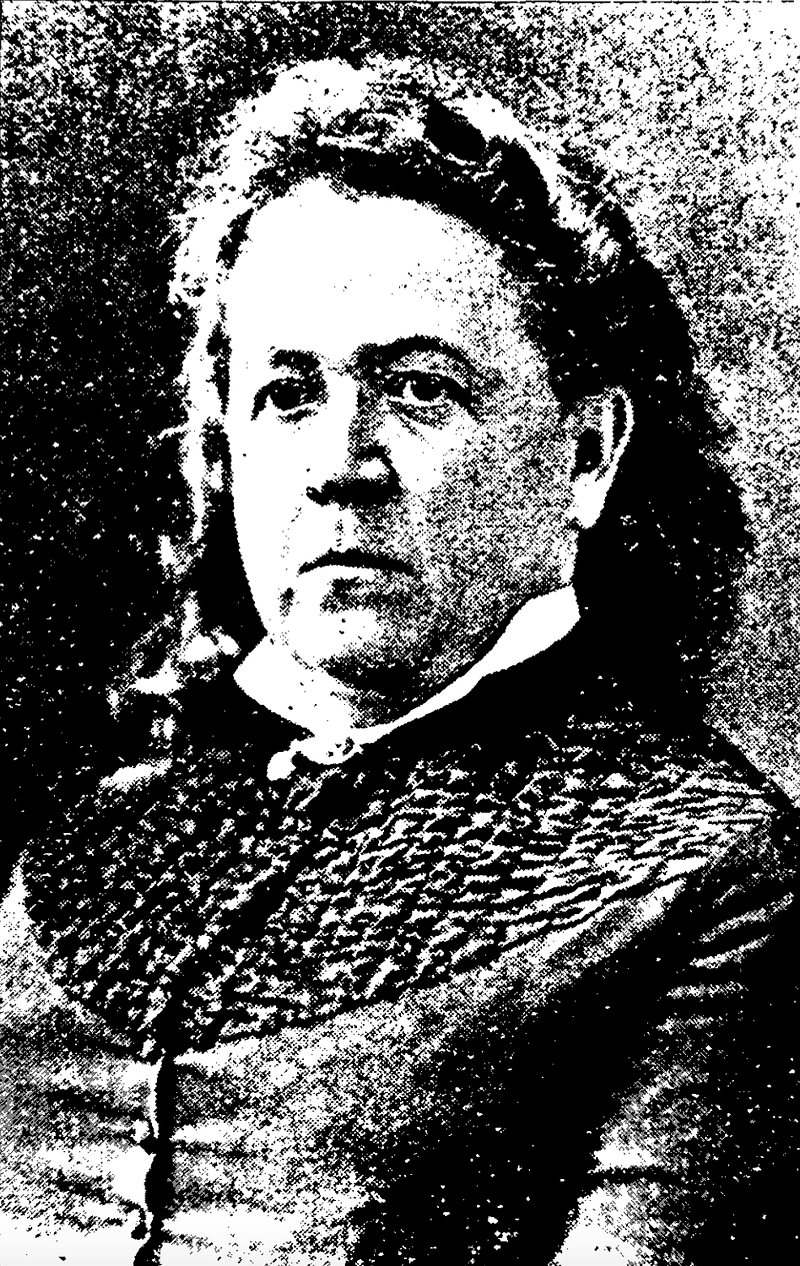
Maria Manasseina’s sleep studies…
In the early 1870s in Saint-Petersburg, a Russian physician-scientist named Maria Mikhailovna Manasseina conducted research on the essential nature of sleep using puppies between 2 and 4 months old. The sentimental image of this idyllic project involving a pile of puppies soon turns dark as we see Manasseina and her assistants work around the clock to keep the puppies relentlessly active and awake. Sleep deprivation is a universal method of torture, from ancient China to modern police states and black ops all across the world.
As the sleep deprivation continued day after day, the puppies’ temperatures dropped, their blood thickened, their reflexes slowed, and they became weak and floppy. The puppies’ pupils slowed or stopped responding to light, and despite feeding more and more from their mothers, they lost weight. After four to five days of total sleep deprivation, all of the puppies died. Manasseina noted that sleep was more essential than food since puppies could withstand between twenty and twenty-five days without food (another experiment she conducted) and still be restored to health with the gentle restoration of feeding. But puppies totally deprived of sleep for four or five days could not be rescued. They all died.
This study from hell was our first direct experimental proof that sleep is an essential biological function. Yet, to this day we still do not understand how or why that is.
We spend about a third of our lives asleep if we are lucky. Eight hours a day. Thirty-three years out of a century. For something that consumes so much of our time, we hope it is important, useful, even essential. And indeed, it is. Without sleep, we sicken and eventually die. Many work-places today schedule multiple or extended shifts and tamper with workers’ sleep, so we need to understand this basic biological process and how to manage the ill effects of disrupting it. Many traffic accidents and fatalities may be caused by sleep deprivation, which suggests managers may be playing with fire regarding their employee’s lives when they casually juggle shift schedules.
Sleep is an ancient, evolutionarily conserved behavioral pattern…
Sleep is biologically important, as shown by the variety of animals that sleep. One question we might ask is: how conserved is sleep across the range of animal species (conserved here means something essential so that over evolutionary time it has changed little). We see mammals and birds sleeping. Everything from bats hanging upside down, wings wrapped into leathery cocoons, to sperm whales sleeping vertically, like huge columns holding up an Atlantean temple, to birds on a wire, head tucked under a wing as if whispering secrets into their feathers… We see these animals settle down and close their eyes, their breathing slows, muscles slacken, they become unresponsive, sometimes their limbs or bodies twitch or make running movements while lying down— and we point to our puppy and whisper “They’re dreaming”. We catalog our own sleep behaviors and apply them to other species — and we recognize animal sleep as similar to ours.
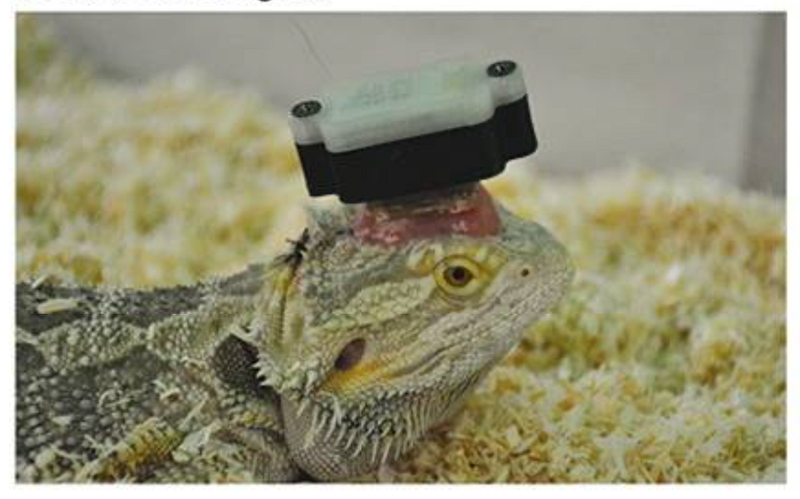
A common way to more quantitatively analyze sleep is to record brain and/or muscle activity. Tools like electroencephalography (EEG) and electromyography (EMG) record patterns of brain or muscle activity from which we can identify patterns typical of sleep or wakefulness. Sleep researchers have sub-divided mammalian sleep into two states discernable by EEG: rapid eye movement (REM) sleep, and non-REM (NREM) sleep. One study by researchers from Université Claude Bernard in Lyon, France used EEG to show lizards share a mammalian-like two-state sleep pattern, suggesting that: “these two [sleep] states arose with the common ancestor of mammals, birds, and reptiles”.
In addition to common behavioral and electrical characteristics used to define sleep in larger organisms, some surprising biological molecules also appear to have been evolutionarily conserved across species. We find molecules such as salt-induced kinases (SIK3), epidermal growth factor, cyclic adenosine monophosphate, melanin, melatonin, and others implicated in sleep’s molecular pathways. These molecules are conserved across an incredibly broad range of species and play a role in sleep in each. Animals looking nothing like us share a complex behavior like sleep with us, along with the molecules controlling sleep (this fact then opens the door to ask what other complex behaviors do we share with all animals).
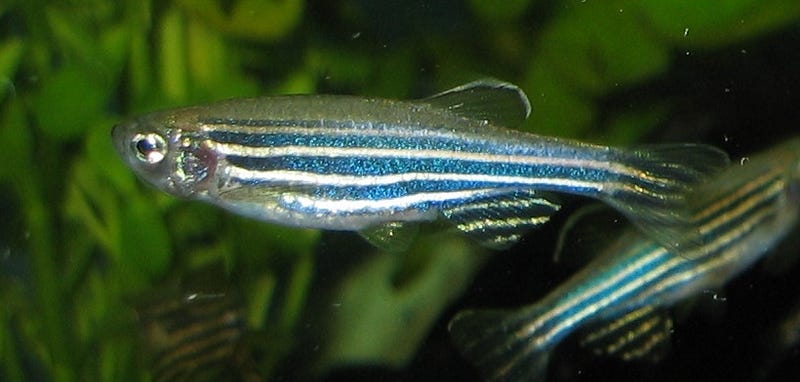
It is possible to obtain EEG or EMG recordings from smaller and simpler animals than mammals and birds, but it is technically challenging and expensive, so scientists use other methods. Researchers combine electrical with behavioral and molecular methods to study tiny animals like one of biology’s favorite model organisms, the zebrafish. One study at Stanford University found the two-state mammalian sleep behavior in fish and the authors concluded: “neural signatures of sleep may have emerged in the vertebrate brain over 450 million years ago”. This study genetically modified zebrafish to express fluorescent signals instead of using electrodes to record brain electrical activity. Non-invasive microscopy showed fish brains displaying a two-state sleep similar to mammals and birds. The Stanford researchers also showed zebrafish used melanin and melanin-concentrating hormone as key regulators of sleep, like mammals.
Sleep researchers have focused on the brain, assuming sleep is a characteristic behavior in creatures with a central nervous system or brain. So, we watch with fascination as scientists discover more animals with smaller and simpler central nervous systems also displaying sleep-like behaviors and characteristics.
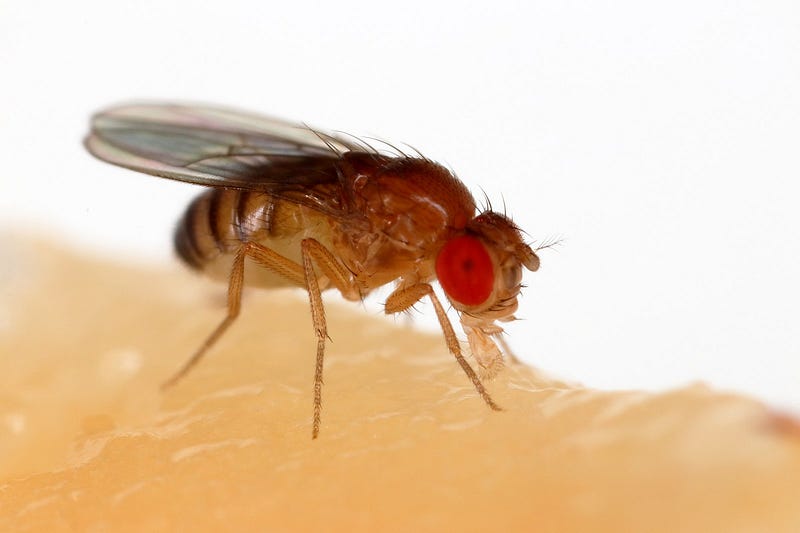
Like in the zebrafish, a combination of behavioral and molecular methods is necessary to detect sleep in even simpler organisms such as fruit flies (Drosophila melanogaster) and roundworms (Caenorabditis elegans), two other popular laboratory organisms. Studies with combination methods showed that even simple organisms like fruit flies and roundworms exhibited behaviors looking very much like sleep. Fly researchers found that molecular markers of sleep behavior in mammals also operated in flies. The worm researchers also found genes implicated in sleep-like behaviors in flies also operating in worms, and suggested: “this sleep-like state has a role in growth and development…promotes nervous system change.”
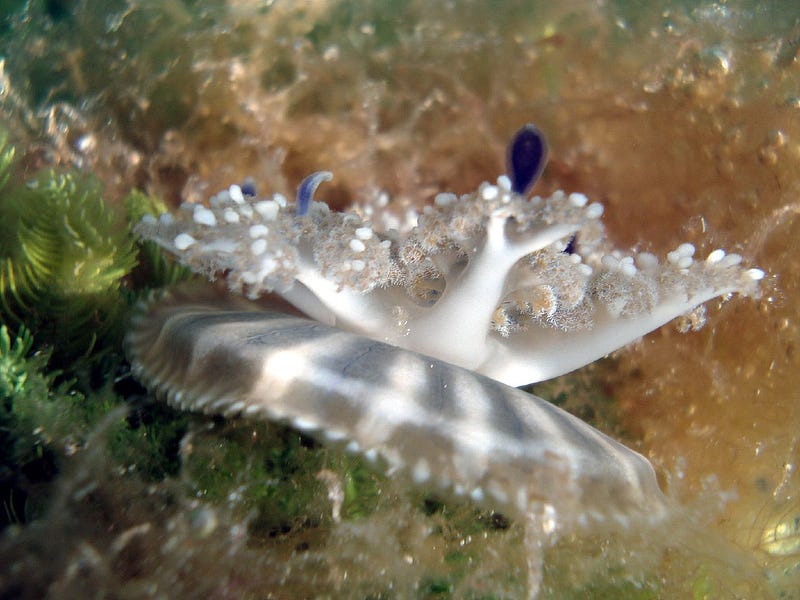
In 2017, researchers at the California Institute of Technology showed jellyfish, which do not have brains, also showed sleep-like behavior, suggesting: “sleep arose early in the metazoan lineage, prior to the emergence of a centralized nervous system”. The authors noted melatonin is a highly conserved molecule that has been shown to promote sleep in vertebrates from zebrafish to humans, as well as in invertebrates. Their data showed melatonin also induced sleep-like behavior in Cassiopea, the jellyfish they studied.
So, sleep is important. It arose very early in evolution. Before mammals, birds, lizards, or amphibians, before vertebrates, before jawed-fish, before a bilateral (left-right mirror-imaged) body plan, and even before brains… sleep (and the molecular pathways that induce sleep) appears to be so important it has been with us since the dawn of complex multicellular animals.
Although it is fascinating to know through these studies that sleep is a common behavior in everything from jellyfish to humans, we still don’t know how sleep is important to such a wide array of species, and why it has been conserved through all this evolutionary time. We infer sleep’s importance from the fact it has been so well conserved.
Lack of sleep kills…
One way to test if something is important is to remove it and see what happens. Just like Maria Manasseina’s sleep deprivation study with puppies. She removed sleep from puppies and found they died within a week, so she concluded sleep is essential. But is sleep also essential for humans?
It turns out there is a human condition called Fatal Familial Insomnia (FFI) which sheds some light on the essential nature of sleep. FFI is an incurable inherited disease caused by a mutation in the gene called Prion Protein (PrP). People with FFI suffer worse and worse insomnia and eventual death, usually within months after the onset of symptoms.
A fascinating two-part case study (published here and here) of a fifty-two-year-old white American man with a doctorate in naturopathy, showed what happens when a genetic condition prevents sleep. This energetic and enthusiastic patient, known only as DF, attempted to manage his own FFI symptoms and appeared to extend his survival time by almost a year. DF used various methods, most prominently a rotation of sleep medications and stimulants about fifteen months into his illness, but also vitamin supplements and exercise early in the course of the disease. He wrote a book, and drove a motorhome across the US, and befriended FFI researchers with his charm and humor. But eventually DF, like all others with this disease, died.
Still, does FFI prove lack of sleep causes death, that sleep is essential? Could the mutation in PrP prevent the work of other essential biological functions, and insomnia happens to be a side-effect of the disease? Unfortunately, autopsies of patients with FFI tend to focus on the brain, since the accumulation of prions and lesions in the brain is the classic marker of related prion diseases such as mad cow disease and Creutzfeld-Jakob Disease. For now, we don’t know, and FFI remains a rare and fatal genetic disease that hints at the essential nature of sleep in humans.
Designing the sleep study from hell…
Over the hundred years since Manasseina’s morbidly inspiring experiments, scientists have tried to understand the biological role of sleep by depriving laboratory animals of sleep and analyzing the effects. Manasseina conducted autopsies on the puppies and found no obvious signs of degradation in any organ system except the brain, where she noted some pathological changes. One thing we have learned over the past century is all animals die without sleep, from invertebrates like flies and worms on up to humans (if we include the informal experiments conducted in torture chambers around the world).
Legions of researchers following Manasseina have performed variations on her studies into the early decades of the 20th century, using various methods of keeping animals constantly awake until they perished. They used various methods to analyze the organs and cells of the deceased animals. Yet, their results were fundamentally no different from hers. Older dogs, for example, were more resilient than puppies but they eventually succumbed as well. The anatomic cause of death also remained elusive. Aside from the inconclusive nature of the results, a critical weakness in all these studies was the inability to clearly point to the cause of death. For example, did lack of sleep or did excessive stress kill the animals? Was the researcher’s constant prodding of the experimental subject to keep it awake causing so much stress, that the actual cause of death was stress rather than lack of sleep?
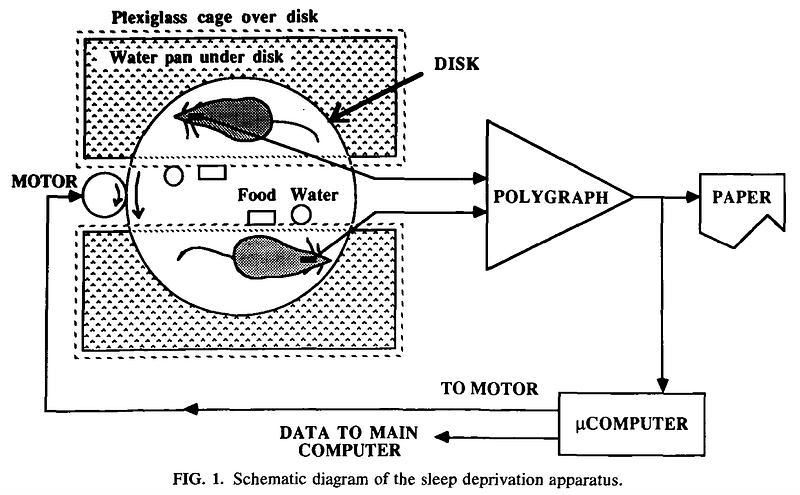
In 1989, Allan Rechtschaffen’s lab at the University of Chicago designed a brilliant way to address this lack of experimental control. Rechtschaffen performed a then-novel sleep deprivation study using rats. A turntable centered between two cages kept a rat in each cage out of water, and remained stationary when the rats were active. The turntable automatically rotated and forced both rats into the water only if the experimental rat started to fall asleep, and triggered an electrode implanted in its brain. The control rat could sleep whenever the experimental rat was awake. All ten experimental rats (aged between four and six months) died within eleven to thirty-two days (normal average life span is about three years). The control rats remained healthy and survived. Autopsies showed no obvious anatomic causes of death, just like Manasseina’s puppies. However, importantly, since both experimental and control rats were subjected to the same levels of immersion and physical activity and stress, the researchers concluded lack of sleep killed the rats.
But how?
Linking sleep to the gut…
Many studies ask what normal biological processes are affected by less extreme sleep deprivation (or conversely what genes or biological processes, when altered, disrupt normal sleep). Using such methods, sleep has been associated in recent studies with energy conservation, temperature regulation, toxin removal from neurons, tissue restoration, and learning and memory among other biological processes. Sleep may have evolved multiple important biological roles as life emerged from the muck of a stagnant pond and stretched toward a prehistoric sun or sprinted savagely toward a herd of thundering prey across the fern-studded landscape. But understanding which, if any, of these processes are linked to the original or essential nature of sleep has continued to stymie the sleep field.
An interesting hypothesis links sleep, microbial infections, and the gut. A fascinating study at the University of Tennessee examined the effects of Staphylococcus aureus infections on sleep in rabbits, and found changes in sleep (increased NREM and decreased REM sleep) may be an adaptive response to infections. Going the other direction, sleep deprivation was shown to impair immune defenses leading to increased bacterial invasion of the host through the gut lining.
A new study done at the Harvard Medical School suggests a compelling link between sleep, the gut, and the lethality of extreme sleep deprivation. The study led by Dragana Rogulja used the genetics workhorse, Drosophila melanogaster, to show increased sleep loss leads to increased levels of reactive oxygen species (ROS), otherwise known as free radicals, in the gut. ROS accumulated in the fly gut no matter how sleep was eliminated, genetically, mechanically, or with RNA silencing methods against genes known to regulate sleep. The Harvard study found similar ROS accumulation in the guts of sleep-deprived mice, showing the damage mechanism of sleep deprivation is conserved from invertebrates through mammals. The most interesting finding was antioxidants introduced by any means into the gut, whether by ingestion or genetic overexpression of antioxidant enzymes, eliminated the lethality of sleep loss. With high levels of antioxidants in the gut, flies could be kept constantly awake and retain a normal lifespan.
The gut ROS study by the Rogula lab is fascinating but also raises more questions about the lethality of sleep loss, passing the uncertainty on to the next level of detail. Are gut ROS a byproduct of normal cellular processes which sleep acts to clear out daily (and therefore loss of sleep results in increased ROS)? Or are the gut ROS normally at a low level and somehow sleep deprivation directly causes the increase in ROS?
While we speak often and casually about antioxidants in our diets (with my favorite new fact: dark chocolate is loaded with them), in our modern sleep-deprived economic society, this newly discovered ability of antioxidants to reverse the lethal effects of sleep loss may be among the more powerful reasons to add them naturally to our daily routines. Poor sleep is thought to underlie a whole host of health problems and ultimately leading to a low quality of life and premature death. Of course, we ideally should wait for the field to progress and for double-blind, placebo-controlled, randomized clinical studies for confidence that antioxidants are indeed useful in humans as well for reversing the damage of sleep deprivation.
Last thoughts on Madam Manasseina…
I think Maria Manasseina would have thoroughly appreciated the evolution of sleep research over the past century. While working at the Polytechnic Institute in Vienna from 1870–71, she discovered cell-free fermentation of alcohol (decades before Eduard Buchner who received the Nobel Prize for his claim to the discovery of cell-free enzymatic action-driving fermentation without ever citing Manasseina’s work).
Her obvious comfort with experimental and quantitative approaches to difficult questions suggests she would have been very receptive to the blossoming of Mendelian genetics which occupied early 20th-century biology soon after her death, in 1903, followed by rapid advances in molecular biology spurred by the incursion of physicists into the study of life after World War II. Not forgetting the genomics revolution enabled by the contributions of computer and data scientists to the analysis of massive amounts of data produced by biology experiments. Experimental methods have clearly evolved with the advent of electrode-triggered mechanical sleep disruption, to genetic manipulation of model organisms that disable sleep pathways upon exposure to heat or light, to the application of pharmaceuticals like RNAi to disrupt sleep regulatory genes, but the goal remains the same: disrupt sleep and find out what went wrong in the animal, whether puppies, rats, fish, or flies.
Manasseina’s experiments were horrific and cruel, and I am sure they were extremely difficult for her to do. Nonetheless, her contributions were seminal and the field continues to make progress today despite the inherent difficulties.
Thank you…
Thank you for reading, and please share!
If you liked this, please check out my more personal story on empathizing with animals.
And this one on the genomic sequence of the tuatara, the last survivor of a once dominant reptile order from before the age of dinosaurs.
And finally, here are a few more additional references on lack of sleep, aside from the ones already hyperlinked within the body of my article above:
https://www.bbc.com/future/article/20160118-the-tragic-fate-of-the-people-who-stop-sleeping
