
The Silent Killer: A Deadly Fungus Takes Over California
America has seen an invasion of the world’s most poisonous fungus. The death cap has invaded California, producing an army of its own clones.
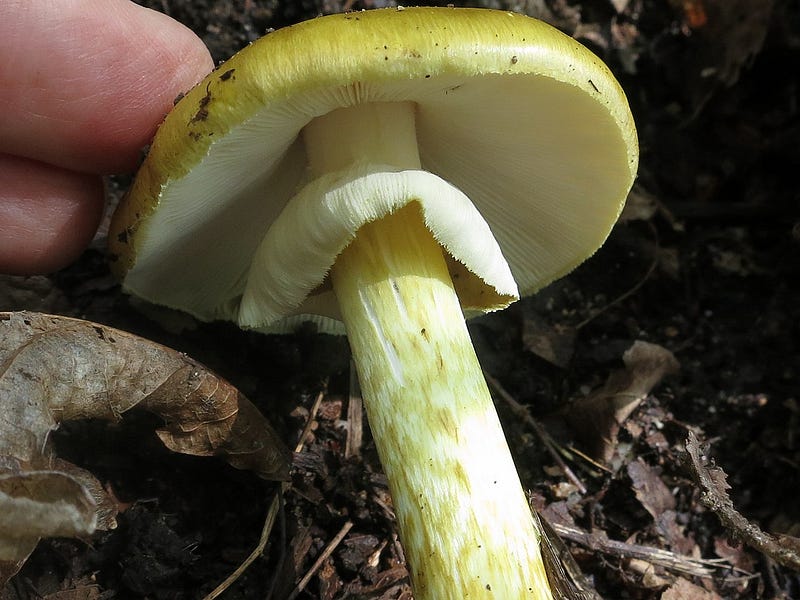

The death cap is the world’s most dangerous fungus. It is responsible for 90 percent of mushroom poisonings, which are fatal in their consequences. Anyone who goes mushroom picking in the autumn will sooner or later come across it.
The same has been true for some time for residents of California. Indeed, the fungus has spread in this American state using two clever techniques. First, it has learned to enter into symbiosis with different species of trees. Second, it acquired the ability to switch from sexual to asexual reproduction. That is, it learned to produce its own copies.
As the researchers write in a paper published on the scientific preprints site biorXiv.org, the invasion of this fungus follows a similar pattern to that of the most successful colonizers among either plants or animals.
Where did the California red toadstool come from?
The death cap (Amanita phalloides) is an invasive species. It used to be found only in Europe. It now grows on every continent except Antarctica. Its spores are believed to have arrived in North America in the 19th century, along with tree seedlings imported from Europe.
There, the toadstool quickly gained a new skill. In Europe, this fungus enters into a symbiosis only with the oak tree (although it can also grow under other trees). That is, only from the oak can it obtain the sugars it needs to live, in return for which it supplies the tree with water and minerals.
In America, sorrels have also established partnerships with other tree species. In 1938, the fungi were spotted at the Del Monte Hotel resort in Monterey, California, where a cork oak (Quercus suber) was growing. Soon the fungus was found living in symbiosis with evergreen oak (Quercus agrifolia), and then also with pines, beeches, birches, spruces or hornbeams.
The fungus has spread throughout the Bay Area — that is, the counties surrounding San Francisco and San Paulo bays. There are now more of it there than in its native Europe.

Changing the way the toadstool reproduces
What was the reason for this success? In Europe, the firefly reproduces sexually. That is, in order for a new individual to form, a combination of genetic material from different fungi is needed.
In America, however, things are different. As a new study has shown, overseas, the mushroom has “learned” to reproduce asexually. This way is often used by fungi that produce their own copies in various ways. And that’s exactly what the labradors in California are doing. A study of their DNA has shown that many of the sorrels there have identical DNA. That is, they are de facto clones.
Interestingly, this ability to “switch” to asexual reproduction has only been acquired by the California death caps. Those from the state of New Jersey continue to reproduce sexually. Scientists have hypothesized that mushrooms “switch on” asexual reproduction when they begin colonizing a new region. Once this is successful, they return to sexual reproduction.

What does a labrador fly look like?
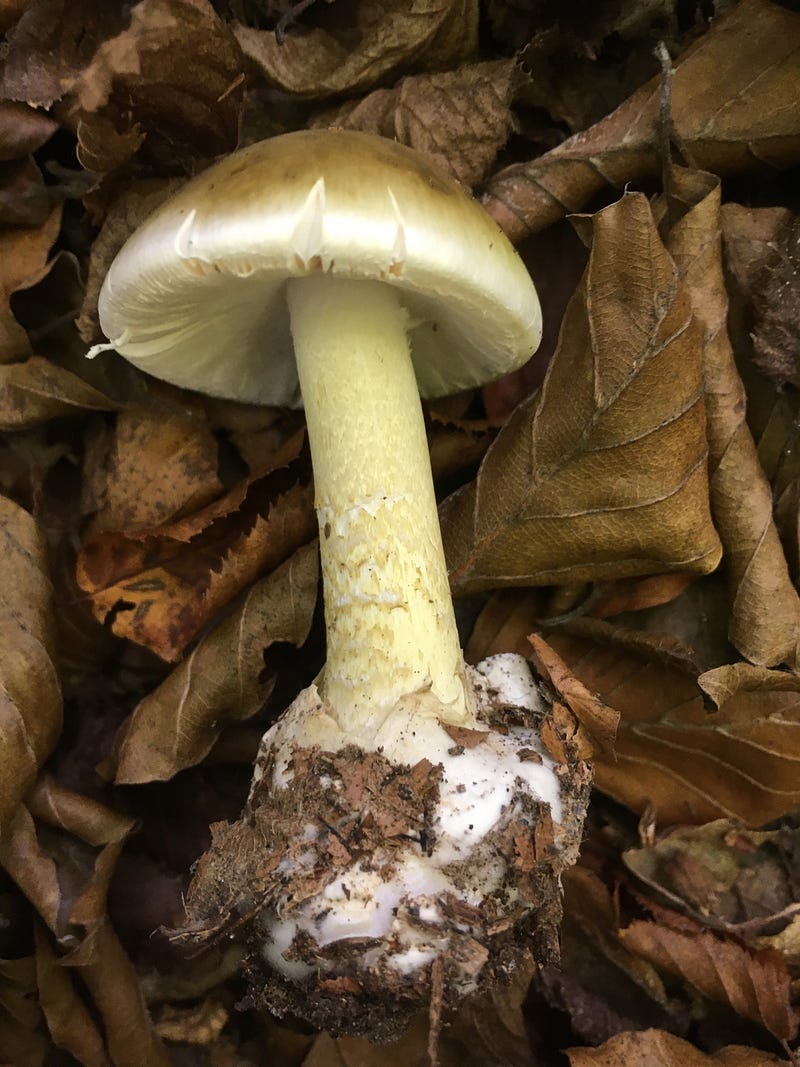
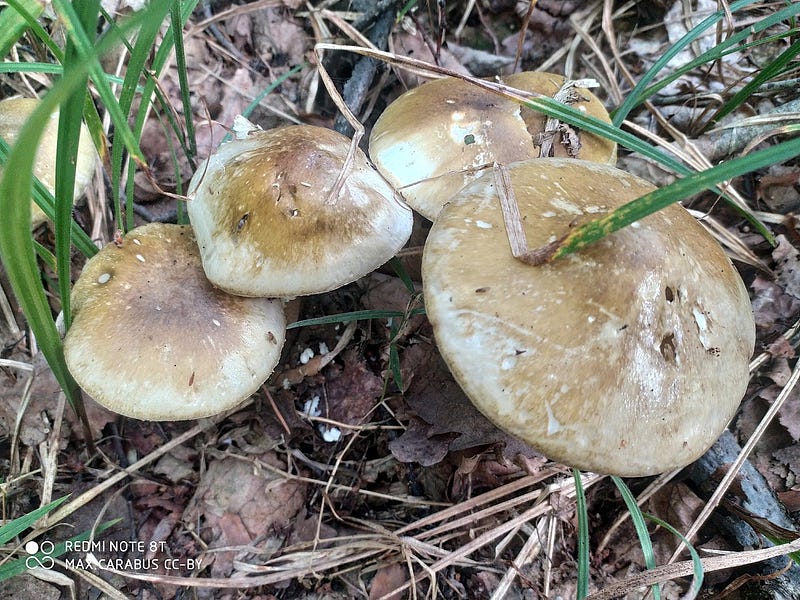
The death cap has a greenish hat and a white stem with a tuber at the base. It is easily confused with other mushrooms. Even worse, the mistake is unlikely to come out during consumption. The death cap has a mild taste that will not arouse the vigilance of a mushroom amateur.
The toxins that are contained in the death cap are not destroyed either during cooking or frying. Symptoms of poisoning appear only after several hours, when most of the toxins have already been absorbed into the blood. They cause damage to organs — especially the liver. Staphylococcus poisoning is difficult to cure, even if the victim is taken to the hospital quickly enough.
Cool that you made it to the end of this article. I will be very pleased if you appreciate the effort of creating it and leave some claps here, or maybe even start following me. It would be nice if you also left a tip! Thank you!