
The Shoes on the Danube
A haunting memorial on the bank of the Danube
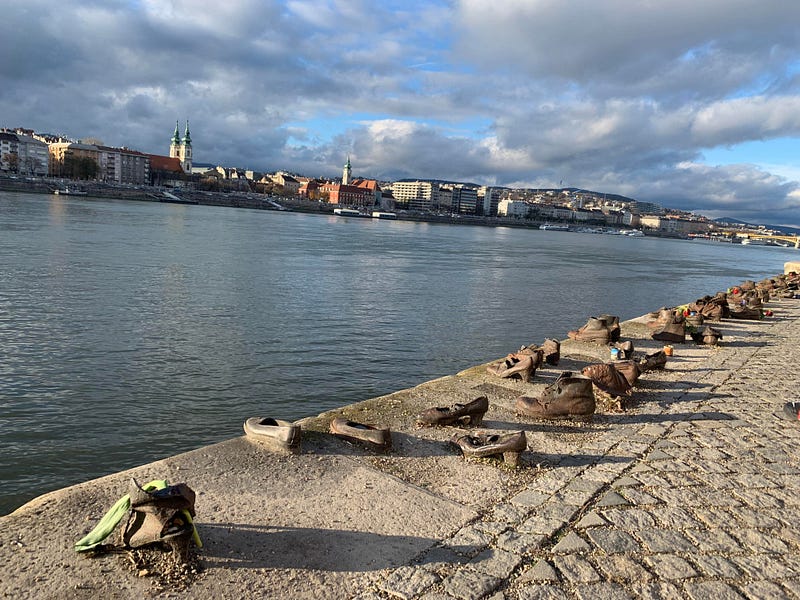
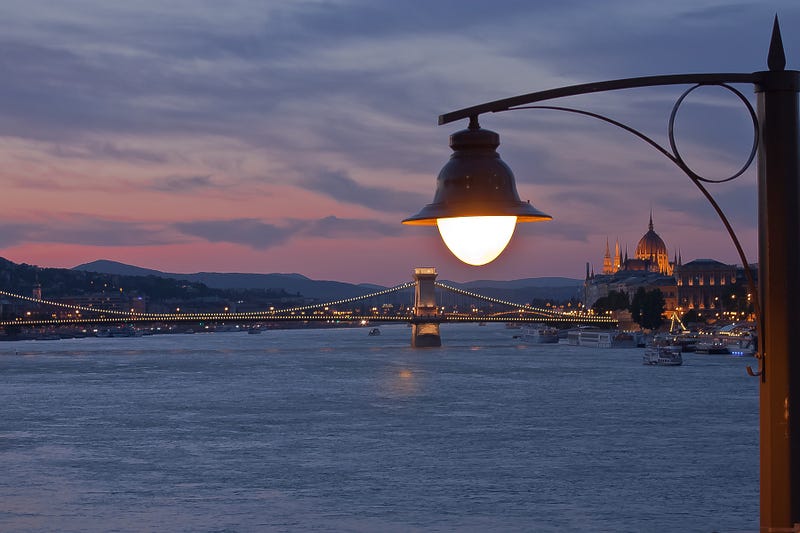
A bitter breeze swept across the Danube, as we ventured along the bank of the river towards the impressive Parliament building. It was beautiful, watching the wintery sunset dance on the rippling Danube river.
With the awe-inspiring Parliament building insight, we noticed a sizable gathering of people.
They weren’t looking at the Parliament building, nor the Fisherman’s Bastion on the opposing side of the river. Instead, their gaze was fixated upon the embankment.
Curious, we walked towards the crowd for a closer inspection. Where we happened upon a row of shoes loosely scattered along the embankment, sculpted out of bronze.
Some were tattered and worn, some business-like and expensive. Others were pristine and feminine, while others were tiny, fit for a child.
These loosely strewn shoes gave a feeling of overwhelming dread. Like ghosts staring vacantly over the water’s edge. An indicator of unspeakable horror.
Budapest is a beautiful city indeed, but one that lives with a dark past.
When the Danube was Stained Red
Between December 1944 and January 1945, the systematic killing of Jews was rife in Hungary’s capital city.
Leading these atrocities was the infamous Arrow Cross Militiamen, the militarised police branch of the Hungarian Nazi party.
These Jews who were once integral citizens of the city were torn from their homes, by those they once called neighbours. They were then herded towards the water’s edge and ordered to remove their shoes.
As they stood barefoot, taking in their last view of the Danube, A volley of bullets tore through them, their limp bodies plummeting into the river below.
Their shoes were the only things left in sight.
The expelled cartridges from the rifles were still warm as on-lookers got to work collecting the shoes, which were sold for profit on the black market.
The river’s current cleansed the city of those ‘undesirables’ as their bodies were expelled from the city limits. The blood that once stained the Danube red diluted downstream, along with the memory of the victims.
This moving memorial was set up in 2005 to preserve the memory of those murdered on the Danube. It is estimated that around 20,000 Jewish people were killed along the river.
Those shoes mark an unforgivable tragedy.
If you like this article and would like to read more, subscribe to Medium through my referral link to get full access to unlimited content (I will earn a small commission).


