The sexuality of Jim Morrison
A 1960s rock legend kept secrets
The sexual history of Jim Morrison, the iconic rock singer of the Doors, seems to begin when he was molested as a boy. He’d only say it was a man close to the family.
The 2001 biography Jim Morrison: Life, Death, Legend by Stephen Davis reports that Jim mentioned the abuse to his lawyer, Max Fink, who wrote it in an unpublished memoir. Davis adds:
“When Jimmy tried to tell his mother, Fink claimed, she had gotten angry, called him a liar, and insisted such a thing never could have happened. Fink said that Jim began to cry as he told him the story, and claimed Jim had said that he could never forgive his mother for this.”
The Morrison family denied it.
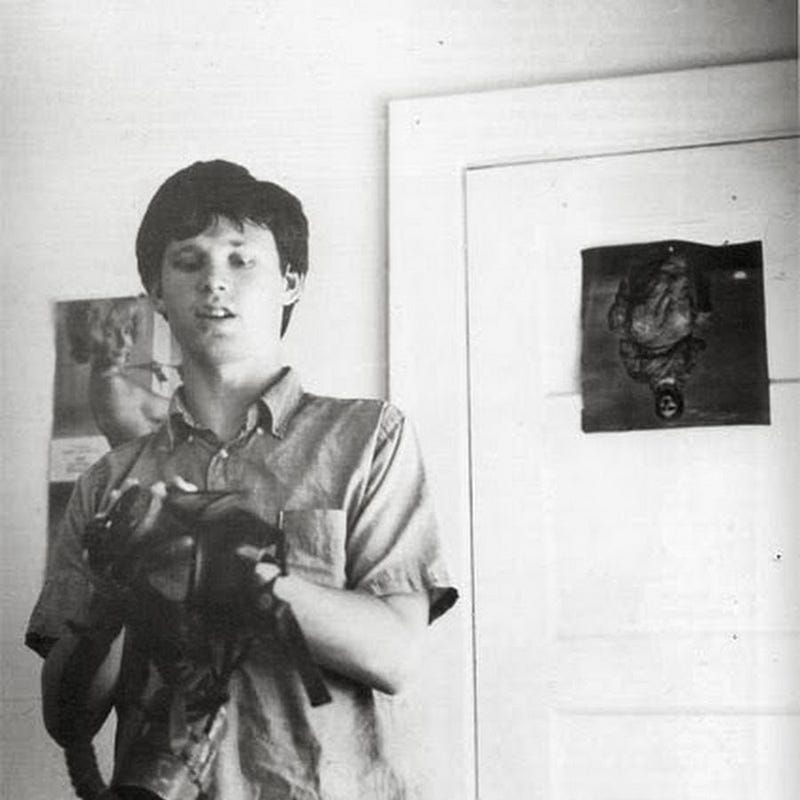
Jim wet the bed a lot.
In an effort to make him stop, his mother made him sleep in the soiled sheets. Urination becomes a running theme in his life.
In high school he had a girlfriend. She recalls his talk of wanting to be a writer, and bizarre antics, like pretending he was about to piss on a fire hydrant in public.
She asked why he did things like that. He replies, “Nobody would stay interested in me if I was normal.”
His family was at a loss what to do with him. His father, an important officer in the Navy—who’d often been away—saw potential in Jim to be important, like in politics. But Jim wouldn’t behave.
“We just didn’t understand him, any of us,” his grandmother recalled of the teenager she’d known. “There were so many sides to Jimmy… You never knew what he was thinking.”
A teenager going to college in Clearwater, Florida, he frequented a beatnik coffee house owned by Tom Reese, a gay man in his late 40s. He tells Davis: “Everybody wanted to go to bed with him…Whether it was the boys or the girls, they were all attracted to him.”
Jim also told his lawyer that, as a teenager, he’d had an affair with a man who seemed clearly to be Reese. Reese would only say: “Everyone wanted to.” He insisted he wasn’t a “fag.”
As a teenager he had a girlfriend—who wouldn’t speak of him later.
He’d told someone they’d had sex. He read obsessively—fascinated by themes like crowd control and sexual neuroses. He played with people. Davis writes: “He urinated in public and seemed pleased if people scolded him.”
He hitchhiked out to L.A. with a friend. “Jimmy wasn’t afraid of anything,” the friend says later. “I totally enjoyed his love of life and enthusiasm for every kind of bizarre situation that existed.”
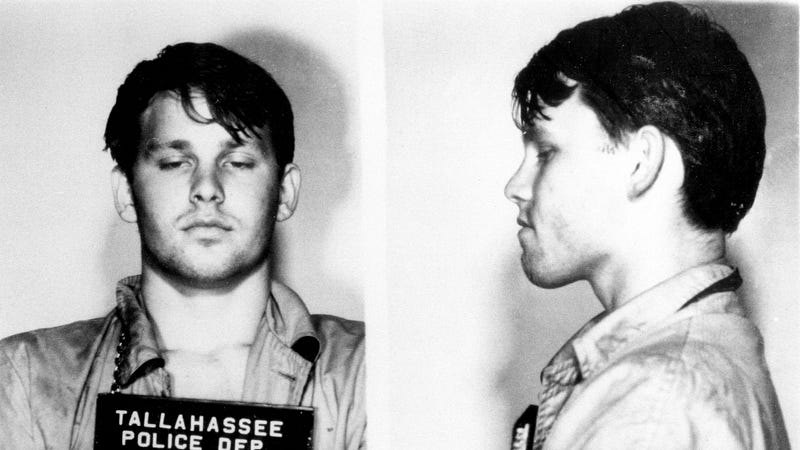
Back in Florida, moving to Tallahassee, he was in drunken scenes being abusive to older men. He cut himself and was taken to the emergency room, Davis narrates, “so drunk and abusive that the doctor walked out before he finished stitching Jimmy up.”
Jim had a drunken dust-up with cops, who were incensed by his mouth. He was booked and got off with a $50 fine.
In L.A., he enrolled in UCLA film school.
It was that or get drafted. His vibe was an overweight, lost stoner—oddly given to stunts. As Mick Wall narrates in Love Becomes a Funeral Pyre: A Biography of the Doors:
“One day he climbed to the top of one of the faculty buildings, stripped off his clothes, and hurled them through the air. Another time he got drunk and pissed on the floor of the public library, exposing himself to several passing women. Anything he was told was wrong, he wanted to do.”
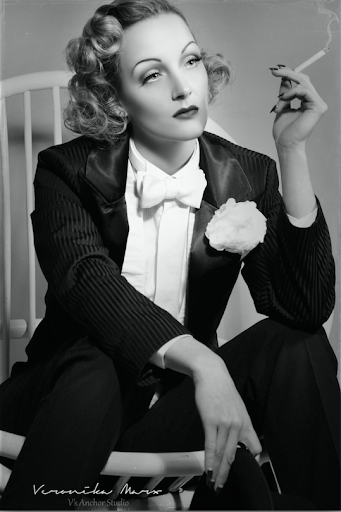
One of Jim’s professors was the great Hollywood director Josef von Sternberg, who’d discovered and shaped Marlene Dietrich into a movie star. The students watched all his movies—showing her transforming from German showgirl to the vision of androgynous glamour.
Jim started to become a ‘movie queen’ himself.
The theme is noted around the edges of his biography. Steve Harris, an Electra executive who knew Jim a few years later, recalls:
“Jim had this love for movies and so he would emulate Greta Garbo. He had the look in the eyes of Marlene Dietrich staring you down, shaking his head and his hair like Marilyn Monroe did. He had those masculine traits with feminine wiles.”
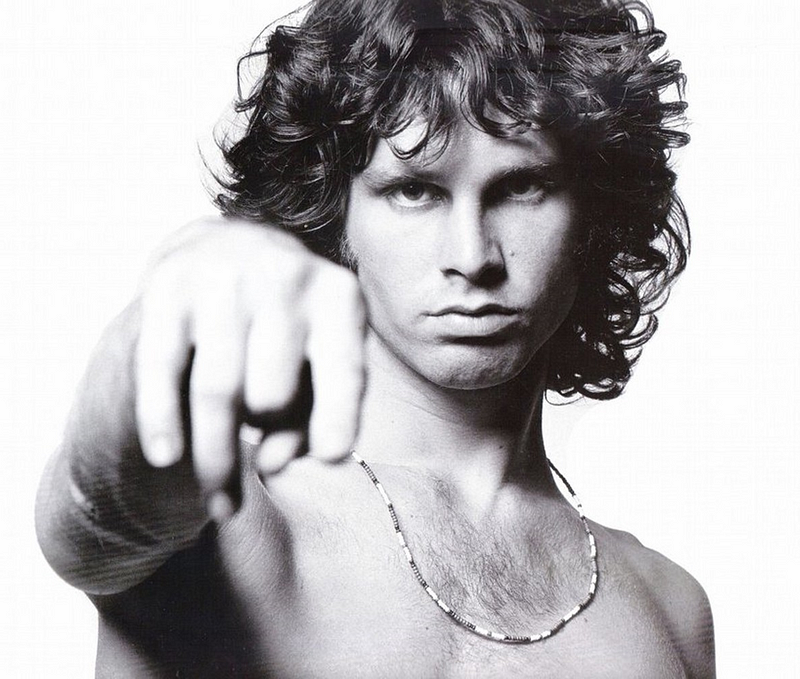
The rock critic Albert Goldman, later writing about Jim in Vogue, noted the “blatant touches of the feminine” and “sinuous, suggestive movements of his body and lips while he is performing.” He adds:
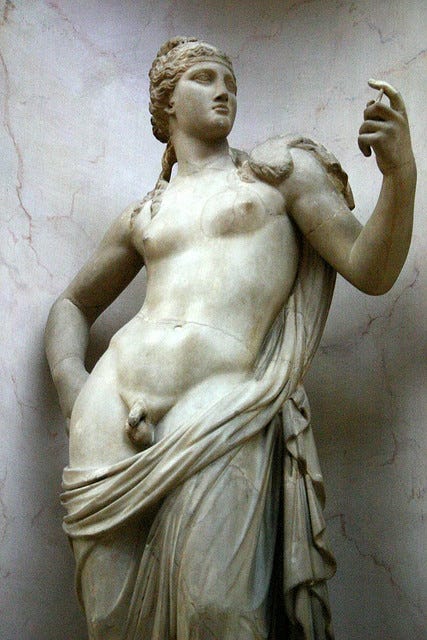
“What Morrison represents in sexual terms is a fluid montage of male and female. He appears a sexually autonomous being, like one of those breast-and-phallus-bearing gods worshipped by the ancients.”
He wandered around L.A.
“I just got out of college and I went down to the beach,” he says.
He read relentlessly, from Nietzsche to sociology and myth criticism, from The Book of the Damned by Charles Ford to John Rechy’s gay cruising classic City of Night — trying to find a narrative to write.
“He wanted to reach people,” a friend recalls. “He thought he had a profound message to communicate.”
His body slimmed. This seemed to owe to his time on the heavily gay Muscle Beach, as Davis notes:
“Sometimes in the evenings Jim and Ray went down to the site of the old homosexual ‘Muscle Beach’ exercise area and practiced on the rings and monkey bars until their bodies grew taut. Jimmy now looked like an athlete on a red-figure Attic jar.”
Jim was pressed into a drunken performance of “Louie, Louie” for the rock band of his friend, Ray Manzarek, and his career as a performer began.
Jim lived the summer of ’65 with a male friend.
In a 2011 memoir, Summer With Jim, Dennis C. Jakob recalls the time as heavy with gay reference. Jim talking about going to gay bars, and one time invited him. Jakob recalls standing quietly while a man flirted with Jim. He writes: “Jim made no move toward anybody. He just stood there as usual with his eyes cast down to the floor and said nothing.”
One day they met Sal Mineo, the gay actor, who found Jim fascinating. Dennis writes: “Jim just stood there, the same way he did when we were surveying that Venice West gay bar.”
Jakob recalls once that Jim was, as often, naked, and got unexpectedly flirty.
“Once we pulled him back inside, Jim tackled me onto the bed. While John and Ray secured the window, Jim kept me pinned down as he jokingly writhed around, pretending to put the moves on me. Sure, it was the sixties, but I didn’t swing quite that far.”
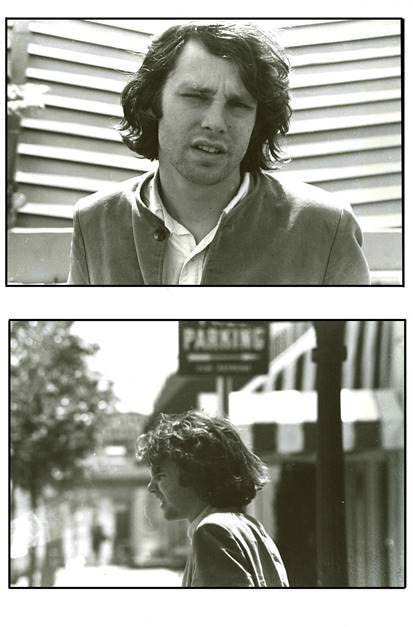
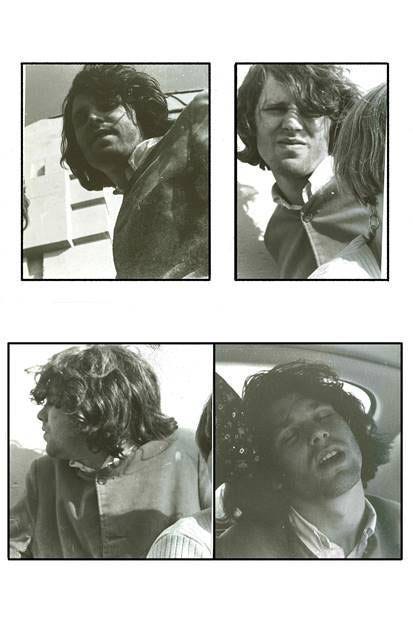
In the back of his book, Jakob has photos of Jim he apparently took. Jim strikes me as doing feminine, ingenue-style poses.
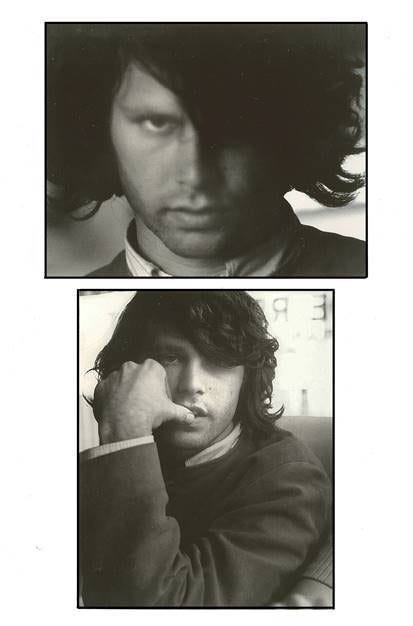
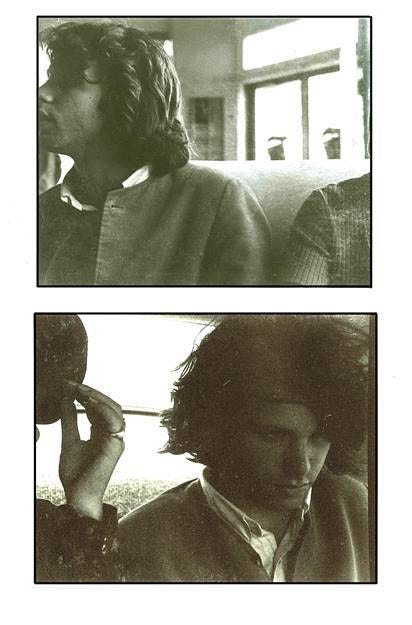
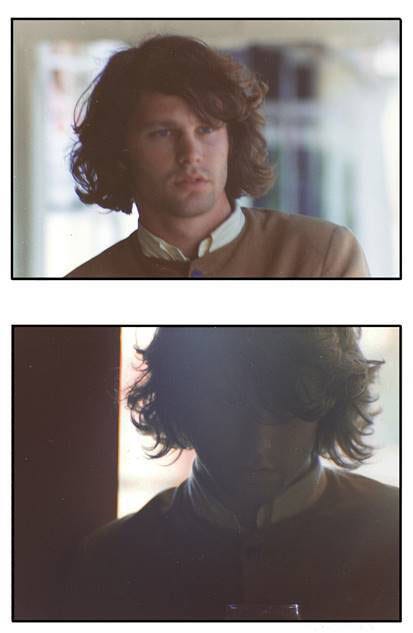
What does “the Doors” mean?
It’s often thought a reference to a William Blake poem, by way of Aldous Huxley’s 1954 novel The Doors of Perception.
But Dennis C. Jakob had a different account. He recalled Jim talking up an act they should do together, a spoken-word duo, to feature Jim’s poetry.
He writes: “Jim and I agreed that a good name would be The Doors. I would be the ‘open’ and he would be ‘closed’ door.”
He recalls the ‘door’ theme tracing to Thomas Wolfe’s novel Look Homeward, Angel, which has a refrain: “a stone, a leaf, an unfound door…”
As Wolfe scholars note, the ‘door’ seems connected to the female vagina. The ‘unfound door’ might then be the anus. This possibility is glimpsed in Wolfe’s novel in passages like a description of workmen opening a buried water pipe. He writes:
“…there was a wide fissure, a window in the earth which opened on some dark subterranean passage…”
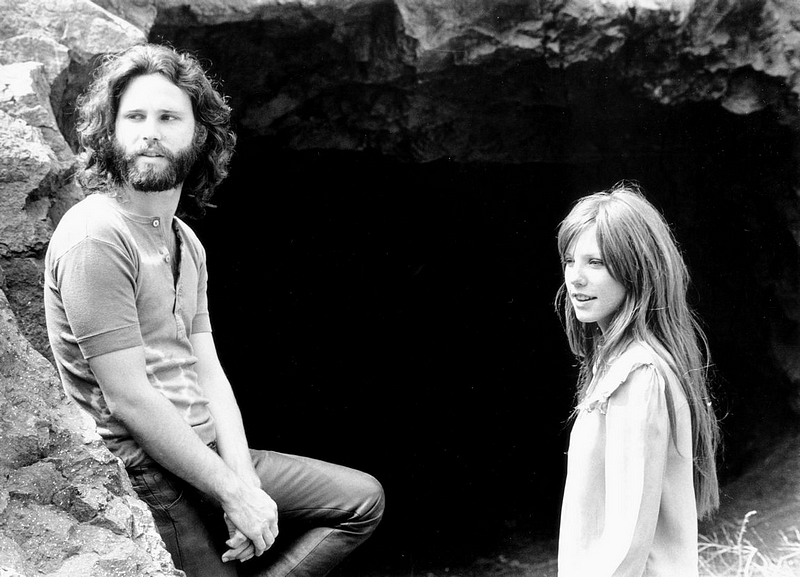
The ‘Doors’ refers to…the asshole?
In saying ‘doors’—plural—there’s a retreat from ordinary heterosexuality. This is a queer sexuality that sees multiple sexual uses of the body.
Jim was a big fan of anal sex. This comes through in his later cover of the song “Back Door Man.” The original had been about a sexual approach to another man’s wife, through the back door.
For Jim, it was an ode to anal sex. A personal enthusiasm. Davis quotes a female friend of Jim’s later girlfriend, Pamela Courson.
“I know their sex life was weird. He tied her up all the time, and sometimes he was really brutal with her. It was okay with her up to a point, but then he would always go over the line. . . . He really preferred women from the backside. Pam was pissed off about that, but she stuck with it. It was part of the reason she was always snarling at him.”
Jim also had sex with Lenny Bruce’s old girlfriend, Gloria Stavers, the publicity maven at Sixteen magazine. She seemed to understand Jim’s interests. As Davis narrates:
“She told him about her trip with Lenny Bruce, and showed him how to stay thin and sexy by throwing up the food he’d eaten. At dawn they tumbled into bed. She lubricated herself with melted butter and let Jim do what he liked best.”
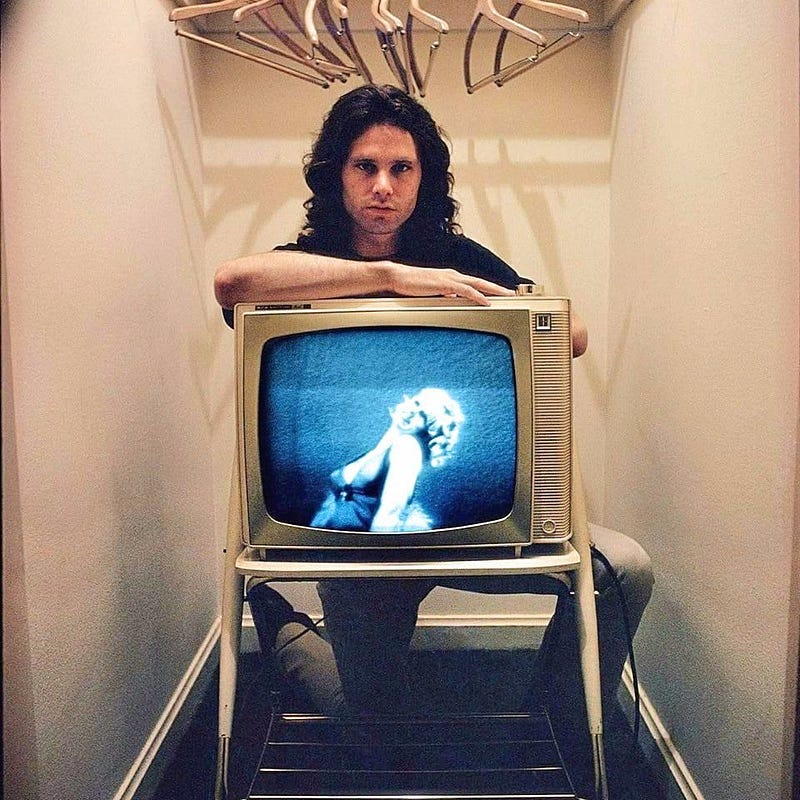
Biographies step gingerly around the subject of Jim’s sexuality.
Mick Wall writes:
“The rumors continue to fly around him. Most likely, though, Jim was simply attracted to both sexes. Attracted to any scene that promised forbidden fruit.”
Dylan Jones’ 2015 biography Mr. Mojo: A Biography of Jim Morrison, reports:
“There will always be rumours, but there is little to suggest that Morrison was in any way gay.”
In contrast, Jim’s bandmate Ray Manzarek writes in his memoir that life with Jim came with regular homoerotic dramas.
“Jim occasioned that response in many men. And some of them hated him for it. They hated the forbidden feelings that Jim’s androgyny would stir up in them. They didn’t know whether to beat the shit out of him or grab his tight little buns.”
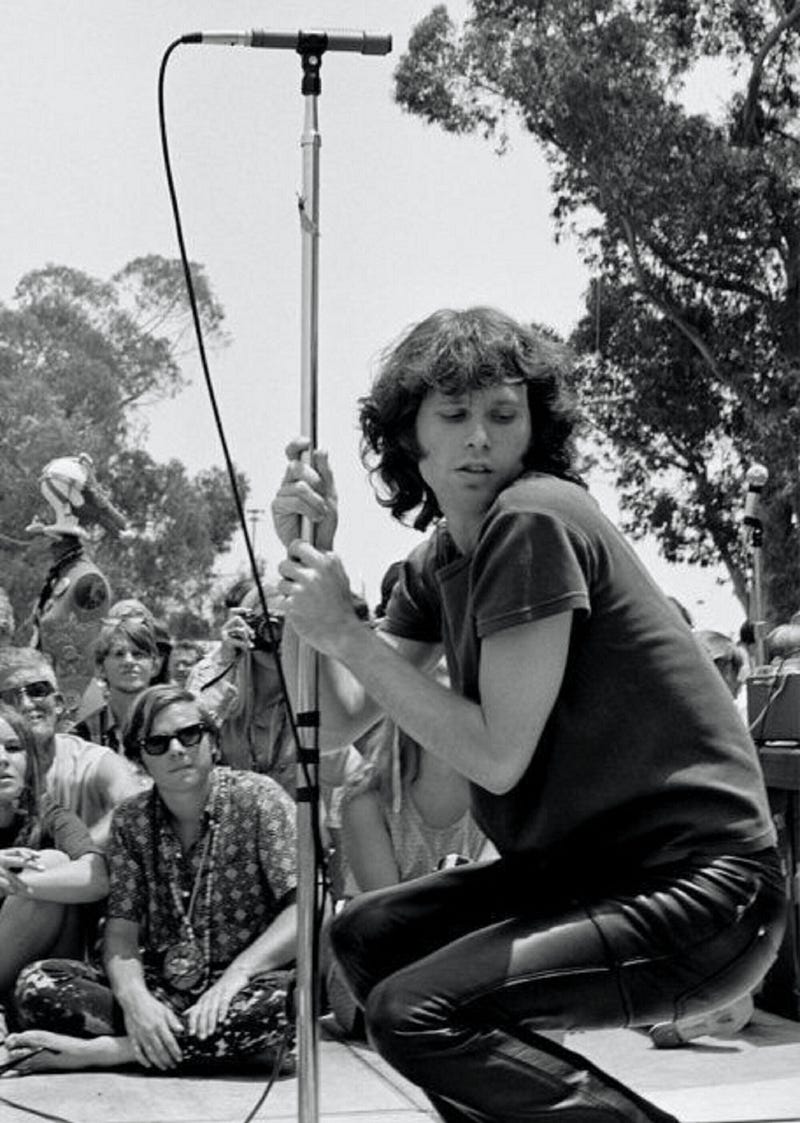
Danny Fields thought Jim’s “first sexual attraction was to himself.”
The gay publicist who’d work for the Doors gave interviews to several biographers. “The Jim Morrison thing started out as an act, but so many people believed it, that he became that,” he tells Jones. “They returned to him what they saw, and he started acting out their fantasy.”
I’m not sure that Jim’s various poses in his Doors work suggests the fastasies of audience members. His regular dialogue was often just darkly mystifying. “You’ve got to be tragic, man,” he says. “Western civilization is fucking going down the tubes, and we don’t even need an earthquake to finish it. We’re performing music for the final dance of death.”
The rock groupie Pamela Des Barres, in I’m With the Band, recalls they spent some flirty time together when Jim was on the outs with his other Pamela. He warned her against drug use, she writes, “telling me the persona he put forward was an elaborate act, and he really wanted to be noticed as a poet.”
The “Jim Morrison” act got more polished.
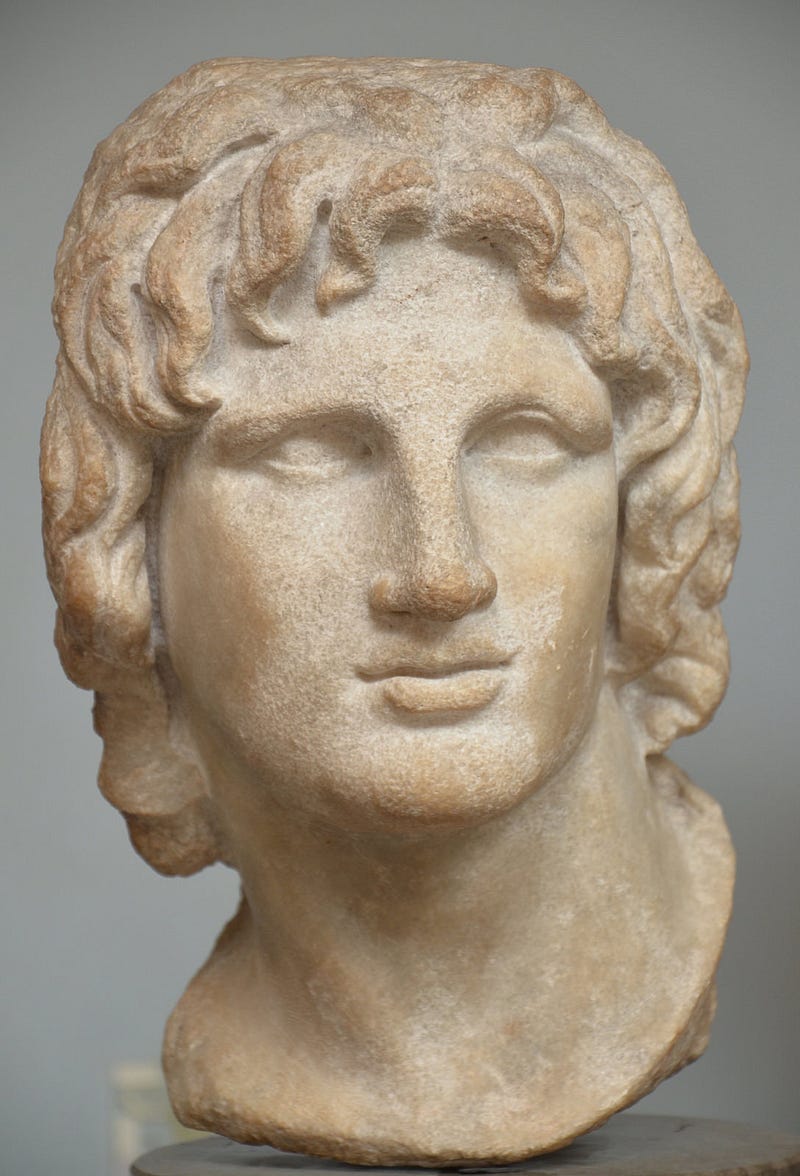
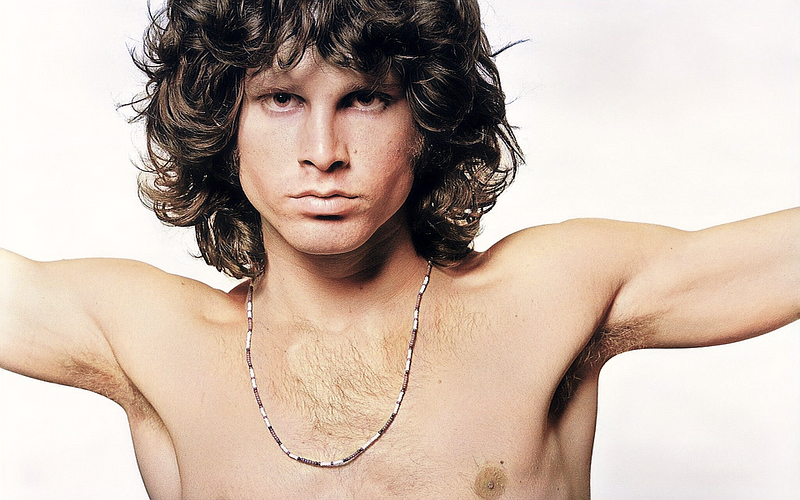
More and more references were loaded onto him. For the 1966 photo shoot that made him a superstar, he’d been styled to look like Alexander the Great, and he held his arms out to look crucified like Jesus.
He had girlfriends—and man friends.
In Davis’ narration there’s a feeling of a Jim leading multiple lives — that kept converging into scenes of violence. He writes:
“But on the last day of February, as they were packing their bags, Jim and Pam got into a horrendous fight. Some think Pamela told Jim she was pregnant, by someone else, possibly Christopher Jones, and that Jim flipped out. Others say the argument related to Jim’s homosexual contacts and involved Pamela’s threats to reveal them.”
In June 1968, Jim seems to have been blackmailed by a well-known male hustler. Max Fisk engaged a private detective who’d be open to getting rough, and arranged a meeting. Davis writes: “The hustler was left bleeding and missing teeth in an alley behind a motel near the Los Angeles Airport, and the blackmail attempt stopped.”
A stray line from his journal: “I have tried to learn more about homos but it’s not easy to discuss.”
A similar scene with another hustler happens in November 1969.
Davis narrates:
“According to Max Fink, Jim showed up at his house at two-thirty on a cold December morning to confess that a male hustler was leaving graphic, blackmailing phone messages that threatened to go public with details of Jim’s midnight ramblings in the gay L.A. underworld. Max handled this new problem quietly, as he had before.”
He often displayed his penis. Joan Didion visits the Doors in studio, recalling seeing it visible through his black leather pants.
In Miami, Jim was thought to have pulled it out out on stage—as he’d say, “a good way to pay homage to my parents.”
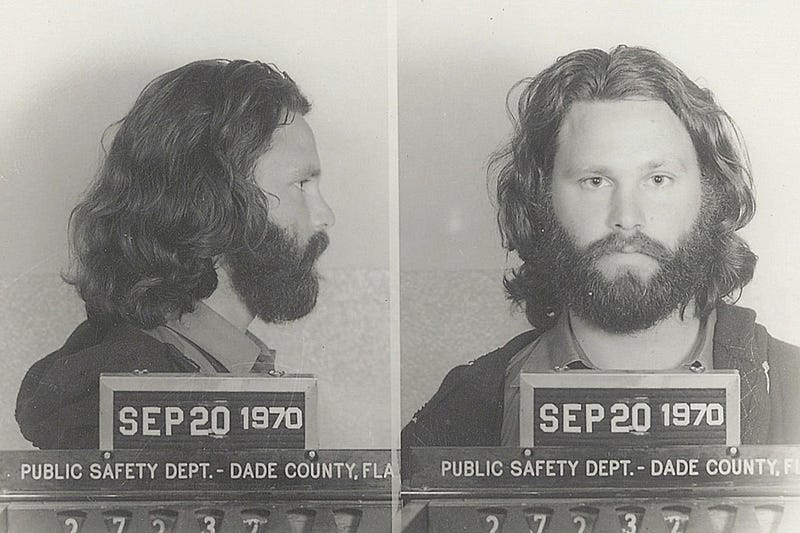
He was taken to be a heterosexual hero, a ‘sex god’.
The rock singer Grace Slick recalls seeing him at gigs. They had sex once. She writes that she expected him to be “frantic,” and he wasn’t.
“Jim mystified me with that otherworldly expression, and at the same time, his hips never lost the insistent rolling motion that was driving the dance.
When he did look directly in my face, he seemed to be constantly searching for the expression that might break the lock, as if I might be wearing a disguise.”
But he seemed consumed with sexual anxiety.
His songs are full of queer figures. Take “Twentieth-Century Fox,” where he stares at a woman, wondering if it’s a man…or not.
“But she’s no drag Just watch the way she walks”
His poetry was sexual anxieties raised to religious levels. He writes: “I sacrifice my cock on the altar of silence.”
Or this: “Now those fires & hells have subsided & we are left w/a cold ejaculatory rape”
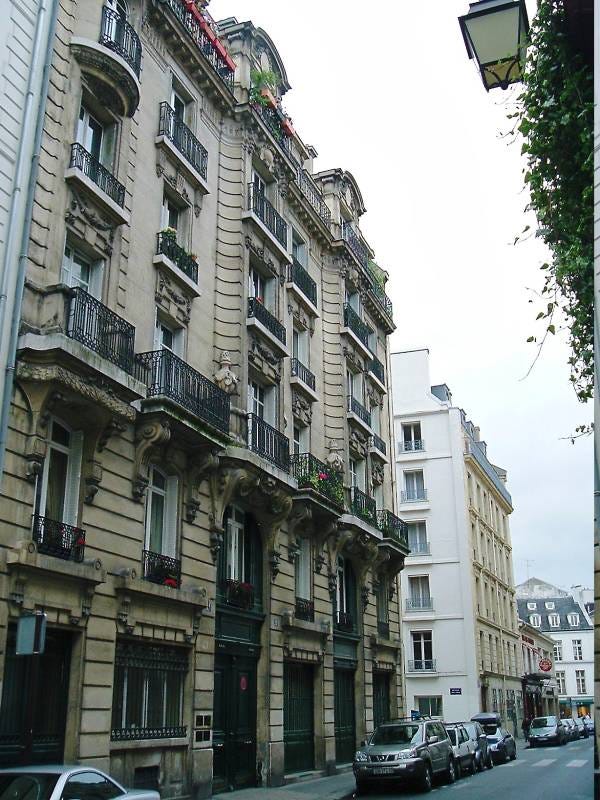
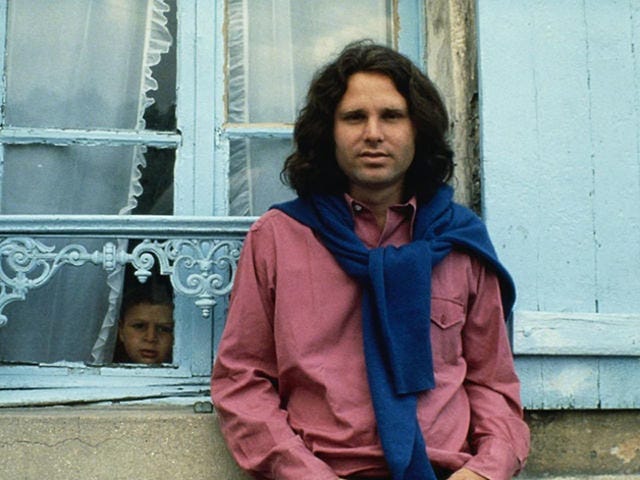
He sought to evade his legal troubles, his career, and himself in Paris.
Details about the final scene are hazy. In 1991, preparing a Morrison biography that would be cut short by his own death, Albert Goldman found Pamela’s statement to the police about a Jim Morrison who spent his last hours vomiting blood in the hotel room.
She narrates:
“Then my friend said that he felt ‘bizarre’, but he said to me, ‘I’m not ill. Do not call a doctor. I feel better. It’s over.’ He said to me, ‘Go to sleep,’ and added that when he had finished bathing he would rejoin me in bed.”
She’d checked on him in the tub. “He appeared to be sleeping.”
He’s often remembered as a heterosexual hero.
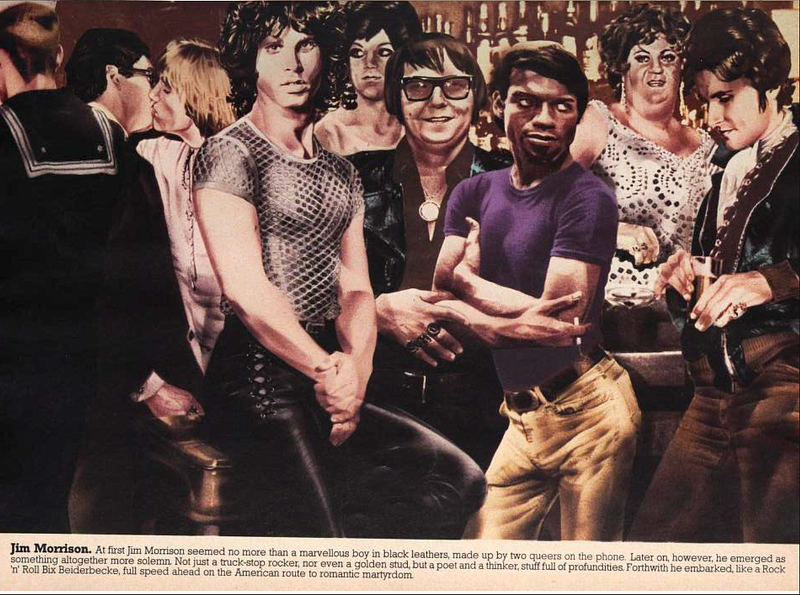
Not always. He was featured in Rock Dreams, the 1972 book of fantasy portraits of rock musicians by Guy Peellaert, with captions by Nik Cohn. Jim is imagined in a gay bar. The caption reads:
“At first Jim Morrison seemed no more than a marvelous boy in black leathers, made up by two queers on the phone. Later on, however, he emerged as something altogether more solemn.” 🔶