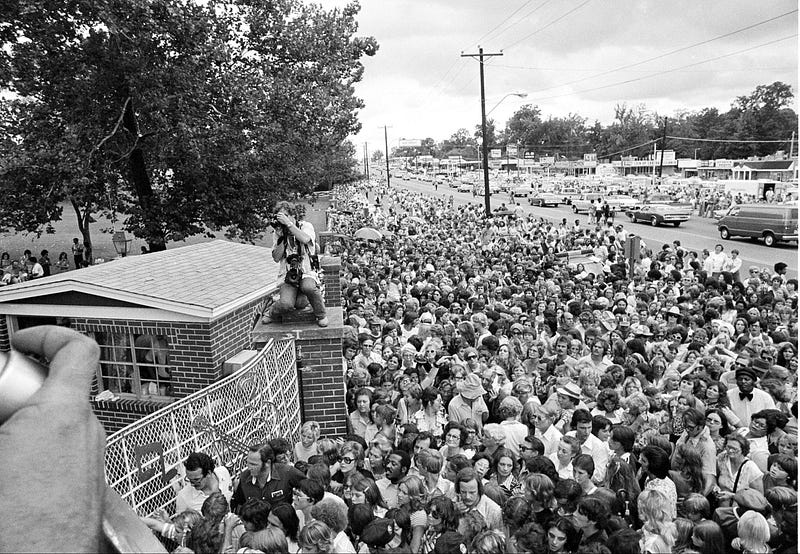
The sexuality of Elvis Presley
Sometimes he got a little gay
In 1954, an androgynous young man burst on the cultural scene, entrancing with bizarre gyrations. Teenage girls went wild, as did teenage boys.
He did campy music and campy movies, and then a campy stage show. He became the biggest star in the world, always “aggressively bisexual in appeal,” as a reviewer noted in 1959.
I’m thinking about Elvis Presley.
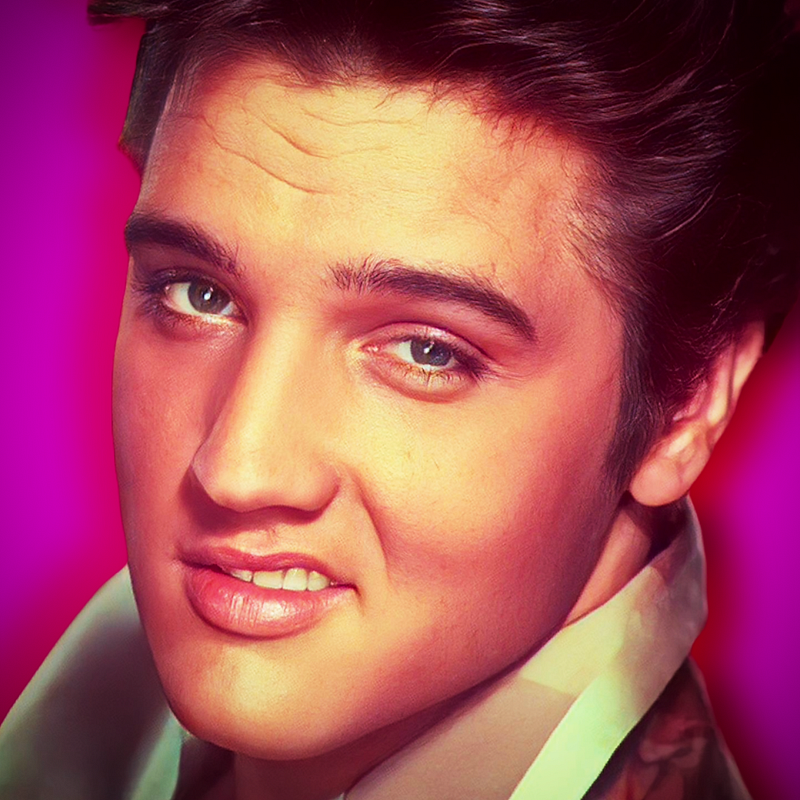
Elvis is often assumed to be a very “masculine” performer.
As a performer in the mid-1950s, he seemed a force of sexual energy. He was called a ‘rebel’. He was ‘Elvis the Pelvis’, and unsettled conservative people. Didn’t that mean masculine? Didn’t he drive the girls wild with his ultra-masculinity?
Early news coverage, however, often says that Elvis moved like a female stripper. That’s why it was so upsetting.
An early newspaper critic said he “shakes his pelvis like any striptease babe in town.” In 1956, a judge was disgusted at the “self-gratifying striptease with clothes on.”
The recent Baz Luhrmann movie went with this ‘ultra-masculine’ angle, and suggests, absurdly, that Elvis’ dancing had alarmed his manager.
In an interview, Alanna Nash, author of a biography of Colonel Tom Parker, clarifies that the Colonel had been delighted. “Parker loved it that Elvis was like a male striptease artist… like the bally girls on the carnivals.”
Elvis often sang the female part in female songs.
To hear his hit “Hound Dog,” which he got from Big Mama Thornton, we hear him playing a woman addressing a man.
Elvis Presley was a ‘rebel’—from gender roles.
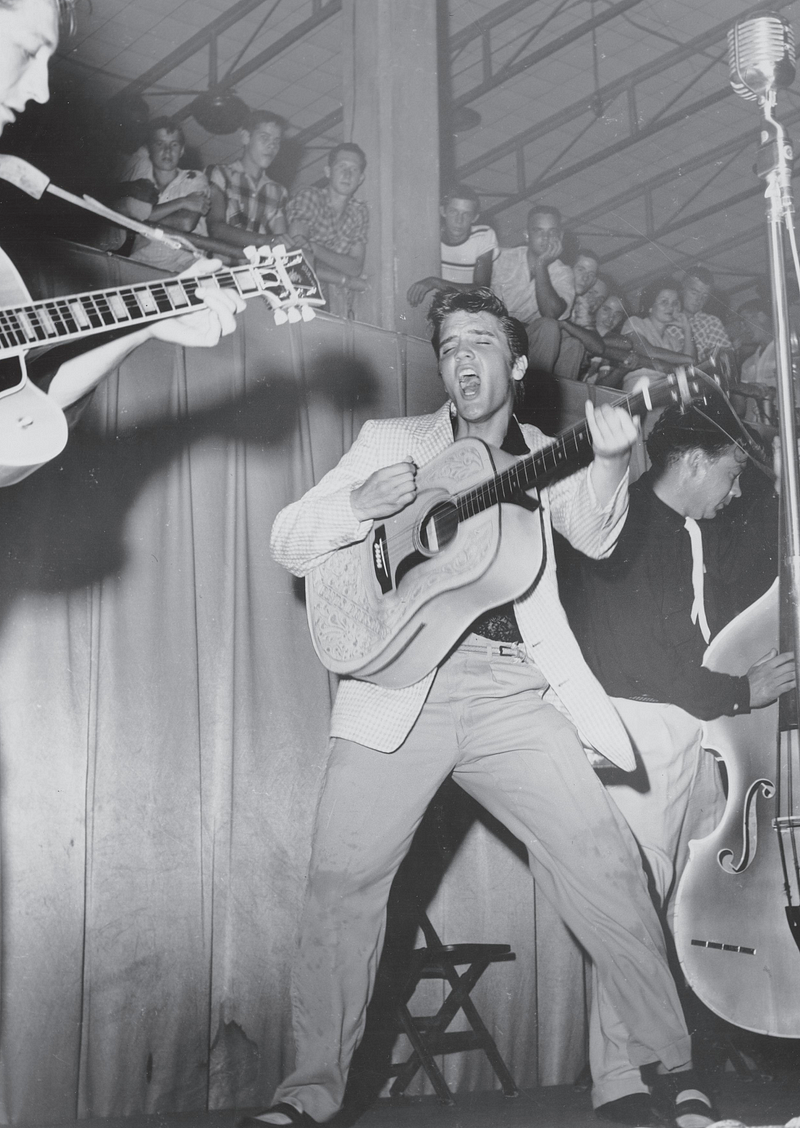
Only his female fans tend to be remembered.
But as the scholar Anna Ariadne Knight notes: “teenage boys were as feverishly excited by Presley’s stardom as were his female fans.”
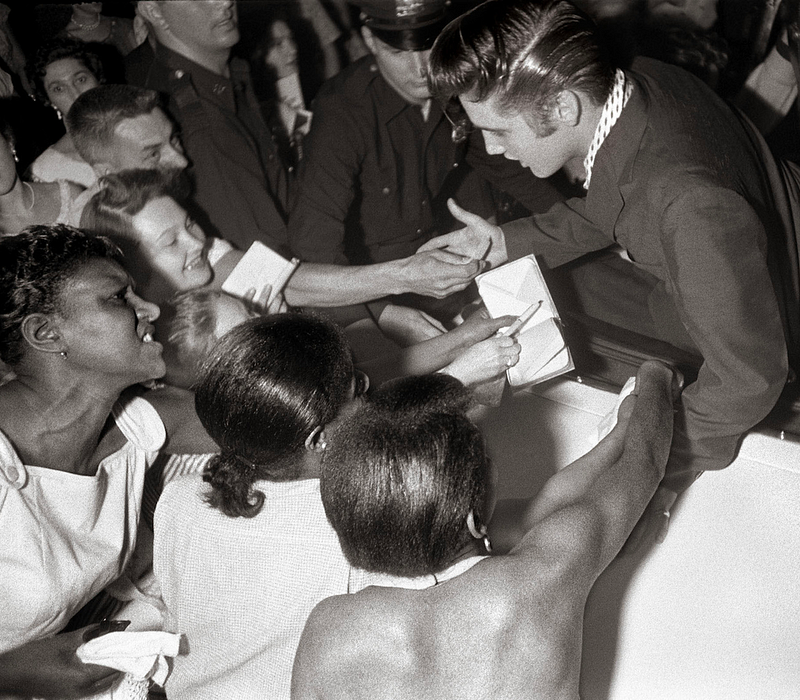
I sift through Elvis crowd photos. There’s always men.
Is that guy slipping Elvis his phone number?
I sift through decades of commentary on Elvis.
Paul McCartney of the Beatles recalled his first response to Elvis was seeing a photo: “Wow! He’s so good-looking… he’s perfect. The Messiah has arrived.”
In 2002, the scholar Yvonne Tasker writes:
“Elvis was an ambivalent figure who articulated a peculiar feminized, objectifying version of white working-class masculinity as aggressive sexual display.”
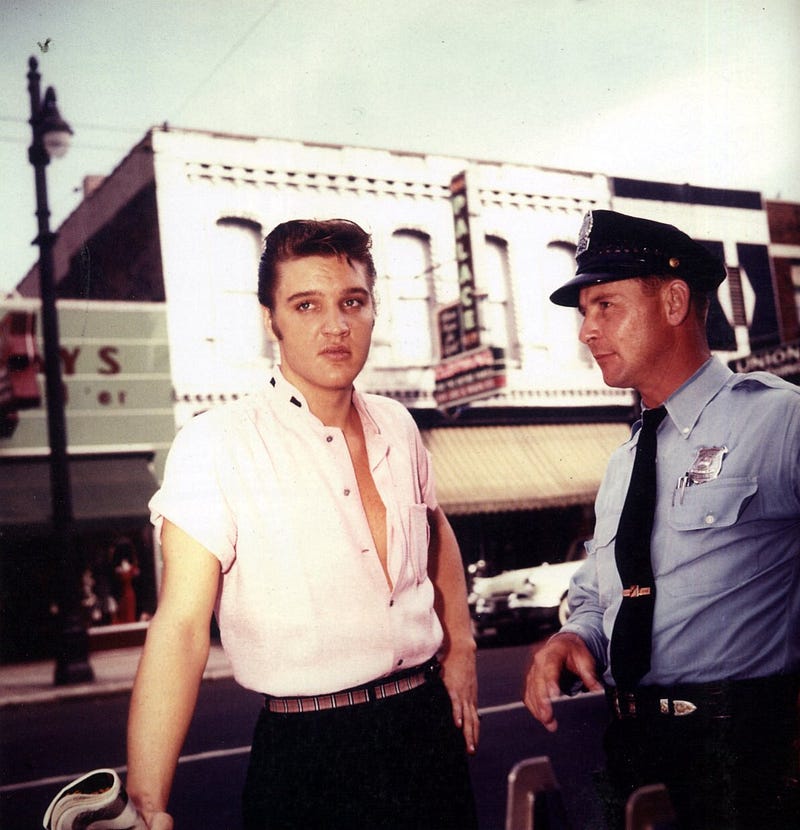
David Bowie remarked in 1972: “What about Elvis Presley? If his image wasn’t bisexual then I don’t know what is.”
In Quentin Tarantino’s 1993 movie True Romance, a male character says: “If I had to fuck a guy… I’d fuck Elvis”.
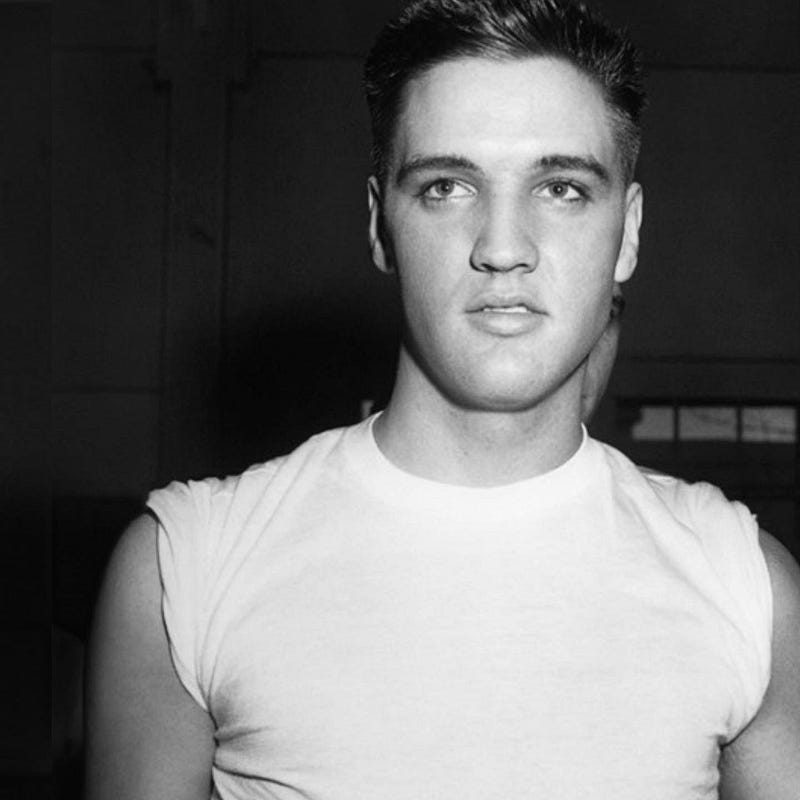
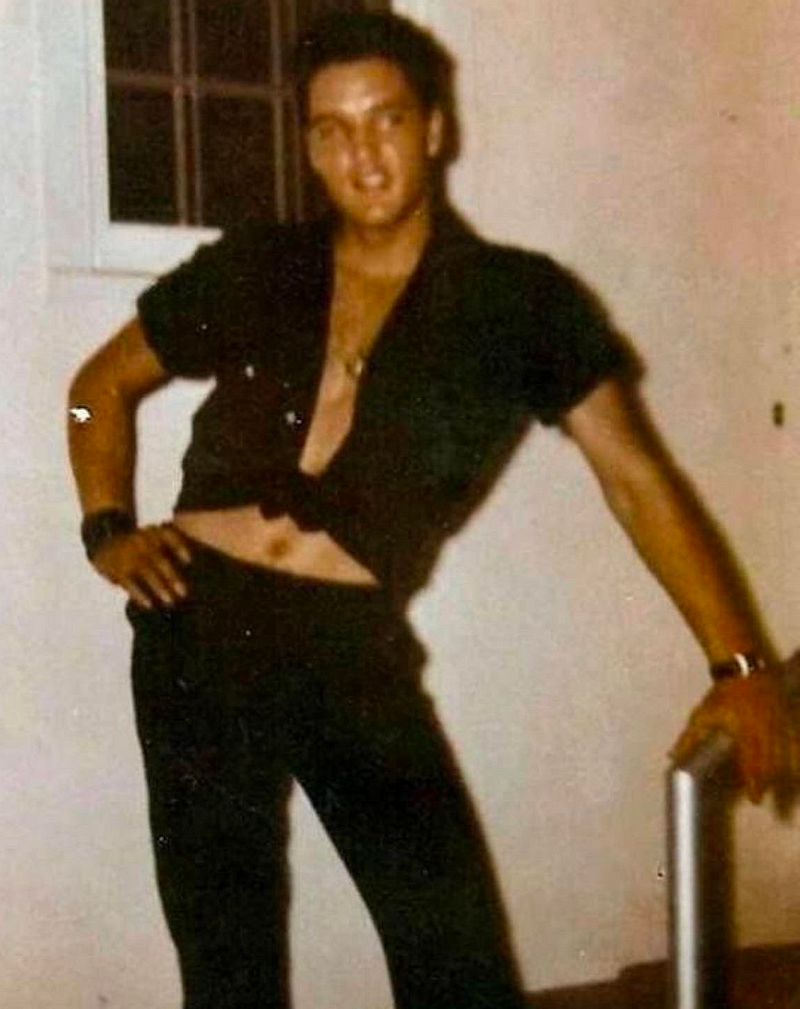
There’s so many interesting little details.
When Elvis performed in concert, a tubular penis was apparent in his pants. It was actually a toilet paper roll.
His own was said to be on the small side.
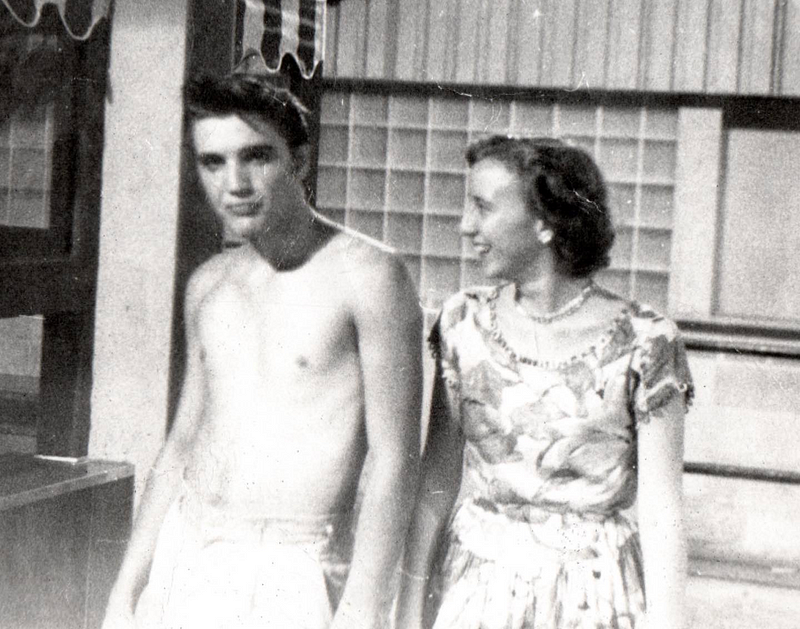
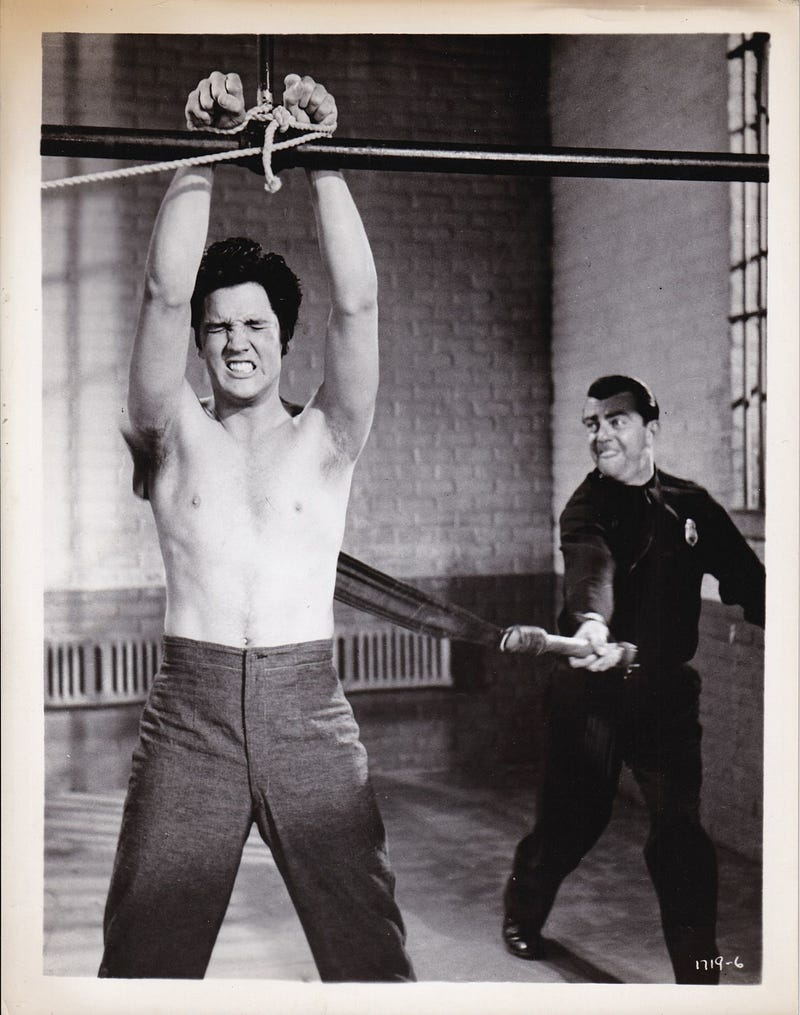
His work was often gay-themed.
The prison sex scenarios of Jailhouse Rock still startle. The title seems to refer to gay sex. The prisoners sing to each other:
“You’re the cutest jailbird I ever did see I sure would be delighted with your company Come on and do the jailhouse rock with me”
Elvis was read as gay personally.
In 1955, Chet Atkins said:
“I couldn’t get over that eye shadow he was wearing. It was like seeing a couple of guys kissin’ in Key West.”
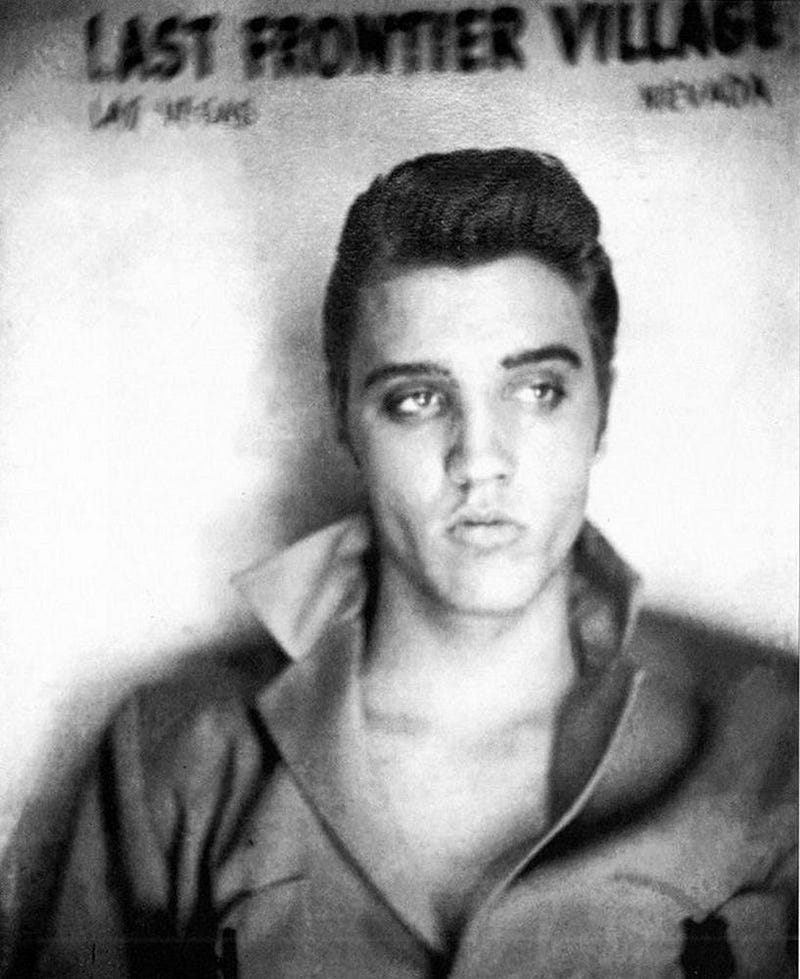
A member of Elvis’ band brushed off talk of him being gay, though adding:
“Let’s face it, the man was damned near too pretty to be a man.”
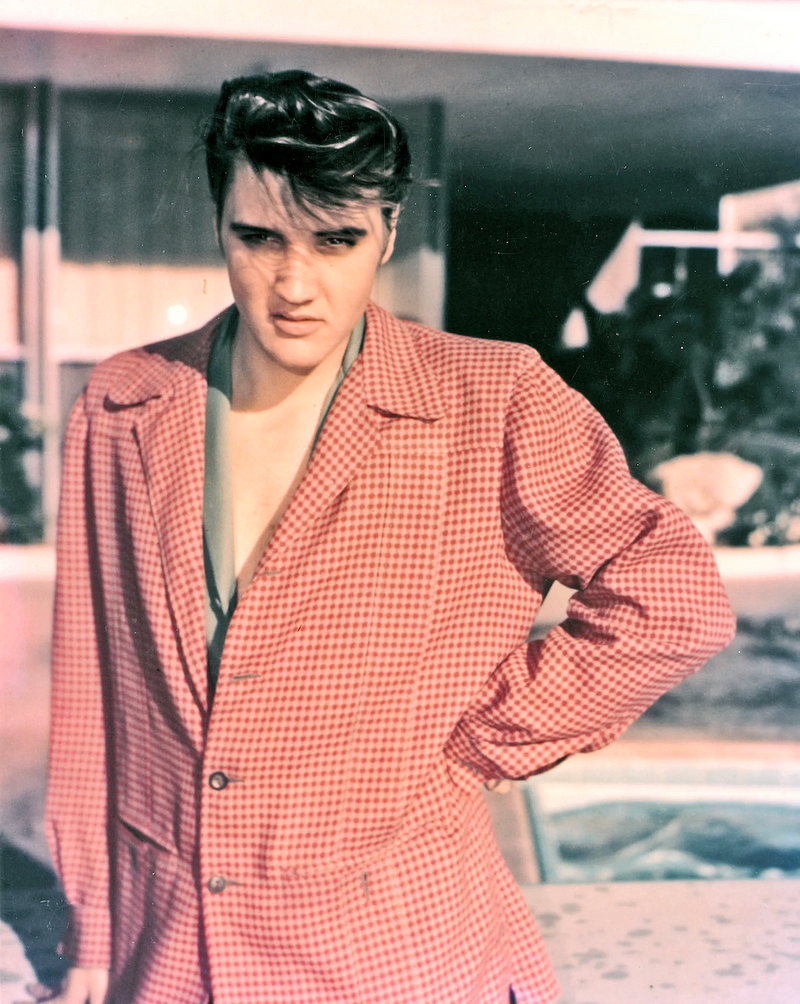
And to look back with the eyes of someone in 1950s America, we see a man who is styled and presented in feminine terms.
Elvis was “a transgendered sexual fantasy,” as Erika Lee Doss notes in a 1999 study, Elvis Culture.
There were efforts to “out” Elvis.
Alanna Nash’s 2010 biography of Colonel Tom Parker has a scene where Parker is shown a media story saying “Elvis is queer.” Parker was unconcerned, just asking if Elvis’ name was spelled right.
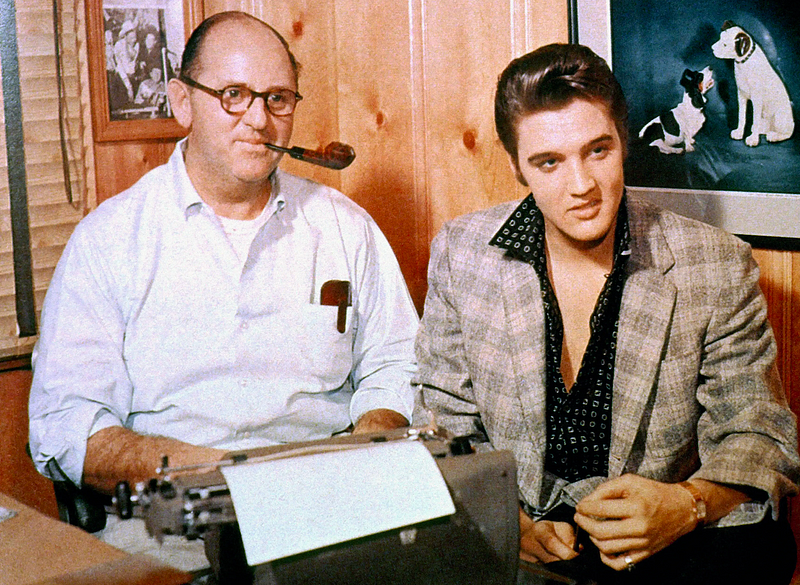
Elvis’ relationship with the Colonel confused people. A friend recalled the older man having “a strange, hypnotic, almost total control over Elvis.”
When I see photos of the Colonel, I find myself staring at his mouth, ever that pipe stuck into it, like servicing an oral fixation. I see a gay guy, deeply schooled in the arts of closeting.
But Elvis is unreadable. Elvis is everything.
I don’t find the biographies of Elvis all that helpful in understanding his life.
They are more typically stories of straight male journalists staring at Elvis trying to understand their attraction or repulsion. Scene by scene, however, Elvis himself is just vague.
Take a photo shoot early in his career, at the Warwick Hotel in New York City, March 17, 1956. It’s often mentioned as a defining moment in his image-making. I’m looking up the sources, slowing it all down.
A young photographer named Alfred Wertheimer arrives to do shots of a rising young performer. He stares at a shirtless young man wandering around a hotel room.
He sees the portrait of Elvis on the wall. He sees the girl—across the room.
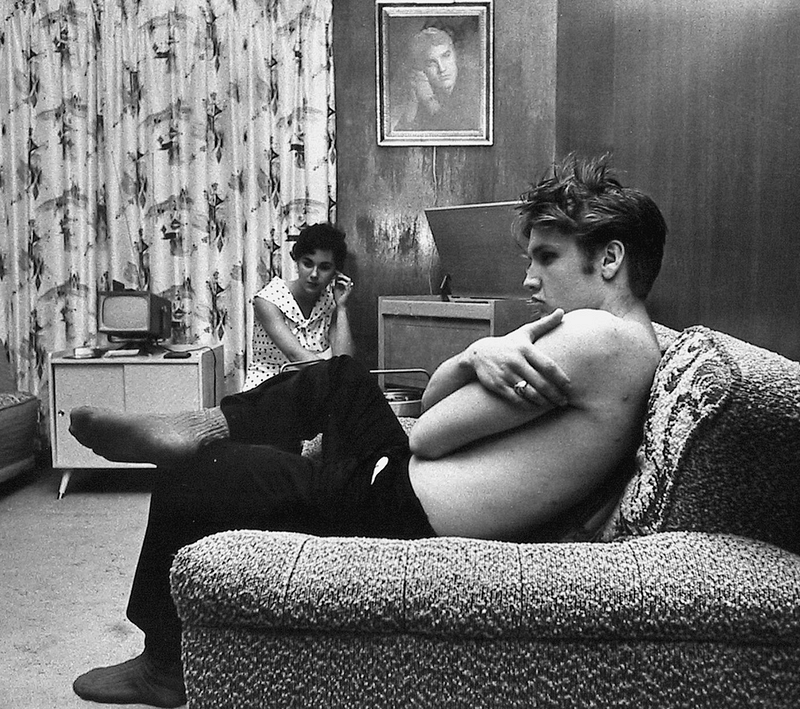
Elvis goes to the bathroom to do his hair.
Wertheimer follows. He recalled the scene:
“He’s combing his hair, looking in this little ladies’ mirror. He’s bare-chested. He had pimples on his back and a boil on his left shoulder, and you would think he would be very conscious of that. But he was totally unselfconscious.”
Indeed, Wertheimer recalls thinking, when most men kept a perimeter of about 10 feet around them, it seemed amazing that Elvis “permitted closeness.”
Wertheimer spoke with a lisp and died in 2014 with no survivors. I’m pretty sure he was gay — because who else would’ve followed Elvis into the bathroom?
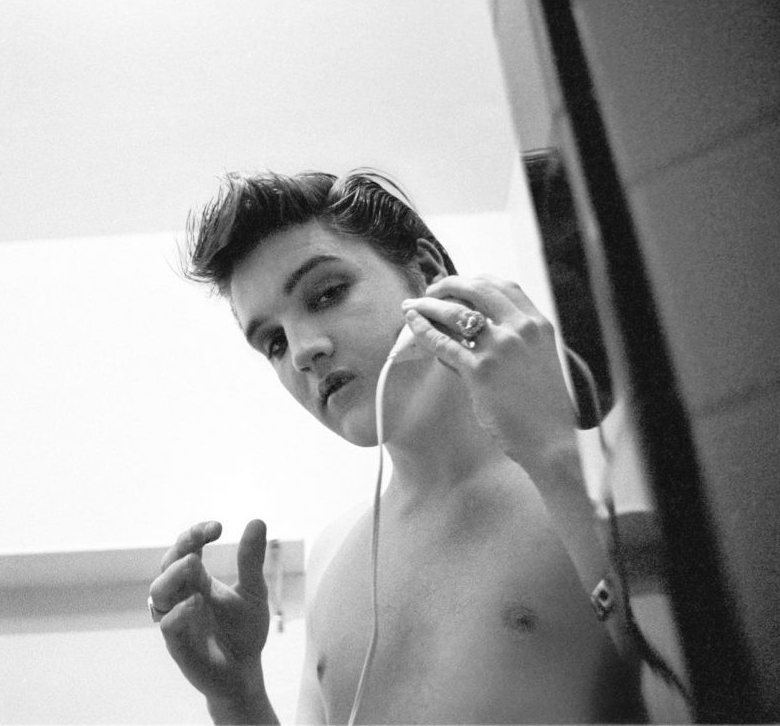
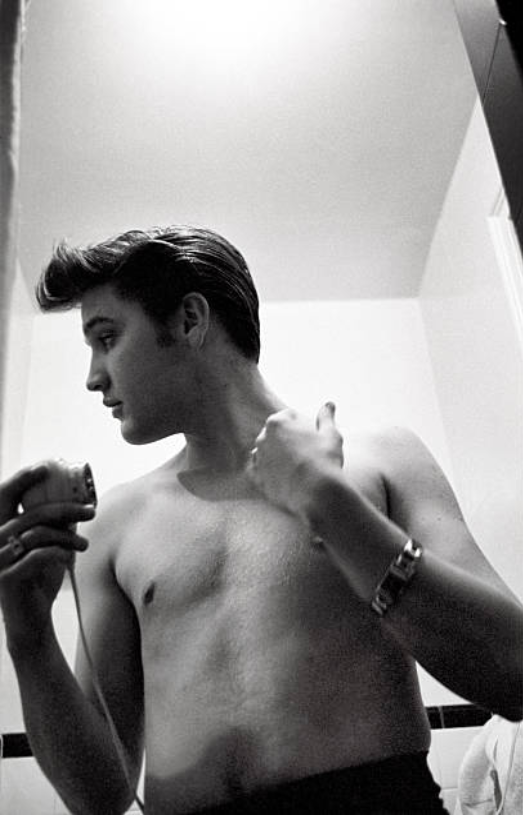
Did Elvis know his photographer was gay?
He was playing a curious role: a feminine straight male?
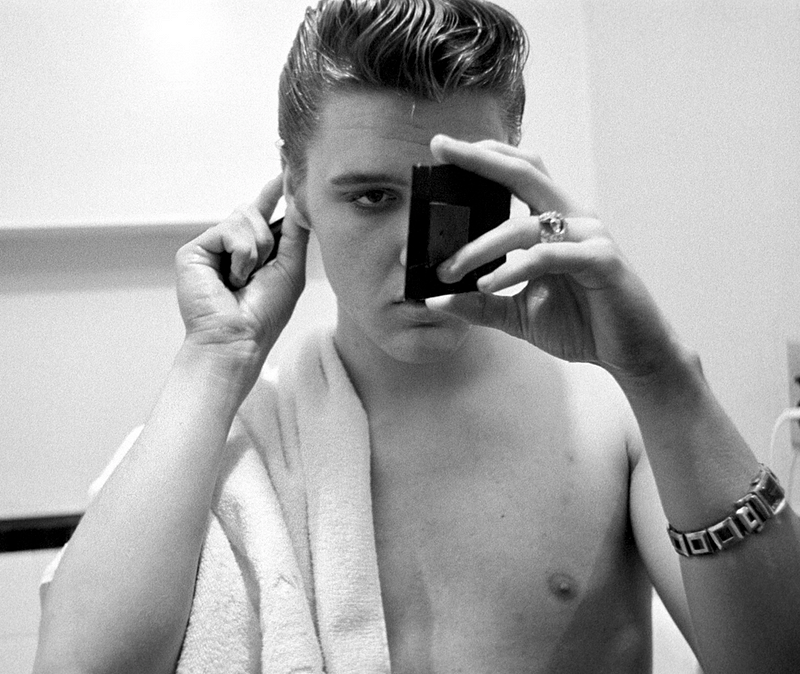
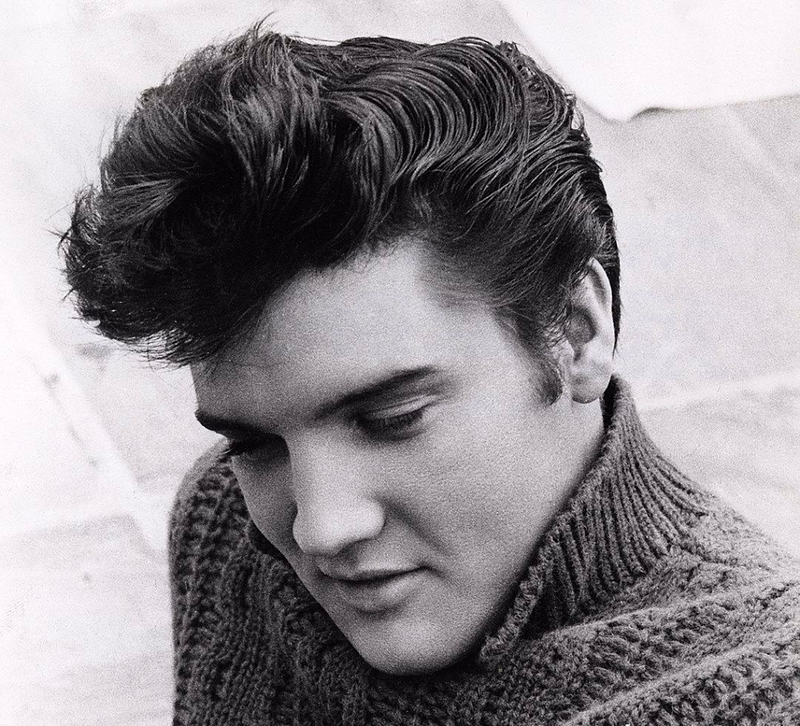
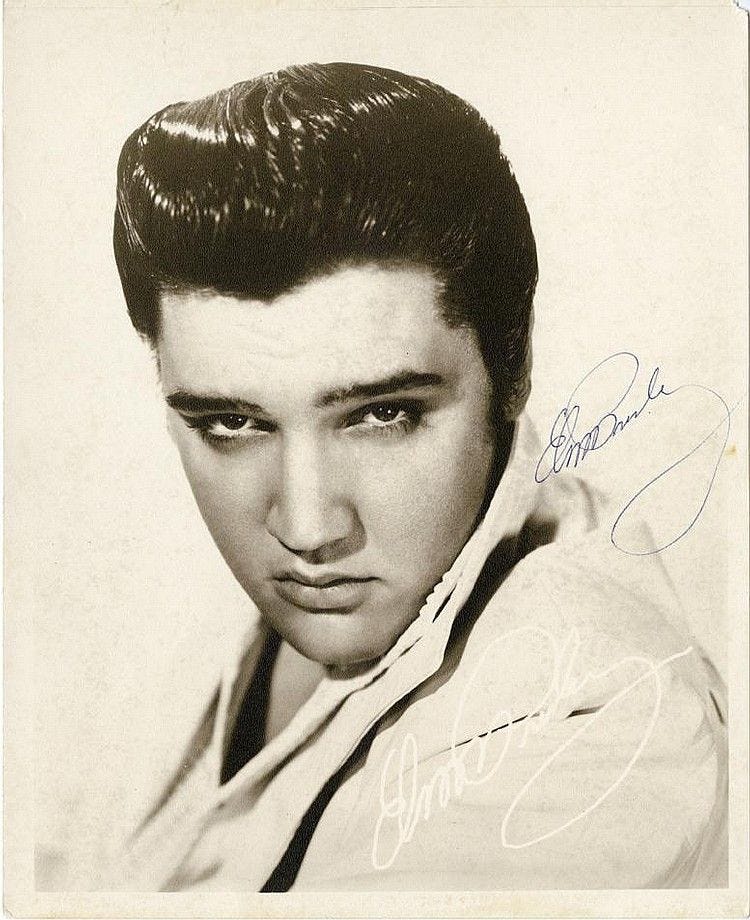
He amazed with his attention to his hair.
He dyed it black, which gave it a toughness, but also a mystery. He got it cut by a beautician, not a barber. He wore three hair products to keep it in place, but his hair was like a sculpture that was in constant motion.
Biographer Peter Guralnick reports: “He was constantly fooling with his hair — combing it, mussing it up, training it, brushing the sides back.”
But Guralnick is evading the obvious fact that Elvis’ elaborate, ornate hair was distinctly un-masculine for the period. Elvis’ hair was styled “like a woman’s,” as Marjorie Garber noted in her 1997 study, Vested Interests: Cross-Dressing & Cultural Anxiety.
Male hair was supposed to be short, cropped, controlled.
That was the idea of the time. But Elvis’s hair awakened for many men the idea that they, too, could be sexy, free, glamorous, fascinating.
That is, they could be like women.
Then came the infamous hair cut.
When Elvis entered the Army in 1958, it was read as him being subordinated, tamed. John Lennon said that Elvis “died when he went into the Army. That’s when they killed him. That’s when they castrated him.”
I suspect Leonard Cohen’s lyrics to his song “Hallelujah” were remembering that fateful haircut.
“She tied you to a kitchen chair She broke your throne, and she cut your hair And from your lips she drew the Hallelujah”
But Elvis’ hair wasn’t shorn or buzzed. It was just a male haircut.
It didn’t cut off his maleness. It cut off his femaleness.
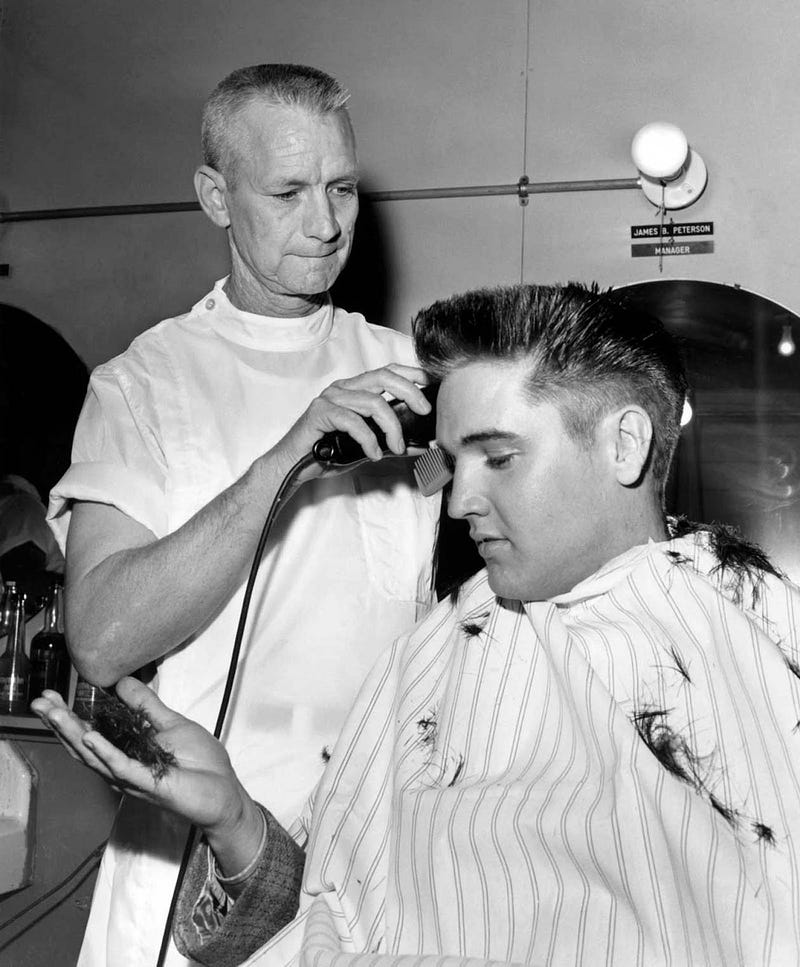
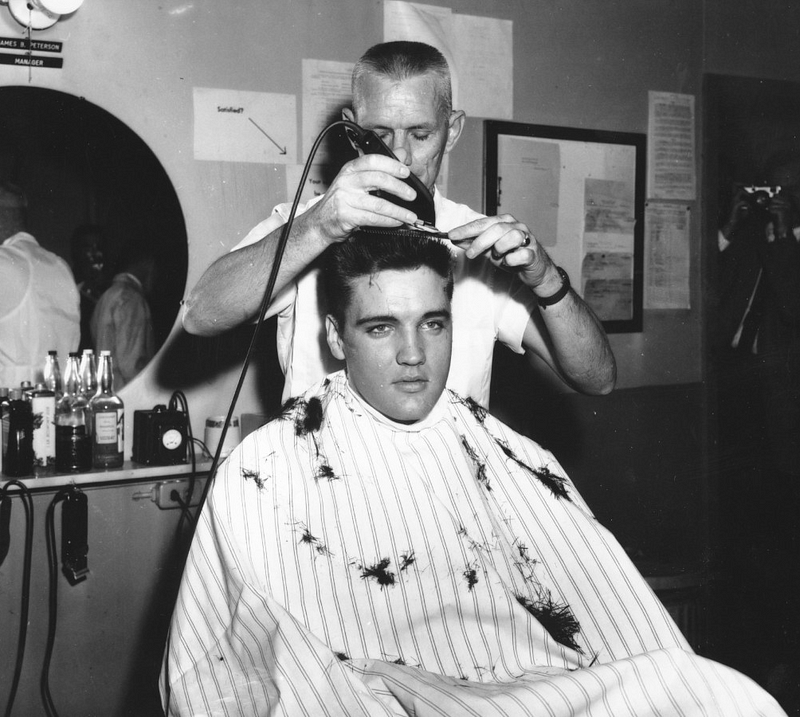
The horrifying photos from Basic Training were displayed.
What had they done to the man they had called “the King”?
Elvis Presley was now just another man.
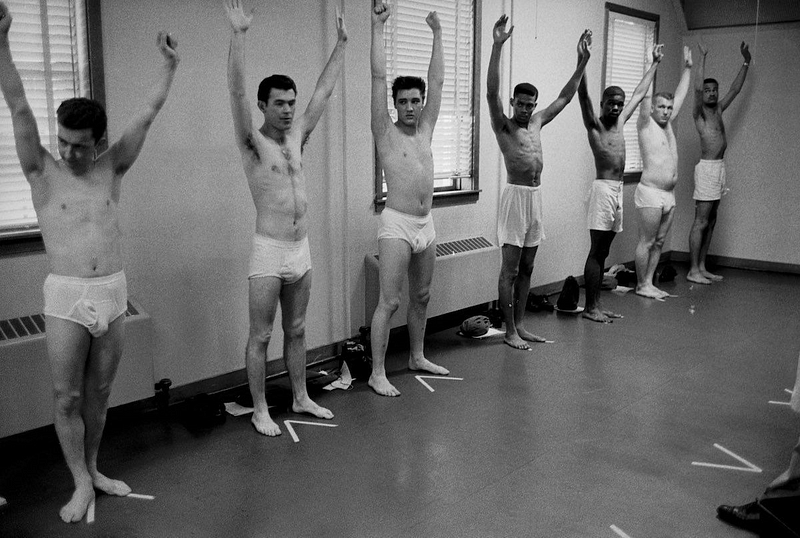
The key erotic activity of his life was posing.
Elvis spent much of his life in photography studios, in heavy make-up, his hair highly coiffed, trying out different expressions.
He had a remarkable relationship with the camera — which he never really had with any woman. He was widely assumed to be great in bed.
Didn’t his electric stage presence translate into electric sexual technique? That was the thinking. This led to scenes of women having sex with him and being disappointed. The actress Natalie Wood reported:
“God, it was awful. He can sing but he can’t do much else.”
Rita Moreno often talks of sleeping with Elvis once. “He was sweet but boring,” she says. Or another time: “Amateur night.”
Elvis’ stepbrother Billy Stanley recalls that, late in life, Elvis said he’d been in love twice.
But Elvis was withholding names. “You couldn’t even guess,” he said.
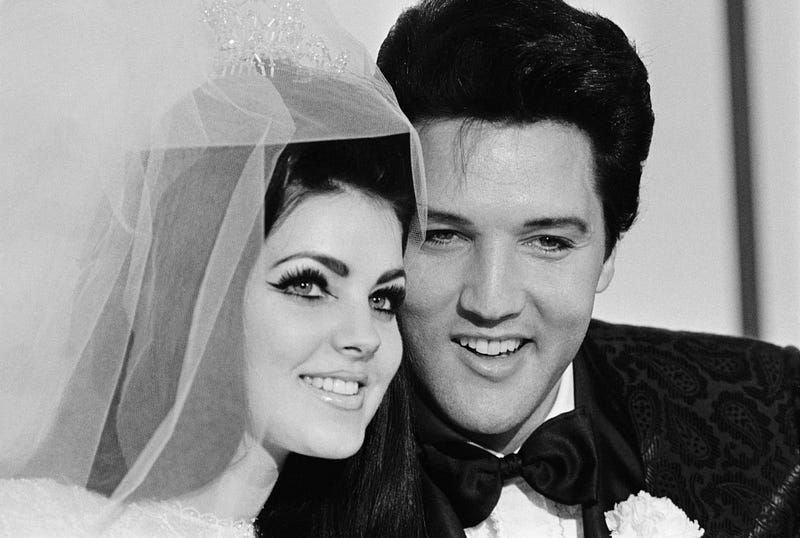
The one everyone would guess was his wife, Priscilla. That was never a sexual relationship, really. In her memoir, she writes of it:
“Instead of consummating our love in the usual way, he began teaching me other means of pleasing him.”
I wonder if the interest in the relationship was more in styling Priscilla to look like himself. A female Elvis.
But women have often ‘done’ Elvis.
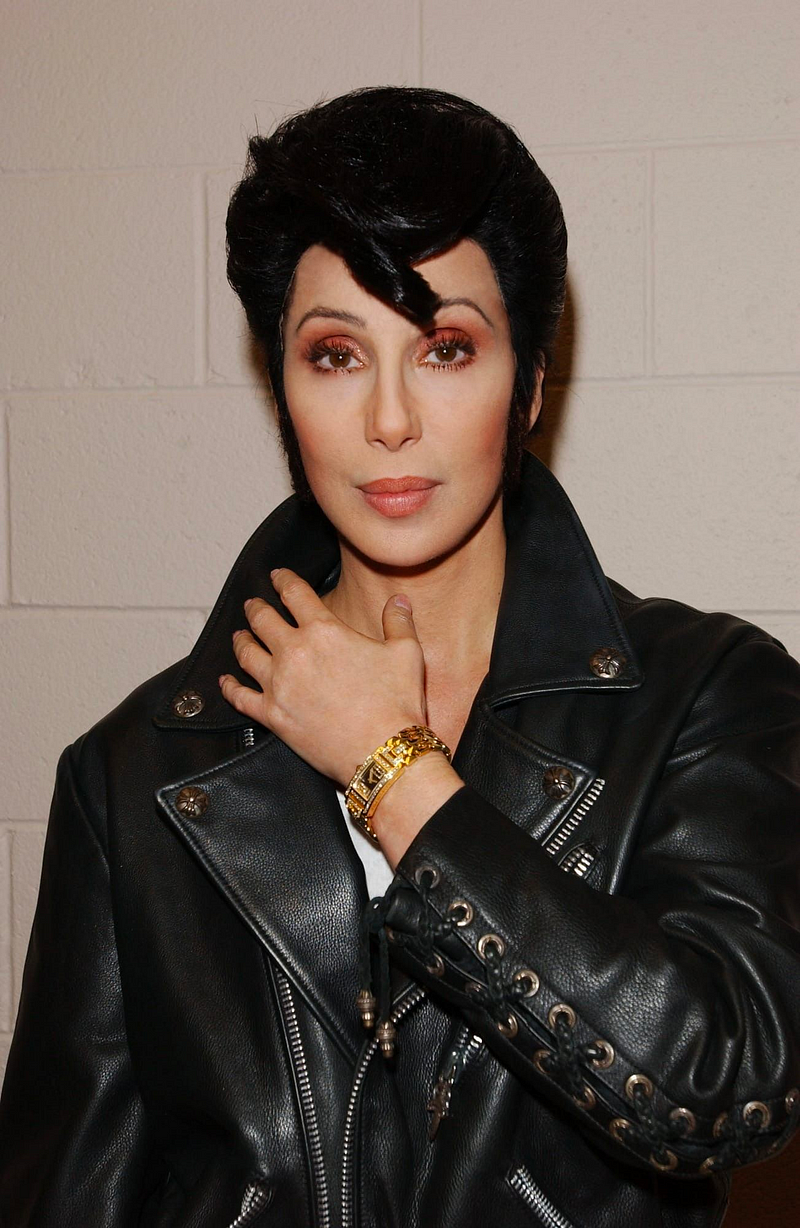
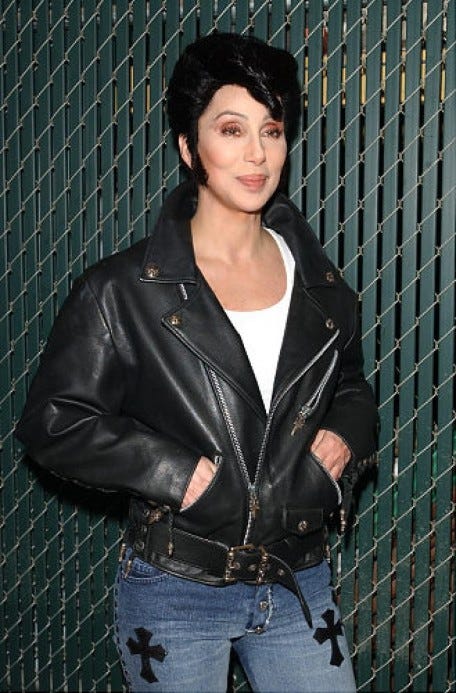
In the long history of women performing as Elvis, one would certainly mention Cher. Though I think she was always ‘doing’ him, even as a woman.
I hear her usual singing voice as an inflection of Elvis — as if she was the female version of the androgynous being that he was.
After he died, there was an effort to divinize him.
He became an American religion. The priests were the Elvis impersonators. The temple was Graceland.
There was a corresponding effort to expose him. In 1981, a shock biography. Albert Goldman’s Elvis, now long out of print, horrified fans. It was a gruesome portrait of a sex hero who’d been deeply anxious around sex and avoided it. Elvis would complain:
“…when he engaged in intercourse, the foreskin, pulled back and forth in the grip of the vulva, would fray and tear, sometimes emerging bloody.”
When Elvis got Priscilla pregnant, Goldman says, the marriage was over.
Otherwise, Elvis’ expression of sexuality was with himself. A lifelong porn user, he’d have new material brought in for nightly jerk-off session.
He did sometimes receive oral sex from teenage girls. Goldman thinks Elvis also liked to film girls in panties wrestling, or watch male friends have sex with them.
Elvis could get into sex when it was weird.
Goldman reported on Elvis getting with an unnamed Hollywood actress who was very sexually experienced and intuited his fantasy life. She jerked him off and rubbed his semen over her face. He was enthralled.
A female movie star, Goldman reports, one got into an argument with Elvis, who then:
“…leaped to his feet, seized the young woman by the hair, dragged her stumbling head over heels across a marble coffee table and into the next room, where he planted a very vigorous kick in her ass and ordered one of the boys to throw her out in the street.”
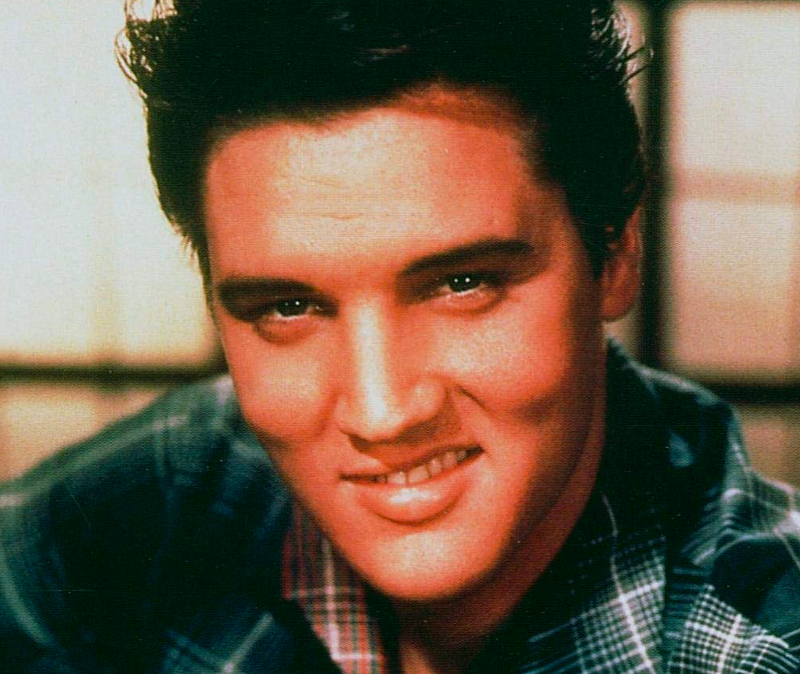
There’s been speculation about gay relationships.
Sometimes Nick Adams, the actor thought to be bisexual, is mentioned.
But finally, I wonder if Elvis had a ‘relationship’ with anyone.
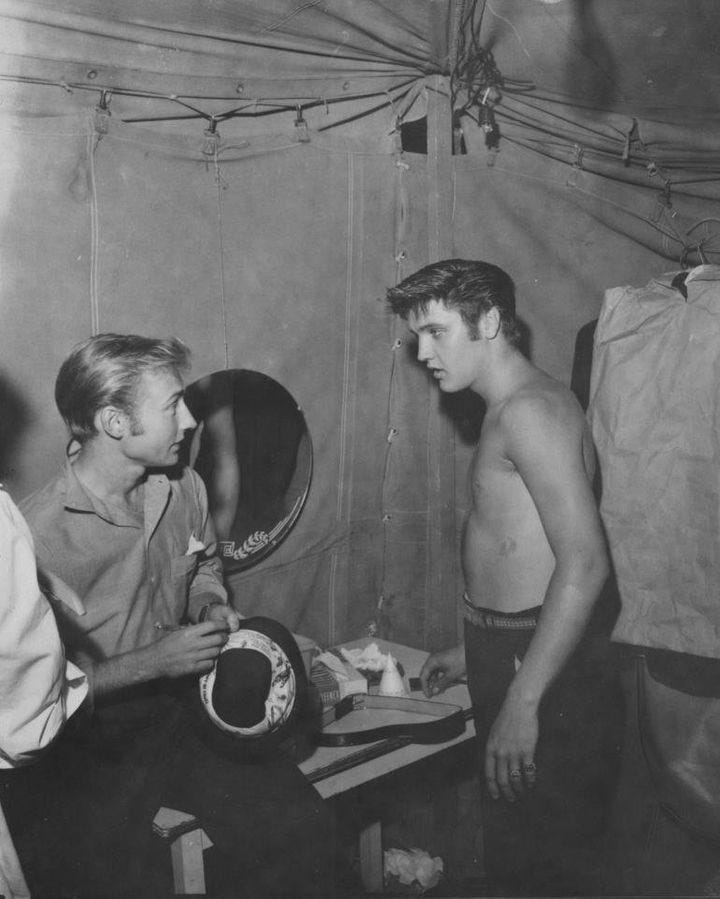
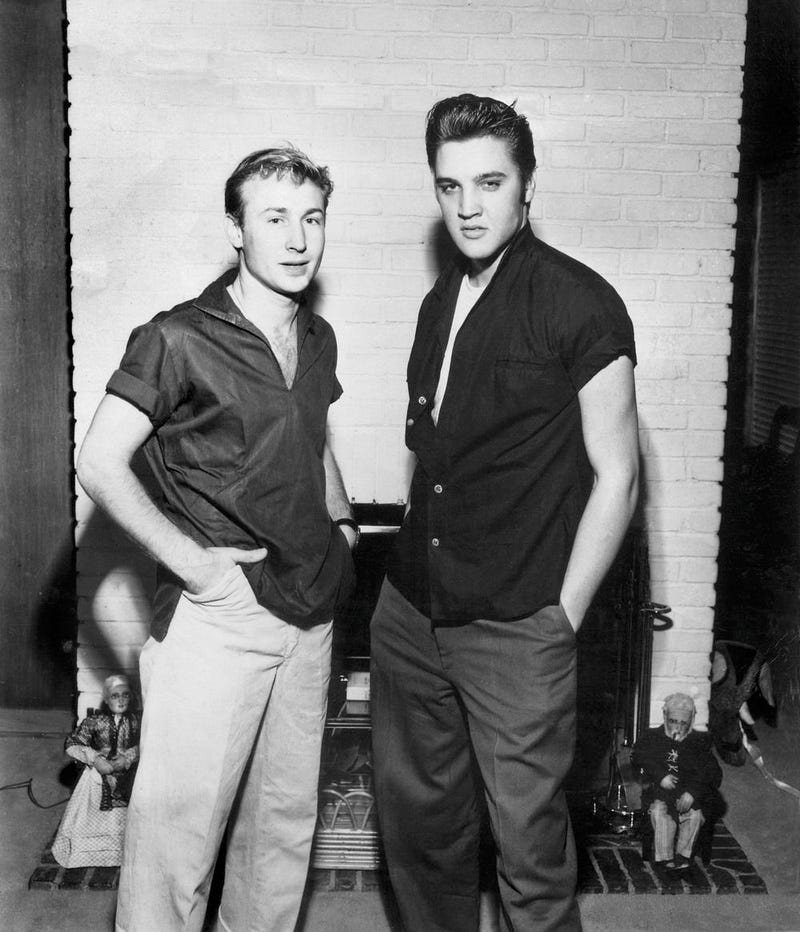
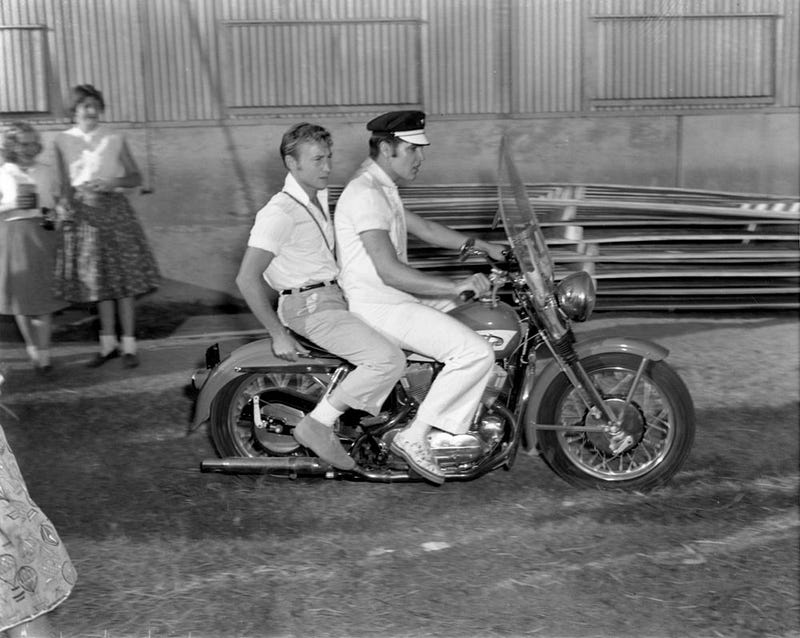
Or was the love of his life…Liberace?
It’s barely mentioned in Elvis literature, but Marjorie Garber discusses what she calls the “uncanny” bond between the two performers. She writes:
“Both of them, remarkably, were twins, each born with a twin brother who immediately died. Both, that is to say, were… changelings, changeling boys, substitutes for or doubles of something that never was.”
A 1956 meeting between them was covered in the press. Elvis and Liberace switched into each other’s clothes and played each other’s instruments in an informal performance.
Liberace said: “Elvis and I may be characters, but we can afford to be.”
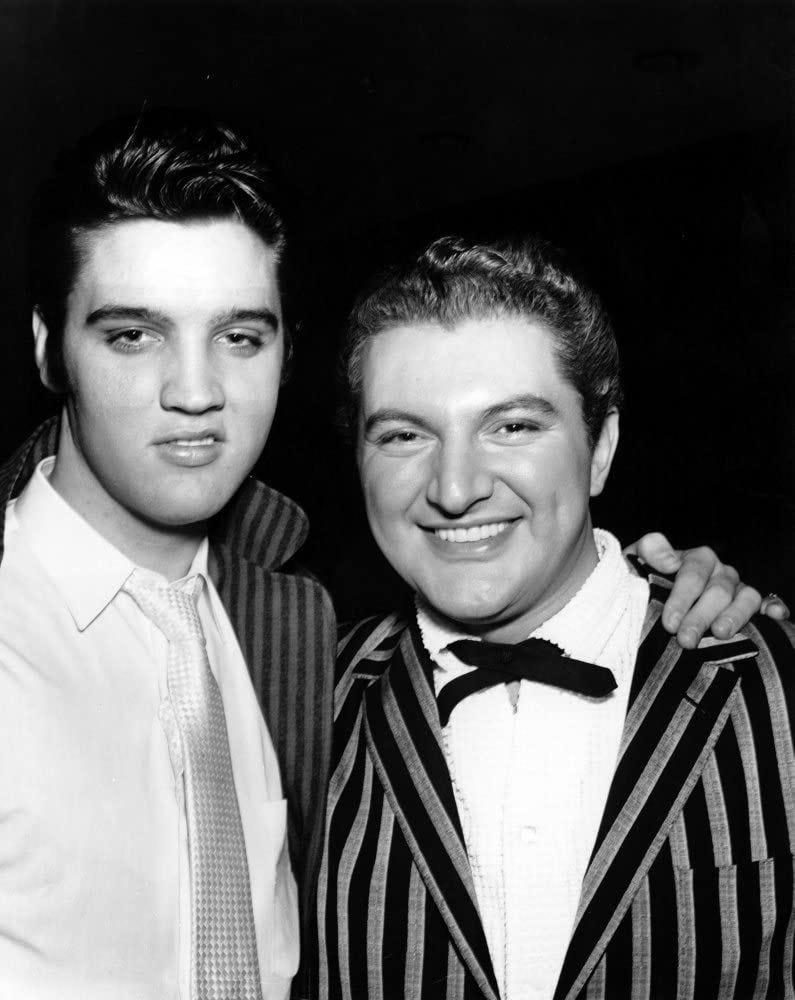
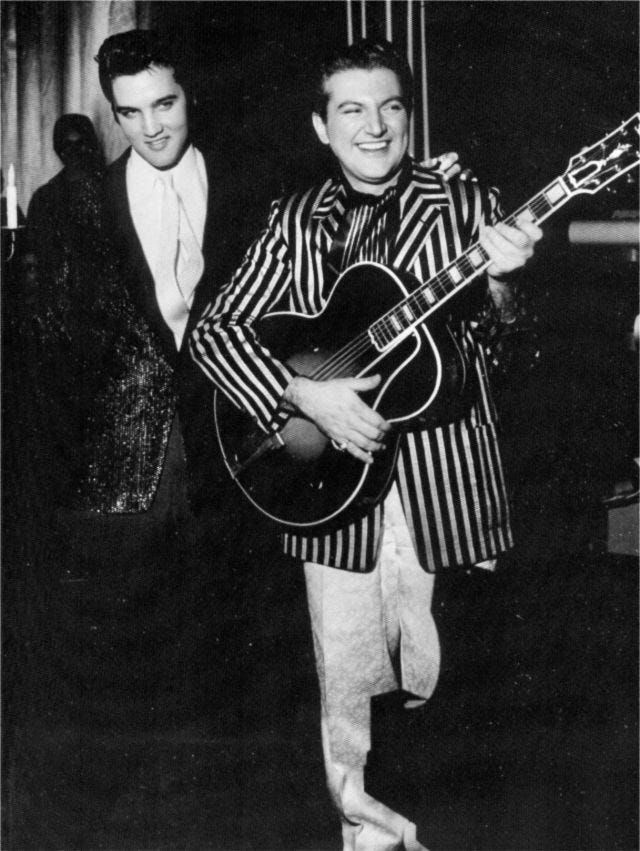
Liberace encouraged Elvis to be more like him.
In a study of Elvis, Elvis: Unseen Archives (2003), Marie Clayton reports that Liberace encouraged Elvis to play up his costumery—and so came the era of Elvis’ gold lamé outfits, the capes, the theatrics. It was ultra-Liberace.
In response, Liberace’s own costumes became even more outrageous. He’d explain: “Because of Elvis Presley and his imitators, I really have to exaggerate to look different and to top them.”
They both lived in Vegas for years, but there’s no mention of more meetings. They remain so alike—strange, estranged beings. Separated twins, now doing their bizarre performance for the world.
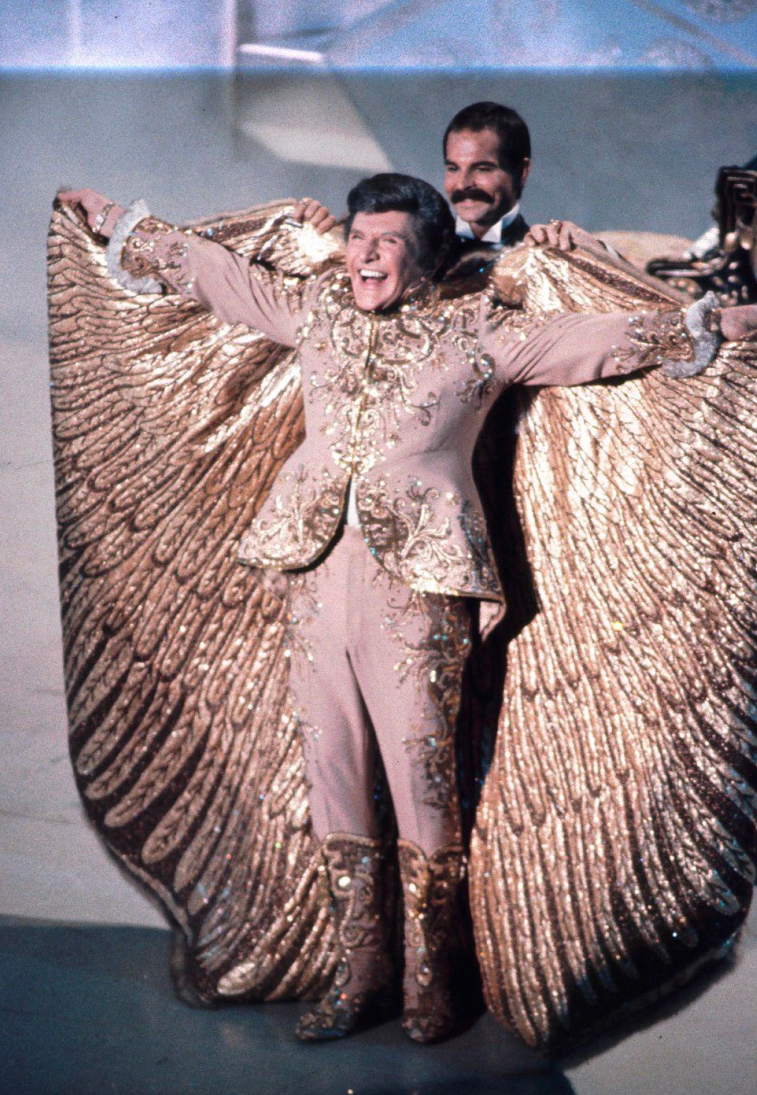
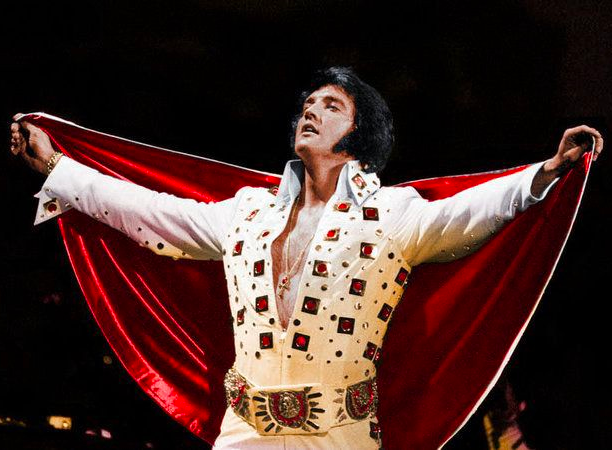
Elvis horrified people when he got fat.
As Marjorie Garber notes, many male performers put on weight, like Marlon Brando, but that didn’t trouble people as much as Elvis—the sex god who seemed now to be some strange aging eunuch.
His fans were happier when he was dead. 🔶