
The Secret Power of Words
How You Talk to Yourself Matters
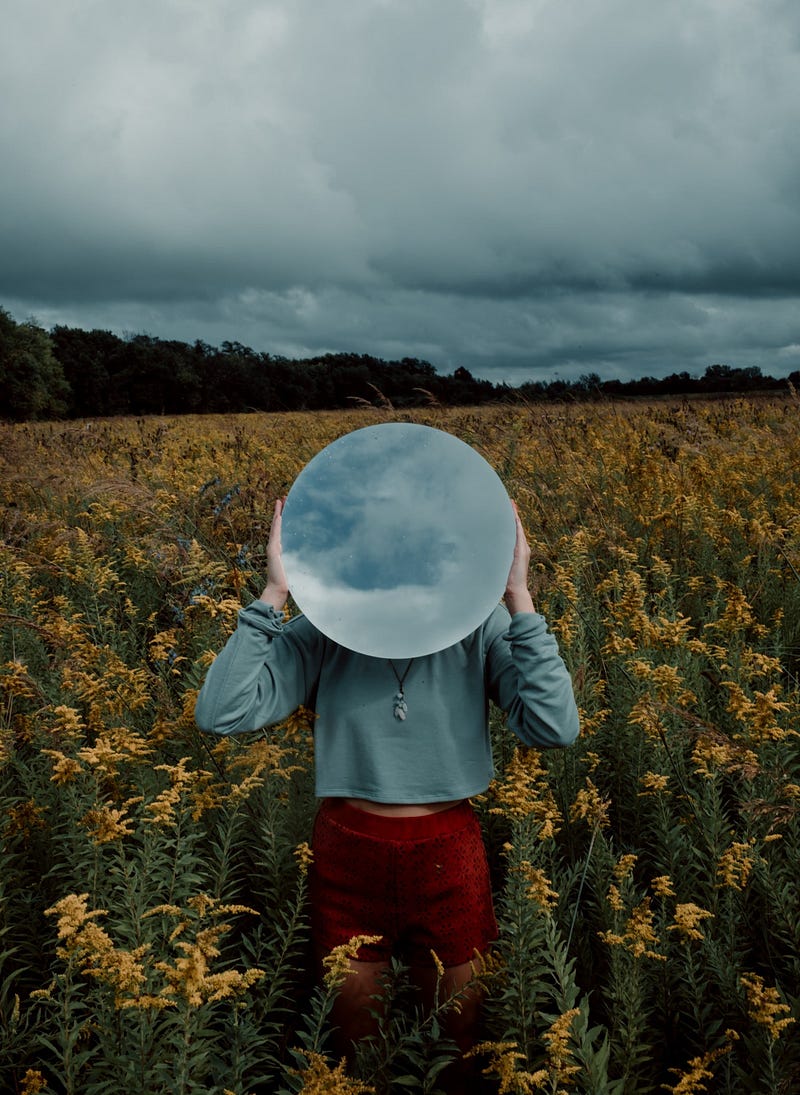
Do you ever think about the words that you use in your everyday life? The power they have either for you or against you?
Words are only words, it’s true. Yet, it’s their social and cultural backgrounds/origins that shape them. It’s the emotions behind them that are powerful.
Think about it this way: if you were pissed at someone — let’s say someone cuts you off on the highway — in the heat of the moment you probably wouldn’t scream: “You cut me off! Go flower yourself!”. And why wouldn’t you? Because flowers usually imply something good, positive, peaceful (I’m going on a limb here and say that you most likely didn’t want to evoke pleasant feelings in the f-ing driver).
As weird as it may seem, calling someone a flower certainly isn’t the worst thing you could do.
But it gets worse when you talk to yourself in the opposite way (e.g. “I’m stupid”, “I’m fat”, “I hate my job”). Sounds familiar?
I once came across this question:
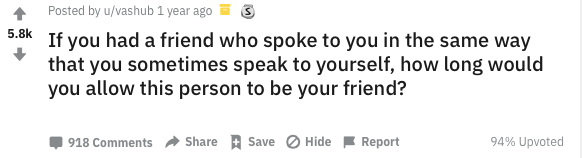
And I had this “huh” moment. It’s true, isn’t it? We talk down on ourselves way too much, without even realising it. At least I didn’t.
But I started noticing that words, in fact, have power. And the beauty of it is, that once you stop giving them power to control your valuable emotions, life becomes a different story.
You can even alter them to your benefit.E.g. instead of saying: “I’m stupid”, say “I have an opportunity to learn/grow”. Change “I’m fat” into “I’m curvy”. This sentence “I hate my job” becomes “I value my job. It may not be perfect, but it pays for my food.”
Change them so that your words, sentences and thoughts loose that negative connotation.
Try to be conscious of the words you use, try journaling if you find it helpful, stop your thoughts midsentence if you have to. Go back, reshape the thought, change words, and think the thought again. Even say it aloud.
Words aren’t just empty letters but something that can truly shape your thought process.
One woman that made me understand this even more is Marisa Peer, a world renowned speaker, therapist and a best-selling author. I am a fan of Women of Impact podcast (which is about empowering women but can be applied to any gender) and recently I stumbled upon an open talk with Marisa Peer about negative thoughts. She discusses why thoughts matter and how to stop negative ones. If you are interested in learning much more about this topic, I highly recommend listening to it. It’s accessible on YouTube, through this link: https://www.youtube.com/watch?v=BkMgAJR2sRQ. (This is not an add though, only wishing to share with you something insightful that you will potentially find helpful :))
Reading suggestions:


