
The Role of Whole Grains in a Healthy Eating Plan
Exploring the Nutritional Benefits and Versatility of Whole Grains
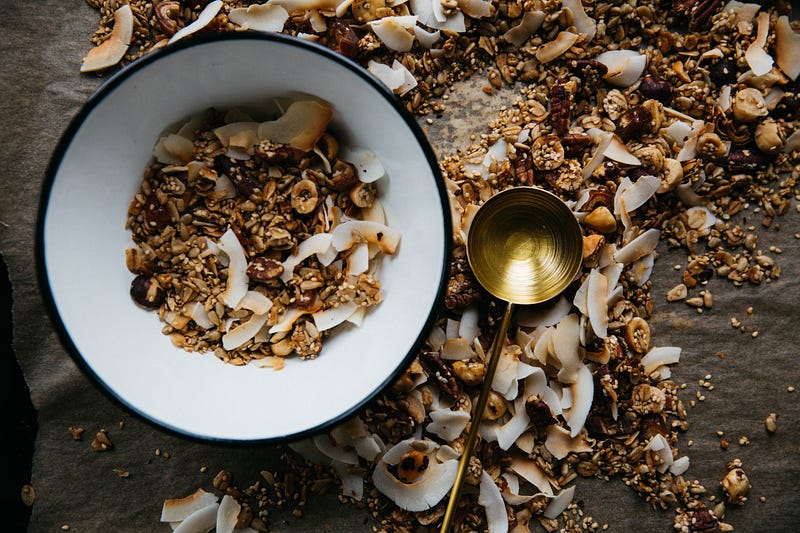
Whole grains stand out as a nourishing and crucial part of a healthy eating plan in a world when processed foods dominate the market. Fiber, vitamins, minerals, and antioxidants are just a few of the numerous health advantages that whole grains can provide. Because they are whole grain and have not been refined, they contain essential elements that refined grains do not. This blog post will examine the importance of whole grains in a healthy diet, go over their nutritional advantages, talk about how they help heart health, and offer helpful advice on how to include whole grains in your daily diet. You may significantly enhance your general health and wellbeing by becoming aware of the value of whole grains and learning how to include them in your meals.
Understanding Whole Grains: What Are They?
It’s critical to comprehend what whole grains are in order to comprehend their function in a balanced diet. The bran, germ, and endosperm of the grain kernel are all present in whole grains, in contrast to processed grains. The outer layer, known as the bran, is dense in fiber, B vitamins, and antioxidants. The nutrient-dense center, which includes good fats, vitamins, and minerals, is called the germ. The starchy portion of the endosperm is what gives out energy.
Whole wheat, oats, brown rice, quinoa, barley, and corn are a few examples of whole grains. Every grain variety has unique tastes, textures, and culinary applications, making them adaptable ingredients in a variety of cuisines.
The Health Advantages of Whole Grains
The necessary elements included in whole grains support general health and well-being. Whole grains’ high fiber content is one of their main benefits. Dietary fiber supports satiety, facilitates digestion, and contributes in maintaining a healthy weight. It also has a significant impact on lowering the risk of several illnesses, such as heart disease, type 2 diabetes, and some cancers.
Excellent sources of vitamins and minerals can be found in whole grains. They supply B vitamins including thiamin, riboflavin, niacin, and folate, which are crucial for producing energy, maintaining brain health, and producing red blood cells. Minerals like magnesium, selenium, and zinc, which are important for the immune system’s support, enzyme activity, and bone health, are abundant in whole grains.
Whole grains also include antioxidants, which aid in defending the body against dangerous free radicals. These antioxidants, including lignans and phenolic compounds, have been associated with a lower risk of chronic diseases, such as heart disease and several types of cancer.
Whole Grain Foods for Heart Health
Whole grain consumption can have a considerable positive impact on heart health. Whole grain fiber helps lower cholesterol levels, especially low-density lipoprotein (LDL), also referred to as “bad” cholesterol. Whole grains can prevent cardiovascular conditions like heart attacks and strokes by reducing LDL cholesterol.
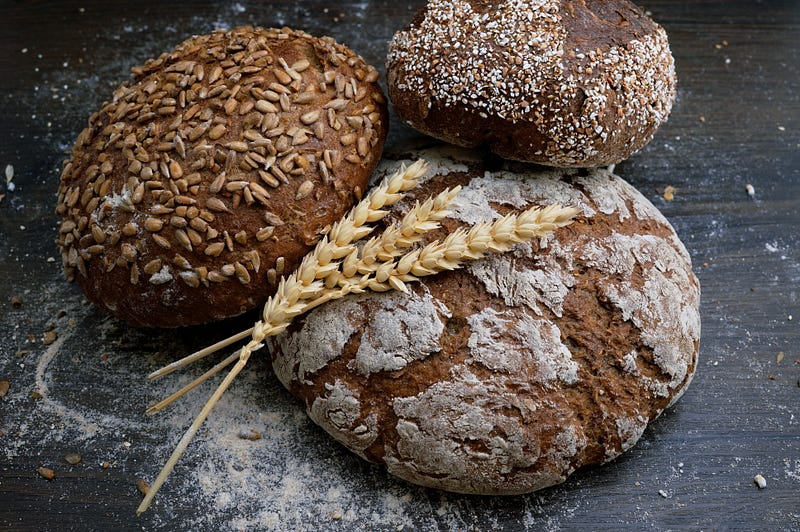
Blood pressure is regulated by whole grains as well. Whole grains contain magnesium and potassium, which help to maintain healthy blood pressure levels, lower the risk of hypertension, and improve heart health.
Whole grains also contain phytochemicals and antioxidants that support heart health. These substances lessen inflammation, enhance blood vessel performance, and aid in preventing blood clot formation.
Making Whole Grains a Part of Your Diet
It’s easier than you would think to include whole grains in your regular diet. Replace refined grains with whole grain substitutes to start. Choose brown rice instead of white rice, whole grain pasta instead of standard pasta, whole wheat bread instead of white bread, etc. The nutritional content of your meals can significantly change with these simple adjustments.
Try out various whole grain choices to add diversity to your diet. Alternatives to conventional grains that are also delicious and nourishing include quinoa, bulgur, barley, and wild rice. To add variety and richness to your meals, add them to salads, stir-fries, or as side dishes.
Think about including whole grains in your morning ritual. Choose oatmeal or whole grain cereals that have fresh fruit, nuts, and seeds on top. These provide you a wholesome and filling start to the day.
Instead of processed snacks, munch on whole grain crackers or air-popped popcorn. These choices provide more fiber and nutrients, which reduces hunger and gives you long-lasting energy all day.
Try replacing refined flour with whole grain flour when baking. For instance, bread, pancake, and muffin recipes can all use whole wheat flour. With this easy change, the nutritional content of your baked goods is increased without sacrificing flavor or texture.
Making a meal plan in advance might also make it easier to include healthy grains. Think about include grain bowls, salads, or pilafs made with whole grains in your weekly meal. These adaptable recipes allow for customization with different veggies, proteins, and dressings, providing a filling and well-balanced supper alternative.
Choose eateries that provide whole grain options when you go out to eat or request replacements. Nowadays, a lot of places provide whole grain versions of rice, pasta, and bread. You may reap the advantages of whole grains even when dining out if you choose wisely.
A balanced diet must include whole grains since they provide a wealth of nutritional advantages and promote heart health. Along with vitamins, minerals, and antioxidants, their high fiber content promotes general health. You can benefit from better digestion, better weight management, and a decreased risk of heart disease by include whole grains in your diet. Embrace the adaptability of whole grains and experiment with different cooking techniques to make them a tasty and healthy component of your meals. Experience the great effects that whole grains may have on your general health and well-being by including them as a staple in your healthy eating plan.
If you enjoyed my article, I would greatly appreciate your support in my creative work. The easiest way to do so is by simply buying me a coffee. Thank you very much for your support.


