
The Superfood Benefits of Almonds, Chia Seeds, and Flaxseeds

Nutrient-rich meals known as “superfoods” are thought to have special health and wellbeing benefits. Almonds, chia seeds, and flaxseeds are three examples of these superfoods. We’ll look at these foods’ positive health effects in this blog article and talk about how to include them in your diet to get the most out of them.
Almonds
Almonds are one of the most popular nuts around the world. They are packed with nutrients that offer a range of health benefits. Almonds can be enjoyed as a snack or added to various recipes, and their health benefits are well-supported by research. In this blog post, we will discuss some of the top health benefits of almonds.
Almonds’ Nutritional Profile Protein, good fats, fiber, as well as other vitamins and minerals, are all abundant in almonds. A serving of one ounce (or roughly 23 almonds) of almonds contains:
- Calories: 162
- Protein: 6 grams
- Fat: 14 grams (9 of which are monounsaturated)
- Fiber: 3.5 grams
- Vitamin E: 37% of the RDI
- Magnesium: 20% of the RDI
- Copper: 32% of the RDI
Other necessary minerals including calcium, potassium, iron, and zinc are also abundant in almonds.
Almonds’ health advantages
A. High in antioxidants
Almonds are a great source of antioxidants, which aid in defending the body against the damaging effects of free radicals’ oxidative stress. Cells may be harmed by oxidative stress, which can also play a role in the emergence of chronic illnesses including cancer and heart disease. Eating whole almonds with their skins intact is vital because almond skin has a high concentration of antioxidants.
B. Encourages heart health
Due to its high concentration of monounsaturated and polyunsaturated fats, fiber, and antioxidants, almonds are good for heart health. Eating almonds has been found in studies to lower levels of LDL (bad) cholesterol and lower the risk of heart disease. Magnesium, which is necessary for preserving a good cardiac beat, is also present in almonds.
C. Aids in Blood Sugar Control
Due to their low glycemic index, almonds do not result in a sharp rise in blood sugar levels. Almonds can help slow down the digestion of carbs and lessen the spike in blood sugar that occurs after eating. For those with type 2 diabetes, who must manage their blood sugar levels, this is especially crucial.
D. Promotes Weight Control
Despite having a high fat content, almonds are a healthy source of fiber and protein. Almonds can increase your feeling of fullness, which can help you consume less calories overall and promote weight loss. According to studies, individuals who consume almonds as a snack tend to eat less at future meals, which over time can result in weight loss.
E. Promotes Mental Health
Vitamin E, which has been connected to brain health, is abundant in almonds. Antioxidant vitamin E shields the brain from oxidative stress and may lower the likelihood of getting Alzheimer’s. Other elements included in almonds, such as riboflavin and magnesium, have been connected to the health of the brain.
F. Beneficial to Skin and Hair
Vitamin E and other antioxidants found in almonds assist to protect the skin from oxidative damage and early aging. Additionally, vitamin E can help stop hair loss and encourage healthy hair growth.
Chia seeds
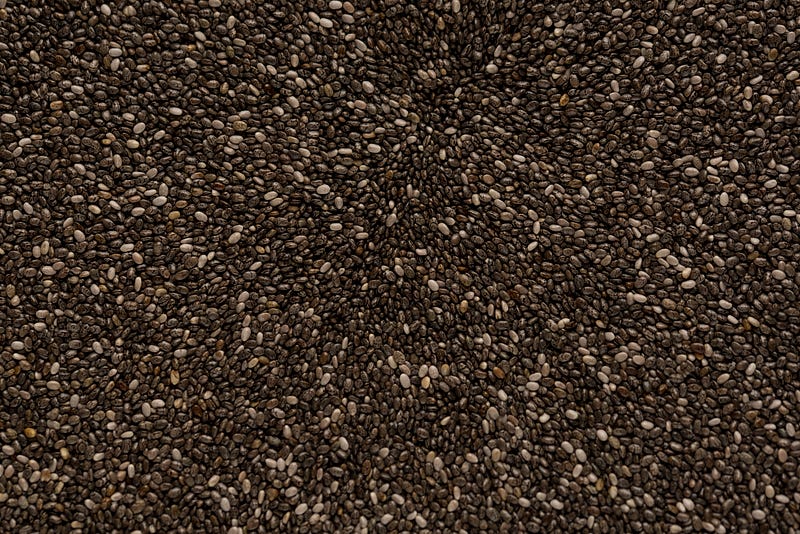
Small, oval-shaped chia seeds are produced by the Salvia hispanica plant, a type of mint that is indigenous to Mexico and Guatemala. Since the Aztecs and the Mayans employed them for their therapeutic powers, they have been ingested for countless years. Chia seeds have become well-known as a superfood in recent years because of their excellent nutritional profile and potential health advantages. We will discuss the advantages of chia seeds for your health and how to include them in your diet in this blog post.
Chia seeds are rich in nutrients and offer a long list of health advantages, such as better digestion, weight loss, and lowered inflammation. In this blog post, we’ll look at the research backing up the health advantages of chia seeds and consider several methods to include them in your diet.
Chia seeds are a great source of fiber, protein, omega-3 fatty acids, as well as several vitamins and minerals. Chia seeds weigh 28 grams, or one ounce, and contain roughly:
- 138 calories
- 9 grams of fat (mostly unsaturated)
- 12 grams of carbohydrates
- 11 grams of fiber
- 4 grams of protein
- Calcium, phosphorus, and magnesium
Health Benefits of Chia Seeds
A. Promote Weight Loss
Chia seeds have been demonstrated to aid in weight loss by increasing feelings of fullness and decreasing appetite. A. Promote Weight Loss. Chia seeds’ rich fiber and protein content might also aid in lowering daily caloric intake.
B. Enhance Digestion
Chia seeds have a high fiber content that may assist to encourage regular bowel motions and enhance digestive health in general.
C. Lower Risk of Chronic Inflammation
Chronic inflammation has been linked to a number of chronic diseases, including heart disease, cancer, and arthritis. Chia seeds contain omega-3 fatty acids, which have been linked to a lower risk of chronic inflammation.
D. Enhance Heart Health
Omega-3 fatty acids, which are abundant in chia seeds, have been demonstrated to lower cholesterol and lower the risk of heart disease.
Flaxseeds
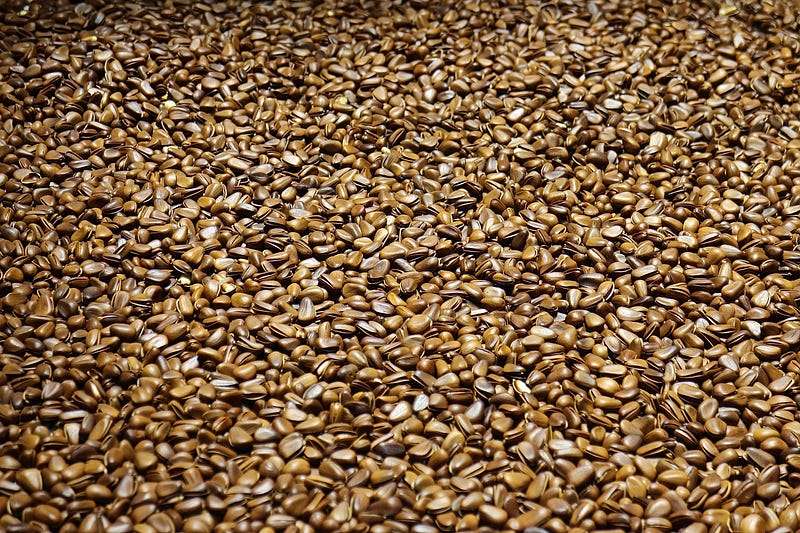
Flaxseeds, commonly referred to as Linseeds, are nutrient-rich little seeds with a nutty flavor. They have been grown for many centuries and are a great source of fiber, essential fatty acids, and other vital minerals. Due to its numerous health advantages, flaxseeds have become more and more well-known as a superfood in recent years. We shall examine the health advantages of flaxseeds in this blog post.
Omega-3 and omega-6 fatty acids are among the necessary fatty acids that can be found in abundance in flaxseeds. These fatty acids are crucial for keeping cells functioning normally, lowering inflammation, and enhancing heart health.
Two tablespoons of ground flaxseeds provide four grams of fiber, making flaxseeds another excellent source of fiber. Fiber is crucial for generating regular bowel movements, keeping the digestive system healthy, and lowering the risk of heart disease.
- Calories: 55
- Protein: 1.9 grams
- Carbohydrates: 3 grams
- Fiber: 2.8 grams
- Total fat: 4.3 grams
- Saturated fat: 0.4 grams
- Monounsaturated fat: 0.8 grams
- Polyunsaturated fat: 3 grams
- Omega-3 fatty acids: 2.5 grams
- Omega-6 fatty acids: 0.5 grams
- Vitamin B1 (thiamine): 8% of the RDI (recommended daily intake)
- Vitamin B6 (pyridoxine): 2% of the RDI
- Folate: 2% of the RDI
- Calcium: 2% of the RDI
- Iron: 2% of the RDI
- Magnesium: 7% of the RDI
- Phosphorus: 4% of the RDI
- Potassium: 2% of the RDI
- Zinc: 2% of the RDI
Benefits of Flaxseeds for Health
Promotes Heart Health
Studies have indicated that the necessary fatty acids included in flaxseeds might enhance heart health. These fatty acids can help to lower blood pressure, reduce inflammation, and minimize the risk of heart disease.
Supports Digestive Health
Flaxseeds are excellent for supporting digestive health due to their high fiber content. Constipation and other digestive issues are less likely since fiber helps to keep the digestive tract regular.
Reduces Inflammation
Lignans, which are chemicals that have been demonstrated to reduce inflammation in the body, are abundant in flaxseeds. This can lower the risk of developing chronic illnesses like cancer and arthritis.
Enhances Skin Health
Flaxseeds include necessary fatty acids that can also aid to enhance skin health. These fatty acids can aid in improving skin suppleness, reducing inflammation, and moisturizing the skin.
Helps with Weight Management
Flaxseeds are a wonderful diet for weight management since they are high in fiber and low in calories. Flaxseeds’ fiber works to encourage feelings of fullness, which lowers the risk of overeating.