
The Psychology Behind ‘Cancel Culture’ and Scapegoating on Social Platforms
Why the Masses Point Fingers and the Intricacies of Online Shaming
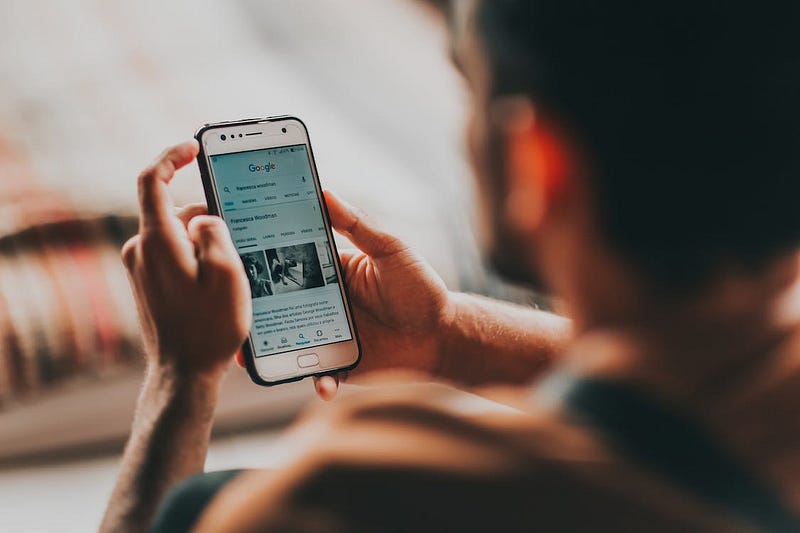
In the golden era of social media, where opinions can spread like wildfire, there’s an undercurrent of a phenomenon as old as time. Scapegoating and the more contemporary term, ‘cancel culture,’ has woven itself into the fabric of our digital discourse, and we can’t help but wonder why.
To understand cancel culture, we must first dive into the annals of history. From ancient civilizations to modern society, scapegoating has been a tool for communities to expel negative emotions or energies. Historically, a community would symbolically place their sins upon an animal and cast it out, thereby cleansing themselves of wrongdoings. It’s a cathartic exercise, offering an avenue to vent collective frustrations.
Scapegoating in Ancient Societies has its roots in rituals that span from the Levant to the Americas, where individuals, animals, or even objects were burdened with communal transgressions and expelled, metaphorically absolving the community.
Fast forward to the age of Twitter, Instagram, and TikTok, the dynamics of scapegoating have evolved, but the essence remains. Cancel culture can be viewed as the digital successor of this archaic practice. A celebrity, influencer, or sometimes even an ordinary person commits (or is perceived to have committed) a social sin. The digital mob, then, in a modern act of catharsis, publicly shames and ‘cancels’ the individual.
But what fuels this?
Psychologists suggest that this behavior is rooted in several factors:
Groupthink and Belonging: As social creatures, humans crave acceptance. Studies have shown that aligning with popular sentiment and participating in collective actions strengthens our sense of belonging. Being part of the ‘canceling’ majority makes one feel safer and more connected.
Moral Grandstanding: Cancel culture often allows individuals to showcase their moral compass, thereby gaining social capital.
Digital Disinhibition: Behind screens, people are bolder. Psychologist John Suler coined the Online Disinhibition Effect, explaining how the anonymity and invisibility of online platforms encourage individuals to act more rashly than they would in face-to-face encounters.
A close friend of mine, faced the sharp edge of cancel culture. A misinterpreted tweet from years ago resurfaced, and before she knew it, her notifications were flooded with outrage. The trauma was palpable. But this story isn’t just about Maya. It’s about the countless individuals who’ve been silenced, shamed, or harassed. It’s about recognizing that the online has real-world ramifications despite its temporary nature.
Does this mean we should condone harmful actions or words? Absolutely Not. There’s a stark difference between constructive criticism and blind vilification. Digital platforms are powerful tools for accountability, but they must be wielded with discernment.
Here are some steps to foster a healthier online community:
Educate Before You Accuse: Research the context before jumping on the cancel bandwagon. Understanding the bigger picture can sometimes change our perspective.
Promote Constructive Conversations: Instead of perpetuating hate, encourage discussions.
Humanity: Behind every username and profile picture is a natural person. Treat them as you’d wish to be treated.
Historical scrutiny reveals that societies that heavily practiced scapegoating eventually faced societal fragmentation. When repeatedly exercised in exclusionary acts, the collective conscience often turned inward, leading to mistrust and division. We must ask ourselves, do we want to retread this path?

One poignant example is the Salem witch trials. In a whirlwind of hysteria, the community turned on its own. Accounts from that era depict paranoia, mistrust, and regret. The trials serve as a testament to the dangers of unchecked collective frenzy.
While individuals certainly have a role, social media platforms must acknowledge their responsibility as the architects of modern digital discourse. Algorithms that promote outrage, the ease of sharing unverified information, and the lack of consequences for cyberbullying contribute to the cancel culture phenomenon.
Several tech industry insiders, including former Facebook executive Chamath Palihapitiya, have expressed concern over the social implications of the platforms they’ve helped build. In his talk at Stanford, Palihapitiya candidly shared his regret over Facebook’s role in “tearing apart the social fabric.”
Platforms can:
Implement Better Moderation: Employ AI and human reviewers to flag and review harmful content, ensuring a safer online environment.
Promote Digital Literacy: Platforms like Facebook and Twitter could introduce modules or content that educate users on responsible sharing and the implications of digital witch-hunting.
Celebrate Positive Engagement: Algorithm tweaks prioritizing constructive and positive interactions can shift user behavior.
Our online is a reflection of our collective psyche. Every retweet, comment, or like is a vote for the kind of digital society we wish to inhabit. There’s an imperative need to bridge the gap between the polarities we see online.
Organizations such as HeartMob support individuals who’ve faced online harassment, embodying the spirit of positive digital intervention. By sharing resources, extending psychological help, and even lending an empathetic ear, we can counterbalance the darker aspects of the web.
The ease of tapping a screen to send a message means that our words often fly without forethought. But as Spiderman’s uncle wisely said, “With great power comes great responsibility.” In an age of digital influence, it’s upon us to decide: will we be contributors to chaos or architects of understanding?
Thanks for taking the time to read. I’d like to hear your perspective.
You can also refer to the related articles:

Please subscribe here to receive the latest insightful stories by email.
Did you find this enjoyable? If so, remember to hit the clap button, which you can press up to 50 times and comment. Take advantage of more from me — ensure you’re following if you still need to. Thank you for being an integral part of my journey.


