
Time To Franchise the Social Media World
The Landscape
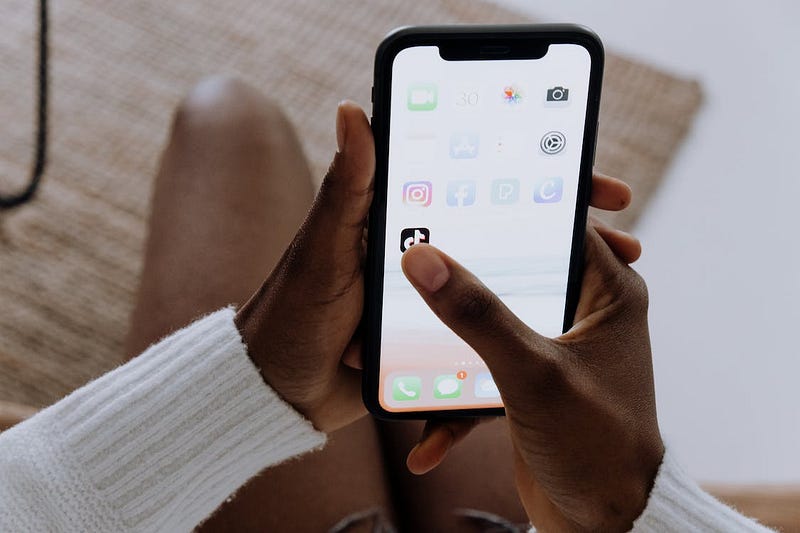
As we navigate the digital age, there’s an unignorable buzz around one significant facet of our society — social media. From tweets that stir up international debates, and viral TikToks that capture the heart of millions, to LinkedIn posts that launch careers, it’s clear that social media has a stranglehold on our collective consciousness.
But in our rush to create, share, and connect on these platforms, we often must remember that a handful of tech giants control the strings. In an era where digital literacy is paramount, it’s time to question if our online realities should be monopolized. It may be time to franchise the social media world.
The Status Quo
A handful of players — Facebook, Twitter, LinkedIn, YouTube, and the ever-growing TikTok — dictate how billions interact online. These platforms decide what content we see, how we engage, and, more importantly, what rules we must abide by. From algorithms that amplify particular perspectives to policies that often lean toward the vague side of clarity, social media monopolies have enormous power over our digital lives.
In light of this, we must ask: should social media, an integral part of our societies, remain in the hands of the few?
Franchising Social Media
Franchising, a concept we often associate with fast food chains and retail stores, might be an unfamiliar term in the context of social media. But it’s a familiar concept to the digital landscape. We’ve seen franchising in internet service providers and telecommunications companies, providing diverse services tailored to local needs while maintaining a global brand identity.
Applying this model to social media might be the unexpected disruption we need. It can create an ecosystem of localized social media platforms with shared underlying technology and brand, similar to how McDonald’s operates worldwide. This will allow for a decentralized approach where each franchise can tailor content and policies to their specific audience’s cultural context and legal jurisdiction.
The Benefits of a Franchised Social Media
The user experience will be more personalized, local, and meaningful in a franchised social media world. Here are some benefits we might see:
#1 — Enhanced User Control
Under a franchise model, users would control their social media experiences more. They could choose platforms that align with their beliefs, interests, and cultural nuances.
#2 — Increased Competition and Innovation
The entry of more players into the market will boost competition, which could spark a wave of innovation. Social media platforms must continuously improve their services and features to keep users interested and engaged.
#3 — Local Relevance
A franchise model would allow platforms to curate more relevant content for local audiences, fostering a greater sense of community. This could also support local businesses, artists, and creators by making them more visible to their target audience.
#4 — Regulatory Compliance
Franchisees could tailor their content moderation policies and practices to align with their country’s laws and cultural norms. This could lead to better handling issues like hate speech, misinformation, and privacy.
#5 — Job Creation
Each social media franchise would require local teams to manage operations, moderation, and customer service. This could create jobs in local communities.
Challenges Ahead
While the benefits are compelling, it’s essential to address the hurdles. Franchising social media could lead to problems like ‘digital balkanization,’ where the internet becomes fragmented along geographic lines. There’s also the risk of local censorship, misuse by local authorities, and potential difficulties in maintaining platform security and integrity. These are complex issues that would need intelligent solutions and international cooperation.
The Path Forward
If we’re serious about franchising social media, we must start discussions at all levels — from tech entrepreneurs to policymakers, from users to legal experts. We must strive for a model that maintains the global connectedness of social media while honoring local cultural and legal contexts.
As we move forward, it’s crucial to remember that social media was built on the promise of democratizing communication. But with the concentration of power in a few hands, it’s clear that the promise is yet unfulfilled. It’s time to ponder and reimagine our digital landscape — for a more diverse, equitable, and truly global social media world.
Franchising might not be the ultimate solution to our social media concerns, but it could be the conversation starter we need. Let’s start this dialogue because it’s high time we took our social media experience back into our own hands. And for that, it’s time to franchise the social media world.
Thanks for taking the time to read. I’d like to hear your perspective.
You can also refer to the related articles:
Please subscribe here to receive the latest insightful stories by email.
By becoming a Medium member for only $5, you can gain unrestricted access to a vast collection of stories. If you choose to register through my referral link, I will receive a modest commission without any additional expense to you. I sincerely appreciate your support!