
NATURE PHOTOGRAPHY
The Power of Flowers
Flowers in the moments and cycles of life
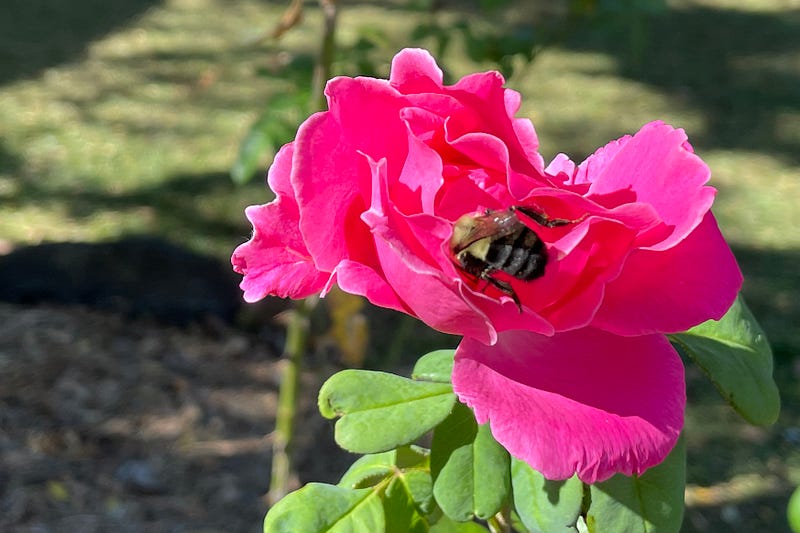
Flowers are more than a beautiful decoration in our world. They are our friends in good times and bad. They serve valuable purposes in our circle of life. A few of those purposes include food and nourishment, medicinal uses, and mood and emotional support.
Flowers as Food and Nourishment
Flower buds and blossoms can, directly and indirectly, offer food to animals and people alike.
The Birds and the Bees
Bees feed on flower nectar and pollen. They use nectar as food and an energy source. The pollen they pick up from flowers feeds larvae (baby bees) in the hive. Bees need flowers. Flowers need bees. It’s reciprocal.
Many birds feed on flower nectar as well. Birds also disperse flower seeds over long distances. They drop them into nearby rivers, which can carry flower seeds for thousands of miles. The Amazon River and Forest is an excellent example of this natural process in the circle of life. Birds need flowers. Flowers need birds.
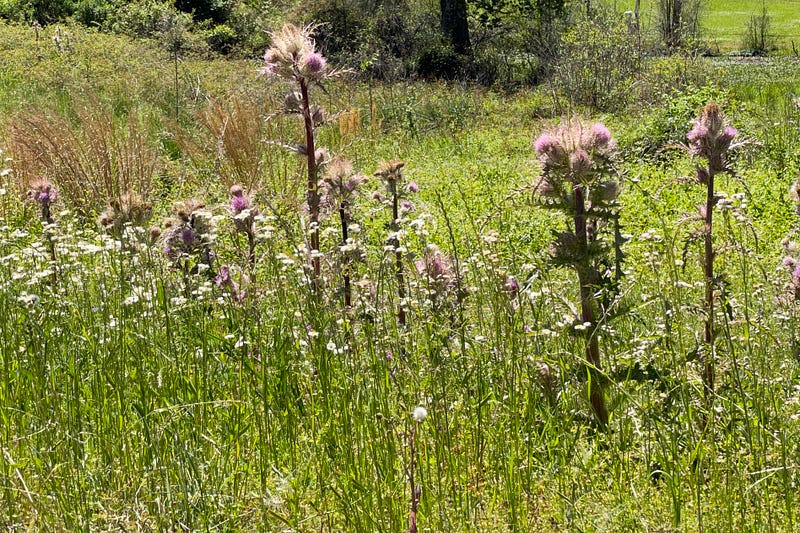
Thistle
Bull thistle flowers provide abundant nectar for pollinators. Birds and small animals eat the seeds and use the fluffy thistledown as nesting material. It is even edible when young if you know how to harvest it.
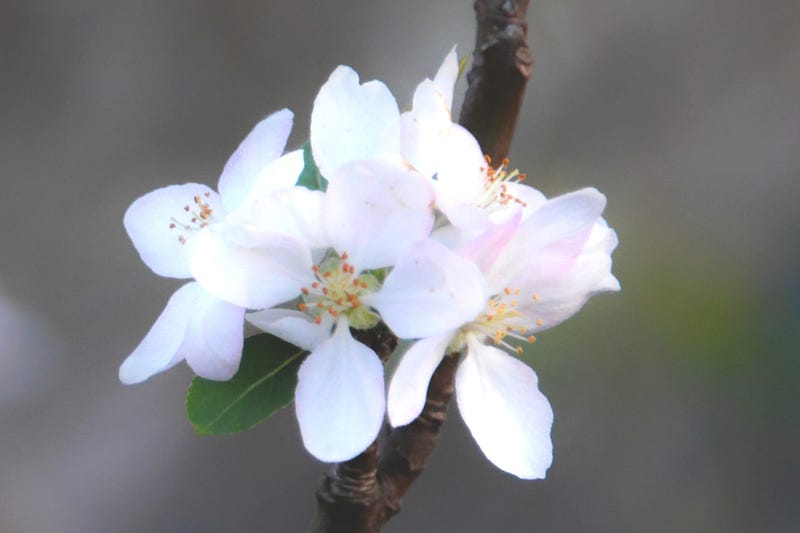
Apple Blossoms
Many apple trees require cross-pollination from two separate trees. There are egg cells in each of the ten ovules inside the base of an apple flower. The fruit grows from the base of the flower after pollination and fertilization of the eggs. After the petals fall, the base ovary of the flower begins to expand to make the fruit we harvest.
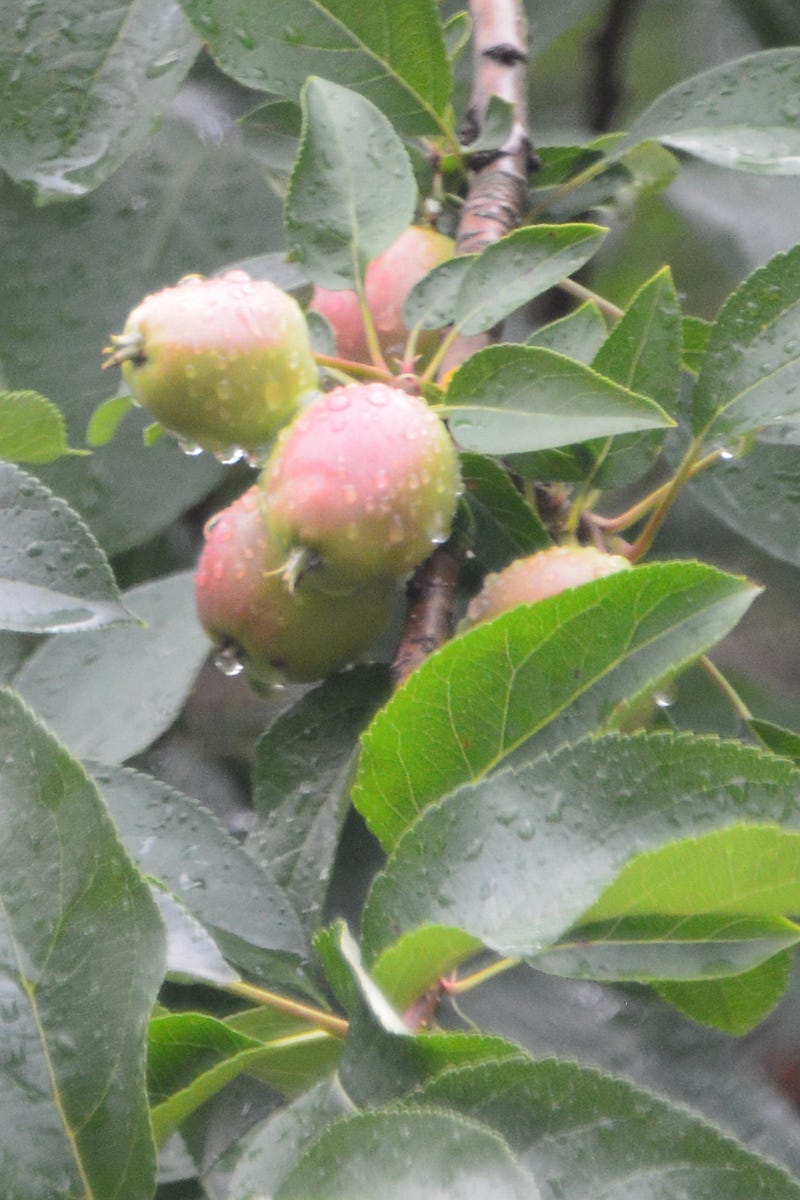
Local birds seem to enjoy the fruit buds and blossoms as much as I enjoy the fruit.
To simplify matters: No flowers = No fruit.
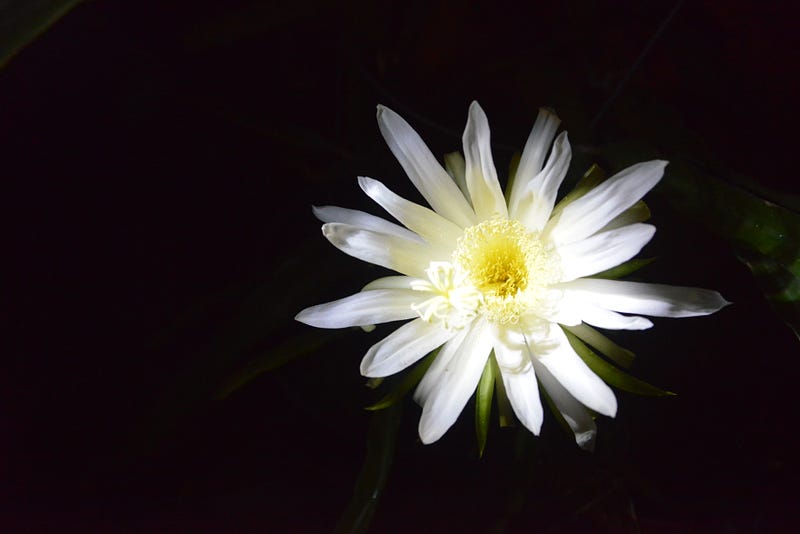
Moon Flowers
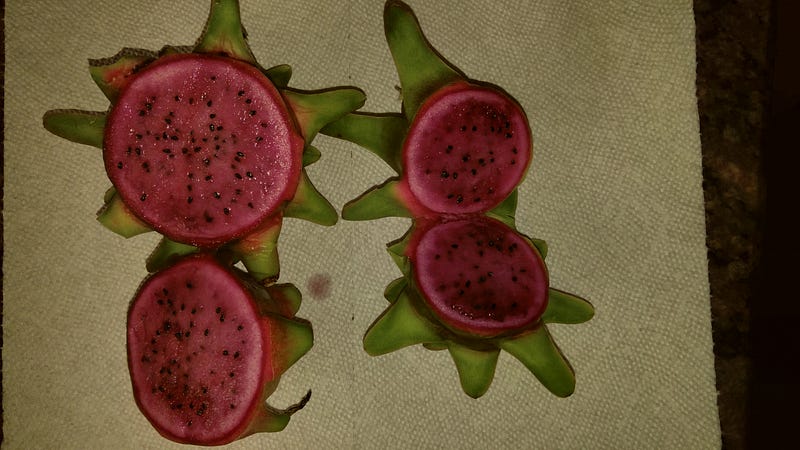
Each of my night-blooming Cereus flowers blooms only one night out of the year, usually the night of the new moon in July. The flower dies the following morning and transforms into Pattaya, commonly known as dragon fruit.
Fruit is only produced if the flower is pollinated. Since the flowers are nocturnal, my plants need assistance with pollination. I hand-pollinate them around midnight when the petals are fully open using a small paintbrush.
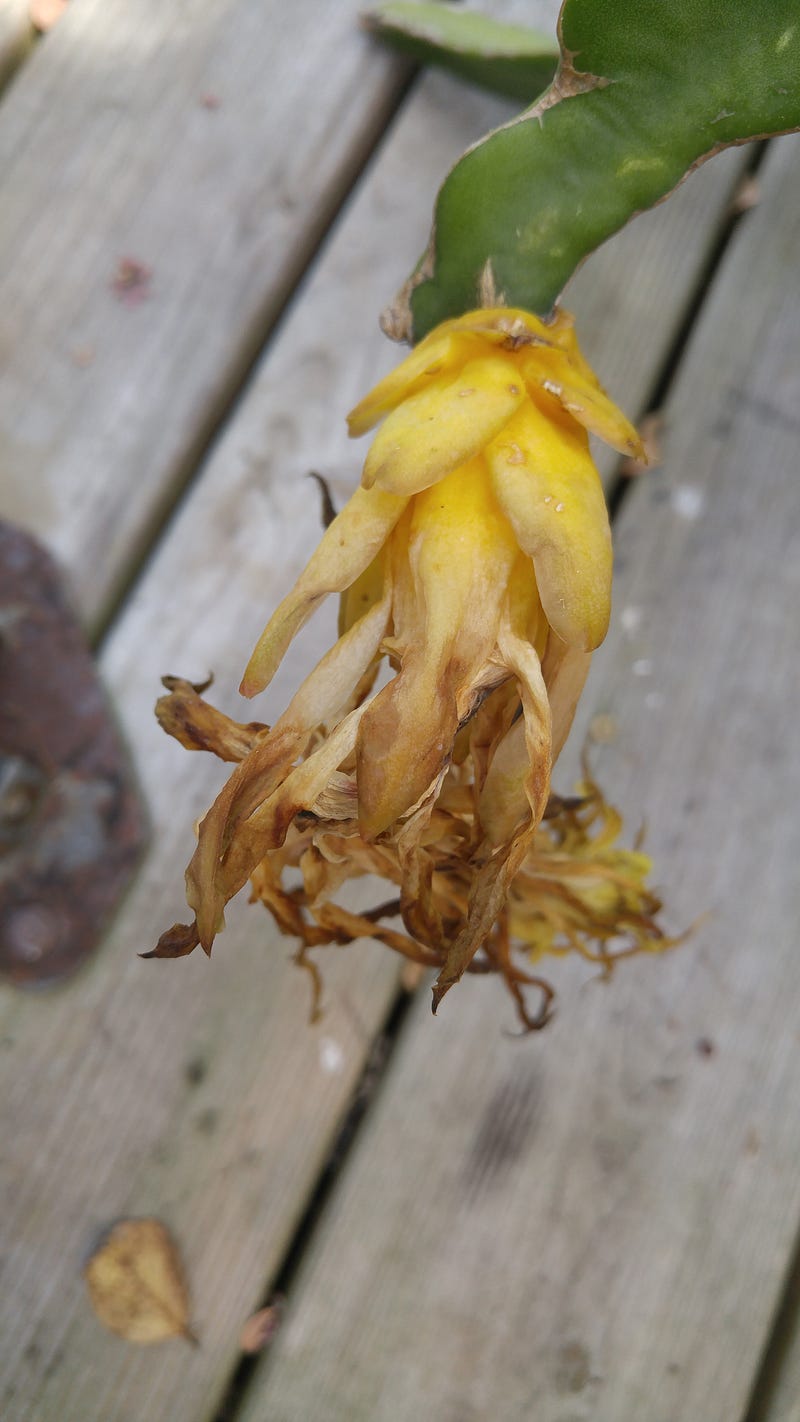
The following morning, I know instantly if a flower has been successfully pollinated. An unpollinated flower will do what I call the “drop of shame.” (Since flowers can’t do the morning-after walk of shame.) The entire flower will turn dull yellow as it’s rapidly aborted.
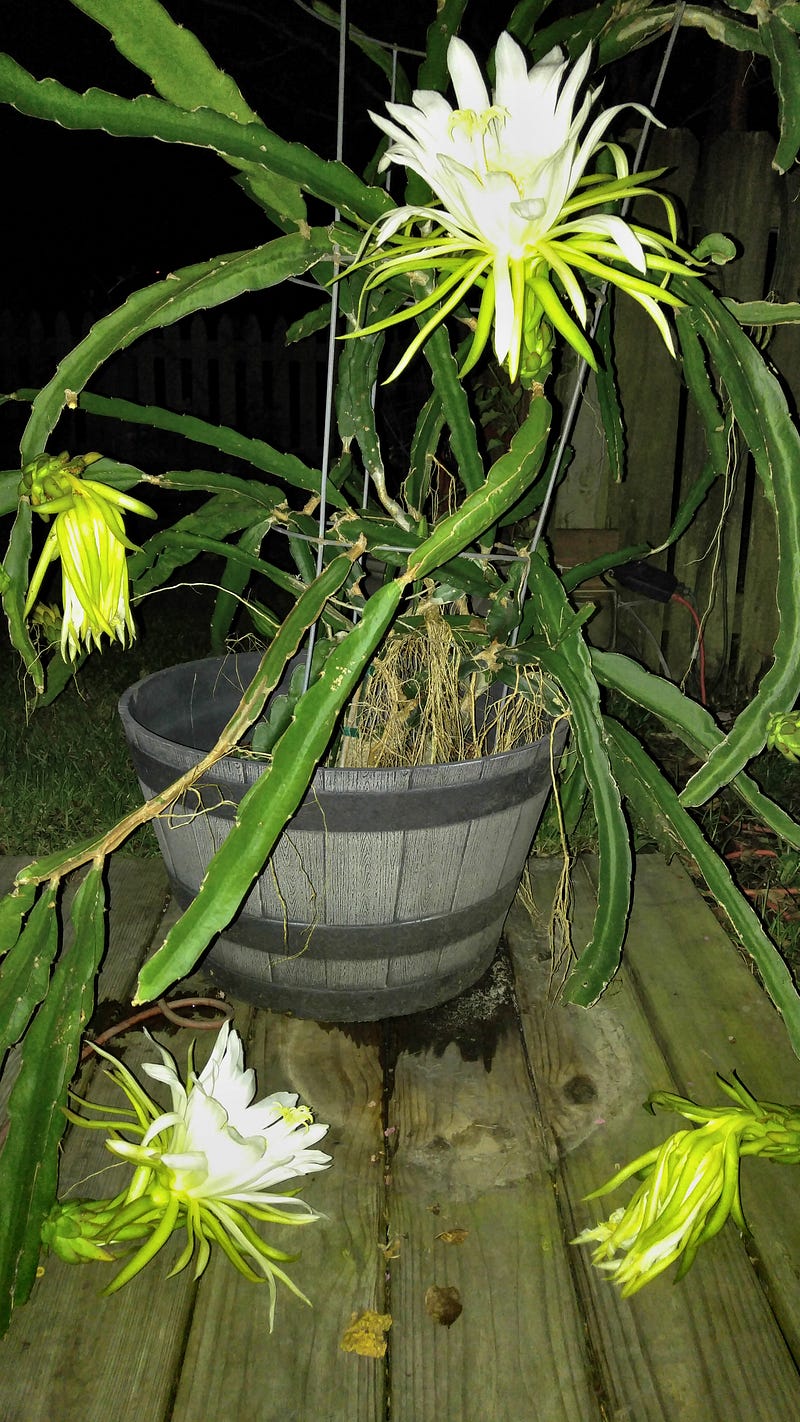
A successfully pollinated flower will have the same wilted petals as a barren flower. But the base of the flower will turn green and expand with a pregnant appearance. It will appear plump and firm. In about a month, it will become a Dragon Fruit.
Sunflowers
Tall varieties of sunflowers produce large, easily hulled seeds for snacking. Oilseed sunflowers are used to make cooking oil and are sold as birdseed.
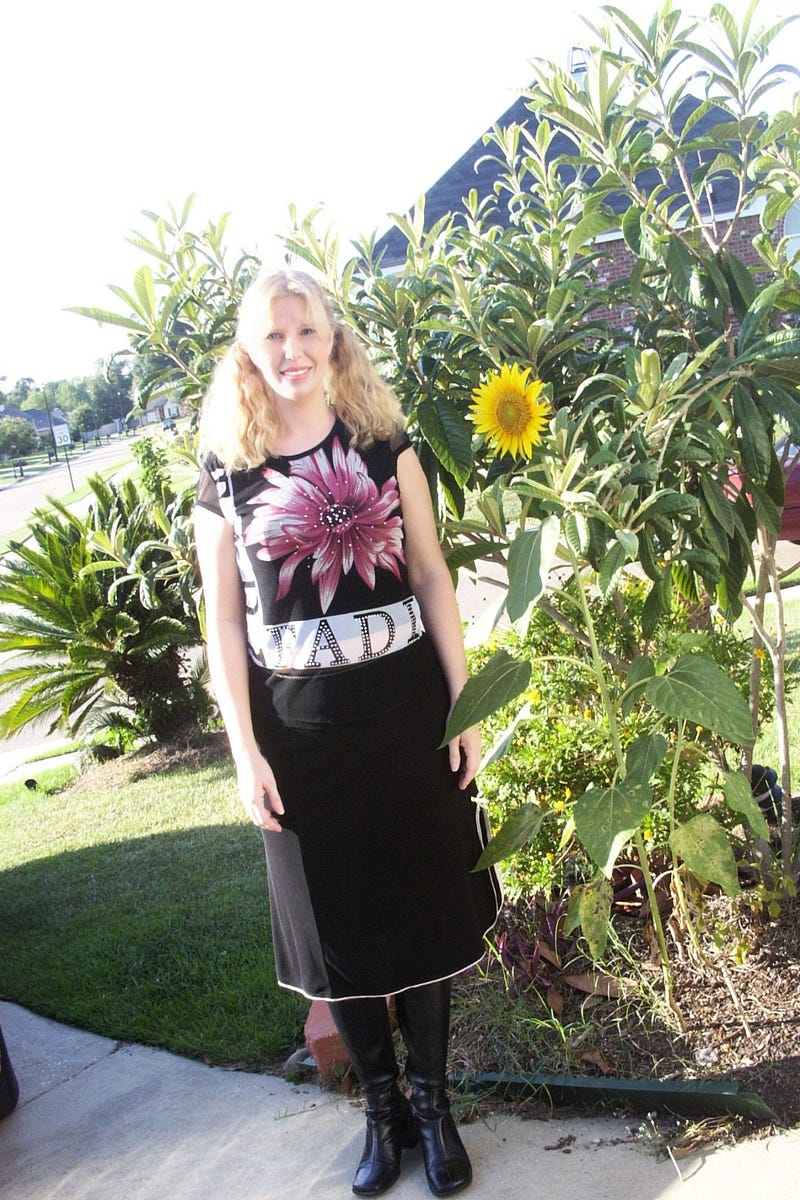
What I find interesting is that many people allergic to tree nuts and peanuts can safely consume sunflower seeds. A peanut butter alternative is made from sunflower seeds, called Sun butter.
Hibiscus Tea
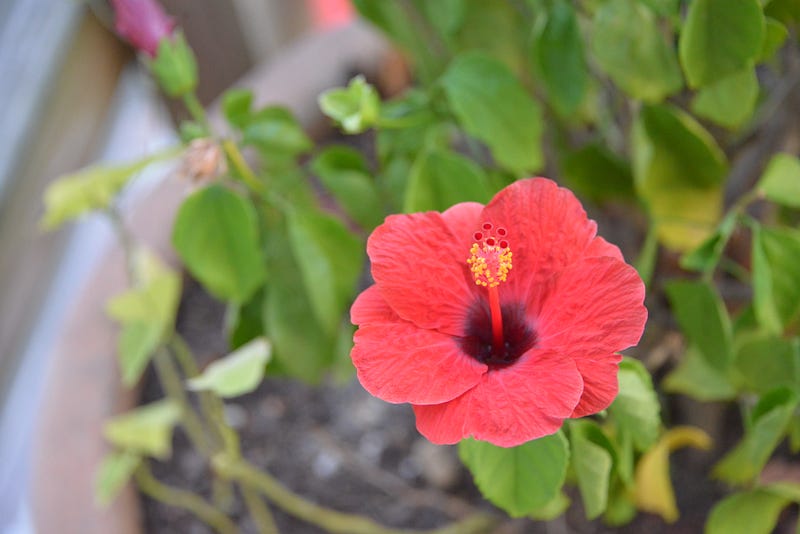
Some varieties of hibiscus flowers are edible. My favorite is the ‘Rose of Jamaica’ hibiscus flower. It has a tart, cranberry-like flavor and can be consumed hot or cold.
The tea is simple to make in a few easy steps.
- Pick the flowers.
- Pull all the petals from the flowers.
- Rinse the petals in water to remove dust, bugs, or impurities.
- Boil the kettle and pour boiling water over the fresh petals. Steep for 10 minutes. The petals will change from red to yellow.
- Remove all the yellow petals. Don’t steep the flowers longer than 10 minutes, or the tea will become bitter.
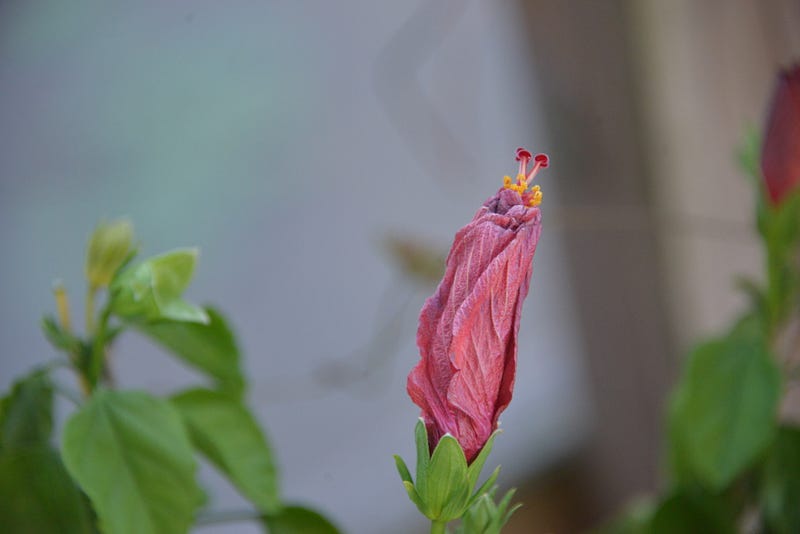
You can also make tea leaves for later use. To do so, stop after step three. Then dry the flower petals and store them in a cool, dry place. When you’re ready to drink your tea, continue with step four.
Calendula
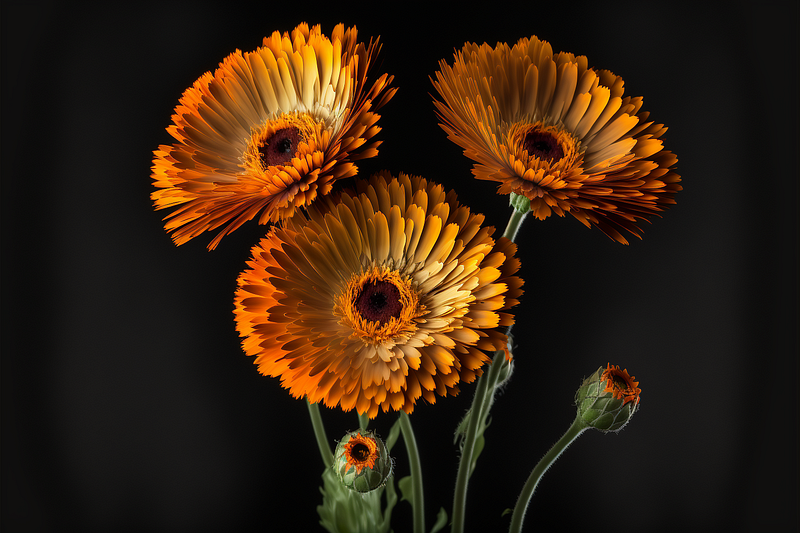
Sometimes I use calendula petals in rice as a cheaper alternative to saffron. Of course, they make excellent cut flowers, but their most significant use may be topical oils or creams for burned or injured skin. This brings me to another valuable purpose for flowers, medicinal use.
Medicinal Flowers
I’ve been a fan of naturopathic medicine and have made homemade medicinal teas and capsules for years. I make tea for respiratory infections, as well as for general immunity.
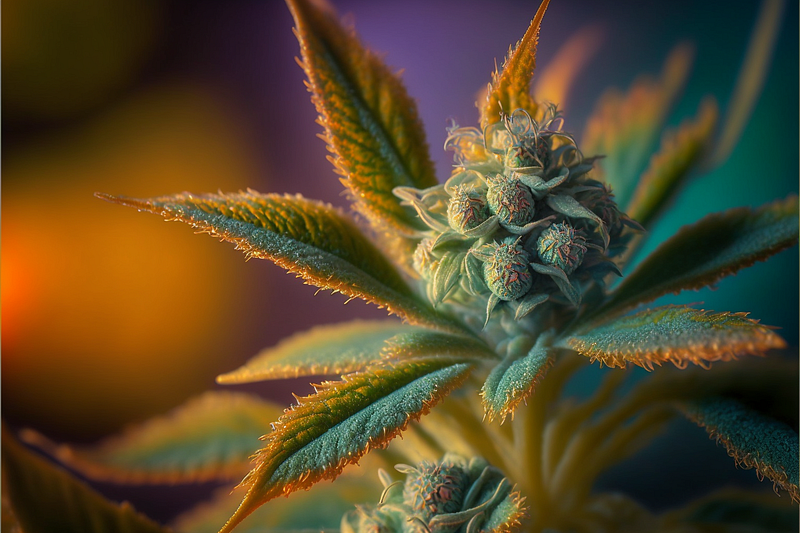
The most common medicinal flower is cannabis. Most people know it as an herb, but it’s the flower of the cannabis plant, known as the “bud,” that contains the cannabinoids and terpenes that produce medicinal benefits. The flowers only grow on female cannabis plants and must be dried before consumption.
I don’t personally produce or consume cannabis products, but I have discussed it with my doctor. From what my primary physician states and what my patients have reported, medical marijuana is known to provide pain relief where other medicines have failed.
Some people take cannabis products for depression and anxiety. This brings me to another valuable purpose for flowers regarding mood and emotional support.
Flowers for Mood and Emotional Support
Having fresh flowers in my home brings a sense of beauty and joy to my personal space. The vibrant colors and fragrances of fresh flowers can instantly brighten a room, creating a warm and inviting atmosphere.
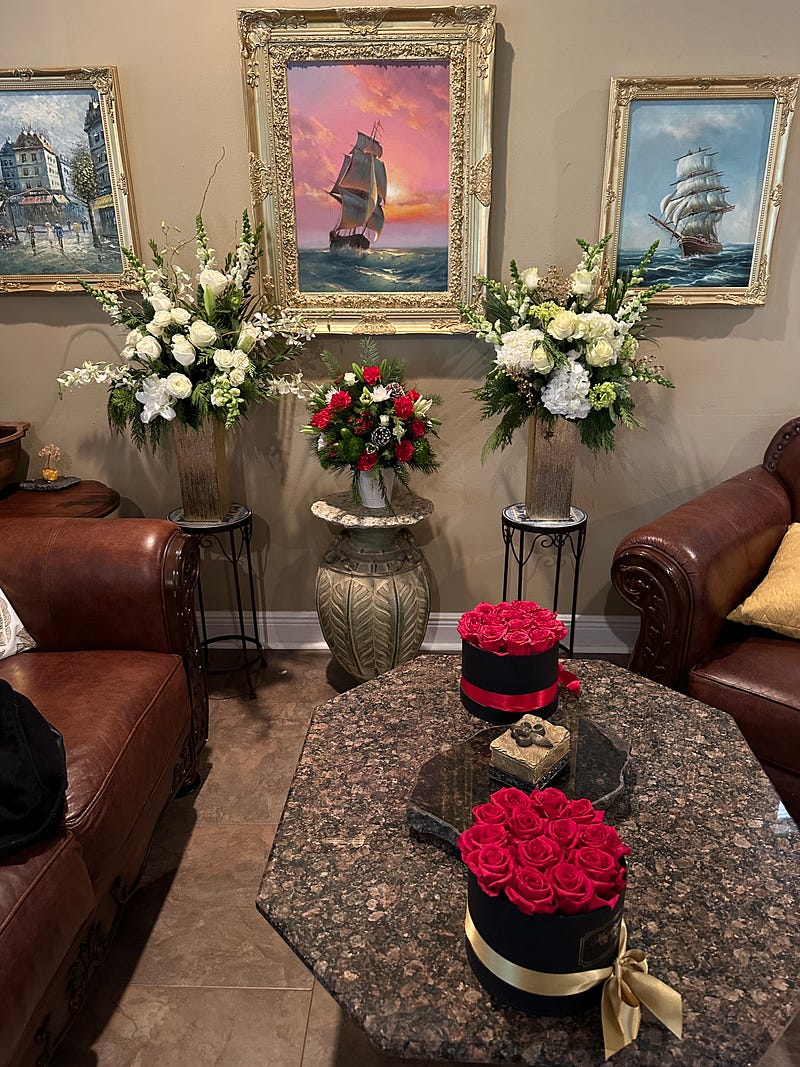
The presence of flowers can also reduce stress and anxiety and promote a sense of calm and peace. Dried lavender is often put in sachets under pillows to promote relaxation. Some flowers can be mentally stimulating and increase productivity.
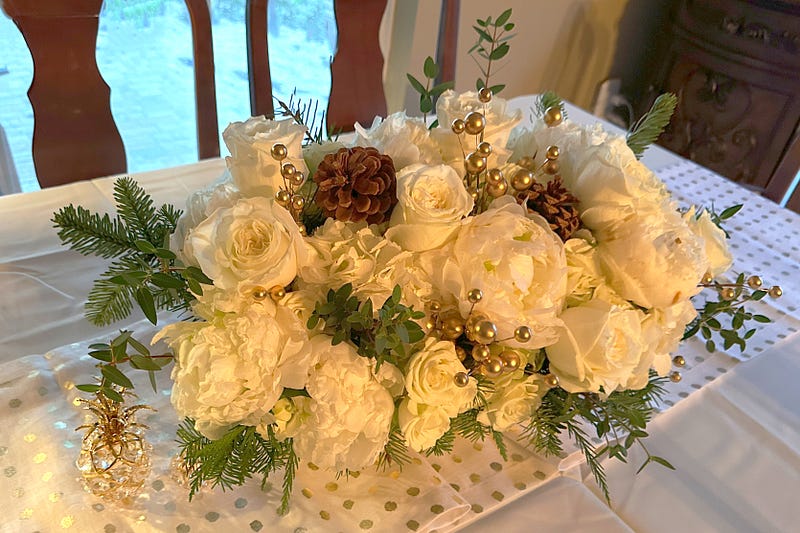
My recent Christmas holiday is a testament to the benefit of flowers. I filled every room in my home with fresh flowers when I didn’t feel well. I usually like bright, bold floral colors, but on this occasion, I sought muted, soft white flowers to reduce stimulation. I wanted to make a calm and serene environment because the physical pain felt overstimulating. With soft, fresh flowers, I felt surrounded by peace and tranquility.
Flowers are a symbol of the beauty and diversity of nature. They come in an array of shapes, sizes, and colors, and each flower carries unique beauty and meaning.
I find it fascinating that there’s a flower for every occasion and mood. They bring peace and jubilation to the world and can evoke powerful emotions. They’re a source of comfort as well as excitement.
Flowers Speak Where Words Fail.
A beautiful arrangement of flowers can be a thoughtful and meaningful gesture to show someone you care. It’s a great way to say, “I’m thinking of you,” to family and friends.
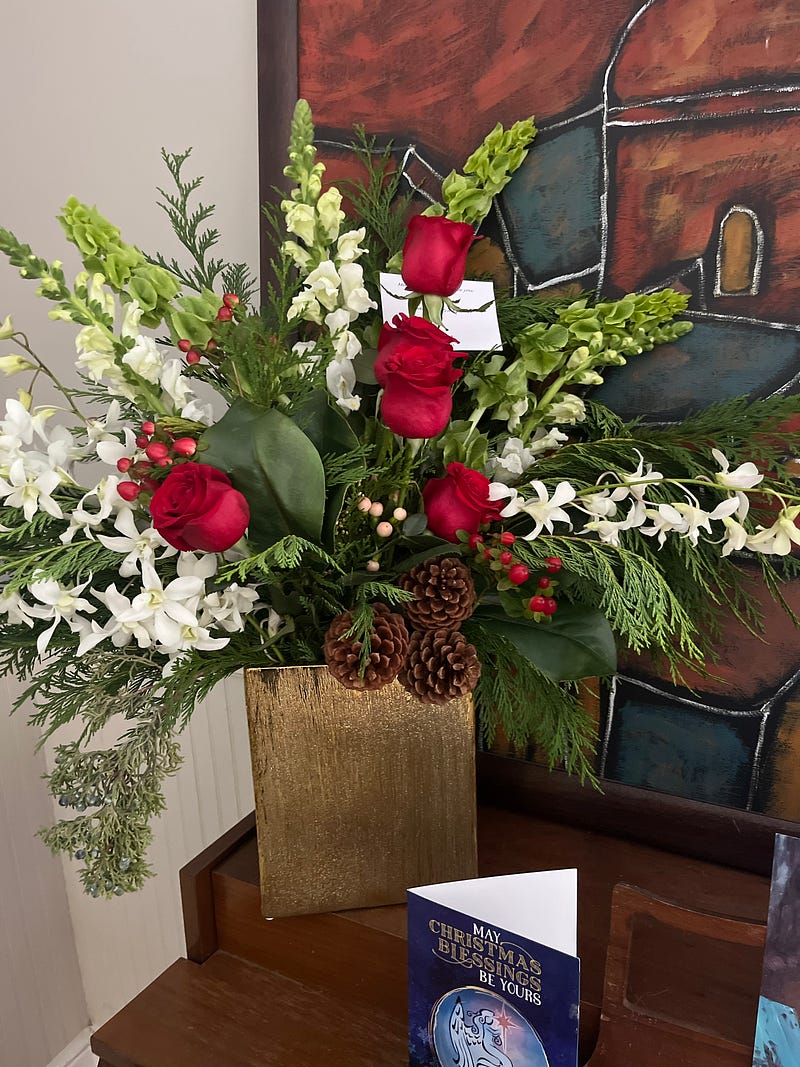
I sent some flowers to some friends for Christmas. They hosted the Christmas Eve party I attended and made my night unforgettable. They were so thankful for the floral arrangement. It was an effective gesture to show them I care.
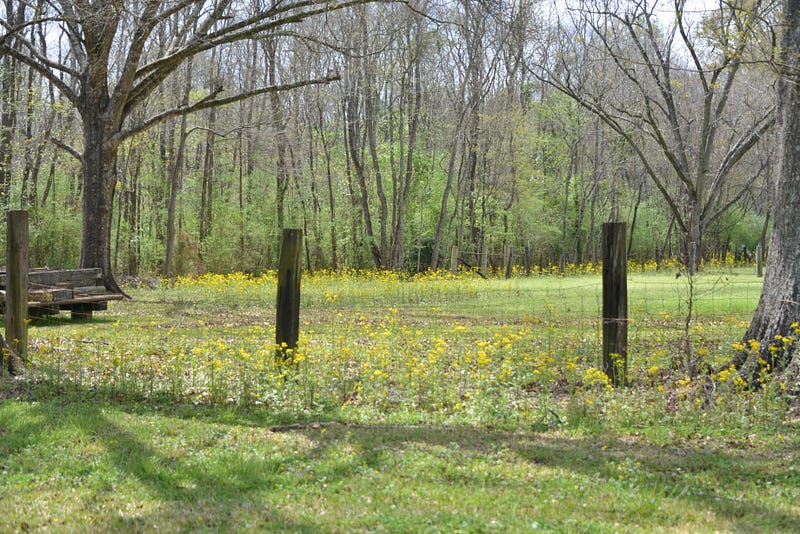
Notice how the flowers in the above photo are so soft that they block the fence’s harsh metal. You can barely see the fence over the flowers. Likewise, sometimes flowers can soften the harshness of hard times in life.
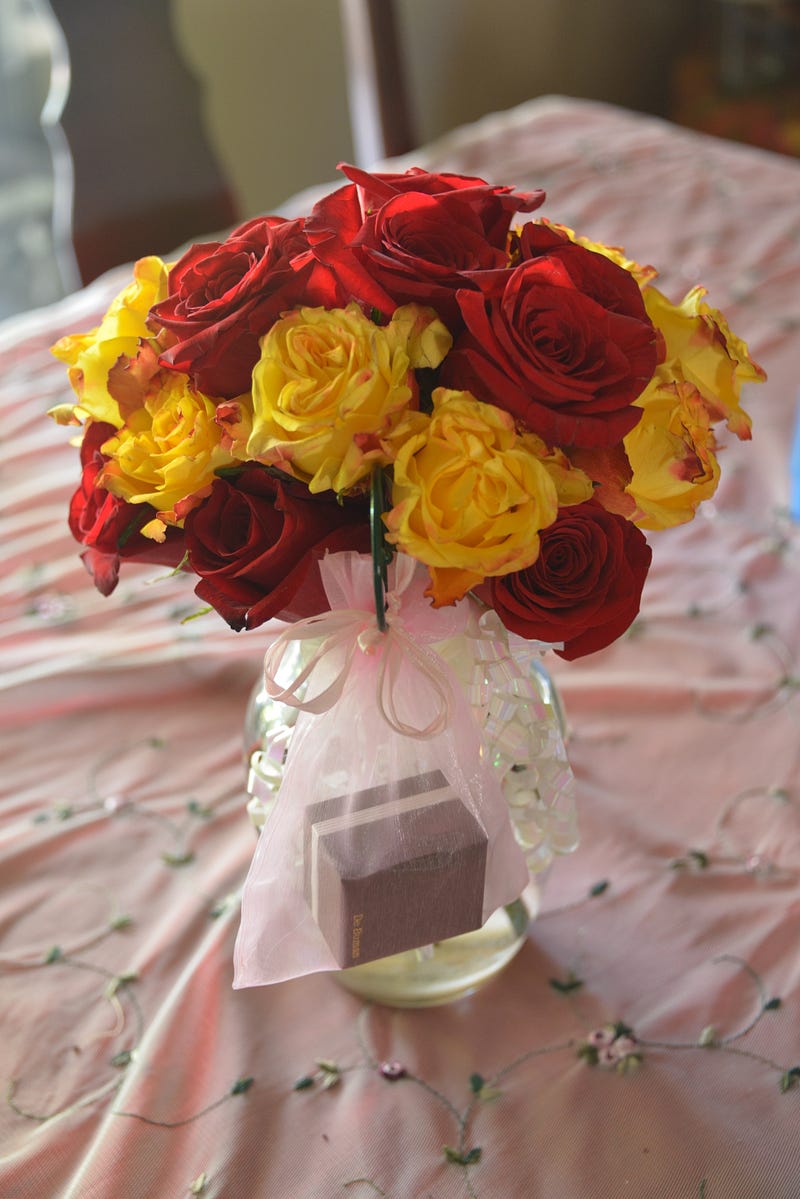
The flowers pictured above made an excellent presentation for a piece of jewelry I gave to my mom. In her last years, I ensured she always had fresh flowers in her home to lift her spirits amidst challenging times.
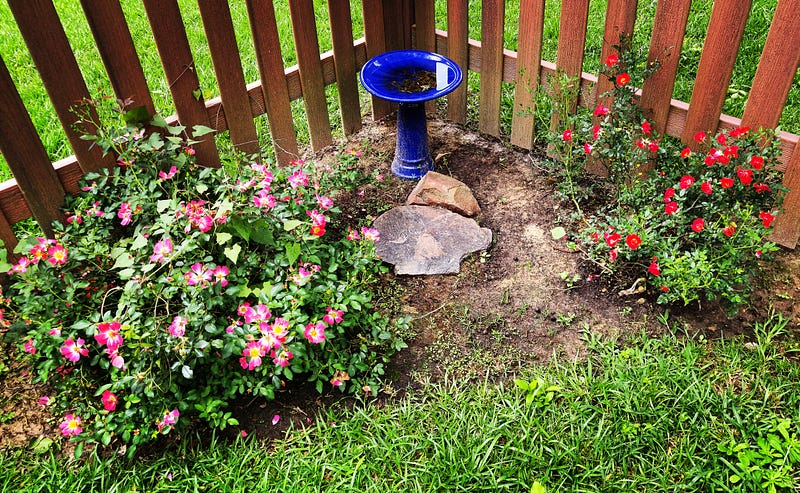
The flowers above were planted when I lost my 17-year-old Yorkie, Barney. Watching the rose bushes grow and the old petals fall, reminds me that life is short and to make the most of it.
Flowers can bring comfort and support during difficult times. From the passing of a loved one to a difficult divorce, a simple gesture of flowers can be a great way to show your support and let someone know you are thinking of them. The sight of fresh flowers can be a reminder of beauty and hope amid pain and sorrow.
Flowers are a great way to celebrate and commemorate special moments in life. They can provide a beautiful and meaningful way to express love and appreciation, from birthdays and anniversaries to graduations and weddings. They can also add a touch of elegance to a setting. A beautiful centerpiece of flowers can instantly brighten any space and create a festive atmosphere.
Taking Care of my Friends
Just like friendships, we get out of flowers what we put into them. Taking the time to nurture flowers and friendships yields beautiful results.
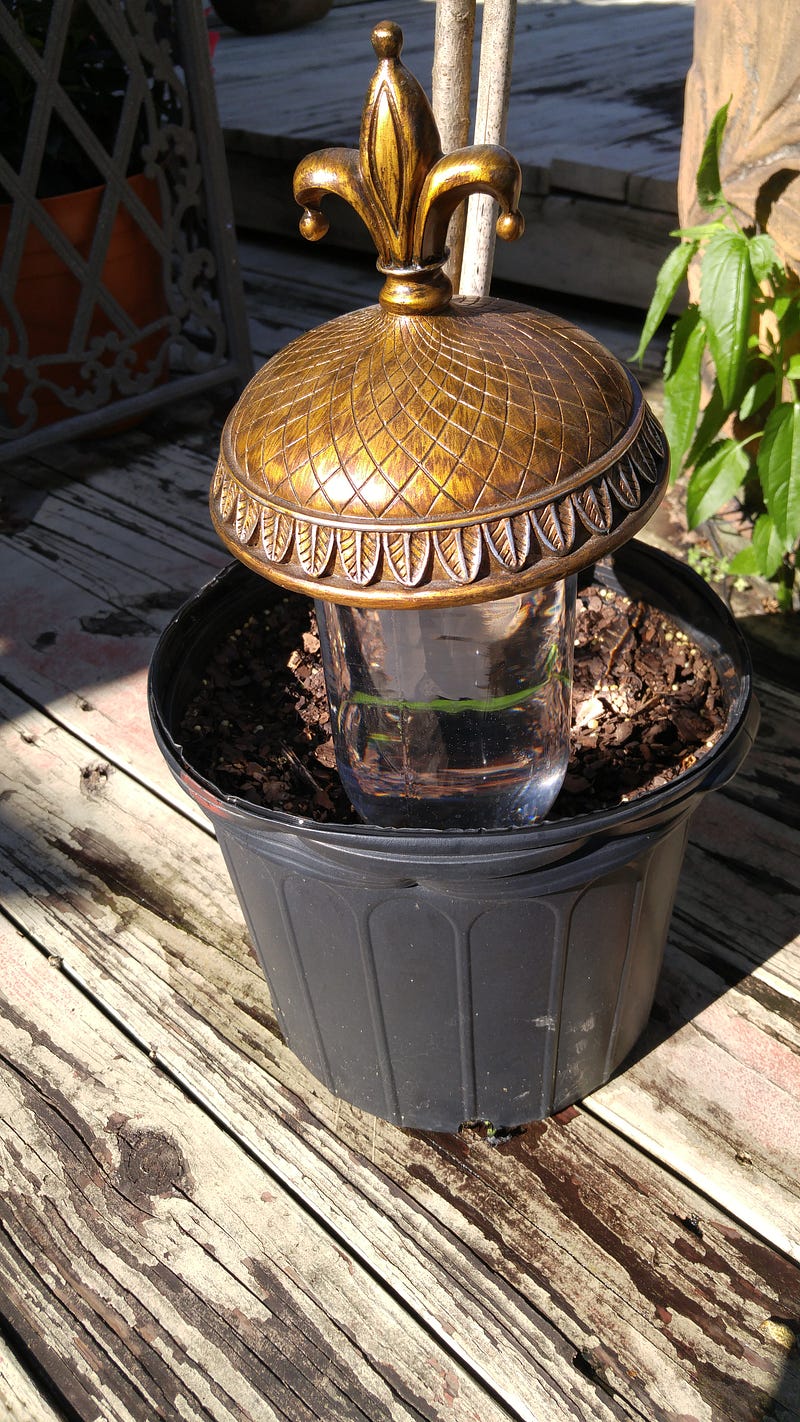
I recycle cups and bottles to water my flowers in summer.
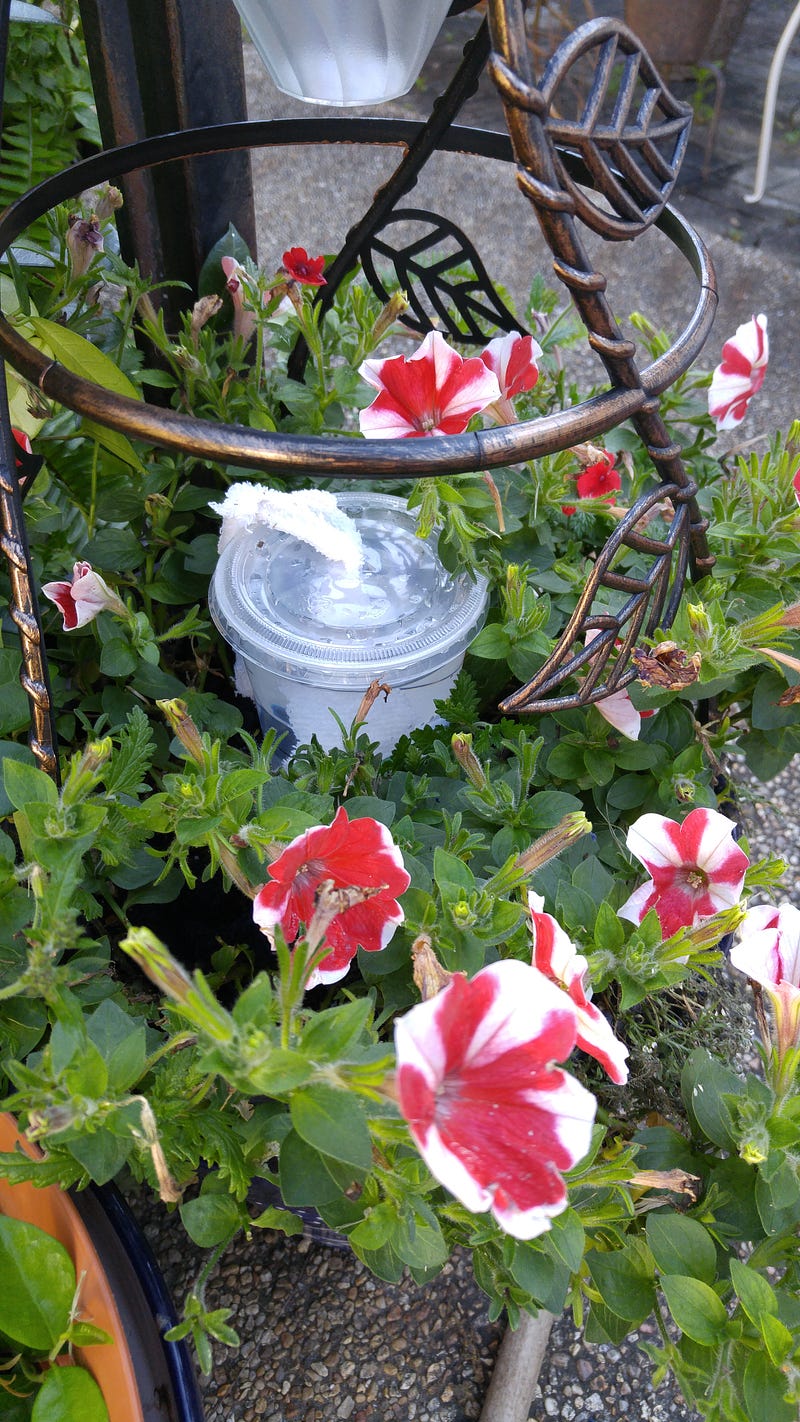
This is my plastic cup watering system. I fill the cup with water and put a piece of an old cotton sock through the straw hole in the lid. Then I bury the remainder of the sock in the soil. Sometimes I use an old t-shirt instead. The cotton serves as a wick. As the cotton dries in the plant, water is wicked from the cup to replenish the soil.
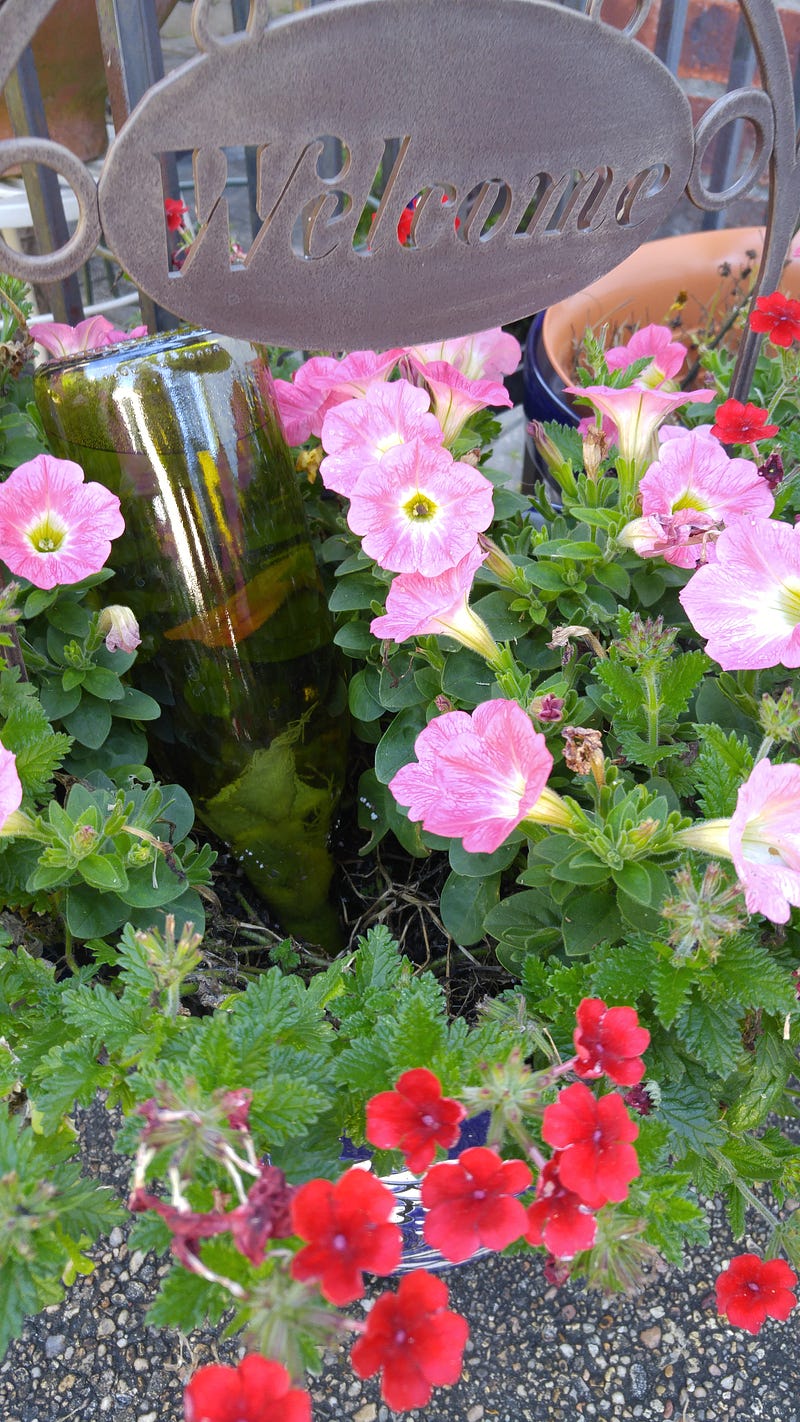
I fill empty bottles with water and place them face-down. As the soil dries, the water is released.
I use a two-liter bottle instead of a cup or wine bottle for larger plants. These methods are most helpful in watering my indoor flowers and plants while away from home.
Flower Power
Flowers have the power to bring beauty, joy, and comfort to any moment of life. They have the power to inspire great writers and teach life lessons. Here are a few quotes with lessons we can learn from flowers.
“If roses tried to be sunflowers, they would lose their beauty; and if sunflowers tried to be roses, they would lose their strength.” ― Matshona Dhliwayo
“Each day is a new flower. Enjoy its beauty while it lasts.” ― Bert McCoy
“The flowers you see blooming in the sunshine were once hidden seeds waiting patiently for the rain.” ― Chrisy Ann Martine
Flowers also have the power to inspire beautiful music.
In times of joy and sadness, I hope we can all take time to stop and smell the roses. Whether a bouquet of lilies or a bed of tulips, flowers can bring beauty, joy, and comfort to every moment of life.
Thank you for reading.
Mia Verita 2023
This has been my response to the “In Joy, And In Sadness, Flowers Are Our Friends” prompt for the third week of January. I hope you’ve enjoyed it. I invite other writers here to share what flowers mean to you.
Thank you to all the hard-working editors of Reciprocal, Dr. Preeti Singh, Sahil Patel, and Yana Bostongirl, for hosting this story.
Thank you, Dr. Preeti Singh, for this inspiring prompt.
Here are a few other responses to this prompt that I found inspiring. I hope you enjoy them as much as I did!
Joyce Nielsen shared this article that uplifted my spirit.
Hermione Wilds Writes shared this inspiring article.
Mia Verita enjoys her floral friends. She also enjoys photography, sketching, writing poetry, and sharing inspirational stories.
You can join Medium using her affiliate link if you’d like to read more of Mia’s stories and those of other Medium members. She’ll receive a small portion of the membership fee at no additional cost to you.


