
Data Driven Architecture
The New Normality of Architecture
The Paradox of Inefficiency
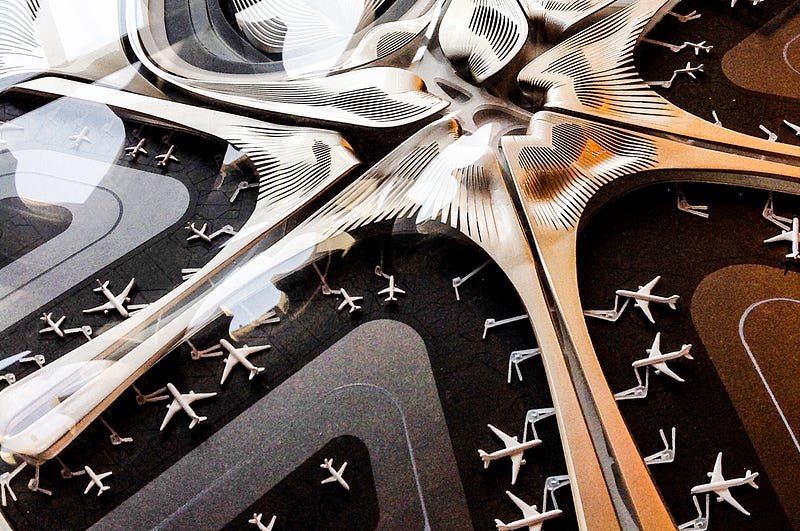
Since the 2020 pandemic, architecture has radically changed. The cars of the 20th century ushered in a new era of mobility. Now that change is happening with AI architecture. People live in the comfort of their own homes and can travel anywhere they want from their computers or phones. As a result, many public places are becoming meaningless. This article explores how RETRO-architecture has lost its serving people. Buildings have reached a paradoxical meta-space that is more likely to be Instagrammed than used.
The future has overtaken the present.
The functions of buildings are obsolete before they are built.
Architecture is no longer about naming buildings, designing facades, or showing off the latest styles. Instead, it is about creating a natural environment for everyone to live, have fun, and function within their daily lives. This can be done through architecture that supports people’s lives. This architectural function is even more important than art’s function of creating a feeling of their own beauty.
A new AI architecture has emerged. Machine learning is used to create the basic structure and optimize it for the specific needs of its environment. Humans are no longer the masters of the building system but must work together with AI algorithms within a coordinated strategy to maximize efficiency. The goal is to create an optimal organizational structure that can adapt and change based on people’s behavior and environment.
This new architecture has taken a completely different form from the “RETRO-architecture” of recent times, which posits the architect as a superstar and uses unique forms as its brand identity.
To explain this transformation, we have identified three distinctive trends in architecture today: The first trend is that architects have abandoned the idea of being a creative genius in favor of collaboration with AI designers and ML engineers to create optimal structures for specific environments. The second trend is that buildings are becoming highly efficient in organizing human activity. However, this efficiency will only make sense in the context of an intelligent system of communication between people and buildings. The third trend is architecture changes from a product to a customized service optimized for specific needs.
If you’re more interested in AI trends, check out the excellent http://art.mlearning.ai newsletter.
New technologies have dramatically reduced the resources required for building construction, which was previously dependent on physical labor. AI has led to the development of more efficient processes for architecting and constructing buildings, allowing us to create new types of buildings that have never been seen before. It radically changes human activity inside the building, which is much more influenced by AI than we could ever imagine. But you should not think that this revolution in architecture was only triggered by technological and scientific developments. Architecture has always struggled with the fundamentals. It is about making the best use of available resources for specific needs. In the 20th century, architects were driven by their own tastes. They insisted on using expensive materials and ornamentation techniques to create buildings that would make a statement. As a result of these three trends, it has become more valuable, from being a trophy on Instagram to a useful piece of the natural environment.
Stadiums, theaters, museums, galleries, all these architectural masterpieces pass the most sincere test of time. However, maintenance costs of unused buildings are more extensive than budgets of small countries. A great and at the same time paradoxical example is the newest and largest airfields in Europe. The Berlin Brandenburg “Willy Brandt” airport built for 15 years was already used up by time before it opened during a pandemic.
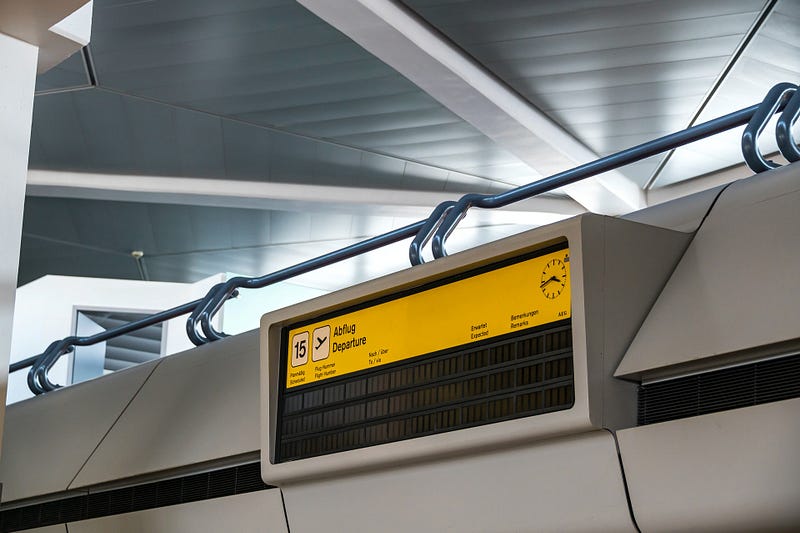
Welcome to the New Normality of Architecture
What Is Architecture Today? The change was necessary because there was no hope that the old architecture could be restored. The material costs of buildings were too much, and the maintenance costs were simply astronomical. Modern buildings are built by humans and then turned over to machines that optimize their functioning.
How Architecture Is Transformed — The Paradox of Inefficiency The change in architecture is not just material. It is also about the information flow between humans and machines. So, for example, the system that used to organize people into a hierarchy of authority, which would create an order for social control, has been replaced by AI-based strategies that can manage people.
The most significant difference between artificial intelligence and human intelligence is that AI lacks empathy. To understand the system better, it must learn from data and information about its environment and make decisions based on this data. Machines are highly efficient, but they are not empathic. So when people rely on AI to make decisions, they will be forced to modify their behavior. Because we now understand that “emotions” are the most essential characteristic of a human being. Our lives today are determined by digital objects.
Architecture Lost Its Function In The Digital Age Architecture has lost its aesthetic function to the point where it is no longer necessary in the digital age. We can now change our houses and personal spaces and see them as we want. We design buildings optimized by AI and then turn machines to maximize their functioning. This complex optimization system allows us to derive maximum energy efficiency from structures while minimizing energy consumption. The most crucial role of a building is to shelter people. It is no longer about creating culture or identity through architecture. Instead, the building itself becomes a work of AI art. Buildings have become highly efficient, but now the focus is on how people use the spaces inside them. The use and occupation strategy is more important than the internal design, supporting new activities.
Architectural Nostalgia And AI Optimizations Today, our cities are filled with nostalgic buildings that architectural luminaries built during the 20th century. But, unfortunately, we have not yet found a way to re-use or optimize these buildings, so we keep them as they are. But this is not a path to the future, either in terms of environment or resources.
Architecture has lost its function in the digital age, but it still needs to be present. Retro architects and businesses are primarily in business to preserve nostalgic memories of the past. However, this will not be a sustainable strategy in the face of technological trends, and even the nostalgia business is doomed due to its own obsolescence.
Electric light was not invented by the masters of shine production. Similarly, in 21st-century architecture, enlightenment will come from the outside. We are looking around.
- Check out my instagram with new material every week
- If you enjoyed this, follow me on Medium for more
- Want to collaborate? Let’s connect on LinkedIn
- https://linktr.ee/datasculptor
- 3D Machine Learning generated model on sketchfab
- Substack