
The Mystery of the Unidentified Seeds in the Mail
Bottom line: Don’t plant them!
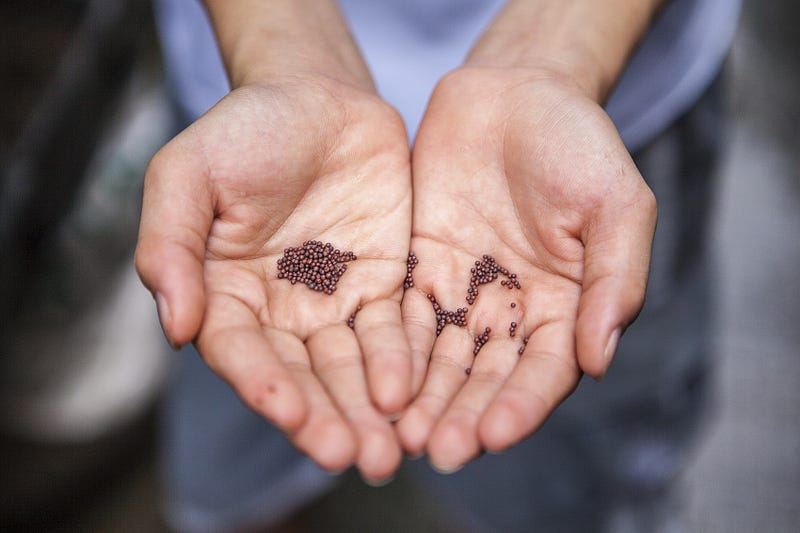
If you’ve recently received a packet of unidentified seeds in the mail, you might have thought that you’d won some strange contest you’d forgotten you’d entered or that maybe it was some kind of promo gift.
You might have investigated a little further and discovered the package came from China.
Wow! How cool! you might have thought. China is sending me little gifts!
But don’t forget the old saying, beware of strangers bearing gifts!
A warning from the government
The USDA has issued an official warning to people who might have received unidentified, unsolicited seeds in the mail. And the warning is basically this:
Don’t plant those seeds!
Instead, they want you to contact your state plant regulatory official or APHIS state plant health director. Hold onto the seeds and all the packaging they came in, including the mailing label, until someone from the state agencies gets back to you.
There’s a chance that this all is nothing more serious than what is called a brushing scam. That’s where someone sends you something in the mail that you never asked for with the intention that you post reviews to help them boost sales. This is illegal in most countries.
The danger of planting unknown seeds
If this all sounds like much ado about nothing, keep in mind that planting unknown, potentially invasive plants or seeds can be very damaging to the environment and very expensive to eradicate or even control.
If you don’t believe me, talk to someone in the southern parts of the U.S. who has had the misfortune to have kudzu, an extremely aggressive vine from Asia, invade their property. Kudzu has been known to rapidly take over a property, covering cars, sheds, and even houses in a surprisingly short time.
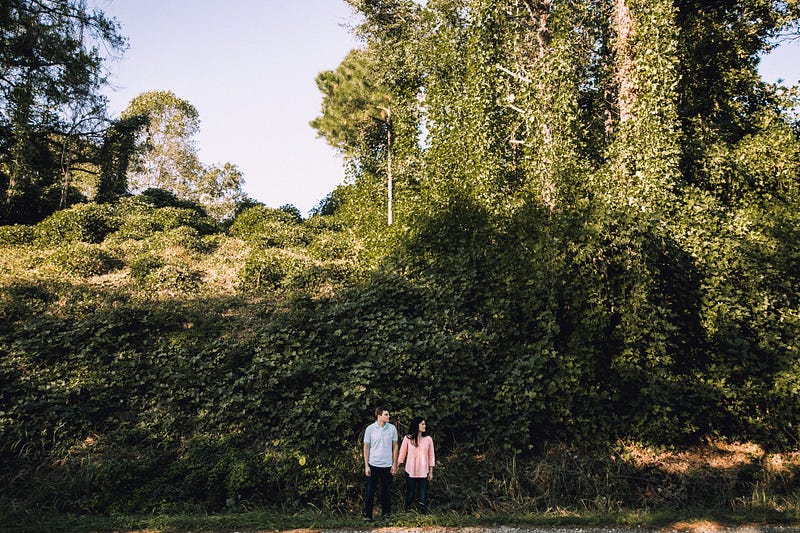
In California alone, the state spends $82 million a year on controlling and monitoring invasive plant species and doing outreach to educate the public about it.
That’s a pretty big price to pay for the thrill of planting some free seeds. So, bottom line: Don’t plant those seeds!
If you liked this article, check out these other stories too:
Become a member of Medium.com and you’ll get full access to every story on Medium while your membership fee directly supports Claire Splan and thousands of other writers creating fresh stories you’ll want to read.


