
Nature, Photography
The Murderous Praying Mantis
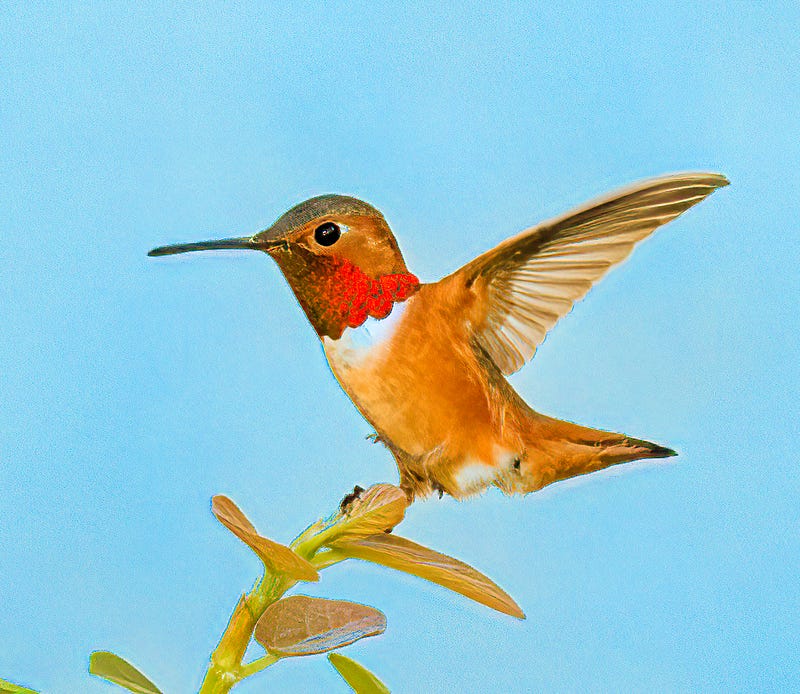
Hummingbirds beware!
Teeming with salvia, milkweed, butterfly bush and other pollinator-friendly plants, our yard is a little refuge for Mother Nature’s creatures. Several years ago, we dedicated it to the bees, birds and butterflies. We’ve even certified it with the National Wildlife Federation as a wildlife habitat.
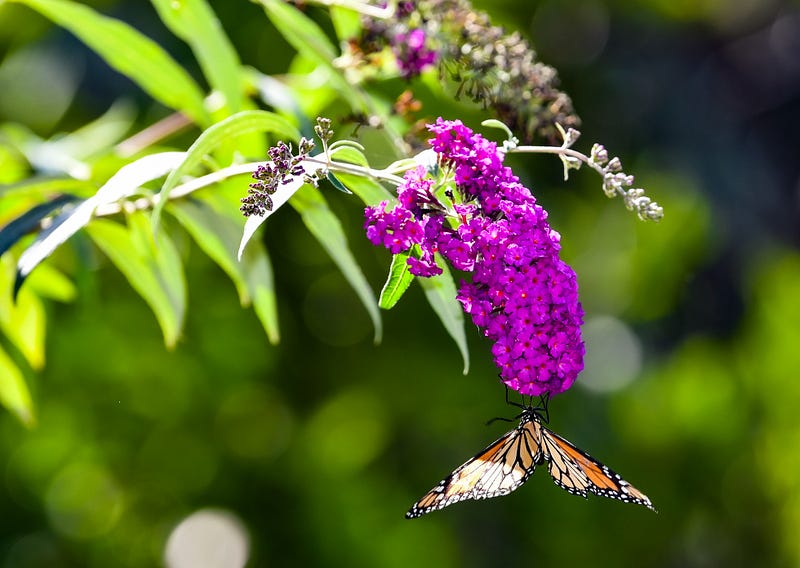
Along with fluttering wings of monarch, swallowtail and painted lady butterflies, and the buzz of our resident hummingbirds, we’ve also fostered many varieties of insects.
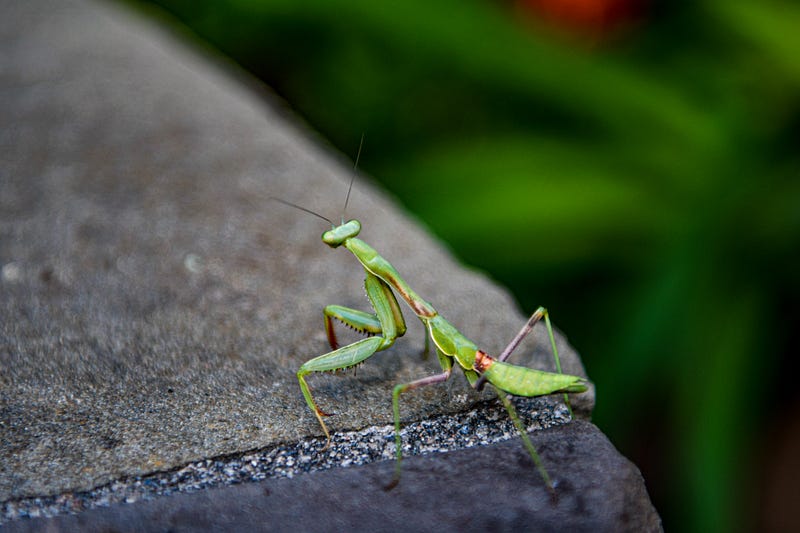
Praying Mantises are one type of insect to have flourished in our little microbiome. Named for the seemingly-devotional gesture they make when they fold their front legs in, they appear to be soulful little creatures. But, in reality, they are ambush predators with martial artist-type skills.
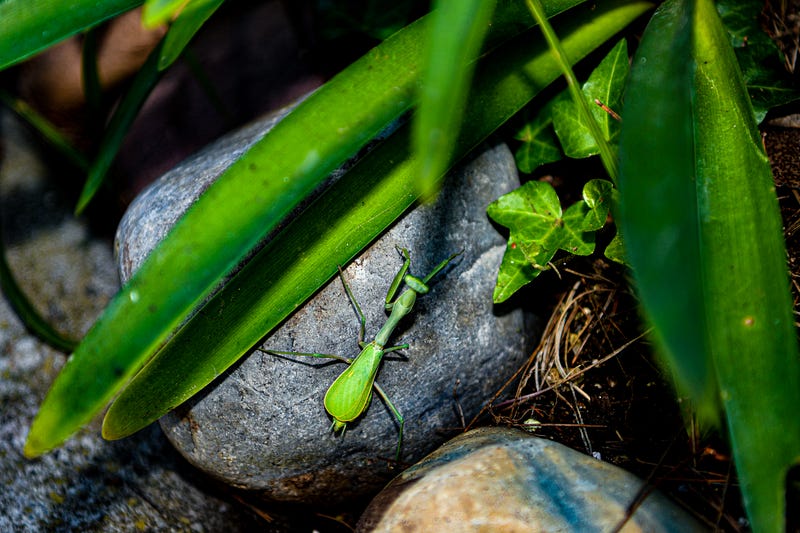
They are also amazingly talented at camouflaging themselves. This green one, below, was nearly invisible to me, until I caught its movement out of the corner of my eye.
Their vision is acute. They see in 3-D, and their two large compound eyes each have a concentrated area, called a fovea, which enables them to focus in on and track their prey with great accuracy. They also have three spare simple eyes in between the two main eyes.
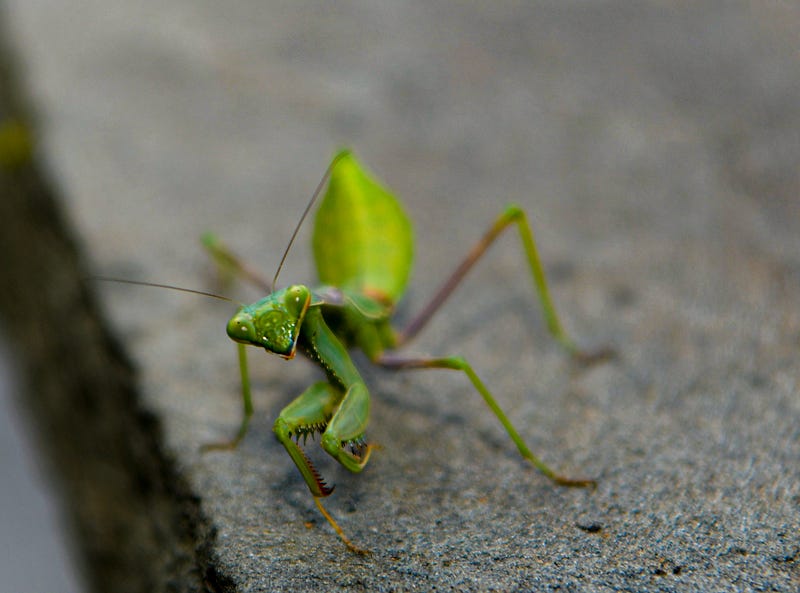
Praying mantises will wait, patiently, while stalking their prey. But when they are ready to ambush, they are like little ninja warriors, attacking with those big front legs so quickly that it’s hard to see the action with the naked eye. They have spikes on those legs too, which they use to skewer and pin their victims down.
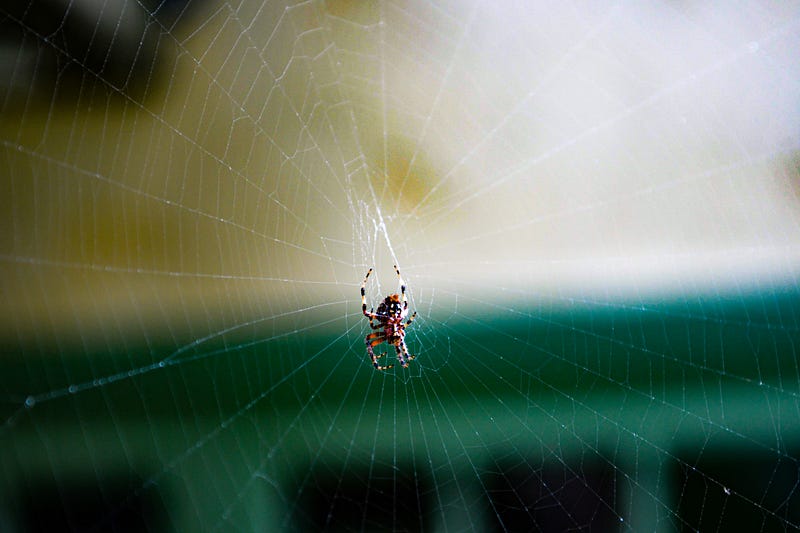
They are preyed upon by frogs, lizards, birds, spiders (they better watch out for Carlotta and her descendants!). They are amazingly dexterous at avoiding being caught by bats. They can hear the bats’ echolocation sounds and will dive to the ground to avoid them, sometimes performing acrobatic flips and twists on the way down.
Mama mantises lay large bunches of eggs and require a LOT of food. Unfortunately for their partners, these girls are “femme fatales” and may literally bite their mates’ heads off and then devour them — even sometimes doing this during the course of their three-hour mating session.
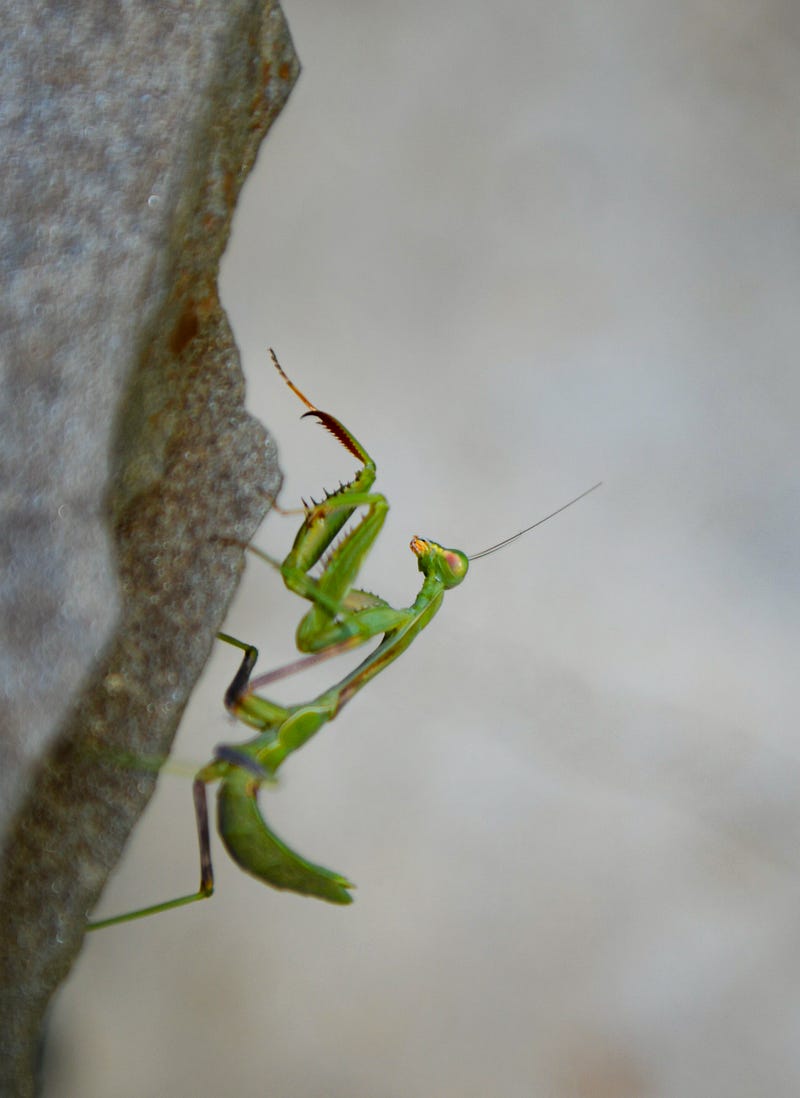
They dine on all sorts of creatures, including grasshoppers and crickets. They tend to prefer food which is in motion when they catch it.
Amazingly, although I had never seen it myself, I had heard that they have even been spotted targeting hummingbirds!
Here’s a video (don’t worry, the hummingbird lives) that shocked me:
They also attack warblers, sunbirds, honeyeaters, flycatchers, vireos and European robins, in addition to frogs and lizards.
Sort of like zombies, they go straight for the birds’ brains in their attacks.
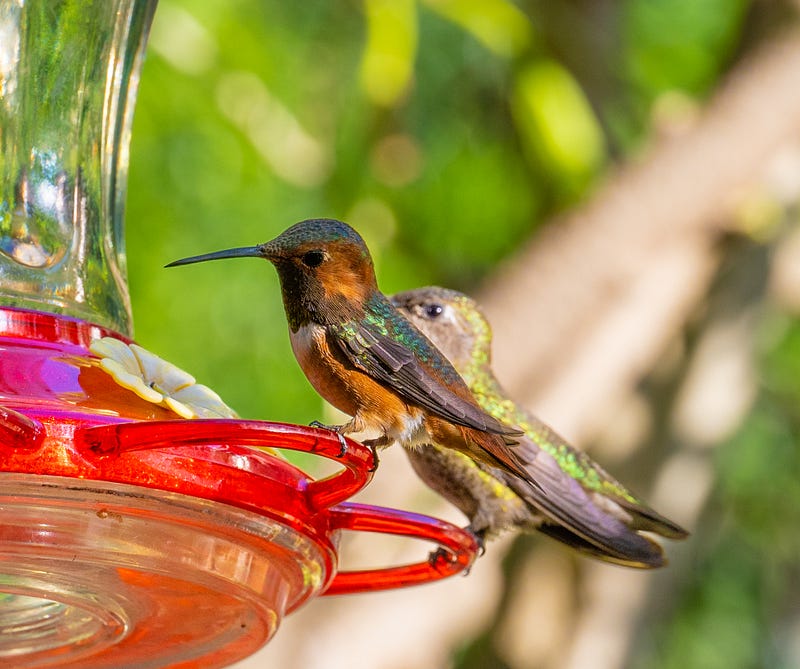
The buzz of hummingbirds is a constant backdrop to the sounds of my day. I have nine feeders placed all around my yard and they are heavily-used.
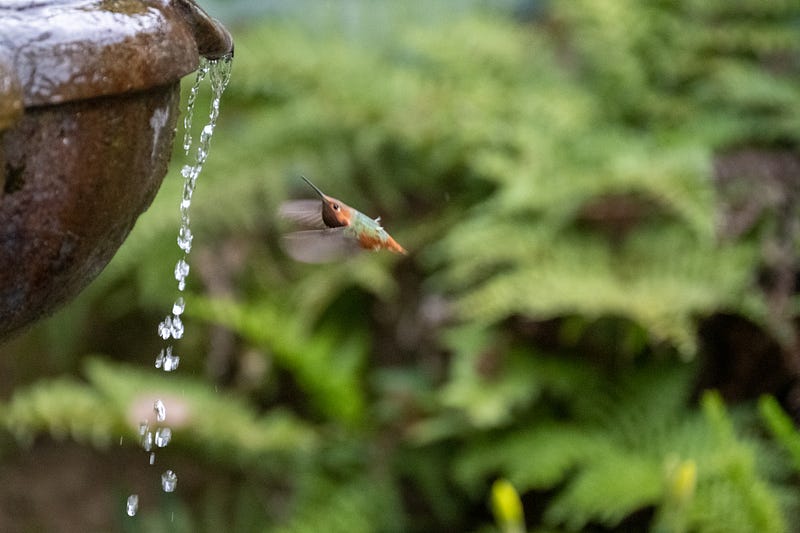
The hummers love to bathe in the water fountains.
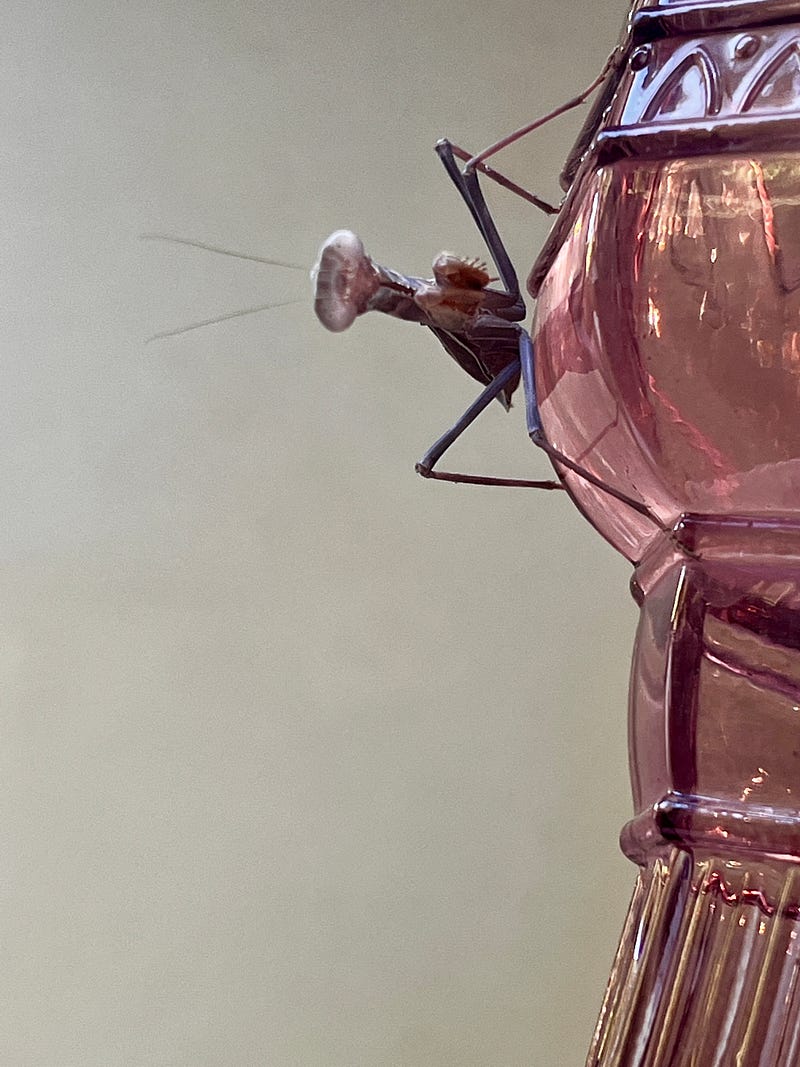
So, when I was refilling the feeders the other day, I was horrified to find this praying mantis lying in wait.
Like I said, I had never seen one on a feeder before. This one managed to get up onto a second-floor balcony and find a very active feeder.
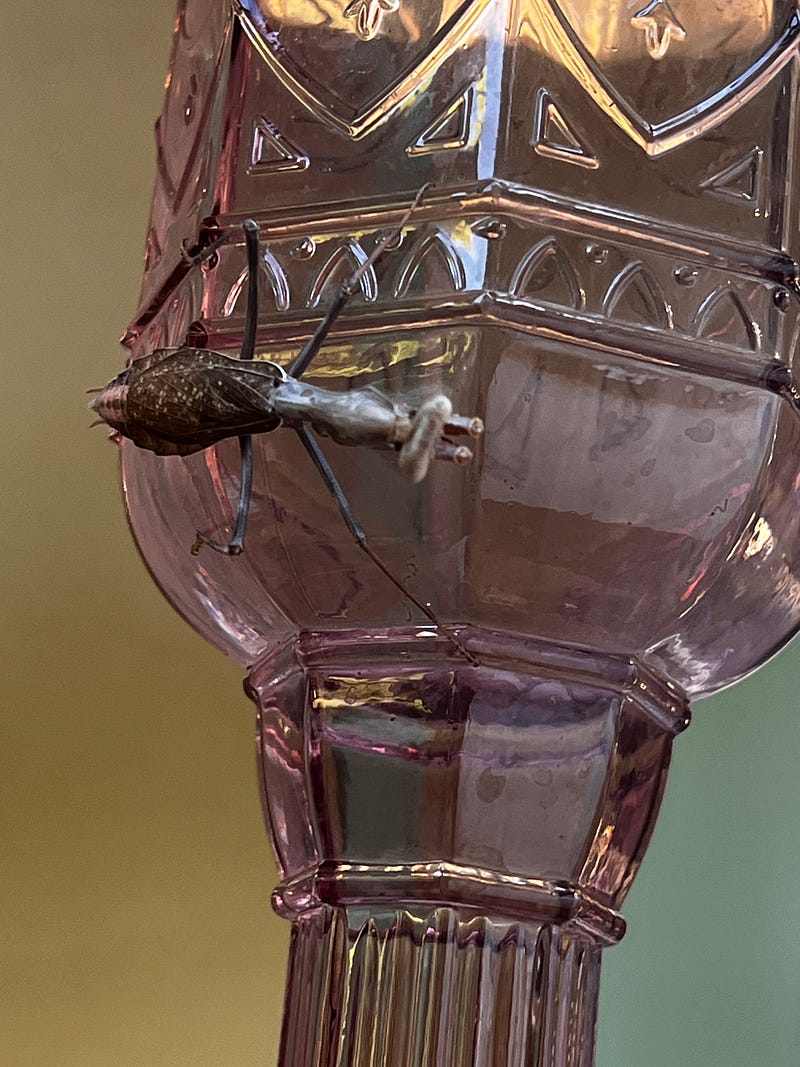
Well, while I think that praying mantises are pretty cool little creatures, I wasn’t going to let it murder one of my hummingbirds. So, I put a stick up to the feeder, let the mantis latch on and I transported the little ninja to a plant. Hopefully it will happily dine on some nice mosquitos instead!
Erika Burkhalter is a yogi, neurophilosopher, cat-mom, photographer, and lover of travel and nature, spreading her love and amazement for Mother Earth’s glories, one photo, poem, or story at a time. (MS Neuropsychology, MA Yoga Studies).
You might also enjoy:
If you enjoyed this piece, you might consider subscribing to my stories. You’ll get an alert whenever a story gets published. While I do normally post my stories with free “friends” links on social media, if you enjoy reading on medium, you can help the many talented writers here by joining. It helps to support the arts and to keep us writing!
And, because I’ve had a few people asking lately, if you’re ever interested in purchasing a photo, just leave me a note.
Photos and story ©Erika Burkhalter. All rights reserved.


