
The Most Powerful Resource Teachers Have in the Classroom
How teachers should hone their intuition to connect more with students.

Yes, teacher intuition is the most powerful tool teachers have in the classroom.
And the faster they learn to hone in on this ability, the easier and quicker it will be for them to make longer-lasting and more meaningful relationships with their students.
Don’t believe me?
Just think about your first year as a teacher handling the “I need to go to the toilet” excuse in the middle of explaining a very important lesson, all while your teacher supervisor is attending your class.
Sure you could easily let the student go, because students would NEVER lie about a natural human bodily function, but then four or five other students start to need the toilet as well.
Translation, your lesson is boring and students will look for the most powerful tool at their disposal to get out of the classroom and into their perceived freedom.
And your teacher supervisor knows this, and so do you.
What Does Intuition Mean?
Well, Oxford dictionary defines it as:
The ability to understand something instinctively, without the need for conscious reasoning.
Intuition is also referred to as a gut feeling, sixth sense, or even a funny feeling.
It is in all of us humans, and it can help get us out of situations that may not be good for us, or lead us towards better choices if we just listen.
Becoming a mother has helped me hone my intuition skills as I love my children. I continually look to strengthen our relationships by communicating with them in ways that get them to share when they don’t act like their usual selves.
Honestly, I have found my intuition best put to use in the classroom when I look to treat my students in the same manner as I would my own children.
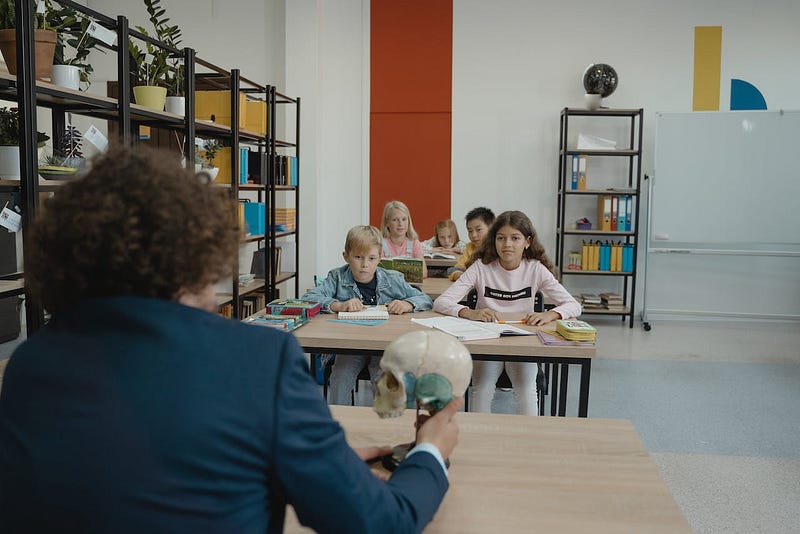
And that’s what has shown me how to build more meaningful relationships with students because they can sense when I care about them as a teacher.
Now for those teachers who don’t have their own children, just replace the idea of your own children with someone or something that is very dear to you and see your students as that someone or something.
Remember, you, as the teacher, along with students, are creating a classroom community that lasts at least 9 months out of the year, so it’s worth trying to keep it special.
How to Build Your Teacher Intuition
It starts with a smile.
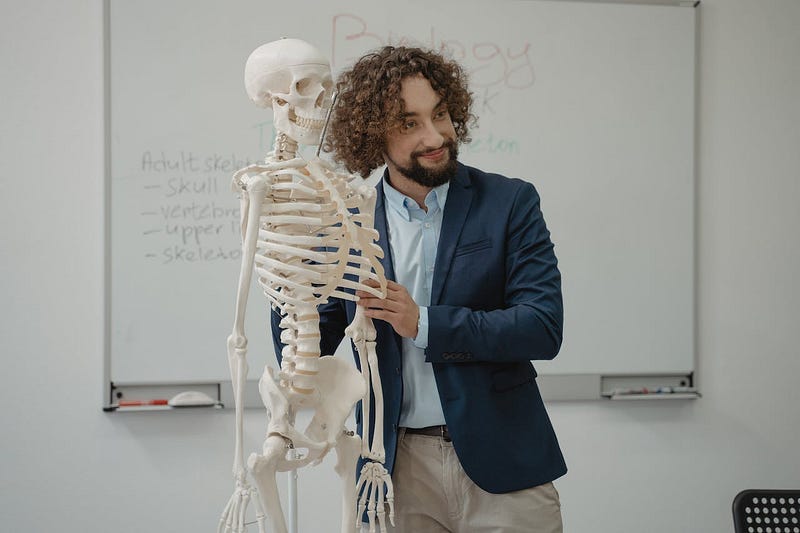
Have you ever walked into your classroom and just stood in front of your students and smiled without saying anything for about a minute or so.
Sometimes our best converstations can happen without saying a word.
When you get the chance, attempt this little exercise with your students.
And I’ll tell you what may happen next.
Students may start to smile back at you slowly, then they may start looking at each other confused. After that, they may try to make sure everything around them is ok…then when they feel like everything is ok, they most likely will end up giving you the side-eye look.
While they are in their state of slight confusion, you can use this opportunity to scan across the room and do your own welfare check to be sure your students are their true selves.
If you sense that some students are not their usual selves, when the time presents itself, you can show them you care with positive reinforcement towards their work in the classroom.
And so, as teachers, we need to hone our ability to understand our students instinctively through being active rather than passive when it comes to their welfare, especially when they need to leave the classroom for the toilet.
Now, before going any further, the toliet situation — teacher intuition connection really is most effective in the middle years of schooling — as those older and younger really don’t benefit from lying about the situation.
The Toliet Situation
We’ve all been there teachers.
We think we are engaging our students with an exciting lesson on the topic we are teaching and are excited for students to start participating and answering questions we’ve spent hours preparing.
And when we ask that starter question, many hands rise, and you think wow, and then pick a student who looks the most anxious to get your attention only to hear:
“Teacher, can I use the toilet?”
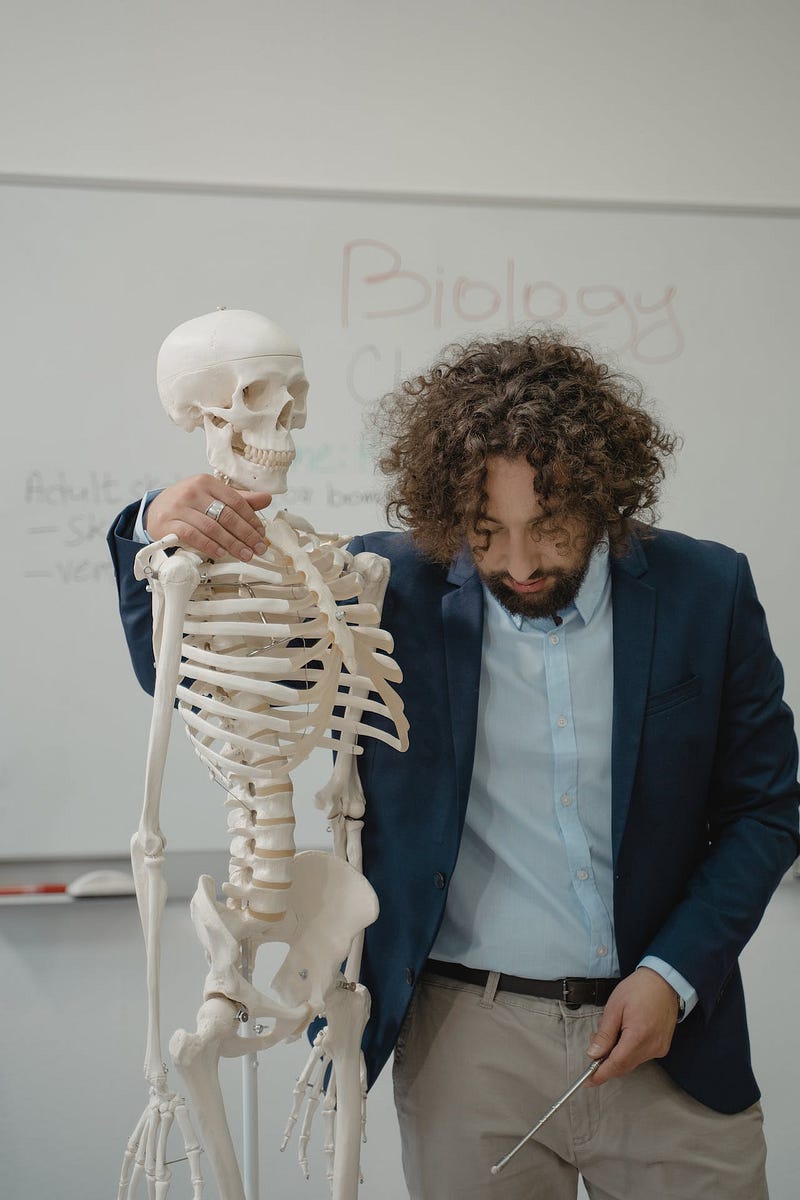
Here’s where teacher intuition can be at its finest.
When a student asks to go to the toilet, use your intuition to tap into the question: is this student being their usual self, or are they looking uncomfortable?
If the answer falls under scenario A, usual self, the following response works best: I’ll just finish explaining this point in the lesson and then you can go since I don’t want you to miss anything.
Of course, if the answer falls under scenario B, not their usual self, then let the student go as it is most likely an emergency.
Students who fall under scenario A usually forget to go because they are waiting as their usual selves.
By the time they remember that they want to go to the toilet, you will have already had the students doing an independent or group activity that is so entertaining they don’t want to leave.
But if they have to go to the toilet, at least they come back to class knowing what to do.
And now that your lesson is going according to plan, you can sit at your desk and allow yourself to enjoy a few more sips of coffee.
Final thoughts…
And with that, teacher intuition can also be impacted by poor lesson planning.
Lessons need to be structured so both you and the students know when it is best to ask to leave the classroom for the toilet.
Asking to go to the toilet shouldn’t be used by students as an excuse to leave a boring class because they will take advantage of it.
If your lesson is planned correctly, students will be engaged with you as you use your time to explain what the objectives are to the lesson, and they will enjoy the time to themselves in the class to finish the work or participate in group activities.
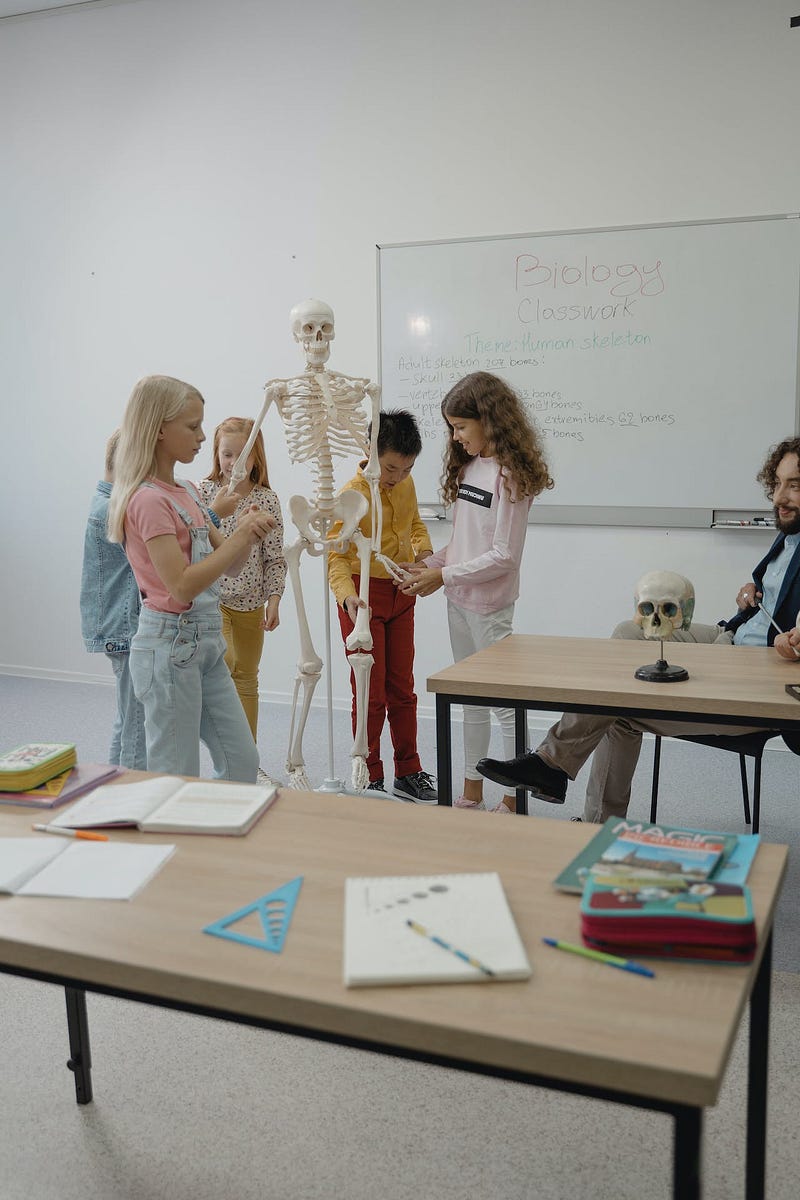
And the idea of having to go to the toilet will go back to being the bothersome chore it is meant to be.
If you enjoyed this article, check out my other articles relating to teacher—student relationships in the classroom below.


