
The Most Dangerous City in Colombia
Field Notes from Buenaventura
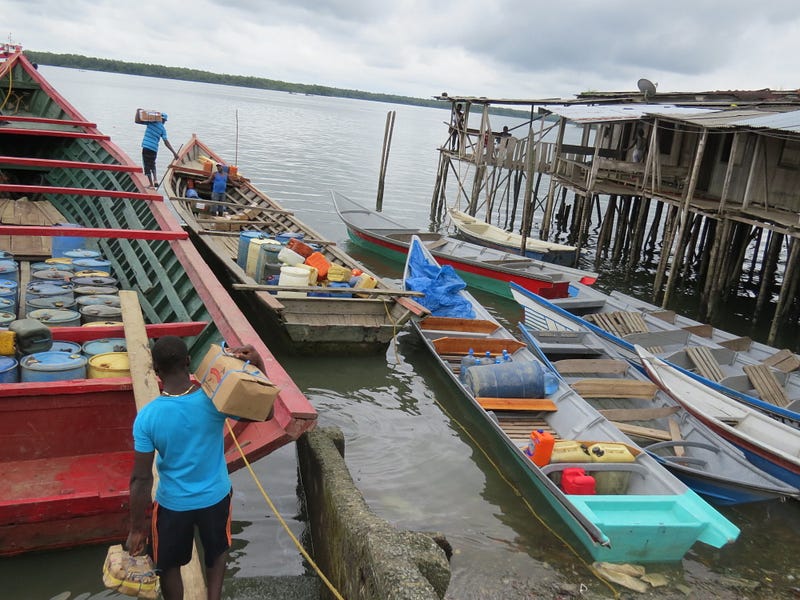
As a Human Rights advocate, I’ve visited and advocated for some of the most vulnerable communities in Central and Latin America. One such community is the Afro-Colombian community living in dilapidated wooden houses on stilts above the waters of La Playita — one of the deadliest areas in Colombia.
There is one reason that makes Playita dangerous — cocaine. If you examine the photo above, you will notice a man loading; guess what? I was fortunate that I wasn’t killed taking the photo. No, I’m not exaggerating. Buenaventura has been seized by warring guerrillas and paramilitaries for decades. There have been attempts at no-conflict peace zones in the area, but they seldom hold up against the violent reign of drug traffickers. Forty percent of Colombia’s international cocaine trade flows through here — most of it heading to good ol’ USA.
People who dare challenge the brutal state of drug trafficking pay the price through murder and dismemberment, body parts strewn around the port to warn others never to intervene. During my stay in Buenaventura, two people were murdered at my place of accommodation. This is not a vacation spot. This is hell on earth.
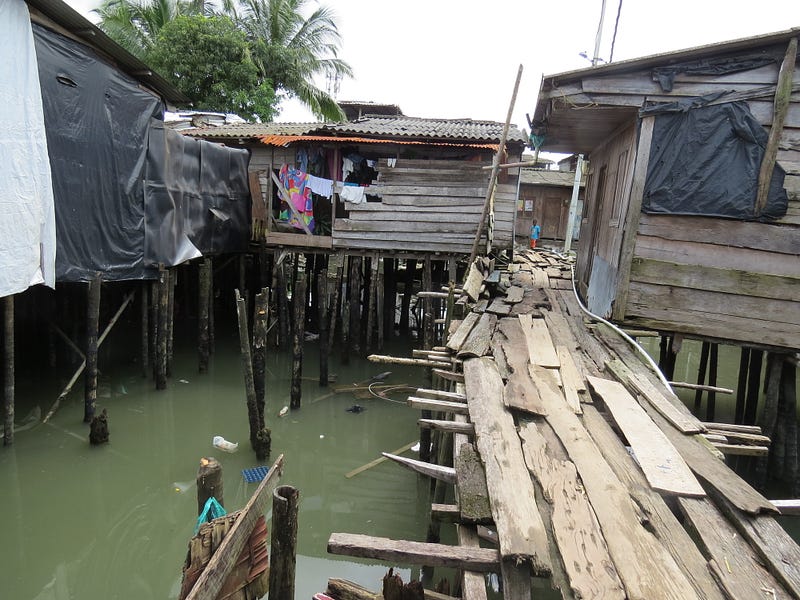
Sadly, Colombia’s Afro-Colombianos, who have suffered a legacy of slavery, and history of socio-political and economic marginalization, have carried the deadly burden of drug trafficking. This has been further complicated by Colombia’s war on drugs, whose numerous actors vie for territorial control of mining and cocaine. International business conglomerates get in bed with local and national politicians as well as military, paramilitary, and guerrilla forces.
The armed conflict has displaced over five million Colombians from their homes, making Colombia the country with the world's second-largest population of displaced people.
According to the UN Office for the Coordination of Humanitarian Affairs, 73,974 people have been displaced, and 260,000 have died after almost six decades of violence. According to government figures, Buenaventura has led all Colombian municipalities in the number of newly displaced persons. Today, Buenaventura holds the largest population of displaced Afro-Colombianos and has suffered the brunt of this conflict as little tax revenue trickles down, forcing them to struggle to gain adequate nutrition and health care.
Missing victims have been dumped into the coastal mangroves leading from the port, and families are admonished never to visit the “secret” graves to find their loved ones.
To make matters worse, Mega-Industrial projects have entered the conflict zone adding to the violence, including Buenaventura Containers Termina (TCBUEN) and Puerto Solo, which received a 30-year port concession from Colombia’s National Infrastructure Agency. TCBUEN attempted to force residents to sell homes and has been linked to arson, destroying 35 homes. If residents didn’t want to sell, they were threatened and murdered.
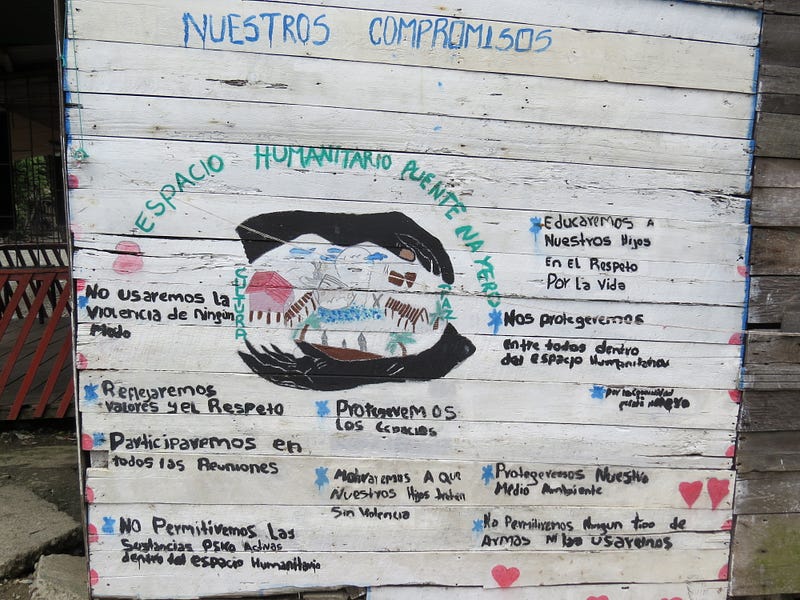
Covid brought more violence, with a 200 percent increase in homicides in January 2021 compared to the same time period last year. Nobody can walk the area without risking their life. While Zones of Peace and humanitarian spaces have been created, they are quite fragile and fail to deter random shootouts between competing forces.
Buenaventura ironically translates to “Good luck” and is nothing close to it. It is hell under siege by demons seduced by power and money. Sadly, the people who always suffer the most are women and children.
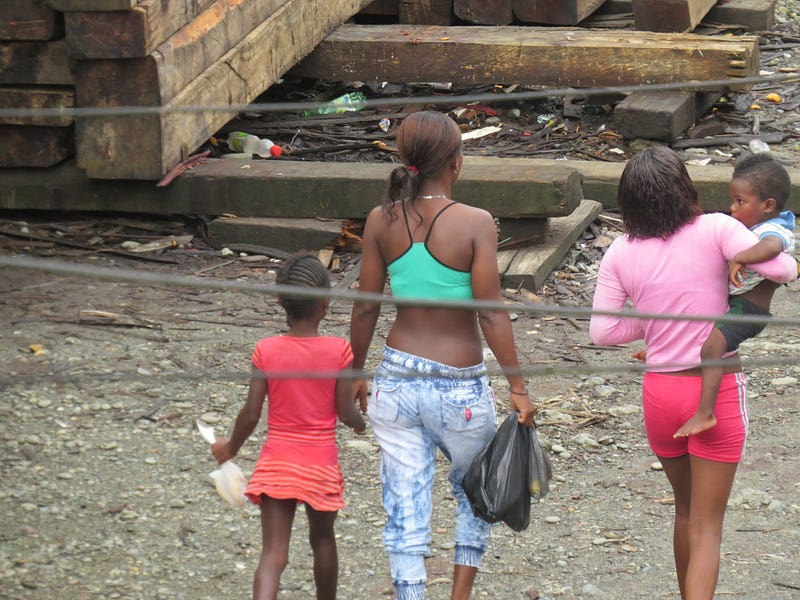
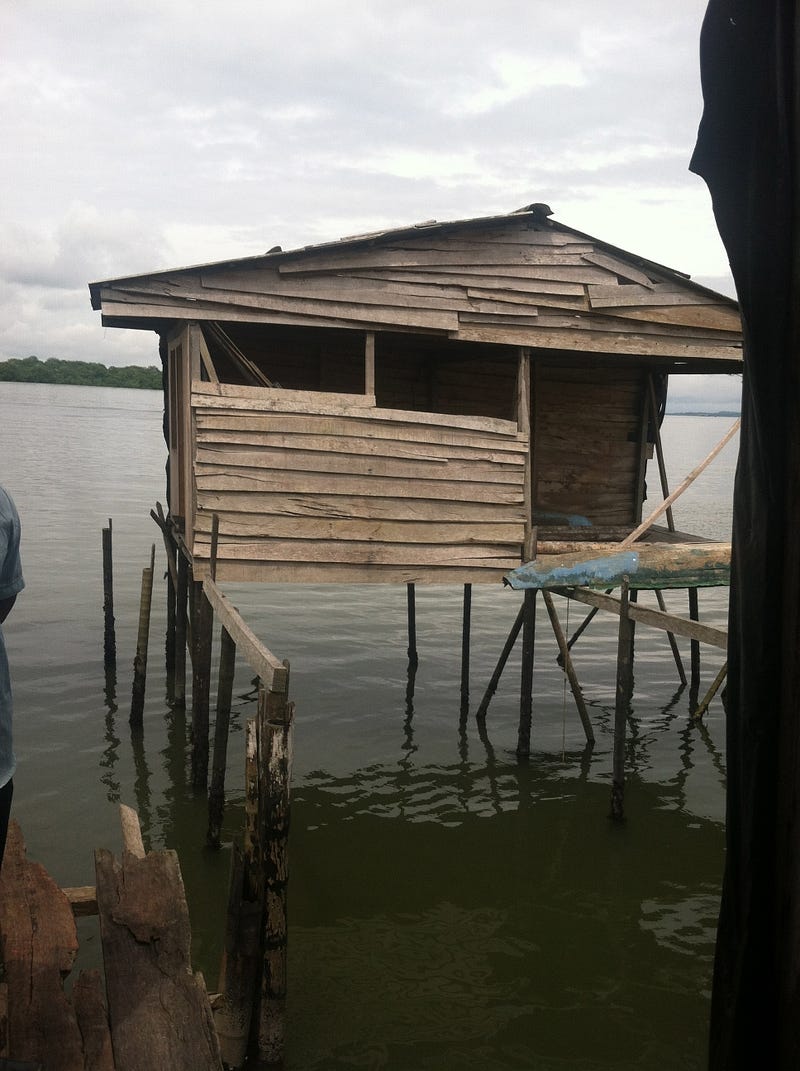
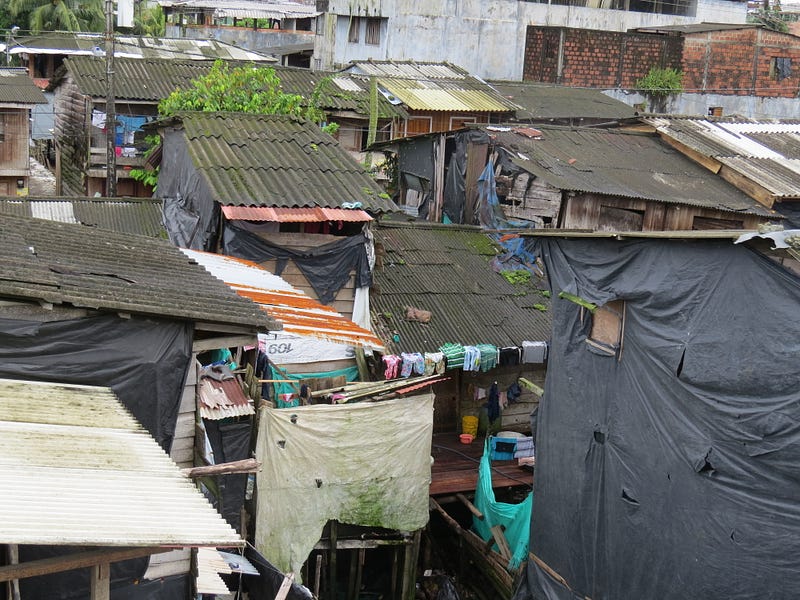
These photos are essential for the reader to see because they testify to the unforgivable structural racism that had led to the extreme poverty of Afro-Colombianos surviving in the gateway of international drug trafficking.
What I’m reading:


