
The Metabolic Nature of Cancer: How Cancer Develops at a Cellular Level
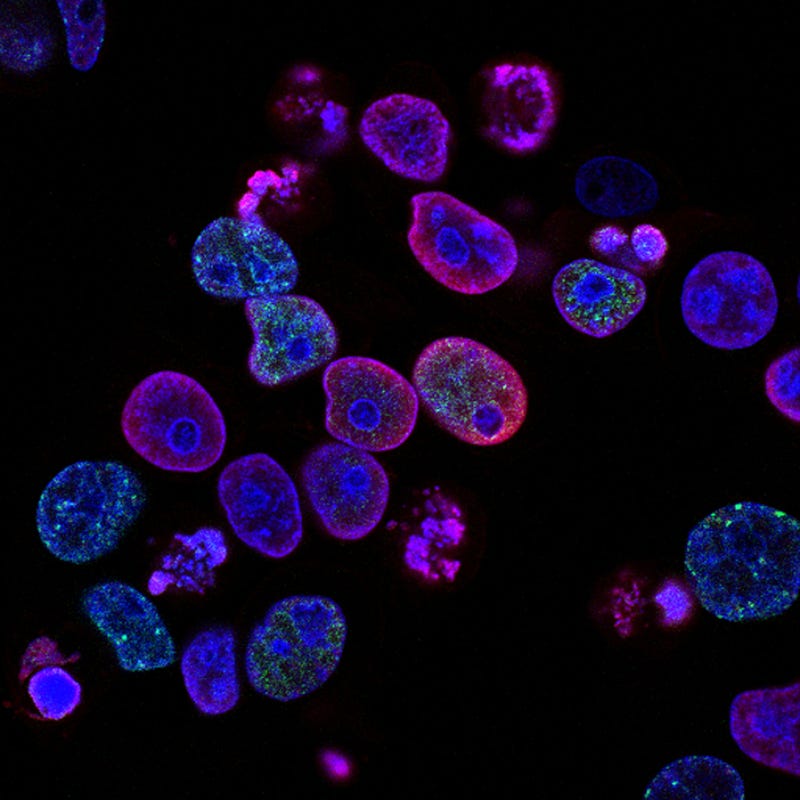
Cancer develops at a cellular level, where normal cells undergo harmful changes in their metabolism and growth. Cancer cells abandon the efficient energy-producing pathways used by healthy cells and instead shift to alternative strategies that prioritize rapid growth and proliferation.
The metabolism of cancer cells is characterized by enhanced uptake and utilization of glucose, known as the Warburg effect. Rather than generating energy, cancer cells use the majority of the glucose they consume to produce new cellular components like lipids, proteins, and nucleic acids to facilitate growth and division. This metabolic reprogramming fuels the biosynthesis of new cells and the formation of tumors.
Not only does this metabolic shift reveal how cancer develops biologically, but it also sheds light on the physical and emotional experiences of those with cancer. The unregulated growth of cancer cells and resulting tumors can cause symptoms like pain, fatigue, nausea, and unexplained weight changes. The body's resources are depleted as cancer cells demand more and more fuel for proliferation.
This new understanding of cancer as a metabolic disease helps explain why certain people may be predisposed or susceptible to developing cancer. Factors like genetics, diet, lifestyle, environmental exposures, and gut health can all influence cellular metabolism and either promote or inhibit the development of cancer. By supporting healthy metabolism and avoiding known carcinogens, we may be able to reduce cancer risk and even prevent tumor progression.
The faces of cancer are as diverse as the types of cancer themselves. But beneath the surface, a common thread connects them all: the metabolic nature of cancer at a cellular level. Recognizing this thread will be key to developing new strategies for cancer prevention, diagnosis and treatment.
Common Cancer Signs and Symptoms to Look Out For
Some of the most common signs of cancer are subtle changes you may not recognize at first. But paying attention to your body and being aware of certain symptoms can help detect cancer early on.
Unexplained weight loss of 10 pounds or more may be one of the first signs of cancer. If you're dropping pounds and you're not sure why, it's worth talking to your doctor. Fatigue or extreme tiredness that doesn't get better with rest can also be a symptom of cancer. Feeling wiped out for no reason is not normal and should be checked out.
Changes in bathroom habits, such as difficulty urinating or changes in bowel movements, can be signs of cancer. Going more often, increased urgency, changes in stool shape or color are all worth noting and discussing with your doctor.
Persistent pain, aches or discomforts in any part of the body is another common symptom to watch out for. While pain often has innocent causes, any pain that's unexplained or doesn't go away, especially if it wakes you up at night or gets worse over time, warrants a visit to your physician. They can examine the area, run tests if needed and determine if it's due to cancer or another condition.
As cancer progresses, some people experience frequent infections, nausea, vomiting, coughing or shortness of breath. While less common, certain cancers can also cause skin changes like new moles, sores that don't heal or changes in the appearance of existing moles.
The key is not to ignore changes in your health or body. Early detection of cancer can make a life-saving difference. Talk to your doctor about any symptoms or health changes that concern you - it's always better to be safe than sorry. Getting the right diagnosis and treatment as soon as possible provides the best chance of overcoming cancer.
The Emotional Symptoms of Cancer: Depression, Anxiety and Distress
A cancer diagnosis often brings with it emotional symptoms as impactful as the physical ones. Depression, anxiety, and distress are common side effects of cancer and its treatment.
Depression
Feeling down or hopeless is normal after a cancer diagnosis. But if these feelings persist or interfere with your daily life, you may have depression. Some signs of depression include:
• Loss of interest in activities you used to enjoy
• Changes in appetite or sleep
• Difficulty concentrating
• Feeling worthless or guilty
• Thoughts of death or suicide
Talk to your doctor right away if you experience these symptoms. Antidepressants or counseling can help you cope.
Anxiety
Anxiety involves excessive worry, fear, and dread. With cancer, you may feel anxious about treatment, test results, finances, loss of control, and an uncertain future. Anxiety can manifest as:
• Restlessness or feeling on edge
• Difficulty concentrating
• Irritability
• Muscle tension
• Difficulty sleeping
Anti-anxiety medications, therapy, meditation, and support groups can all help alleviate anxiety.
Distress
Distress refers to the mix of painful emotions that come with a trauma like cancer. It can include feelings of sadness, fear, anger, grief, and more. Distress may:
• Make it harder to cope with treatment
• Disrupt your sleep and appetite
• Cause withdrawal from social interactions
• Lead to physical problems like high blood pressure
The most effective ways to manage distress are connecting with others, practicing self-care, and seeking professional help if needed. Speaking to a counselor or joining a support group can help you work through difficult emotions.
While the emotional symptoms of cancer can be as damaging as the physical ones, the good news is there are many resources to help you cope. Don't hesitate to lean on your medical team, loved ones, and mental health professionals to ease your distress and find hope.
Cancer Traits: Who's Most at Risk?
Some people are at higher risk of developing cancer due to factors outside of their control. Age is a major one. As we get older, our cells have more opportunities to mutate and become cancerous over time. The majority of cancers occur in people 65 and older.
If you have a family history of cancer, especially close relatives like parents or siblings, your risk also increases significantly. Certain types of cancer, like breast, ovarian, and colorectal cancer, often run in families due to inherited gene mutations. Make sure to get the recommended cancer screenings for the types of cancer common in your family.
Unhealthy lifestyle habits are also linked to higher cancer risk. Smoking or using other tobacco products has been proven to cause cancer and accounts for nearly all lung cancer cases. Excess body weight and obesity are associated with increased risks of 13 different cancers, including breast, colon, and endometrial cancers.
Poor diet, lack of exercise, and excessive alcohol use can also contribute to rising cancer rates. The good news is you have the power to make positive lifestyle changes that can help lower your risk, even if you can't change your age or family history. Quitting smoking, losing excess pounds, eating a balanced nutritious diet, limiting alcohol, and exercising regularly are some of the best ways to reduce your cancer risk and improve your health overall.
While cancer can strike people of all backgrounds, certain populations tend to develop some types of cancer more frequently. African Americans have the highest death rates from colorectal, breast, and prostate cancers. Hispanics have higher rates of cervical, liver, and stomach cancers. Geographic factors like exposure to toxic chemicals may play a role for some groups. But lack of access to healthcare and standard cancer screenings are also barriers that contribute to delayed diagnosis and treatment in minority and disadvantaged communities.
Overall, the more you understand about the faces of cancer and who's most susceptible, the better equipped you'll be to take preventive action and safeguard your health. Knowledge is power, and that power is in your hands.
Ongoing Cancer Research and Clinical Trials: A New Hope
New research studies and clinical trials are providing hope for improved cancer detection and treatment. Clinical trials are vital to developing innovative new therapies and finding ways to better diagnose and prevent cancer.
Cutting-Edge Research
Scientists are gaining new insights into the metabolic nature of cancer. Rather than viewing cancer as a genetic disease, the new paradigm recognizes that cancer is a metabolic disorder that develops at a cellular level. This groundbreaking research is uncovering clues about how to starve cancer cells of the fuel they need to grow and spread.
Promising Clinical Trials
Early-phase clinical trials of new immunotherapies, like CAR T-cell therapy, are showing promise for certain cancer types that have been difficult to treat, such as pancreatic cancer. CAR T-cell therapy boosts your body’s natural defenses to fight cancer. In small studies, some pancreatic cancer patients achieved complete remission after CAR T-cell therapy. Although still experimental, this provides new hope for a cancer that typically has a poor prognosis.
Improving Outcomes
Cancer research studies and clinical trials aim to find new ways to detect cancer earlier, reduce side effects, and improve survival rates and quality of life. Even small improvements in treatment can have life-changing results for cancer patients. Participating in a clinical trial gives you a chance to gain access to new treatments before they become widely available.
Making a Difference
Unfortunately, only 3 to 5 percent of cancer patients enroll in clinical trials. More participation is needed to help speed new discoveries. By taking part in a trial, you can play an active role in advancing cancer research and make a meaningful contribution that may help others. Clinical trials are tightly regulated to ensure patient safety, and health insurance often covers the costs. Check with your doctor about open trials that may be right for you.
Advances in research and clinical trials are creating new possibilities for hope. Although more work remains, continued progress is helping transform cancer into a manageable disease for more patients. Participating in a trial could be one of the most impactful decisions you make.
Conclusion
So there you have it, a glimpse into the many faces of cancer and what it's truly like to live with this disease. As you've learned, cancer affects people of all ages, races and backgrounds - it does not discriminate. The experience of cancer goes far beyond just the physical symptoms; the emotional and psychological impacts can be equally devastating. But the good news is the outdated notion of cancer as an inevitable death sentence is fading. By understanding cancer as a metabolic disease that starts at a cellular level, we now have more advanced ways to prevent, detect and treat many types of cancer. The key is paying attention to your body and health, getting the right screening tests, and advocating for yourself. Together, we can work to outsmart cancer.
links to further details:
https://readmedium.com/truth-exposed-why-cancer-is-caused-by-damage-to-respiration-rather-than-genetic-mutation-74b70669c7f
The Metabolic Nature of Cancer: How Cancer Develops at a Cellular Level
https://readmedium.com/the-metabolic-nature-of-cancer-how-cancer-develops-at-a-cellular-level-4acb7798f1a1
Metabolic Therapy: A New Hope Against Cancer
https://readmedium.com/metabolic-therapy-a-new-hope-against-cancer-666c08033750
The Faces of Cancer: Understanding the Physical and Emotional Symptoms
https://readmedium.com/the-faces-of-cancer-understanding-the-physical-and-emotional-symptoms-c58b2267faaa
Can Cancer Be Cured? Secrets Exposed! Here’s the Juicy Details
https://readmedium.com/can-cancer-be-cured-9d772c2ee8ad
Beating Cancer in Dogs: Is Metabolic Therapy the Answer?
https://readmedium.com/beating-cancer-in-dogs-is-metabolic-therapy-the-answer-c6e8c981b078