
The Media We Consume as Kids Shapes Us As Adults
And the next generation is shaping up to be a good one.
I read a short post today about how a guy’s brother was doing interviews for a high school, and when they asked him what he did in his spare time, he said “I study Greek mythology.” In reality, his interest in it had been sparked by the book series Percy Jackson and the Olympians by Rick Riordan.
It always amuses me how all of the media we consume as kids — books, TV, video games — help shape the people we are and the people we become. I was a big fan of the video game Final Fantasy VII as a kid, and one of the core messages of that game is that corporations are killing the planet. You play the role of an ecoterrorist in the early game, blowing up a reactor that is literally draining the life out of the world.
A while ago, I found an article about how that very same game had inspired a generation of people to become warriors on the stage of global climate change, and it struck me how cool that was. The game came out in 1997, not a time when people thought of video games as an art form as many (myself included) do now, but the broad, sweeping story resonated with many at the time. As a result, a whole bunch of people began internalizing the (correct) notion that corporations are killing the planet and something needs to be done.
I remember a lot of the various media that I consumed as a kid and kind of wonder how it shaped me growing into the adult I am now. I was massively into the Star Wars Expanded Universe novels and other Star Wars-related stuff, and my collection spanned around fifty novels across various authors. I also read Ender’s Game and Hitchhiker’s Guide to the Galaxy series, all of which helped develop my lust for sci-fi adventure.
I remember being floored by the untimely passing of Douglas Adams, stopping the series dead in its tracks. It messed me up — I’d found the books merely a year before his death and consumed them all with a quickness. The wit and irreverence in his writing resonated with a cynical, jaded teenage me, and his outspoken atheism made me happy that apparently, some adults got it. I consumed the whole Hitchhiker series, read The Salmon of Doubt, and later read the conclusion And Another Thing when it came out in 2009.
I remember finding Terry Pratchett’s Discworld series, and I developed a huge love for those books. I wound up buying, reading, and re-reading quite a few of them before my love for reading dried up after college. One of the things I loved about them was their pointed political commentary on modern-day events — I still remember reading Vimes’ Boots Theory of Economic Unfairness and going, “huh.”
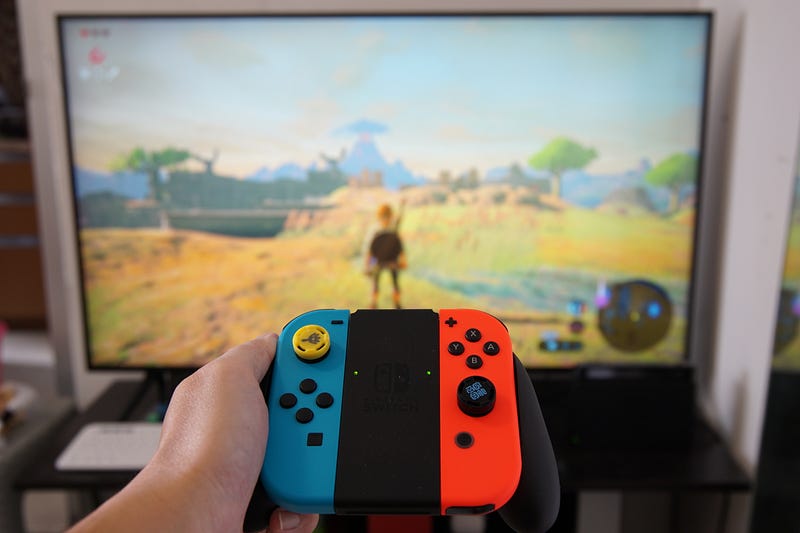
It wasn’t just books, though. In addition to Final Fantasy VII, I played a variety of games that had noble heroes, evil villains, and huge stories. Legend of Zelda: Ocarina of Time got a ton of play when I was in school, as did the follow-up Majora’s Mask. I played the heck out of the Metroid and Mega Man X series, enjoyed the irreverence of Borderlands in college, and ran through as many of the Final Fantasy games I could at the time.
All of these things taught me a wide variety of lessons about life. Video games gave me a variety of puzzle-solving skills, helped sharpen my reflexes, and taught me that sometimes, the biggest bad guy isn’t the huge tentacled monstrosity but the corporation that created it. Hitchhiker’s Guide to the Galaxy taught me many things, including that sometimes, life doesn’t make any sense and that’s okay. The broad works of Pratchett taught me about many things, including humanity, justice, injustice, and militant decency.
We are often shaped by the media we consume, and with the way things are going in pop culture, I’m fairly optimistic. For all that Disney gets derided by the right as “woke,” they know what direction the wind is blowing, and the fact that they’re willing to greenlight things like Owl House and Encanto gives me hope for the future.
We are entering a point in pop culture where stories are being written without a scenery-chewing bad guy. Instead, the villains of the stories are things like generational trauma and interpersonal conflicts. That’s pretty cool, honestly, because that’s what life is like for most of us. I’m not about to go fight some abomination that wants to destroy the planet, but I sure as hell am going to be dealing with grief and loss, and I’m glad that pop culture media is starting to reflect that.
We have shows like Steven Universe, which starts as a “monster of the week” show and ends with the redemption of the ultimate big baddies of the series. Star vs. the Forces of Evil started its run fighting one main bad guy alongside teenage hijinks, but (where I am currently in the last season) is now dealing with issues around authority figures trying and failing to rewrite history and the fallout that creates.
One thing that a lot of people tend to get wrong is the notion that kids are dumb. Don’t get me wrong, I was incredibly dumb as a kid and teenager, but I was a sponge for all sorts of stuff, and the stuff I absorbed in that phase of my life shaped me into what I am today. I may not have been world-wise, but I paid attention to the things around me, including pop culture, and that helped shape who I am today for better or worse.
This has noticeable effects on the world. Aside from the abovementioned FFVII article, the movie Jurassic Park literally led us to a golden age of paleontology by stirring up interest in dinosaurs. So, when the popular media that kids consume starts dealing with things like generational trauma and untrustworthy authority figures, you best believe that kids will pay attention.
Kids and teenagers may seem dumb, but it comes with being young and inexperienced. They are taking lessons from wherever they can get them, and the media and pop culture are big sources of learning. So, when they watch a movie like Encanto and see a family trying to cope with generational trauma, then turn on the news and see another school shooting, you best believe that they’re going to learn something from that.
Pop culture is richer than ever these days, with shows, movies, books, and video games all tackling complicated matters and offering kids windows into a lot of different aspects of life. The current generation of authors, writers, and designers grew up feeling like they were being pandered to until they discovered books like Harry Potter, which taught them that the systems of power can’t always be trusted. We wound up with a fantastic age of YA literature like Hunger Games, among others, which taught teens that the world is unfair and sometimes you have to fight back.
Now the teens that read those books are writing their own books (and shows, movies, and games), and all of that pop culture is more diverse, more honest, and more brutal than ever. There is less sugar coating and more honest representations of family dynamics and power structures. Characters make meaningful changes and grow in tangible ways, and they often suffer the consequences of their decisions or, in some cases, the decisions of those around them.
Modern media very often paints life as kind of unfair, but the protagonists often fight against the injustice of their worlds in the hopes of creating a better one. I desperately hope that the younger generation takes those lessons to heart because the system hasn’t worked for most of us in a while. In the meantime, I hope that we older folks — i.e. millennials — will be ready to assist when Gen Z and the newest generation come into power.
For now, I encourage you to read, watch, and play whatever you want, and let your kids do the same. Kids are smarter than we give them credit for, so if they want to read some more “adult-oriented” books outside of the traditional YA categories, let them. I learned a lot from books like 1984 and Fahrenheit 451 when I was a teenager, and telling a kid that they can’t do something is a great way to encourage them to do it.
I think trusting kids a little bit more with choices about their lives is a good thing. Kids and teens are people with agency, and even though they are inexperienced and kind of dumb sometimes, letting them make (controlled) choices about their lives can help them gain the experience that they need. Letting them make their own media choices is a good start.
And, with the current batch of popular media floating around today, I think the kids will probably be alright.
If you appreciate my work, why not join Medium as a paying member, which allows you access to unlimited stories (not just three free stories per month). Click this link or the image below. I will receive a little portion of your membership fee, but it won’t cost you any extra.
If you liked this, please subscribe to my publication, Thing a Day. I publish something every day on a variety of topics, so you never know what you’re going to see!
Here’s some other things I’ve written:


