
The Marketing and Exploitation of Spirituality and Shamanism
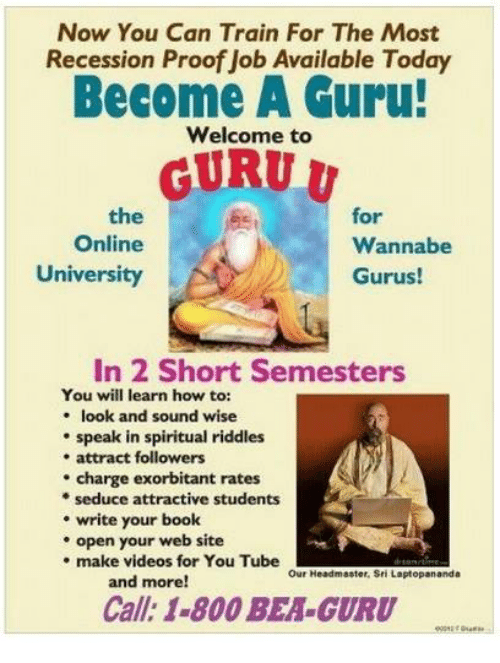
Or rather, is it even possible to sell spirituality?
So here’s the thing.
After healing, I initially thought I wanted to open a retreat center in Peru. However, the longer I stayed there and saw the overblown commercialization and marketing of ayahuasca and retreats, the less interested I became.
Shamanism has become hip, trendy, and commoditized. Shamanic practitioners are a dime a dozen, with schools churning out certification programs that mean nothing.
One does not become a shaman by taking a class. I’ve met many legitimate, genuine healers and shamans with a minimal online presence and no need to show off. The fad of pop shamanism is a discredit to these true teachers.
True healers will dedicate their lives to the path, sacrificing many things. Deep devotion and respect for the plants, the jungle, indigenous communities, and cultures they learned from.
Shamanism schools are built on capitalism and greed. Traditionally in indigenous communities, the community decides if a person is a healer based on their abilities.
There is no certificate to become a shaman. True healers would never go around promoting themselves, bragging about their exploits. Instead of taking from indigenous cultures and traditions, we need to consider how we can give back to them.
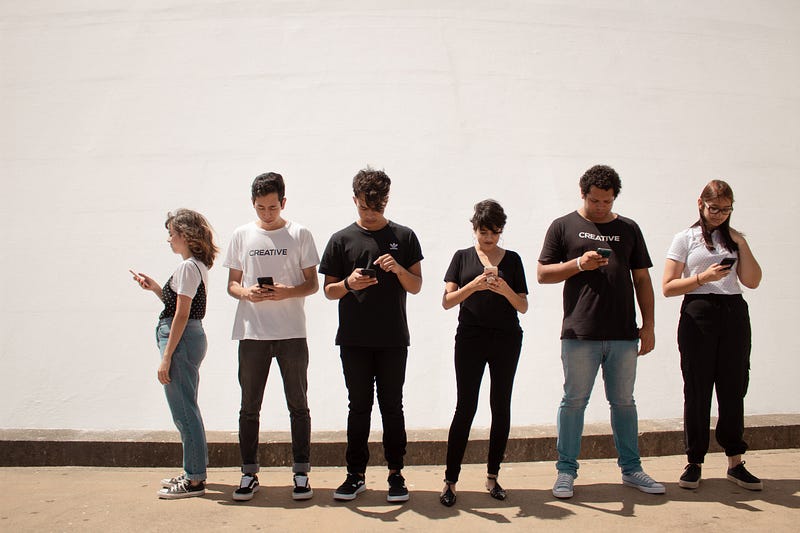
The rise of the social media influencer has spilled over into the spiritual realm, where anyone can sell themself as a teacher or expert. There is a lack of compassion and authenticity when the focus is only on advertising and making money.
Lacking expertise and then preying upon vulnerable people who need help is manipulative. No one needs a guru or a life coach. Please don’t give up your power and hand it over to someone else.
Yet everyone seems hellbent on constantly advertising themself, pushing their agenda all over social media. People talk about ayahuasca and the plants in a flowery language without acknowledging any of the risks.
Many online groups on ayahuasca retreats and plant dietas (shamanic retreats with medicinal plants) exist. And one can see how all these posts lead back to the marketing and selling of the plants, a whoring out of these sacred plants.
Again, we must look at how to give back to the plants, the jungle, and the indigenous cultures that hold these traditions.
Marketing, in essence, is pushing an agenda on people. Owning a business and working primarily online, I know how it works. Technology in and of itself is not bad; it’s how we use it. We can be on social media, connect with people, and share.
But when it comes to selling spirituality and truth, things get complicated.
Mainly because it is selling something that by its very definition cannot be sold.
The endless selfies, teary-eyed testimonials, cutesy quotes, and spiritual soundbites are performative and sanctimonious. A spiritual path is about becoming aware of the ego and how it works. Fishing for followers and likes on social media does not align with the humbleness of deep, embodied spirituality.
When spiritual teachers gain more followers and likes, it becomes ego-inflating. It then creates a parasitic loop, with teachers needing students for income and to keep their brand and ego afloat and students thinking they need a teacher.
And what happens when the marketing of spirituality adds some sex to it?
Sex, after all, always sells.
Recently, a self-professed New Age teacher posted a photo of herself butterball-butt-naked, lying on a fallen tree trunk. She wrote a lovely poem about nature and ended with a link to her website to sign up for her class.
This woman is beautiful and has a great body to show off. Understanding how sexual energy is life force energy is important and is indeed part of the spiritual path.
But it’s a bit over the top. It’s clickbait. This is the sexual energy out of balance, used for money and marketing. This tactic seemed beneath her, along the lines of a shady car salesman.
But this is how the new age snake oil salesman works. Lure people in with spiritual catchphrases, make it seem easy and throw in a naked body. Are we really supposed to believe that because someone is sexy and naked, they have all the secrets of how to live a spiritual life?
There are conflicting messages at play here. As women, we want to own our sexuality, protect it, and feel liberated. But using sex to market and advertise is outdated, especially in light of the #Metoo movement.
On the flip side, what about the selfies of someone meditating with a plant, eyes closed, and looking angelic? The very idea of taking a selfie while meditating, or doing yoga, is just absurd. It completely contradicts the idea of meditation and going within.
These curated, picture-perfect images are just that: curated. They are not at all reflective of reality, walking the path and living in the moment.
Even more complicated is that there are reports of sexual assault or inappropriate behavior against women during ceremonies in the ayahuasca community. This is wrong, dangerous, and exploitative.
Do you know what else is exploitative? Seeing this as an opportunity, turning it around, and using it as an advertising opportunity.
I’ve seen advertisements for all-women ayahuasca ceremonies and retreats, the selling point being that these are safe for women. Yet they use sexual and provocative images of naked women for advertising. And these are run by women! Given that it is always recommended to abstain from sex and clean your energy during ceremonies and retreats, they seem to be sorely missing the point.
In my personal experience, two women who considered themselves teachers tried to convince me that I needed a female teacher and that they were the teacher I needed. It felt very manipulative. Having an all-women event may protect women from inappropriate and wanted attention from men. But it still is not a perfect solution; it’s only marketed and sold that way to vulnerable consumers.
In another marketing twist, I saw another center quickly start representing themselves as safe and supportive, using two recent suicides at other ayahuasca centers as a comparison. No suicides here; sign up. To what lengths will people go?
A healer who really wants to heal is not looking to be put on a pedestal. They don’t have time for social media arguments or posting performative selfies and videos with righteous quotes or commentary on how to live the high life.
The marketing of and spirituality and shamanism has gone completely overboard. And the impact is that it hurts people. Emotionally, physically, spiritually.
No one needs a teacher, a coach, or a guru. Gnosis is the Greek word “to know” and refers to insight, knowing from experience.
Go within, and find your own truth.
Thank you for your reading! If you liked this article, there’s more here:
About me:
writing, traveling, living my life after healing from an incurable disease with medicinal plants of the Amazon jungle// psychotherapist at www.lynnenardizzi.com


