
The Man Technology Is Creating
How technology is reshaping humanity now and forging the future
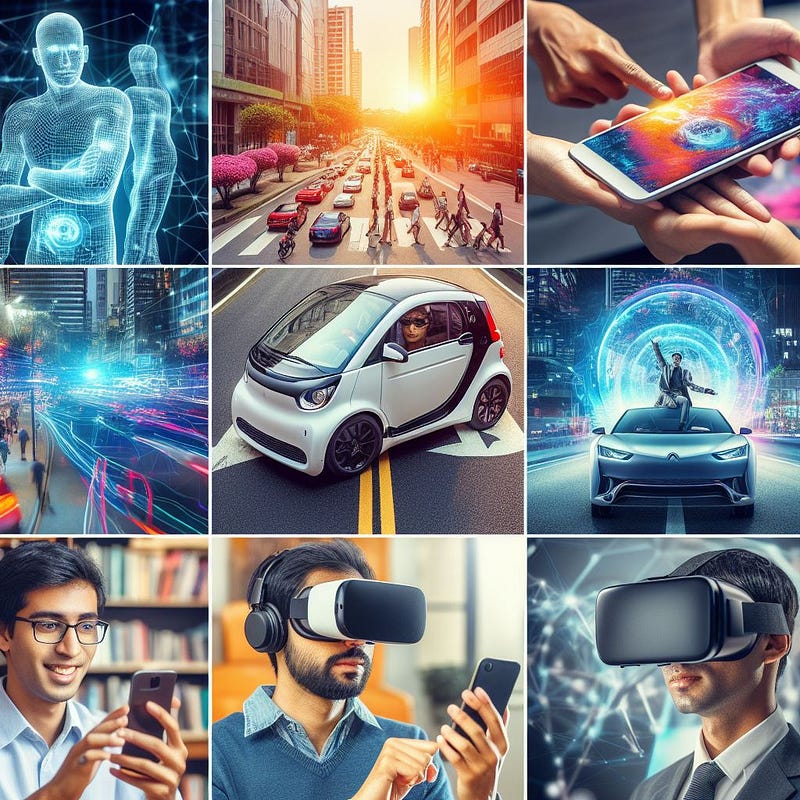
Consider my friend, Alice. A decade ago, Alice was a traditional artist, her hands stained with paint, her heart filled with passion. Today, Alice is a digital artist, her canvas is a screen, her brush, a stylus. Technology has transformed her art, and in many ways, it has transformed Alice.
Technology has brought about changes that are profound and far-reaching. It has altered the way we communicate, the way we work, the way we learn. It has blurred the lines between the physical and the digital, between reality and virtuality.
But perhaps the most significant change technology has brought about is in the way we think. We are becoming more analytical, and more logical. We are learning to think in algorithms, to see patterns in chaos, to find signals in noise.
And yet, as we accept the logic of machines, are we losing touch with our humanity? Are we becoming less empathetic, less intuitive, less human?
As we look to the future, these questions become even more pertinent. Artificial intelligence, machine learning, robotics — these are not just buzzwords. They are harbingers of a future where technology is not just a tool, but a companion, a collaborator, a part of us.
In this future, what will become of us? Will we become more like machines, cold and calculating? Or will we find a way to merge the best of both worlds, to create a future where technology enhances our humanity, rather than diminishes it? These are not easy questions to answer.
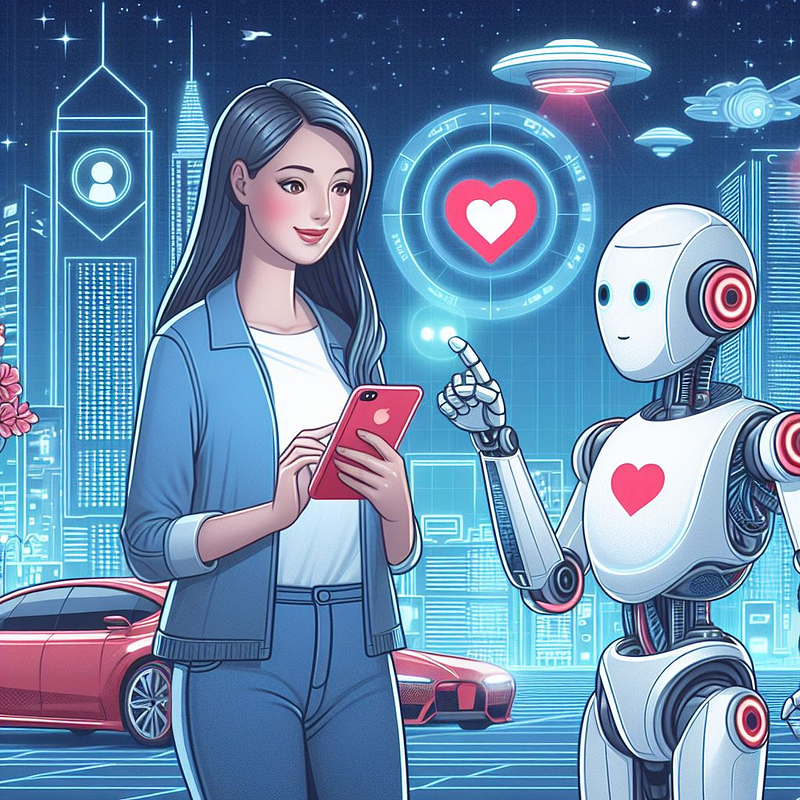
Our world is already too inextricably intertwined with technology. From the smartphones glued to our palms to the algorithms shaping our social media feeds, technology permeates every facet of our lives. But beyond its undeniable utility lies a deeper question: how is technology shaping the very essence of what it means to be human?
Consider the way the internet has transformed access to information. Gone are the days of dusty libraries and laborious research. Now, with a few taps on a screen, we have the world’s knowledge at our fingertips.
This democratization of knowledge has undoubtedly empowered individuals and fueled innovation. But has it also impacted our attention spans, fostering a culture of information overload and superficial engagement?
The lines are blurring even further when it comes to artificial intelligence (AI). From chatbots that mimic human conversation to self-driving cars navigating city streets, AI is rapidly evolving, raising profound questions about the future of work, ethics, and even the very definition of intelligence.
Will AI become an extension of our capabilities, or will it usher in an era where human agency diminishes, replaced by the cold logic of machines?
The future may hold the answers to these questions, but the changes are already underway. We are witnessing the rise of augmented reality (AR) and virtual reality (VR), blurring the boundaries between the physical and digital worlds.
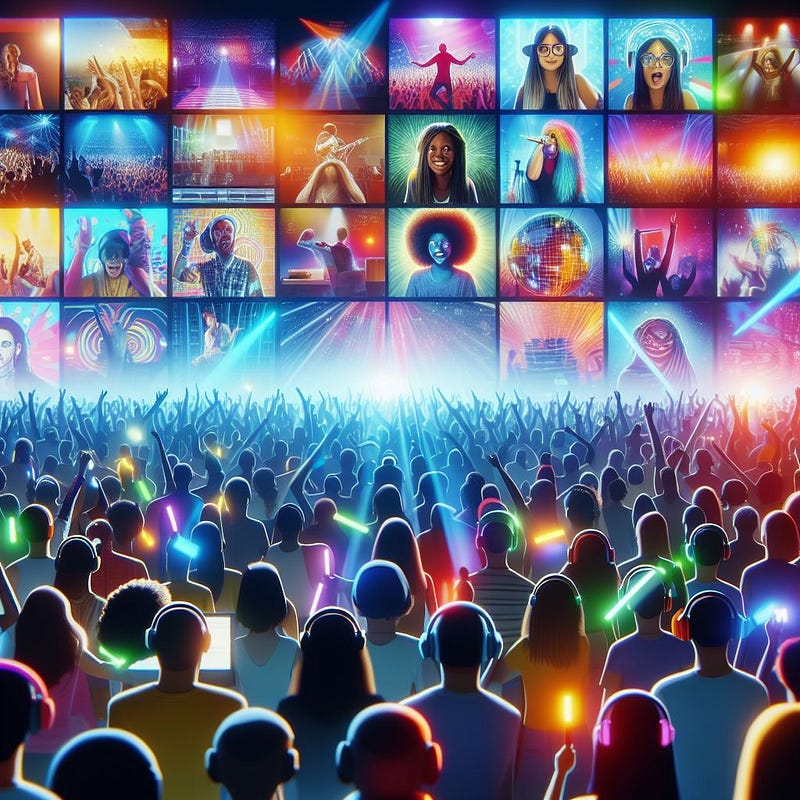
Imagine attending a concert across the globe through VR, feeling the simulated energy of the crowd, or overlaying real-time information onto your physical environment with AR.
These technologies promise to enhance our experiences, but will they also create a disconnect from the tangible world around us?
The impact of technology extends beyond the individual to influencing social structures and communication patterns. Social media platforms, with their curated feeds and echo chambers, have the potential to exacerbate social divisions and hinder genuine discourse.
Conversely, they also provide new avenues for connection and community building, facilitating communication across geographical and cultural barriers.
The future of “the man technology is creating” remains unwritten. We are faced with the opportunity to harness the immense potential of technology while mitigating its potential pitfalls.
This necessitates critical thinking, ethical considerations, and an ongoing dialogue about the role we want technology to play in shaping our individual lives and the collective human experience.
Ultimately, the man technology is creating is not a preordained outcome, but a story co-authored by our choices and actions. It is our responsibility to ensure that this story empowers us to become better versions of ourselves, fostering a future where technology serves humanity, not the other way around.


