
The Last Family on Bedono
An Indonesian island village claimed by rising seas
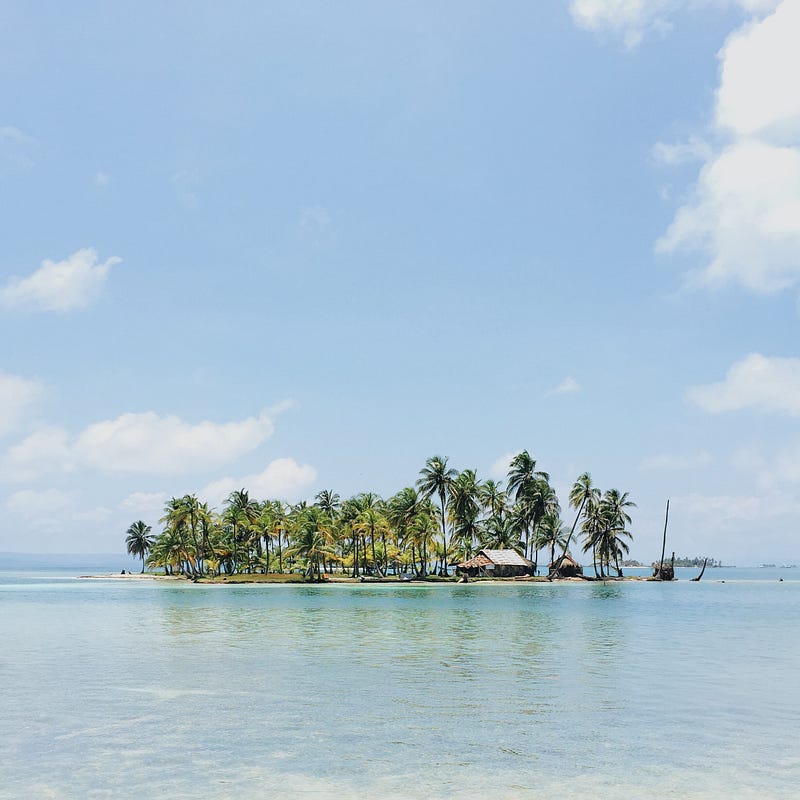
Believe in today because tomorrow is too late — Anonymous
Bedono, a coastal village situated on Java Island, Indonesia, is marked as one of the sinking villages in Asia.
Once farmland ten years ago, Bedono was a normal village like any other. More than 200 families lived there and flourished by land and ocean farming. Now Bedono is sinking due to rising sea levels and left with only one single family.
Pasijah, her husband, and her four children continue living at Bedono village despite the threat they are facing. They have raised their house to three times in a year to tackle the rising sea levels.
Pasijah’s daughter says,
“I feel cold at night, there is water under my bed.”
Sundarbans, situated in the Bay of Bengal spread across India and Bangladesh, is famous for unique mangroves. The community exists or is instead migrating since the island is sinking due to rising sea levels.
According to studies, Asians are more vulnerable when compared to other continents. Last year, India had the highest misplaced migrants due to climate change. By 2050, an estimated 650 million people will be affected by the deadly cyclone.
Waves have taken lives and homes and it will continue if people are being ignorant and ruthless — Anonymous
Rising sea levels is an extreme climate change.
People who chose to remain on the sinking land and islands are suffering from skin diseases and stomach-related illnesses due to a lack of freshwater and adequate medical care. They disconnected from the outside world.
Governments are taking initiatives to offer them new land on the misplaced property, but the community does not have earnings to build another house on the offered land. Hence, they decided to remain in a dangerous place with a full realization that perhaps there is no tomorrow for them.
Fishing is these villagers’ mainstream income, primarily Asian’s protein diet. But there are no fish available for fishing. Fish are moving poleward at a faster rate because of the heat.
Last year, one of Pasijah’s children living in the sinking Bedono village caught in a cyclone and barely escaped from death. He was still terrified of the dreadful event when he speaks. Yet, it’s not stopping him from fishing in the deep sea; it is their food and livelihood.
Disasters come and goes but some are imprinted in our mind — Anonymous
Humans should play a role in protecting nature.
Mangroves are very feasible in dealing with rising sea levels. Local-scale solutions are beneficial. Mangroves help with sediments as well as helping tackle the rising sea levels. It forms a green belt of protection and keeps the erosion level at a very low level.
But the mangroves are dying from the abuse of man and nature. The sea is advancing due to climate change, highly caused by carbon emissions, increasing water salinity, which destroys the thriving mangroves.
Pasijah’s family is the last one left in Bedono village, and they have sworn to protect the environment by planting mangroves. The environmental activists from the Maritime Mangrove Group are highly reliant on Pasijah’s family by handling the seedlings and planting mangrove seeds in the coastal areas.
In no time, those striving villages like Bedono and islands like Sundarbans will become a historical chapter in our books, and they will see nowhere.
Believe in today because tomorrow is too late — Anonymous
You may enjoy reading this,