
The Key Role of Neurons In Fat Loss
And explaining the simple science-backed methods that can help you burn up an extra minimum of 800 calories each day.
With roughly two out of three U.S. adults are overweight or obese (69 percent) and one out of three is obese (36 percent), and the numbers are even rising since the Covid ’19 pandemic, it is fair to say that the U.S.A. deals with an epidemic of obesity.
Many people nowadays struggle to lose fat or maintaining their weight in general. Before diving deeper into the neuroscience for fat loss, I have to acknowledge upfront the simple, but important law i.e., the core truth of metabolic science:
Calories ingested versus calories burned is the fundamental and most important formula for fat loss and weight management in general.
Many people don’t know and are hardly ever discussed, but is well supported by the scientific literature, is how much connectivity there is between your nervous system and fat. Your body fat is actually innervated by neurons. Neurons connect to your body fat and can change the probability of fat being burned or not.
We think of the tissues of our bodies, adipose tissue and fat, as just this unfortunate thing that’s like a core energy source if we ever entered a famine. And that’s all true because we have cells in our body who are there as fuel for our body's furnace, which is also called our metabolism. However, there’s this third player called the nervous system, i.e., neurons that control the cells in our body.
Now it gets interesting.
The nervous system has the opportunity to turn up the intensity of that furnace, i.e., it has the opportunity to increase the amount of heat that we produce and therefore the amount of energy that we burn. Your burn factor — your thermogenic environment — is one of the most important factors for fat loss.
Mobilization and Oxidation: A two-part process for losing fat
To lose fat, you’ve got to mobilize the fat out of the fat cells and you’ve got to burn fat. Your nervous system is in control of that process. Only maintaining a calorie deficit is not enough. So let’s talk about how fat is converted into energy.
The first thing that has to happen for body fat to get burned up, or used and reduced is to mobilize the fat out of the fat cell. This process is called lipolysis — the metabolic pathway to mobilize stored fat/energy during fasting or exercise.
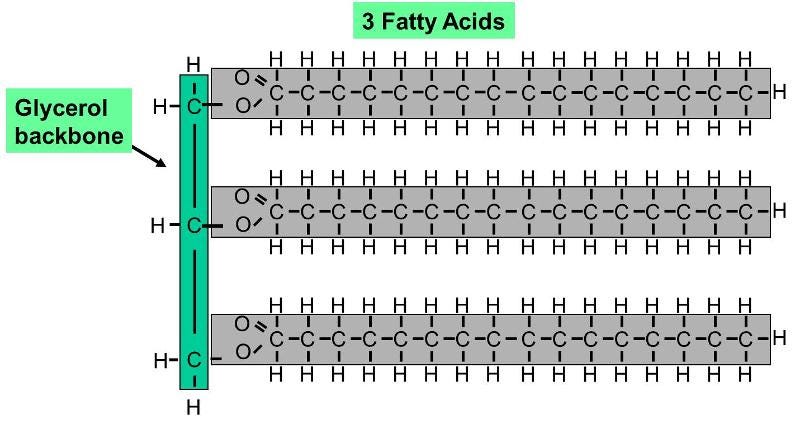
Basically, stored fat has two components that are relevant namely fatty acids and glycerol. The fatty acid part, which’s the part your body can use as energy, is attached to glycerol and they’re linked to something called the backbone. To mobilize the fatty acids out of the cell, an enzyme called lipase breaks the backbone between glycerol and the fatty acids so that the fatty acids can be moving around in the bloodstream and can be used as energy.
Now comes the second part, oxidation. After the fatty acids, which are the potential fuel, are mobilized out of the fat cells, they’re going into cells that can use them for energy. However, once they are inside those cells, they’re still not burned up. You need to oxidize them. That is the burnup part. The fatty acids need to be moved into the mitochondria — energy factories — and then they can be converted into ATP, i.e., energy.
In other words, you first have to mobilize the fat, and then you have to oxidize the fat — you actually have to convert fat into energy. If you do not oxidize the fat, it can be returned to body fat. Both of these opportunities to burn more fat are governed by your nervous system. There are literally neurons that send little wires called axons into fat and release chemicals that promote the mobilization of fat, and later for more of that fat to be burned up.
Adrenaline/Epinephrine
One of the main chemicals neurons release to increase fat mobilization and oxidation is the hormone called adrenaline, which is also called epinephrine. The conversion of these fatty acids into ATP in the mitochondria of cells is favored by adrenaline.
Adrenaline is released from the adrenal glands, which sit on top of our kidneys, and from the so-called sympathetic nervous system — this system stimulates alertness and promotes the action of the body.
In contrast to what the literature says about releasing adrenaline from the adrenal glands is what stimulates fat loss and fat oxidation, what actually happening is that the neurons really connect to the fat and release adrenaline into the cell which increases fat mobilization and oxidation.
This means that what you do can stimulate these particular neurons to release fat and then burn it. This is going to be a powerful lever you can use to increase fat loss.
Science-backed methods to accelerate fat loss
One of the most powerful ways to stimulate adrenaline/epinephrine from these neurons that connect to fat thereby stimulating fat mobilization and oxidation is through movement. I’m not talking about exercises, but extremely subtle movements, i.e., fidgeting & shivering. These types of subtle movements are a strong stimulus for the release of adrenaline/epinephrine into fat and increase fat mobilization and oxidation.
Fidgeting
Look around in your office and you see a lot of people fidgeting, i.e., people bouncing their legs up and down, standing up and sitting down a lot during the day, turning pens over and over in their hands, chewing on things, sucking on their lower lips and pulling bits of their beard out — seemingly completely unconsciously.
In 2000, a study published in Science, elegantly demonstrated that non-obese participants who were overfed by 1000 calories a day, increased the amount of fidgeting they did daily. Those low-level movements trigger epinephrine release from neurons, leading to stimulating the mobilization of fat, and then that fat is oxidized at higher rates.
The authors of the paper concluded that the increases in total daily energy expenditure were due to increased non-exercise activity thermogenesis (NEAT), which is associated with fidgeting, maintenance of posture, and other physical activities of daily life.
So how can such tiny movements make a difference? Well, it turns out that you can increase the number of calories you burn off by 29% to 38% just by fidgeting while sitting or standing. This means that you can burn off an extra 100–800 calories as heat a day. Fascinating, right?
White, brown, and beige fat
Before we go any further, we first have to distinguish between three kinds of fat. We have white fat (white adipose tissue), brown fat (brown adipose tissue), and a third kind, beige adipose tissue.
White fat is the type that we normally think of as fat, subcutaneous fat. It is not particularly rich in mitochondria and functions as a fat storage site. Brown fat, however, is rich in mitochondria and has a particular biochemical cascade whereby it can take in food, break it down, and convert it into energy in the same cell. Unlike fatty acids from white fat which have to travel elsewhere, get used by mitochondria, and converted into ATP. Beige fat is somewhere in between white and brown fat because it has some mitochondria in it, but not as many as brown fat.
Shivering
Let’s go back to shivering. It should make sense now that the subtle movements of shivering are one of the strongest stimuli that one can incorporate to stimulate fat loss. Shivering is almost always associated with cold. Cold exposures lead to the release of adrenaline from the adrenals and it causes the release of epinephrine from the neurons that connect to fat. Now, the big effect of cold exposure on metabolism is going to two routes.
The first thing is that if you expose yourself to cold, you can trigger activation of brown fat and convert more beige fat into true brown fat. So you essentially create a stronger or a hotter furnace. You’re increasing the amount of burning of energy by increasing the intensity of the heat inside you — increasing brown fat thermogenesis.
A recent study published in Nature showed that it is shivering itself that causes the brown fat to increase your burn rate and metabolism.
The second route is that cold-induced shivering triggers the release of a molecule called succinate. Succinate acts to increase your body heat by increasing brown fat thermogenesis and fat burning overall. And over time, succinate can increase the amount of brown fat by converting beige fat into true brown fat.
Ok, let’s go back to the exact protocol of shivering to accelerate fat loss.
Try 1 minute of a shiver-induced cold shower followed by 3 minutes out of the shower. Repeat this 3 times, and repeat this whole protocol 3 times per week.
Pretty easy, right?
Well, you have to watch out for a few things.
- How cold should it be? Find a temperature that makes you uncomfortable. It clearly depends on the individual.
- When spending one to three minutes out of the shower, don’t dry off.
- When you go back under the shower, try and access the shiver point again.
- The last but most important thing: Do not build up your tolerance to cold so fast. Because if you’re able to resist the shiver, the succinate will not be released and the brown fat thermogenesis will not be triggered.
By accessing this link you can download cold-shiver-fat-loss tools for FREE designed by neuroscientist Dr. Andrew Hubermann.
Conclusion
Losing fat is a real struggle for a lot of people worldwide. By applying these simple science-backed tools you can increase your daily burned calories up to a minimum of 800 or even more. Fidgeting and shivering are just two simple examples that you can incorporate into your life to reduce the amount of body fat you have.
Nevertheless, fidgeting movements are a distraction for others — movement is a highly salient visual cue that automatically pulls focus. So if you are going to shake those legs… maybe keep them under the table.
Thank you for your interest in science! Feel free to put questions, comments, and suggestions for future articles in the comment section.
If you want to support:
- If you are not a Medium member yet, you can my referral link so I can get a part of your fees from Medium, you don’t pay any extra.
- Subscribe to my Newsletter to get best tutorials, research, education, and scientific-based tools for everyday life directly in your email inbox.
While you’re here, check out one of my other articles.