
Life
How to Make Friends and Improve Your Mental Health
The importance of friendships in adulthood

We often don’t talk about it — but we NEED our friends!
Humans thrive in groups. We have a built-in need for connection. Think about it — You might remember growing up; what it was like to have a “best friend.” Do you remember meeting your best friend on the playground, or perhaps making friends in French class?
The nature of friendships changes as we grow up. We often lose connections with friends from school when we move to college, and post-college adulting can further make it harder to keep in touch with friends. COVID-19 related restrictions have made it even harder to see our friends.
It is also harder to make new friendships as we age. As adults, we often don’t have systems built to make friends as we did as children. While it’s socially acceptable to let people know you are looking for a romantic partner, very seldom do people talk about looking for a friend.
Yet it is quite clear that friendships usually make up significant proportions the highs and lows of our lives. In many meaningful ways, friends affect our daily well-being even more than our family does. Our need for friendships is also significantly impacted by the COVID-19 crisis and exploited over the years by social media.
The importance of friendships in adulthood
Friends are often an essential part of childhood experience, and friendships continue to play a significant role in promoting overall health, even as adults. Studies have consistently found that adults with active and vibrant social lives benefit from a reduced risk of many significant health problems, including but not limited to depression, high blood pressure, and an unhealthy body mass index (BMI).

In the book, Lost Connections, author Johann Hari presents depression as being a rational and self-preservatory response to the fragmentation of community life. “Loneliness,” Hari writes, “hovers over our culture today like a thick smog.” His writing makes a strong case that as human beings, we are innately designed to crave meaningful contact — it’s in our very social DNA — but our socio-economic system is predicated on individualism, which creates specific challenges to finding connections.
Hari cites a sharp decline in active involvement in community organizations over the last 30 years as an essential factor in the increasing rise of reported loneliness and disconnection. He further suggests that changes in working life — the so-called “gig economy” of zero-hours contracts and precarious labor — have further exacerbated a sense of isolation and insecurity, adding to the feeling of lost connection and making it harder to make friends as adults.
The idea of friendships and hanging out is also closely related to the importance of play, especially in adulthood. As kids, we understood quickly that all work and no play makes for a dull time. But as we grow up, we lose track of the importance of play or idle, hangout time. When pressed for time, usually the first things that fall off are time with friends. Our “should-ing-self” makes us feel guilty to keep time aside for play. Over time, the tender thread of friendships weaken and often fall off.
So how does one go about making and keeping adult friendships active and rich?
Actively look for a friend.
It starts with envisioning your friendship. For some of us see meeting new people can be a stressful event. It helps to understand that many of these fears are only in our mind, exaggerated by our desire to make a good impression, worrying about whether people will like us or even worry about whether we can get the conversation exciting and going. Often we tend to overthink, and the more we think about it, the scarier it can seem. In some cases, an initial apprehension can develop into fear and make it harder to make new friends. It can help to acknowledge the fear and awkwardness and proceed anyway.
The first step is to develop a good mental image of meeting new people. Think about what kinds of things you would do with your “best friend.” It might help to think back to your childhood friendships and what made them fun to hang out. What kinds of activities would you do together? What are some things you might do together on the weekends? Where would the two of you shop or like to go out to eat? Would you hike outdoors or spend time watching a movie? Be intentional in your search for a buddy to hang out.
Go Where Your Potential Friend Would Be
Now that you know what kind of things you might enjoy doing with your best friend. Try to go to these places. For example, If you’re an outdoorsy person and want an outdoor-loving friend, you might start by finding outdoor meetups. Perhaps, try a hiking or walking group, or sign up for a new fitness class. If you enjoy reading, join a book club or a writing circle. Maybe volunteer at an animal shelter or join a church choir.
As you try these new activities and events, keep it light and playful. You will likely not find your friend on your first outing. It will quite probably take a bit of time and searching, but as long as the process is fun, you will likely attract similarly minded people, and some of them might even become good friends.

The Big Ask
It can feel stressful to ask out a potential friend. Acknowledge the awkwardness and apprehension and move forward anyway. When you feel ready, a great way to get a “yes” is to invite them to a favorite or something new.
For example, if you enjoy cooking, invite your friend to your house to cook your favorite recipe ( Ok, virtually now but in person when possible!). If you like playing board games, you can also invite them to play a new board game, or perhaps both of you can go out to watch a new movie.
For COVID-times, this could be watching a movie together on Youtube, Netflix, Hulu, or other or perhaps working out together (virtually), maybe play a video game together or enjoy a virtual concert.
Maintaining Friendships
Just like any other relationship, friendships require an investment of time and energy. Spending time together will help you nurture budding friendship. Similar rules as in dating apply — take it slow and steady. Let your friendship develop over time. Sometimes, trying to do too much too soon could negatively affect your friendship and leave you, or the other person feels smothered.
One way to deepen friendships is by working on goals together. Share your goals with your friends and be curious about their goals. Think about ways in which you help them meet their goals? How can they help you with yours? Maybe they can motivate you to sign up for that half-marathon. Perhaps they can help you get ready for a summer swimsuit, and you can help them organize their garage. Find ways to work on things together.
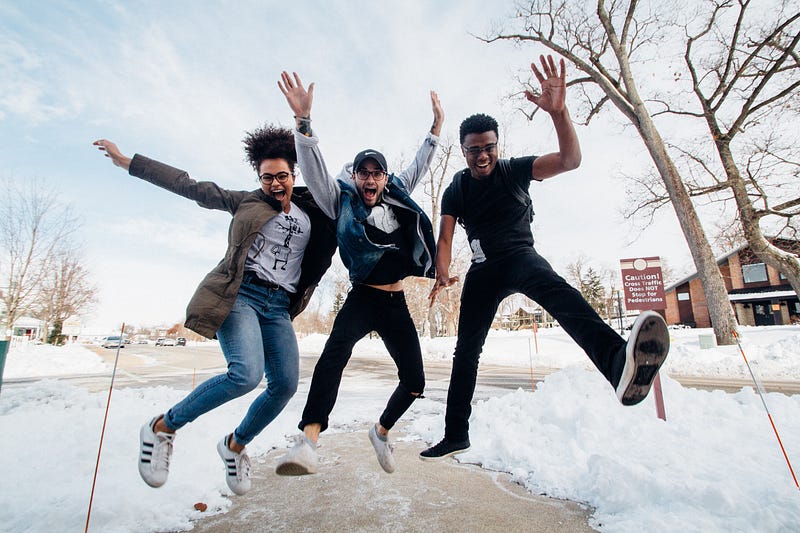
Bottom line: We need our Friends!
Friendships are important. As adults, making and keeping friendships is possible, but it does require an active investment of time and energy. Above all, it is essential to stay positive and playful — Keep Seeking out old and new friends and experiences.
It is quite likely that you will not make friends with everyone you meet, but practicing to maintaining a friendly attitude and demeanor will almost always help you improve the relationships in your life. It can even help you sow the seeds of friendship with new acquaintances.
Go ahead- Call a friend and set up a time to play today!


