
The Impact of the new EU-US Data Privacy Framework on Transatlantic Data Transfers
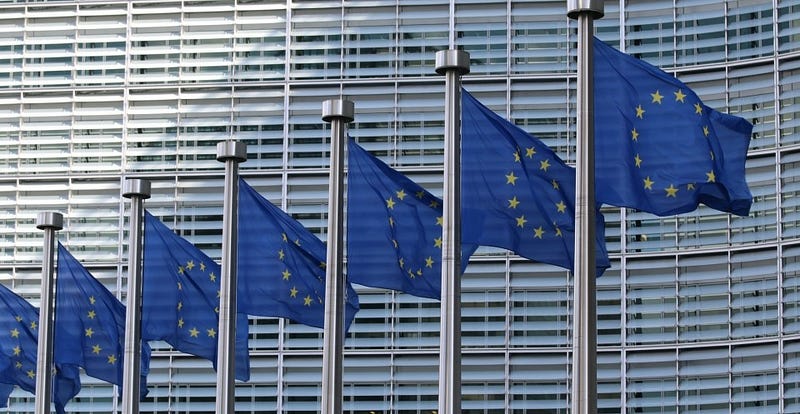
On July 10th, 2023, the European Commission has finally adopted its adequacy decision for the EU-US Data Privacy Framework! This longly awaited decision comes finally to help “ease” data transfers between the EU and the US, in compliance with GDPR.
The General Data Protection Regulation (GDPR) has transformed the data privacy landscape in Europe.
As an EU regulation adopted in 2016, and entered in force in May 2018, GDPR has stringent rules on how personal data of EU citizens can be handled and transferred, both within the EU and to other countries. The aim of this regulation is to give individuals control over their personal data and “simplify” the regulatory environment for international businesses. Since its application, GDPR gave hard time to US Tech Giants like Meta or Google, with multiple fines when their compliance processes where questioned.
One of the major challenges regarding data privacy concerns the transfer of EU citizens’ data across the Atlantic to the United States. Indeed, many European-based companies use services of US-based companies (in Tech particularly, but not only).
Previously, the EU-US Privacy Shield agreement regulated these transfers. However, due to concerns over inadequate protection for Europeans’ data, the EU’s top court invalidated the Privacy Shield in 2020, leaving a regulatory vacuum that created significant issues for both EU and US businesses.
The court ruling was largely influenced by the Max Schrems case. Schrems, an Austrian privacy activist, filed a lawsuit arguing that US laws did not offer sufficient (or adequate) privacy protections for European citizens’ data. The case, often referred to as ‘Schrems II’, resulted in the invalidation of the Privacy Shield, highlighting the discord between EU and US data protection laws.
To resolve this stalemate, the European Union and the U.S. have now (finally) agreed upon a new agreement called the EU-US Data Privacy Framework which allows European citizens to file an appeal if they believe American intelligence agencies have unlawfully accessed their personal data. An independent body, the Data Protection Review Court, will adjudicate all appeals, ensuring the protection of European data from unwarranted access, particularly in the contexts of criminal law enforcement and national security.
Furthermore, the framework introduces binding safeguards that allow US intelligence agencies to access data only to the extent necessary and proportionate. There’s also an independent redress mechanism for handling and resolving complaints from Europeans about the collection of their data for national security purposes. These safeguards apply to all data transfers under the GDPR to US companies, further facilitating the use of other tools like standard contractual clauses and binding corporate rules.
We might that new framework does not go far enough in the protection of EU citizens rights, and that changes to US surveillance law are necessary to make it work effectively, however it is still a major advancement, and a pragmatic tool to ease, when required, EU-US data transfers.
While this agreement aims to strengthen data privacy rights, I do believe however that certain technical measures are still necessary to ensure data protection regardless of policy changes — and regardless of the country of destination. These measures include data encryption during transmission and storage, anonymization of data whenever possible, regular audits to ensure data privacy compliance, and strict access controls to limit who can view and process the data.
The EU-US Data Privacy Framework is undoubtedly a major achievement in the realm of data privacy, but its effectiveness and longevity will depend on its practical application and the ongoing cooperation between the EU and the US. Regular reviews, scheduled to occur at least every four years, will be crucial in maintaining and enhancing the protections provided under this framework. It is clear, however, that navigating the turbulent waters of transatlantic data privacy will continue to require vigilance and flexibility from all parties involved.
References: Adequacy decision on the EU-US Data Privacy Framework
Have you ever tried hitting the clap button here on Medium more than once to see what happens?
Feel free to share your thoughts, comments and feedback! You can also follow me on Twitter and LinkedIn.


