
GDPR Turns 5 : An Examination of Its Impact on Data Privacy and A Look at Major Fines and Violations
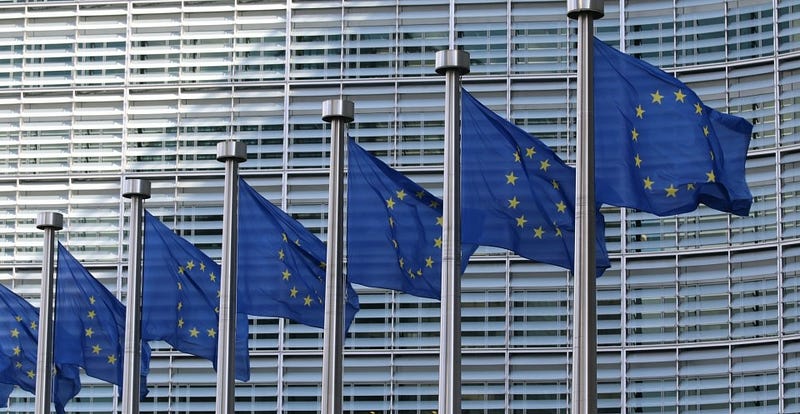
As the calendar flips to May 25, 2023, we mark the 5th anniversary of the General Data Protection Regulation (GDPR) implementation, a monumental piece of legislation that forever altered the landscape of digital data privacy. Instituted by the European Union in 2018, GDPR has played a pivotal role in governing how organizations collect, process, and protect personal data
This article examines how the GDPR has shaped our approach to data privacy over the past five years and takes a retrospective look at some of the significant fines and violations that have occurred under its purview
Greater Awareness and Transparency
One of the primary objectives of GDPR was to improve transparency around data processing activities. The regulation, with its requirements for clear privacy notices and mandatory data breach notifications, has indeed transformed how organizations communicate with their users about data privacy. Users now have more detailed insights into how their data is used, fostering increased awareness and engagement on the subject.
Empowering the Individual
GDPR has empowered individuals through a set of rights aimed at giving them control over their personal data. These include the right to access, rectify, and erase their data, the right to data portability, as well as “the right to be forgotten”. As a result, there is now an increased user autonomy over personal information, which has been one of the most significant achievements of the GDPR.
Adoption of Privacy by Design
The GDPR has encouraged businesses to adopt a privacy-by-design approach to their products and services. This means integrating data protection measures into the very fabric of product design and service delivery. From ensuring data minimization to appointing Data Protection Officers in organizations, GDPR has been instrumental in institutionalizing a proactive approach to data privacy.
Penalties and Enforcement
A significant impact of GDPR has been the hefty penalties it introduced for non-compliance. The regulation can impose fines of up to €20 million or 4% of the company’s global annual turnover, whichever is higher. Such stringent penalties have acted as a strong deterrent, forcing companies to prioritize compliance and invest in data protection measures.
Global Influence
The GDPR’s influence has extended far beyond the boundaries of the European Union. As the regulation applies to all organizations dealing with the data of EU citizens, companies worldwide had to adjust their data practices to comply with GDPR. Consequently, GDPR has served as a catalyst for the introduction of similar data privacy regulations in other countries, including Brazil’s LGPD and California’s CCPA.
A Look at Major Fines and Violations
Since its inception, the GDPR has displayed its teeth with some noteworthy fines imposed for non-compliance. The aim was clear — to ensure companies prioritize the privacy rights of their users. Here are some of the landmark cases. Here after some examples, from multiple business and multiple countries to illustrate such cases.
Amazon — €746 million (2021): In one of the largest GDPR fine till date, Luxembourg’s National Commission for Data Protection (CNPD) fined Amazon for violating the GDPR’s principles on the processing of personal data.
Instagram — €405 Million (2022): Ireland’s Data Protection Commission (DPC) imposed a €405 million fine on Instagram (owned by Meta, which also owns Facebook and WhatsApp) for violating regulations regarding the handling of children’s data. The investigation, launched in late 2020, focused on Instagram’s profile and account settings for children and the company’s responsibility to protect the data rights of these vulnerable users.
WhatsApp — €225 Million (2021): Ireland’s Data Protection Commission (DPC) imposed a €225 million fine on WhatsApp for violations of the GDPR regulations. The regulator found that the messaging service, a subsidiary of Meta (formerly Facebook), was not transparent enough about its data handling practices. The DPC ruled that WhatsApp failed to provide sufficient information on how data was collected “in a concise, transparent, intelligible and easily accessible form, using clear and plain language.”
Google LLC — €100 million (2020): The French data protection authority, CNIL, issued a fine to Google LLC for placing advertising cookies without obtaining prior consent from users and not providing adequate information about their use. This fine was part of a larger €135 million fine that also included Google Ireland Limited.
Facebook Ireland Limited — €65 million (2021): The Italian data protection authority, Garante, fined Facebook Ireland Limited for processing user data for commercial purposes without informed consent. Facebook was also cited for its lack of transparency and clarity in its privacy policy.
Google — €50 million (2019): A fine was imposed by France’s data protection authority, CNIL, for two major breaches: lack of transparency and absence of valid consent regarding ads personalization.
TIM — €27.8 Million (2020): Italy’s data protection authority (Garante) fined telecoms provider TIM for several GDPR breaches, including aggressive telemarketing practices, unsolicited communication, and invalid consent collection methods.
British Airways — £20 million (2020): The UK’s Information Commissioner’s Office (ICO) originally intended to fine British Airways £183 million due to a significant data breach that compromised personal data of around 500,000 customers. However, due to the economic impact of the COVID-19 pandemic, the fine was reduced to £20 million.
Marriott International — £18.4 million (2020): Marriott suffered a significant data breach, impacting millions of guests. The breach was partly due to vulnerabilities inherited from the Starwood hotels group, which Marriott had acquired. Despite the firm’s efforts to cooperate with the ICO and improve its security practices, it was fined for failing to protect user data adequately.
Österreichische Post — €18 Million (2019): The Austrian Post was fined by the Austrian data protection authority (Datenschutzbehörde) for processing personal data on the alleged political affiliations of individuals, a severe infringement of the GDPR
Deutsche Wohnen — €14.5 Million (2019): The Berlin Commissioner for Data Protection and Freedom of Information imposed a fine on the real estate company Deutsche Wohnen for retaining personal data without a lawful reason, violating the GDPR principle of data minimization and storage limitation.
Moreover, very recently (May 2023), Meta was fined €1+ Billion, in a record fine as detailed in this article.
These cases highlight the breadth of industries impacted by GDPR and underscore the importance of GDPR compliance for all companies that handle personal data of EU residents, regardless of their sector. They also demonstrate that non-compliance can result in substantial financial penalties, in addition to reputational damage.
From these cases, we can derive the following insights :
- Predominant Sectors: Technology and telecommunications are often targeted due to extensive personal data handling.
- Transparency: Many fines stem from companies not providing clear information about their data practices.
- Child Data Protection: Regulators emphasize protecting children’s data, leading to significant fines for violations.
- Cross-border Issues: Global companies often face challenges with GDPR adherence across different jurisdictions.
- Data Breaches: Significant fines often follow data breaches, emphasizing the importance of robust data security.
- Companies’ Reaction: Many companies appeal against fines, indicating a potential disconnect in understanding the GDPR.
- GDPR Fines Impact: The size of the fines underscores the seriousness of GDPR enforcement and acts as a deterrent.
- Data Minimization Principle: Violations of data minimization lead to fines, showing the importance of only collecting necessary data.
- Role of Consent: Companies failing to obtain valid consent for data usage often face fines.
Challenges and the Road Ahead
Despite its achievements, GDPR also presented certain challenges. Small and medium-sized enterprises (SMEs), in particular, have found compliance difficult due to limited resources. Additionally, achieving a balance between innovation and data protection remains a continuous challenge in the face of rapidly advancing technology.
Looking forward, as we navigate through an increasingly data-driven world, the GDPR’s principles of transparency, accountability, and individual rights will continue to be of paramount importance. As AI and other emerging technologies evolve, the GDPR will need to adapt to continue effectively protecting user privacy. Recognizing this, the European Union is now actively working towards a new legislation for AI. Expected to be one of the most comprehensive pieces of AI regulation, the law will set the ground rules on how AI systems are developed, deployed, and used in the EU, tackling issues such as bias, transparency, and human oversight. This law will have a similar global impact as the GDPR, shaping not just the AI industry in Europe, but globally.
In conclusion, five years on, it is evident that the GDPR has marked a turning point in data privacy, profoundly impacting how organizations handle user data and how individuals perceive their privacy rights. Despite the challenges, it has largely succeeded in its mission to put individuals in control of their data and ensure businesses handle it responsibly. As we look ahead, the GDPR’s core principles will undoubtedly continue to guide us on the path toward comprehensive data protection.