
The Impact of Aerosmith’s ‘Janie’s Got a Gun’: A Song Beyond Music
Exploring Aerosmith’s legacy of advocacy through music

The song Janie’s Got a Gun came on the radio today, and I could sing every word of every lyric without a pause.
Not only that, but I also vividly remember the music video.
The song was released in 1989 when I was only nine years old, and I was completely oblivious to its meaning.
It was a chilling look at child abuse
What did her daddy do?
It’s Janie’s last I.O.U
She had to take him down easy and put a bullet in his brain
She said, “‘cause nobody believes me, the man was such a sleaze”
He ain’t never gonna be the same
(Songfacts, n.d.)
In an interview with Rolling Stone Magazine, Steven Tyler said the lyrics were inspired by a Time magazine cover story about gun violence in the United States and a Newsweek article about children being abused in affluent suburbs.
These articles caused him to write a story about a young girl, Janie, who murders her father after he sexually abuses her.
American Songwriter reported in a 1994 interview:
“I got really angry that nobody was paying homage to those who were abused by Mom and Dad,” said Tyler, who needed nine months to finish writing the lyrics for the song.
It was an uncharacteristically dark single for the band, with themes of incest, child abuse, and revenge murder.
Still, it sat at №4 on the Billboard Hot 100 and earned Aerosmith the first Grammy award of their career for Best Rock Performance by a Duo or Group With Vocal.
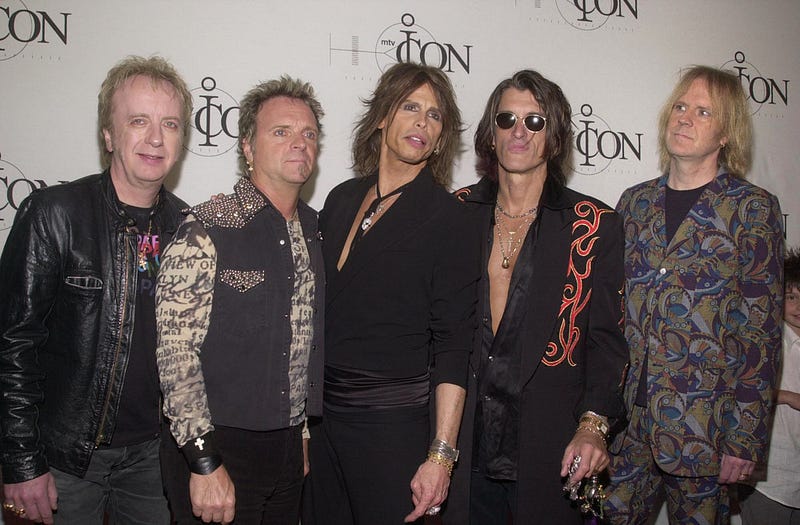
Tyler’s original lyrics were deemed too graphic, so they were changed to be allowed to play over the radio.
Original lyrics:
“he raped a little bitty baby… and put a bullet in his brain”
These were changed to:
“He jacked a little bitty baby and she left him in the pouring rain.”
Steven Tyler has always been passionate about addressing particular issues
This commitment traces back to the 1980s, when he was in a rehabilitation programme for his recovery journey.
It was there that he encountered the harrowing story of a woman who had endured severe sexual abuse as a child, leading her down a path of immense suffering and eventually to drug abuse as a means to cope with her trauma.
Reflecting on the years since the release of that impactful song, Steven has often pondered the preventive measures that could have been taken to avert such abuse.
He questioned the type of support that could have shielded Janie from her trauma, the prevalence of sexual abuse in our society, and the actions we can take to combat it.
In response to these reflections, Tyler launched Janie’s Fund in 2015 in collaboration with Youth Villages more than two decades after the song’s release.
This initiative is a non-profit organization dedicated to assisting young girls who have been victims of abuse and neglect.
His 4th Annual Grammy Awards Viewing Party in 2022 was a significant event for Janie’s Fund, raising a groundbreaking $4.6 million to support the cause.
Tyler opened the first Janie's House in Atlanta in 2017 and a second one at Youth Villages in Bartlett, Tennessee, in 2019, which represented a significant advancement in providing a safe haven for abused girls.
“Janie’s House is home to young girls and has a special team for that: therapists, people to talk to, and people who can help them deal with health problems,” he said.
Through Janie’s Fund, Steven Tyler amplifies the voices of thousands of silenced victims, dedicating his influence and resources to his life’s most important work and legacy.
Janie’s Got a Gun was more than just a hit song; it was a cultural moment that brought the issue of sexual abuse to the forefront of society’s consciousness.
The song forced listeners to confront the grim realities of sexual violence and the devastating impact it can have on victims and their families.
By giving a voice to the voiceless, Aerosmith did not just entertain; they sparked a conversation.
The dark and complex issues of child abuse and incest were topics that were often considered taboo and rarely discussed openly in the public sphere.
Before the era of social media and the #MeToo movement, conversations about sexual abuse were not as prevalent in the media or public discourse.
Through their platform as one of the world’s biggest rock bands, Aerosmith played a pivotal role in initiating this dialogue.
The song’s widespread popularity and the discussions it generated helped to break down some of the stigma surrounding the discussion of sexual abuse, encouraging survivors to come forward and share their stories.
Music has always been a powerful medium for addressing social issues.
Aerosmith’s contribution through Janie’s Got a Gun is a prime example of how artists can use their influence to shine a light on dark subjects.
It also demonstrates the potential for music to raise awareness, inspire tangible change, and support abuse survivors.
Aerosmith’s bold move to tackle such a sensitive topic through their music contributed to a broader cultural shift, making it easier for subsequent generations to speak out against sexual violence and seek justice.
By Aerosmith opening up the conversation about sexual abuse for society, it’s clear that their impact was significant.
They not only raised much-needed awareness of the plight of survivors by using their platform to do so, but they also aided in a more significant cultural shift toward openness, awareness, and support for those who have experienced sexual abuse.
Aerosmith’s legacy, therefore, is not just one of rock and roll but also of advocacy and change.
As a huge Aerosmith fan, I want to tell you a fun fact.
Did you know that the band's memorable night out at a bar with the legendary Motley Crue inspired the song "Dude, Looks Like a Lady"?
It is said that after Steven Tyler had downed a few drinks, he spotted a beautiful blonde woman from behind.
When the girl turned around, he and his bandmates realized that it wasn’t a woman after all; instead, it was Vince Neil, the lead singer of Motley Crue!
Clearly, Aerosmith was ahead of their time, as this song has now opened up discussions about gender identity in the media!
Total Rock Stars!
Are you a writer who wants to show off your work? Check out the Read or Die publication:


