
The Ideal, Anti-Fragile, Decentralized App
What to pay attention to when using DeFi to preserve your privacy
The DeFi space is in mourning. We’ve always known that one day, a regulatory crunch would come to us. But despite knowing, turns out we’re unprepared regardless. The space just recently gets a reality check when the US government put a sanction on popular mixer Tornado Cash. Shortly after, one of TC’s developers was arrested.
As it turns out the industry isn’t ready for such a frontal attack. The sanction got the space scrambling, to the extent that popular dApps block any wallet that’s connected to TC even in a minor way. The biggest Ethereum RPC provider Infura and the biggest wallet, Metamask, bend the knee by denying users they deem suspicious.
As it turned out these dApps are a bunch of centralized bullshit masquereeding as decentralized. Don’t be fooled, or worse, lured into the honeypot. Know what a real dApp is like.
Anon team
Having an anonymous team fell into popularity lately due to their associations to rugpulls, but they’re making a comeback. One can argue, that no risk of rugs is greater than get your privacy taken.
With how a doxxed tornado cash developer is being arrested, now people realize that anon team provides security. Doxxed devs will be forced to be compliant.
But how to make sure the anon team is legit? (Instead of shady teams just like the recently revealed Solana eco developers who run so many “personalities”?)
Anon devs who have a reputation built gradually over time.
The crypto space has a handful of anon devs who are trusted in the space. Yet if you take a look, you know that they don’t suddenly build their reputation overnight. Their credibility was built over the years of doing the right thing.
- They have products that speak for themselves. You can see projects they contributed to in the past, and how they don’t associate themselves with shady projects.
- They have the experience of being a whitehat at some point. I.e. help quickly patch a vulnerability or detect them.
An example of respectable anons in the crypto space: Yearn Finance devs (Banteg and cos,) 0xMaki of SushiSwap, Curve Finance developers, and DeFiLlama developers.

Decentralized infrastructure
To be truly decentralized, dApp components need to be resilient individually. A protocol basically consists of the front-end and backend. The current practice of deploying dApp typically uses a hybrid method, with a centralized frontend (server and domain) and a decentralized backend (blockchain.)
This is not perfect, as we saw with Tornado, not only did the frontend get shut down but also their repository on GitHub. The contracts, however, remain running on the Ethereum blockchain since they’re immutable.
DeFi front-ends remain to be our Achilles heels. To break free from the dependency on centralized infrastructures, here are the ideal best practices. Some dApp are already like this.
- using decentralized hosting/storage systems like Arweave and IPFS.
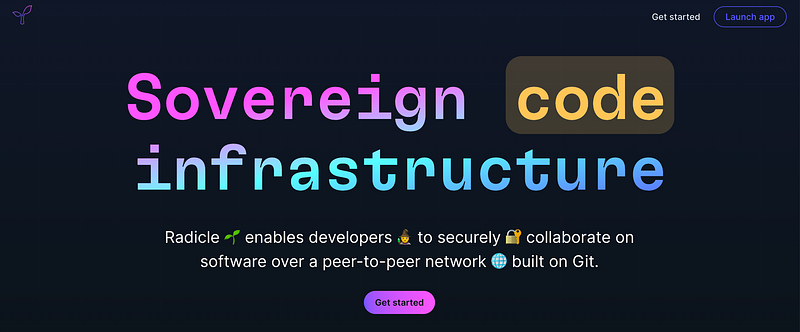
- Using decentralized GitHub to store repositories, like Radicle Network.
- Using Web3 social to manage the community.
Decentralized infrastructure is one of the three major crypto trends I see coming in the near future. Now the need for them is more urgent than ever.
Alternative fronts end at the ready
In the event that a dApp is forced to be compliant, or get taken down, you must still be able to access it by running a self-hosted front end. You host it on your computer, and from there, access the blockchain Ethereum.
Here’s how to do it. Yearn developer has the most thorough tutorial I’ve seen. In the article below, Yearn, UniSwap, and Curve Finance are covered.
A good dApp runs no tracking
In the wake of the Tornado ban, it’s also revealed to users how many dApps actually track their users. It’s disheartening to find out. The excuse given was to be compliant. Suddenly the name TRM labs became everywhere as a lot of major dApps and their mothers installed them. TRM labs help dApp stay compliant, i.e. if an address is blocked, the TRM API tell the dApp to block them.
An ideal dApp shouldn’t track anything, much less for giving your data to the FED. It should be impartial and fair and don’t bend to a certain jurisdiction. What happened to UniSwap is an embarrassment to the decentralized community.
An internet samaritan compiles the list of dApps that track their users, which you can take a look at below so you know what to avoid.
The solution to this is to back up self-host. As an additional note, you need to make sure you don’t clone tracked front end too.
Not funded by (US) VCs
A project funded by US VCs is easier to capitulate to when pressured by regulation. Perhaps their shareholder has a say in this.
Besides, typically a project funded by VCs requires the founder to be doxxed (just like the founder of yuga labs/BAYC when they decided to accept investment from a16z). Doxxed is part of the deal, it introduces a new weak point to the protocol.
When you really look at into true cypherpunks app, you’ll realize it’s hard as the pool is narrowing. It can feel like there are not many options, sometimes, especially on many projects that started as cool and gradually move over to the dark side.
In the long run, the search will be worth it tho, because privacy is something worth fighting and you shouldn’t be forced to settle for anything less.


