
The History of Memorial Day in The US
The first memorial day was probably in 1865, shortly after the Confederacy surrendered
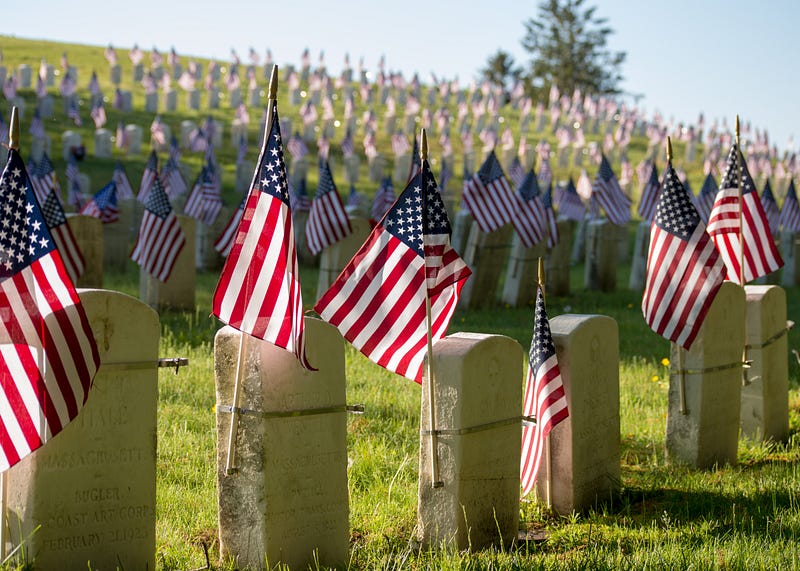
Memorial Day in America is on the last Monday in May. The men and women who died serving in the US military are honored.
It is believed the first Memorial Day was in 1865, not long after the Confederacy surrendered. Freed slaves in Charleston, South Carolina, organized the memorial to the fallen soldiers.
It was held at the Charleston racetrack that was made into a prison during the Civil War. Over 260 prisoners died in the prison and they were buried in a mass grave.
“When Charleston fell and Confederate troops evacuated the badly damaged city, freed slaves remained. One of the first things those emancipated men and women did was to give the fallen Union prisoners a proper burial. They exhumed the mass grave and reinterred the bodies in a new cemetery with a tall whitewashed fence inscribed with the words: Martyrs of the Race Course.” (Roos).
May 1, 1865, according to reports in The New York Tribune and The Charleston Courier, a crowd of 10,000 people that consisted of freed slaves and some white missionaries, paraded around the building. 3000 children carrying flowers sang “John Brown’s Body.”
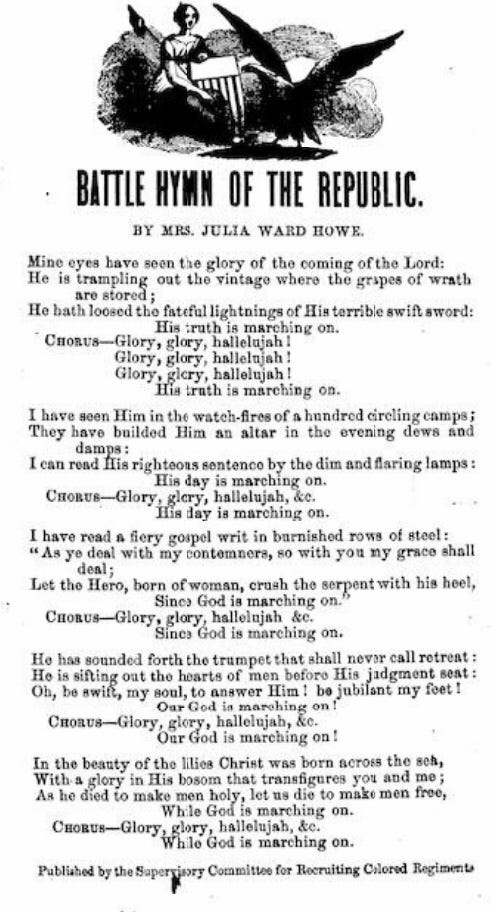
Union black regiments attended and performed double-time marches and black ministers read Bible verses.
The information about this first Memorial Day commencement was not known until it was found in 1996 by a Yale American History professor, David Blight . At Harvard’s Houghton Library, while researching for a book he was writing (on the Civil War), the professor was asked if he wanted to look through two boxes of unsorted material from Union veterans.
“There was a file labeled ‘First Decoration Day,’” remembers Blight, still amazed at his good fortune. “And inside on a piece of cardboard was a narrative handwritten by an old veteran, plus a date referencing an article in The New York Tribune. That narrative told the essence of the story that I ended up telling in my book, of this march on the race track in 1865.”
“Once the war was over and Charleston was rebuilt in the 1880s, the city’s white residents likely had little interest in remembering an event held by former slaves to celebrate the Union dead. “That didn’t fit their version of what the war was all about,” says Blight” (Roos).
Since the original Memorial Day was not known in 1966 the federal government declared Waterloo, NY the birthplace of Memorial Day. They did this because Waterloo yearly would close businesses and the citizens would place flowers and flags on the graves of soldiers. They started doing this on May 5,
In 1971 the federal government made Memorial Day a federal holiday.
You may also like:
Resources
Roos, Dave. “One of the Earliest Memorial Day Ceremonies Was Held by Freed Slaves.” HISTORY, 15 May 2020, www.history.com/news/memorial-day-civil-war-slavery-charleston.
History.com Editors. “Memorial Day.” HISTORY, 18 May 2020, www.history.com/topics/holidays/memorial-day-history.


