
The High Cost of Silence: Why Japan Shuts Up Victims of Sexual Abuse
BBC’s bombshell documentary on Johnny Kitagawa shows how toxic culture forces victims into silence
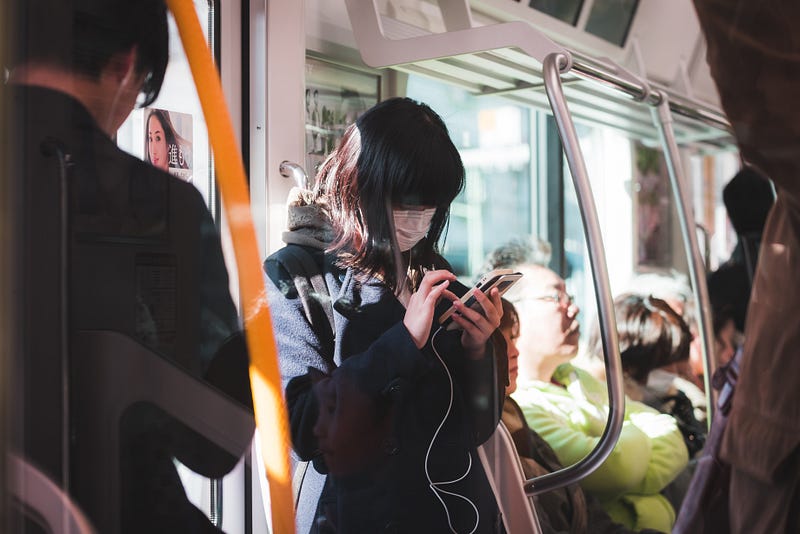
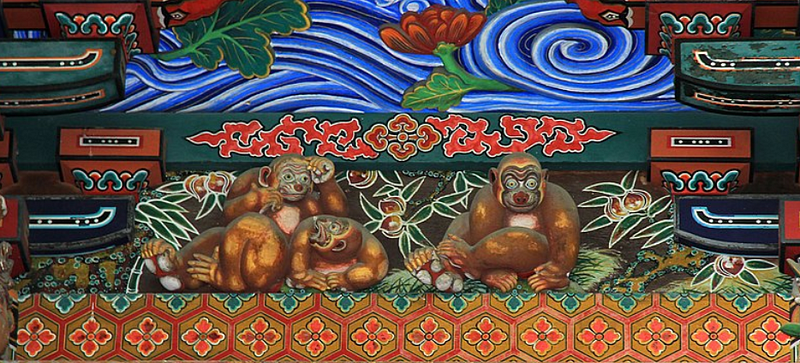
Every Japanese person understands the wisdom of the three wise monkeys: see no evil, hear no evil, speak no evil; if you can avoid seeing, listening, or speaking negative things, you can live in peace.
Children are taken on school field trips to the Tōshō-gū shrine in Nikkō to see the pictorial maxim of the purposefully blind, silent, and voiceless monkeys to learn the adage that’s critical to fit into this collectivistic country.
A plethora of maxims underlines this mindset of silence: silence is golden; better left unsaid, out of the mouth comes evil. The spell of silence is astonishingly powerful in Japan.
Victims of Sexual Misconduct Choose to Be Silent
This mindset explains why 90% of groping victims don’t report their abuse to train station staff or police officers¹, and why 60% of sexual harassment victims don’t file a claim with their employers².
Instead of exercising their rights as victims, they try to let go of the malicious incident alone. The root causes vary, but many victims even don’t tell their experiences to their family or friends. It is tremendously challenging for them to speak up.
One reason victims have difficulty discussing the incident is the predictable response and retaliation. It is not uncommon for sexual abuse victims to hear, “Your clothes were too sexy,” or, “Didn’t you act interested in the person?” not only from the police, but sometimes even from their confidants. In some cases, victims face even more brutal retaliation.
Online Threats to Victims of Sexual Assault
Last year, a former member of the Self-Defense Forces, Rina Gonoi, went public with her fight for justice after she had been subjected to sexual abuse and the SDF ignored her report.
Ever since she came forward and filed a lawsuit against the government and her assailants, she has faced harsh online threats and shocking insults. She feared leaving her home and had to file reports with the police³. Online trolls tried to silence her by threatening her life and claiming she was lying only because she smiled in public⁴.
Such extreme threats may seem distant from the proverbial wisdom of the three monkeys, but their logic is the same: Unsee the problem. Then it doesn’t exist. If you raise your voice, you’ll be the problem.
For some Japanese, reporting sexual abuse is still an unacceptably shameful act, disregarding both the physical and mental damage victims have to endure for the rest of their lives.
Dysfunctional Japanese Media Bows to the Power of Sexual Predators
Mainstream media outlets in Japan are no exception when it comes to this doctrine of silence, even though it threatens their core purpose as the eyes, ears, and mouths of the people.
Last month, the BBC exposed systemic sexual abuse by Johnny Kitagawa, the founder and president of the most powerful male-only talent agency in Japan, Johnny & Associates. The BBC interviewed Kitagawa’s victims who were represented by the agency in the hopes and dreams of becoming J-POP singers and actors.
In the BBC’s documentary, three victims alleged that Kitagawa invited them to his apartment and forced sexual conduct, which seemed a required step to being represented by the agency. The victims also stated that senior boy band members warned young trainees that rejecting Kitagawa would mean they’d have no job opportunities, which suggests systemic sexual abuse to teenagers⁵.
Coverage of the allegations by the BBC should have been groundbreaking within the J-POP scene because Kitagawa was an icon in Japan’s entertainment industry who produced countless idol groups including Hikaru Genji, SMAP, KinKi Kids, and ARASHI.
However, even after the BBC’s documentary was aired, most Japanese media opted to remain silent except for Shūkan Bunshun. Mainstream media outlets couldn’t hurt their close relationship with the agency for access to popular idols on their TV programs and in the pages of their magazines.
In the documentary, the journalist from Shūkan Bunshun confessed his struggle with being labeled a ‘dangerous’ journalist. While the media is originally expected to pursue the truth, those who cause discomfort in Japan are often regarded as nuisances.
Fans Ignore Victims and Hold Onto the World of Illusions
Even more astonishingly, so many fans of the boy bands produced by Johnny & Associates claimed, “Quitters should be silent” on social media. Supporters claimed those former backup dancers came forward only for publicity or monetary remuneration.
It’s hard to believe, but ex-trainees who appeared in the documentary continued to assert their respect and faith in Kitagawa. Some even said they still love Kitagawa, which convinced BBC reporters that they were victims of sexual abuse grooming.
Yet for the supporters of boy bands, those who accused Kitagawa were not victims but failures who threatened the value of successful boy bands. Fans turned a blind eye to the deceased predator as if exploiting teenage boys didn’t matter. They held onto the illusional world, no matter how much evidence suggested that the world is built on the traumatic experiences of countless teenage boys.
Behind the Culture of Shame and Politeness
Japan is renowned for its exceptional politeness, but the serious drawback of harmonious communication and silence is ignorance of troubling issues and avoidance of situations that could cause shame.
However, this country has 8 million gods; Japanese people don’t need to stick to monotheism or one single value. In fact, even the three wise monkeys have a different, older version at Chichibu Shrine in Saitama. They’re called Ogenki-Sanzaru—three healthy monkeys—with wide-open eyes and mouths.
Japan’s battle with three monkeys will never end. Yet people need to shake off peer pressure and raise their voices about controversial topics because problems only get worse if they aren’t addressed.
Do you have three monkeys in your mind? Do they stay silent or do they screech when attacked?

Sources:
¹The Asahi Shimbun Digital, ²PRESIDENT Online, ³The Japan Times, ⁴The Washington Post, ⁵BBC
If you enjoyed this article, follow Yuko to read more stories like this. She’s currently writing her debut novel set in Japan.
You can also subscribe from the referral link, which Medium uses a portion from followers for author support without any additional cost. Mediumの購読はこちらからどうぞ。