
The Hidden Psychology of Likeability: Debunking Carnegie’s “How to Win Friends”
“Everyone loves me!”, deep down we all wish it were true. But if you’re being brutally honest, you know making genuine connections, especially at work, can be tricky.
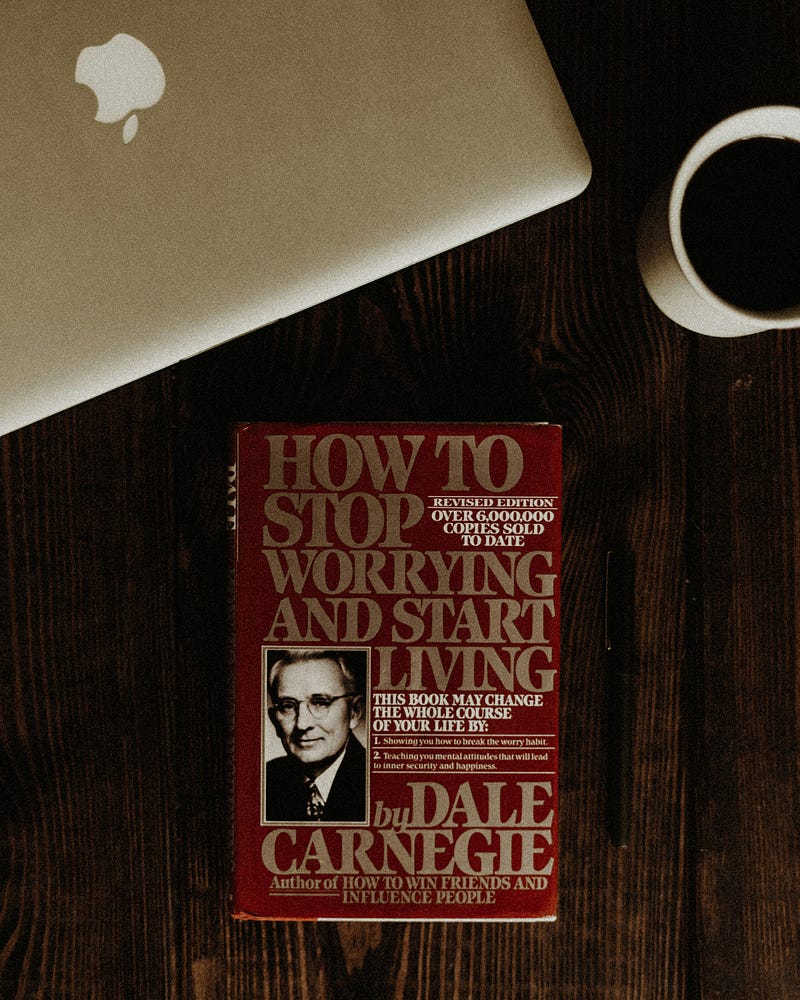
That’s the hook Dale Carnegie exploited with his 1936 mega-hit, “How to Win Friends and Influence People”.
His advice is well-intentioned, but does it hold up in today’s world of Slack, Zoom meetings, and office politics? Turns out, some of it does, but like any self-help sensation, it needs an update.
We’ll separate the timeless truths from outdated fluff and add a dose of modern social awareness Carnegie missed.
I want to emphasize that this isn’t about being fake or turning into a manipulative chameleon. It’s about understanding a few core principles of human psychology and using them to foster stronger connections.
No cheesy tricks — just a bit of self-awareness and social savvy can go a long way in your daily life.
Carnegie’s Core Idea: Your Ego Isn’t the Center of the Universe
People are wired to focus on themselves — what they want, how they feel. Carnegie understood that, and most of his advice boils down to putting others first.
I know, it sounds simple, but ask yourself:
When’s the last time you listened without thinking about what you were going to say next?
Or gave credit to a coworker instead of subtly trying to take more for yourself?
Those are tough habits to break!
Tip #1: Ditch the Criticism, Offer Solutions
Carnegie hammered home that criticizing others only breeds resentment. The problem? He didn’t always offer a clear alternative.
Sometimes you have to point out flaws with a project or a colleague’s performance, but how you do it matters more than IF you do it.
Take the airplane mechanic story.
A mistake could have been fatal, but Hoover focused on the future, trusting the mechanic to fix the issue. Reassuring a person builds trust faster than tearing them down.
Modern Workplace Example. Your coworker’s report is sloppy and risks making you both look bad.
Instead of “this is full of errors”, try, “Hey, a few of these figures seem off.
Can we check them together before submitting?” You’re still addressing the problem, but making it a team effort, not an attack.
Tip #2: Appreciation Isn’t Just For Bosses and Teachers
Honest, targeted appreciation is Carnegie gold.
But here’s the modern twist: don’t stop at praising your staff or the IT guy who saves your bacon.
Who are the overlooked people around you?
That stressed-out project manager, the person quietly doing great work that gets no credit?
When you shine a light on their efforts, even subtly, it makes a bigger impact than you think.
Tip #3: Smile & Mean It
The whole “smiling makes you approachable” thing isn’t just fluff.
Multiple studies suggest and have shown that smiling faces are perceived as more trustworthy, attractive, and likable.
- Scientific American Article: “The Psychology of Smiling”: https://www.scientificamerican.com/article/behind-every-smile/. A good overview of various smile-related studies.
- Association for Psychological Science: Their website has a searchable database of studies. Terms like “facial expressions”, “social perception”, and “non-verbal communication” might lead to more specific research. https://www.psychologicalscience.org/
But Carnegie missed the nuance — a forced smile is worse than no smile.
When you’re genuinely happy to see someone or interested in what they’re saying, it shows in your entire face.
That kind of genuine connection builds rapport and makes people want to work with you.
Where Carnegie Goes Wrong (Or At Least, Falls Short)
- Names: Yes, remembering names matters, but it’s a starting point. Build on that by remembering a project update they mentioned last week, even just to ask how it turned out.
- Non-Verbal Cues: Carnegie focused on words, but posture, eye contact, and tone of voice speak volumes. These aren’t tricks, it’s about aligning how you feel on the inside with how you present yourself. How you sit during a long meeting, even your tone on a late-night work email, convey meaning beyond the words.
The Modern Social Landscape
Carnegie couldn’t have predicted Zoom calls or LinkedIn.
Here are a few extra tips for navigating those spaces:
- Tech Removes Nuance: In text-based communication, a simple “thanks” can read as curt. Adding “Great work on this!” makes all the difference.
- Virtual Appreciation Matters: Shoutout a coworker in the team Slack channel, or send a quick DM praising their contribution.
At the end of the day
You can’t buy real friendship, and trying to makes you the kind of person no one wants to be around anyway.
But by understanding how people tick and doing some honest internal work (are you really listening?), you can carry yourself in the work world with more confidence, less friction, and maybe even make a few genuine connections along the way. It’s a win-win.


