
Cancel Culture: The Debate We Can’t Ignore (But Can Do Better)
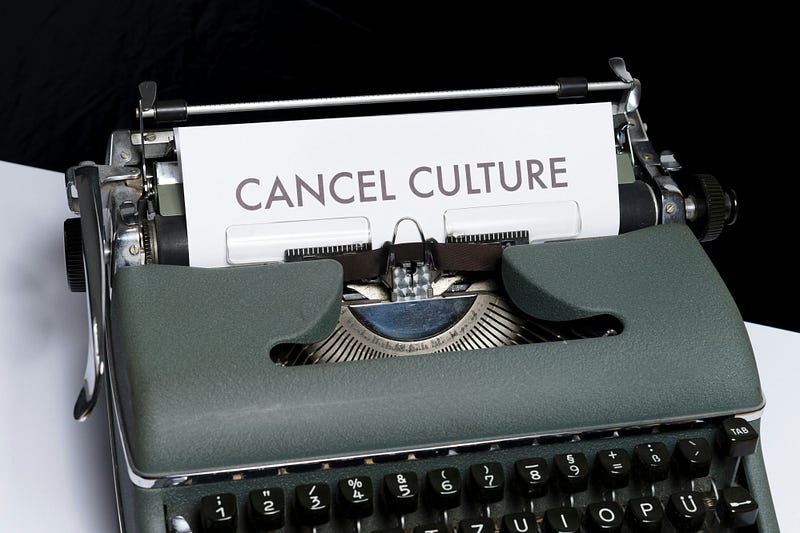
“Cancel culture” — the phrase has become a digital scarlet letter. But who decides what’s worthy of online ex-communication?
I’m a Cybersecurity student, who lives and breathes the internet.
I’ve tracked online extremism. I’ve exposed algorithms perpetuating harm. But what I see in the rise of cancel culture troubles me.
Not because I tolerate hate speech — I don’t. But because the speed and ferocity with which we silence voices, even abhorrent ones, risks chilling the very debates that are essential to a healthy society.
Besides the fact that it is making us as intolerant as the people we oppose.
We’re forgetting that behind the viral controversies and the trending Social media condemnations, there are real people. And real people, flawed as they may be, have the capacity for change.
Silence vs. Transformation
When we “cancel” someone, we might feel a momentary satisfaction — a sense that we’ve removed a harmful voice. But the truth is, those beliefs don’t disappear.
They fester online or get driven underground. Silencing people doesn’t erase their influence. History is littered with examples of persecuted ideologies that only grew stronger in the shadows.
I’m not saying we should tolerate truly harmful speech — calls to violence, dehumanization, and the like.
However, public shaming and boycotts should be the last resort, not our first line of defense.
This isn’t about coddling bigots, but about fighting for bigger change.
Remember, Martin Luther King Jr. didn’t win hearts and minds by canceling his opponents — he did it through education, dialogue, and unwavering belief in the potential for transformation.
The Power (And Limits) of Conversation
Now, I’m no Pollyanna. Conversation takes work, and sometimes people will cling stubbornly to harmful beliefs. But unlike cancel culture, dialogue leaves the door open.
It’s the difference between tossing someone into the darkness and holding up a lamp, however dim, offering a flicker of hope that they might find their way out.
Real-World Examples:
Think of Daryl Davis, the musician who has befriended and debated hundreds of KKK members.
He didn’t “cancel” them; he engaged with them, and over time, many left the hate group behind.
Now, imagine the alternative — endless social media pile-ons accomplishing nothing, except perhaps further radicalization of these individuals.
Of course, cancel culture isn’t always intentional. Sometimes, well-meaning people pile on with outrage, not realizing their words might silence rather than enlighten.
It’s something worth examining, why does online shaming feel so good in the moment for some, even when it might be counterproductive?
Finding the Balance
We need both accountability and a way forward. Holding people accountable, whether through boycotts of their work or respectful but firm criticism, can have a place.
But too often, cancellation becomes about self-righteousness, not about the long, messy process of societal change.
So where does that leave us?
It leaves us with a messy, uncomfortable truth:
There are no easy answers.
We need a nuanced approach, one that addresses the real harms some speech can cause, but doesn’t sacrifice the possibility of change, understanding, and maybe even a sliver of redemption.
It’s a high bar, but it’s the only way to build a more just and truly inclusive world, both online and offline.
Let’s Keep Talking
This is just a starting point, and I recognize my perspective is just one among many. I’d love to hear your thoughts — do you agree, disagree, or see another side of the issue?
Let’s keep the conversation going, because that in itself is how we make progress.