
BlackHat SEO Tricks You Hate: How To Spot Them

The internet is a goldmine for marketing. But with endless competition, some tactics have gone from clever to downright disgusting.
Today, we’re diving into the dark side of marketing, exposing the tricks of the trade known as Black Hat SEO.
“Black hat SEO refers to a set of practices that are used to increases a site or page’s rank in search engines through means that violate the search engines’ terms of service.” — https://www.wordstream.com/black-hat-seo
These are practices that manipulate search engines and trick users, ultimately creating a frustrating and dishonest online experience.
The Fake Review Factory:
Imagine a sweatshop, but instead of churning out clothes, they’re churning out glowing five-star reviews for questionable products.
That’s the reality of fake reviews, a staple of Black Hat SEO. Businesses pay for these fabricated testimonials, tricking you into thinking a product is amazing when it might be, well, let’s just say not worth your hard-earned cash.
It’s not just bad for your wallet, it erodes trust in online reviews altogether
The “Scarcity Scam”:
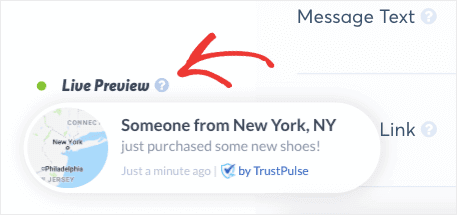
Have you ever been browsing and suddenly seen a popup screaming “Someone just bought a [insert product] in [random city]!” followed by a countdown timer?
This is classic fear-mongering, another Black Hat SEO tactic.
Marketing gurus know that the fear of missing out (FOMO) is powerful.
These popups are usually just plugins, designed to create a false sense of urgency and pressure you into buying something you might not even need.
The Clickbait Cauldron:
We’ve all seen headlines that scream things like “You Won’t Believe What Happens Next!” or “Doctors HATE This One Simple Trick!” (Including 99,99% of Medium articles these days.)
These are clickbait magnets, designed to lure you in with outrageous claims that rarely deliver.
It’s the marketing equivalent of a carnival barker, promising a five-legged unicorn but only showing you a poodle in a tutu.
So How Common is This Black Hat Stuff?
Unfortunately, these tactics are more common than we’d like to admit. Fake reviews plague online marketplaces, while fear-mongering popups lurk on countless websites.
Clickbait headlines are the cockroaches of the internet — seemingly impossible to eradicate.
But There’s Hope!
The good news is that consumers are getting savvier. We’re learning to spot these Black Hat SEO tactics and avoid falling victim to them.
Here’s what we can do:
- Read Reviews with a Critical Eye: Look for reviews with details and specific experiences. Beware of overly generic praise or reviews that sound suspiciously similar.
- Don’t Trust Popups: Most are just empty threats. If you’re interested in a product, do your research before buying.
- Think Before You Click: Don’t fall prey to sensational headlines. Ask yourself if the content seems realistic before clicking.
Reinventing the Testimonial:
Instead of these gross Black Hat SEO tactics, let’s promote genuine connections. Businesses can focus on building trust by showcasing real customer stories, user-generated content, and authentic reviews.
The internet can be a fantastic marketing tool, but let’s use it for good, not gross.
By recognizing these slimy tactics and demanding better, we can create a more transparent and trustworthy online experience for everyone.
Do you have any other marketing tactics you find particularly distasteful? Share your thoughts in the comments below!


