avatarCody Collins

Free AI web copilot to create summaries, insights and extended knowledge, download it at here

3264

Abstract

id="6960"><img src="https://cdn-images-1.readmedium.com/v2/resize:fit:800/0*W_Tngy9lil9t0gxL"><figcaption>Photo by <a href="https://unsplash.com/@nasa?utm_source=medium&amp;utm_medium=referral">NASA</a> on <a href="https://unsplash.com?utm_source=medium&amp;utm_medium=referral">Unsplash</a></figcaption></figure><h2 id="062b">Challenges to Effective Implementation</h2><p id="9f72">As important as cyber security is to power plants and the power grid, there are many challenges in effective cybersecurity adoption and practice.</p><p id="7365">The first challenge is the scale and complexity of all of it. Power grids in the United States are large, but they are also broken up regionally.</p><p id="b363">The Eastern Interconnection grid extends from the east coast and as far west as Nebraska. Within the Eastern Interconnection grid, there are regional transmission organizations such as PJM, which serves a variety of states such as New Jersey, Pennsylvania, and eleven others. There are also transmission organizations that serve only one state, such as NYISO, which serves only New York.</p><p id="8e29">Due to all these different regional organizations, they all have different rules and structures. It would be very complicated, and difficult, to get the US power grids all on one consistent level of cybersecurity. The inconsistencies between regions may pose a threat to ensuring proper security.</p><p id="623e">Another challenge is the nature of the threat. Cyberattacks are always evolving. It can be difficult for a large organization, whether it be the United States or even these regional grids, to adapt swiftly. As a result of the bureaucracy, grids are under a greater threat if they are too slow to evolve on their own.</p><p id="88df">Another example of the nature of the threat is the damage of what a threat could do. Attacking these grids or even individual plants would offset the lives of many individuals. Without power, there would be widespread issues in a community.</p><figure id="c056"><img src="https://cdn-images-1.readmedium.com/v2/resize:fit:800/0*oyu1mu5tGvQT00r3"><figcaption>Photo by <a href="https://unsplash.com/@zburival?utm_source=medium&amp;utm_medium=referral">Zbynek Burival</a> on <a href="https://unsplash.com?utm_source=medium&amp;utm_medium=referral">Unsplash</a></figcaption></figure><h2 id="214f">Resources Required For Implementation</h2><p id="672c">There are several resource requirements to implementing this solution.</p><p id="597a">The first requirement is capital. Implementing the needed infrastructure and software will be very costly. New technology is often expensive and with how fast the cyber industry changes, constant upgrades would be needed.</p><p id="513e">Some power plants may be reluctant to make the transition to better technology, especially coal plants which may only have a few years left before they are <a href="https://www.utilitydive.com/news/coal-plant-owners-seek-to-retire-power-in-pjm/620781/">regulated out of the market</a>.</p><p id="9e0f">Another resource requirement would be assistance from the government. The government could establish industry standards so that all power plants or grids meet the same standards. If every plant or grid had its own level of standards

Options

, there would be disparity.</p><p id="94cb">One last resource requirement worth mentioning is twofold. It requires cyber security to be a <a href="https://www.cnbc.com/2022/03/01/why-companies-are-moving-to-a-zero-trust-model-of-cyber-security-.html?&amp;qsearchterm=cyber">top priority for these organizations</a> and for employees to be willing to be trained. The power industry already has a variety of other priorities, adding on cybersecurity would be another one on their list. It needs to be made a top priority to be successfully integrated. It also requires that employees be willing to learn best practices and understand why these new procedures and technologies are so vital.</p><p id="ccc9">The energy industry is currently an exciting industry. There are several <a href="https://readmedium.com/4-green-investments-under-the-biden-administrations-renewal-energy-push-46288fb27269">new technologies being adopted</a> and prices are often fluctuating. With increased international tensions, now is the best time to implement new cybersecurity standards for the energy industry to ensure the responsibility of providing power won’t be interrupted.</p><h2 id="257e">More…</h2><div id="cbb0" class="link-block"> <a href="https://readmedium.com/crypto-coins-and-cyber-security-risks-dd337076d705"> <div> <div> <h2>Crypto Coins and Cyber Security Risks</h2> <div><h3>In this article, I wanted to write a general article about you and cyber security. As you know, crypto coins have…</h3></div> <div><p>medium.com</p></div> </div> <div> <div style="background-image: url(https://miro.readmedium.com/v2/resize:fit:320/0*galcTvFcnlTW8Yib.jpeg)"></div> </div> </div> </a> </div><div id="d403" class="link-block"> <a href="https://readmedium.com/the-time-for-data-classification-b02cf964fde5"> <div> <div> <h2>The Time For Data Classification!</h2> <div><h3>Data classification provides a strong foundation for data protection by defining data in an organization according to…</h3></div> <div><p>medium.com</p></div> </div> <div> <div style="background-image: url(https://miro.readmedium.com/v2/resize:fit:320/0*Acvc09cfVYb2fw7K)"></div> </div> </div> </a> </div><div id="35e7" class="link-block"> <a href="https://readmedium.com/credit-default-swaps-cds-for-non-financial-firms-results-for-turkish-stocks-ace0c357f78"> <div> <div> <h2>Credit Default Swaps (CDS) for Non-Financial Firms — Results for Turkish Stocks</h2> <div><h3>All results have been calculated with data and code at my github page. Please refer to the page for code details.</h3></div> <div><p>medium.com</p></div> </div> <div> <div style="background-image: url(https://miro.readmedium.com/v2/resize:fit:320/0*2kXkjPlhO5kRKlyP)"></div> </div> </div> </a> </div></article></body>

The Growing Threat to the Energy Industry

Proper cyber security will be vital going forward
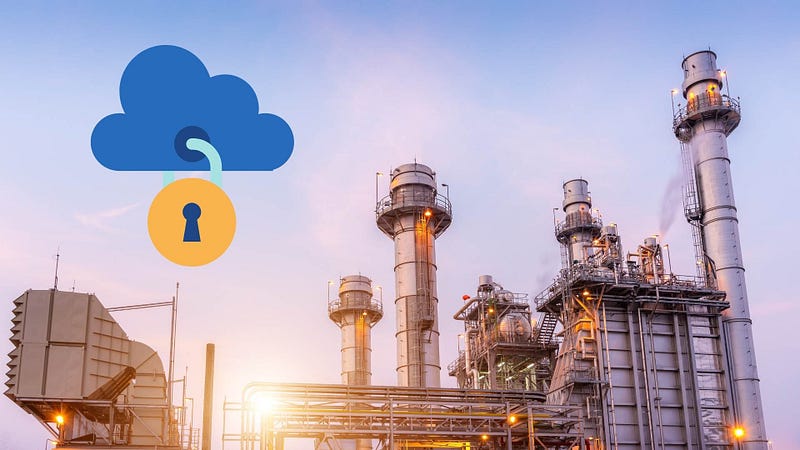
Image from Canva

As society has evolved, electricity has become more and more essential. In the United States, electricity is needed for almost all facets of life — we use it to power most of our homes, be productive at work, and increasingly use it for transportation, among many other uses.

As a result, power plants and power grids have become more important.

But the war in Ukraine has exposed to us a potentially new war — a cyberwar. This could leave the United States very vulnerable to cyberattacks, especially since the energy industry is so vital it is often regarded as a prime target for a cyber attack.

Prior Energy Industry Cyber Attacks

Even before the war in Ukraine, it was not a far stretch of the imagination to think that external parties would have the motivation for compromising our power plants or grids. These could be other governments in times of international disputes or even nonpolitical groups, domestic or international, that could plan on hacking a grid or plant to hold for ransom.

There have already been several such cybersecurity attacks. While none have had dire consequences on the US, they should serve as a warning to what could happen.

In 2015, a cyberattack on a substation in Ukraine shut off power to more than 200,000 people for several hours and in 2016, Ukraine power generators were targeted, resulting in blackouts and strains on the system. In 2017, a Saudi Arabian petrochemical company was targeted when their safety systems used to prevent an explosion were shut off.

There has already been an attempt on American energy infrastructure; in 2018 the US government alleged critical infrastructure facilities were attacked when hackers gained remote access into energy sector networks.

In addition to the examples above, there have been numerous other attempts by hackers targeting energy infrastructures. I would expect this threat to only increase in the coming years and decades ahead.

Photo by NASA on Unsplash

Challenges to Effective Implementation

As important as cyber security is to power plants and the power grid, there are many challenges in effective cybersecurity adoption and practice.

The first challenge is the scale and complexity of all of it. Power grids in the United States are large, but they are also broken up regionally.

The Eastern Interconnection grid extends from the east coast and as far west as Nebraska. Within the Eastern Interconnection grid, there are regional transmission organizations such as PJM, which serves a variety of states such as New Jersey, Pennsylvania, and eleven others. There are also transmission organizations that serve only one state, such as NYISO, which serves only New York.

Due to all these different regional organizations, they all have different rules and structures. It would be very complicated, and difficult, to get the US power grids all on one consistent level of cybersecurity. The inconsistencies between regions may pose a threat to ensuring proper security.

Another challenge is the nature of the threat. Cyberattacks are always evolving. It can be difficult for a large organization, whether it be the United States or even these regional grids, to adapt swiftly. As a result of the bureaucracy, grids are under a greater threat if they are too slow to evolve on their own.

Another example of the nature of the threat is the damage of what a threat could do. Attacking these grids or even individual plants would offset the lives of many individuals. Without power, there would be widespread issues in a community.
Photo by Zbynek Burival on Unsplash

Resources Required For Implementation

There are several resource requirements to implementing this solution.

The first requirement is capital. Implementing the needed infrastructure and software will be very costly. New technology is often expensive and with how fast the cyber industry changes, constant upgrades would be needed.

Some power plants may be reluctant to make the transition to better technology, especially coal plants which may only have a few years left before they are regulated out of the market.

Another resource requirement would be assistance from the government. The government could establish industry standards so that all power plants or grids meet the same standards. If every plant or grid had its own level of standards, there would be disparity.

One last resource requirement worth mentioning is twofold. It requires cyber security to be a top priority for these organizations and for employees to be willing to be trained. The power industry already has a variety of other priorities, adding on cybersecurity would be another one on their list. It needs to be made a top priority to be successfully integrated. It also requires that employees be willing to learn best practices and understand why these new procedures and technologies are so vital.

The energy industry is currently an exciting industry. There are several new technologies being adopted and prices are often fluctuating. With increased international tensions, now is the best time to implement new cybersecurity standards for the energy industry to ensure the responsibility of providing power won’t be interrupted.

More…

Energy
Cybersecurity
Technology
Business
Databulls
Recommended from ReadMedium