
The Four Aims of Human Life
Are your goals aligned and balanced with the big picture?
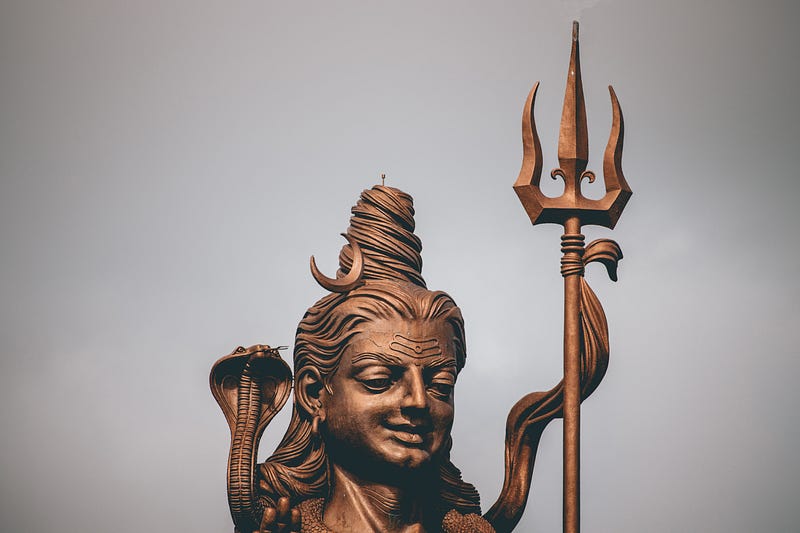
The point of life is to live a well-spent life; there is only life. Yet, in our everyday lives, we easily lose perspective of what that means. We focus on specific goals and neglect our overall wellbeing. At times we care about things that don’t matter; other times we feel depressed as not a single thing seems to have a purpose.
When we evaluate our achievements and define our next steps, we have an opportunity to ask ourselves what do we really want at our soul level. After all, if we are going to dedicate our lives to something, it better be something we want from the bottom of our hearts.
For that, the Purushatha offers great support. Purushatha is a key concept in Hinduism and refers to the four aims of human life. Contemplating these four spheres supports us to live a purposeful and enriching life.
The four Purushathas are:
- Dharma (truth)
- Artha (prosperity)
- Kama (pleasure)
- Moksha (liberation)
Dharma
Dharma means righteousness: human behaviors considered necessary to sustain order and harmony in the world. It includes duties, rights, laws, conduct, and virtues.
On an individual level, Dharma can be seen as ethics, the basis on which we live our lives. It means being conscious of our actions, words and thought; having empathy and compassion, and being aware of the Divinity within each one of us.
Dharma brings a life that is harmonious, where we can be helpful to others, and interact successfully with society.
For Dharma, we are called to find our own truth, which means making mistakes along the way. Patience, reflection, and perseverance are needed. The Vedanta text says we can discover Dharma by reflecting on and following what satisfies our hearts (not our egos), and listening to our deepest inner feelings, instead of copying what society presents to us.
“Better your own Dharma though imperfect than the Dharma of another done perfectly” Bhagavad Gita
Artha
The “means of life”, Artha is about having security in the material world. In what material state do we want to be in? Artha refers to wealth, career, activities to make a living, financial security, and prosperity.
Are you content with the things you own? What do you see as truly valuable?
We live in a physical world, and we need things to live well and to achieve our goals. The point is to have a level of material comfort that allows us to live with ease, without hoarding, saving out of fear, or being greedy. Financial resources are seen as resources that allow us to create and manifest our dreams.
“There is no joy in smallness, joy is in the infinite.” The Upanishads
Kama
A life without pleasure and enjoyment and joy is no life, but survival. Kama is that which delights us: sensuality, love, intimacy, affection, fellowship, art, music, beauty, and kindness.
The right kinds of pleasure lead us toward our Dharma and help us fulfill it with passion. However, excessive Kama can lead to overindulgence, greed, and lust. It is all about discernment.
Kama is about sensory experiences, being fully embodied on Earth. To practice Kama means being present with whatever we are experiencing. Here we are to question if our pleasures are aligned with our purpose.
“As is your desire so is your will, as is your will so is your deed, as is your deed so is your destiny and You are what your deep driving desire is.” The Upanishads
Moksha
Moksha is a release from life’s illusion, detaching from social constructs to find our true self, our true nature. It shows up once Dharma is in place and Artha and Kama support Dharma.
It includes:
- Emancipation
- Freedom from ignorance
- Self-realization and self-knowledge
- Access to our full human potential of creativity, compassion, and understanding
Moksha comes from self-knowledge and self-discipline and the resilience of being yourself fully. No need to fit in and be accepted.
“May your life be simple and pure so you know only beauty. May your mind be clear and quiet so you speak only of Truth. May your heart be filled with love and compassion so you radiate Light to all you meet. May all you do be blessed with Divine Grace.” Swami Chinmayananda
Dharma is the first of the Purusharthas. Without the clarity of our Dharma, Artha and Kama easily become escapism and even self-destructive.
Life wants to live; life feeds on life. Unfortunately, we often limit the flow of life within us out of fear, out of not knowing what to do. The result is, we limit ourselves.
For most of us who have no clarity of our Dharma, the call is: take the time, accept not knowing, and stop escaping. Make sure your Artha and your Kama support your journey and enrich your life.
We can’t connect to ourselves when we are busy complying. Question reality and don’t take things so seriously. Create space, and redirect your energy. Breathe and keep playing, wondering.
Hi, I am Aline Ra M, spiritual guide, energy worker, and tea lover.
Ready to start on your journey?