
EARLY CHILDHOOD TRAUMA
The Five Types of Emotionally Abusive Mothers
What emotional abuse looks like in parent-child relationships
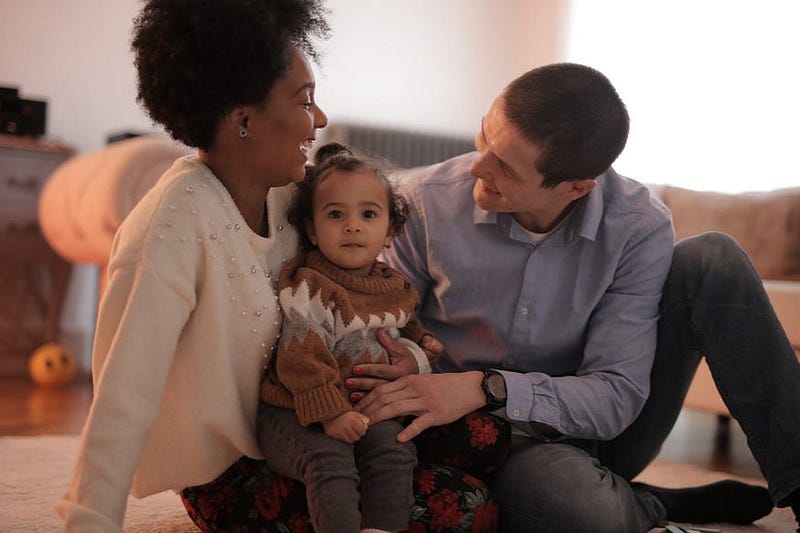
When talking about abuse, most people will immediately think of physical and sexual abuse, even though most abuse is psychological.
I have listed below the types of emotionally abusive mothers — keep in mind that they can be a combination of two or more.
1. Domineering
This type of mother is intrusive and controlling of her children because she is convinced she knows what is best for them. She may be overprotective or simply authoritarian. Whether she has a golden child, a scapegoat or both, she demands high levels of achievement from everyone as per her perfectionistic standards. She usually leaves no room for the child to develop their own personality and does not allow them to engage in their own interests. She instead pushes her children into what she thinks they should do.
Some of these mothers may appear to be highly invested in their children because they put a lot of effort into them. Regardless, they only see their children as extensions of themselves and not as separate individuals. They tend to be highly narcissistic and often use emotional blackmail to control their children. They may also be fiercely protective of these children, shielding them and becoming the gatekeepers that hold off the outside world.
2. Parentifier
This type of mother uses her child as an emotional dumpster, forcing the child to be the adult in the relationship. She tends to be disorganized, getting the child to do the tidying up, cooking, cleaning and other household duties, which she feels she cannot do due to either mental or physical ailments. She has a strong need to be looked after and places the burden on her children. She could treat the husband the same way, or he may simply be emotionally unavailable, leading her to use her children as a replacement.
She often discloses personal information to her children that is inappropriate to be discussed with someone their age. In such a dynamic, the child has to be the mother and is expected to mind-read and accurately predict what the mother’s needs may be. Essentially, there is a role reversal between the mother and the child. When these children grow up, it is likely that they will still have to cook or clean after their mothers. Such parents expect to be served but never appreciate the child’s efforts as they feel entitled to it.
3. Hypersensitive
This type of mother causes the rest of the family to walk on eggshells because they don’t know when another emotional outburst may occur. In other words, everyone else in the family will feel like they have to be extra careful not to set the mother off by accident. This is because such types tend to lose their cool in the face of pressure rather quickly and have a “meltdown”. Scared of her unpredictability, the children eventually learn to watch their behaviours to avoid upsetting the mother.
The hypersensitivity of these mothers comes from the fact that they have low self-esteem and often feel judged. They are likely to interpret ambiguous situations negatively due to their bias and perceive everything as insults, slights and criticism. Even though their relationships with others, especially family and children, tend to be crucial for their self-esteem, their hypersensitivity will often cause them to jump to conclusions and shut off conversation instead of listening and resolving conflict.
4. Rejecting and Dismissive
This type of mother is emotionally unavailable, and uncaring and sees the child as a burden. From her perspective, the child is an outsider — not a member of the family. Such children feel like their mothers would be fine if they didn’t exist as they often feel invalidated and pushed away. No matter what they do to please the mother, it will feel impossible to gain her affection and love.
These mothers withhold love to create the threat of rejection to control their children and tend to be the least empathic out of all types. As a result, their children often see themselves as inconveniencing, annoying and bothersome, finding it difficult to ask for what they need later on in life. Such parents also tend to be hostile toward their children and do not accept any blame. They can become especially rejecting and dismissive when their children want to have an emotional conversation as they are uncomfortable with intimacy and prefer to avoid it.
5. Passive
This type of mother is submissive and compliant and often pairs up with a dominant and controlling husband. Her children may learn to mimic the father’s treatment of the mother and start being domineering towards her. I would consider this parenting style emotionally abusive because it fails to teach the child about boundaries and respect. A mother who has no boundaries can lead the child to rebel early on and fail to follow socially acceptable behavioural norms. She is also likely to fail to protect the child from the dominant parent’s abusive behaviour, often turning a blind eye.
Such mothers are often co-dependent, fear confrontation and live in fear of being judged by others. Because of their quiet and subdued nature, they tend to allow the dominant parent to manage everything. They fail to offer their children guidance because they respond to any problems through denial. They prefer to brush any issues under the carpet, hoping they will go away.
If you enjoyed this post and would like to read more, you can subscribe here — https://medium.com/subscribe/@ella_harris to get an email whenever I publish a story. You can also buy me ☕ via — https://ko-fi.com/ella_harris


