
The fate of posthumous Charlie Daniels music documented in unseen interview
Did the rowdy ‘Devil Went Down to Georgia’ fiddle king object to unreleased songs emerging after his death? An archival conversation cuts to the bone
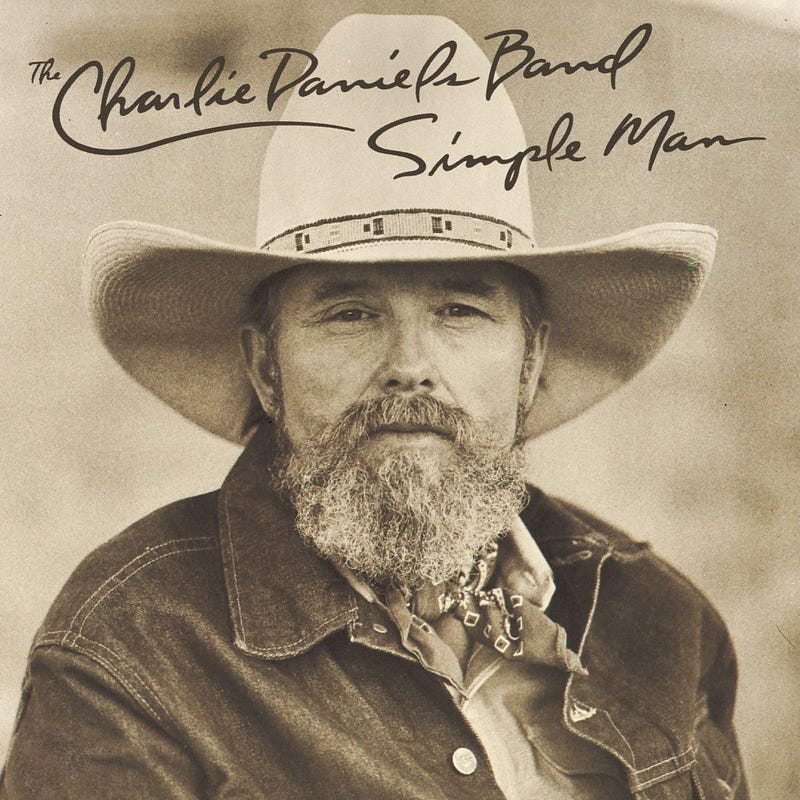
A little over a year after the Off the Grid Bob Dylan tribute album earned Charlie Daniels coverage in Rolling Stone, the bearded cowboy called this writer ahead of a gig at the Waterville Opera House in South Maine. Before suffering a fatal hemorrhagic stroke at his Mt. Juliet, Tennessee ranch on July 6, the energetic 83-year-old entertainer was still crisscrossing the United States with his Gibson Les Paul electric guitar, searing fiddle, and five-member band [48 shows in 2019].
Daniels’ earliest brush with fame materialized in 1964 when Elvis Presley selected “It Hurts Me” as the B-side of the pedestrian “Kissin’ Cousins” movie title cut. Selling half a million copies, Presley thought enough of the 27-year-old fledgling songwriter’s heartfelt ballad that he resurrected it on the ballyhooed ’68 Comeback Special. Daniels fondly told Ken Sharp in Writing for the King that “hearing Elvis sing my song was like a sugarholic waking up in a candy store…it gave my career a real shot in the arm and also gave me some validity as a writer.” Paying the bills by playing virtually any stringed instrument on Nashville sessions alongside Dylan, Leonard Cohen, and Ringo Starr, a lean decade elapsed before Daniels trailblazed the Southern rock genre and stockpiled 17 Top 40 singles such as “Long Haired Country Boy,” “The South’s Gonna Do It,” and the patriotic “In America.”
Besides presciently addressing whether his unreleased songs should see the light of day in the wake of his demise, Daniels elaborates on a nomadic childhood temporarily spent in Valdosta, Georgia, composing the gospel confessional “Somebody Was Prayin’ for Me,” the romantic Wild West era of American heritage, taking 14 years to finish a song inspired by Mexican Revolution guerilla leader Pancho Villa, B-Western cowboy heroes, friendships with all-time best-selling western novelist Louis L’Amour and six-time world saddle bronc riding champion Casey Tibb, and John Wayne.
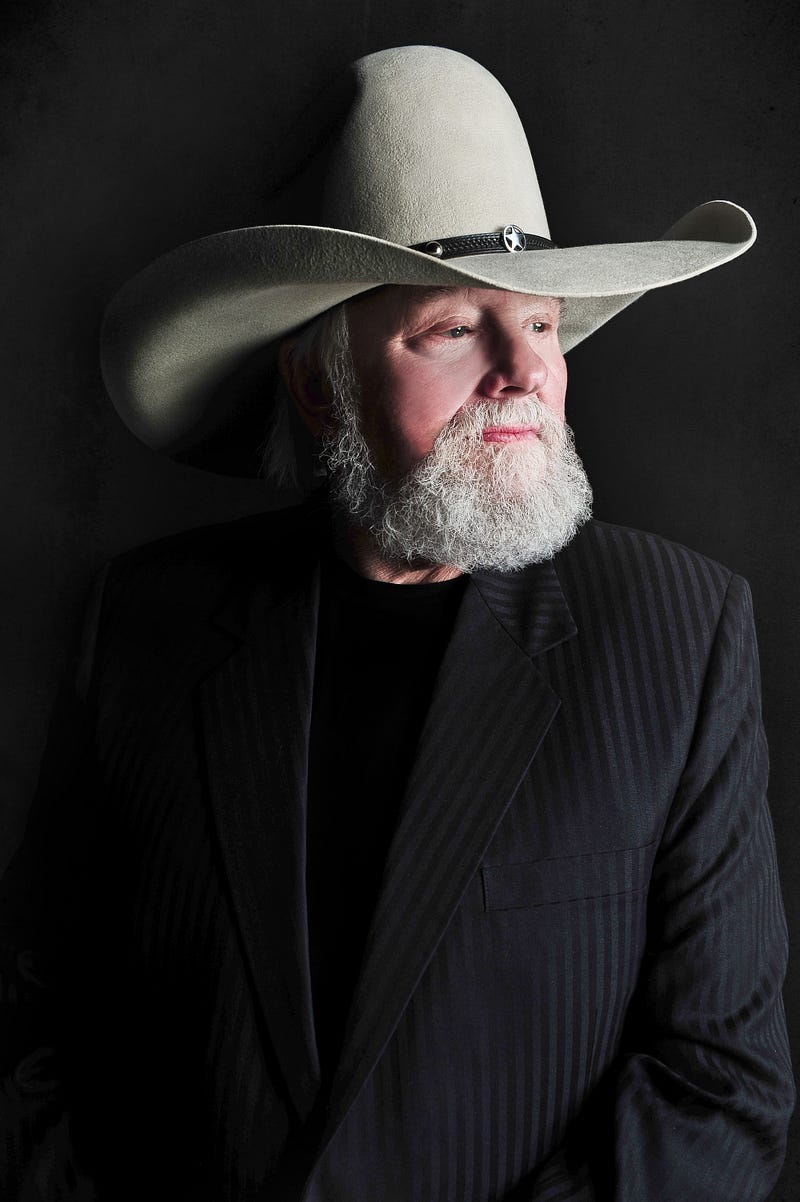
The Charlie Daniels Interview
What’s on your plate besides this 16-minute interview today?
Friday is my interview day. I’m doing one after the other. My publicist [Paula Szeigis] has a reason for scheduling that way. I asked her why but I forgot what she told me. Probably something to do with the weekend [laughs]. Where are you, by the way?
I’m in Georgia between Tifton and Valdosta.
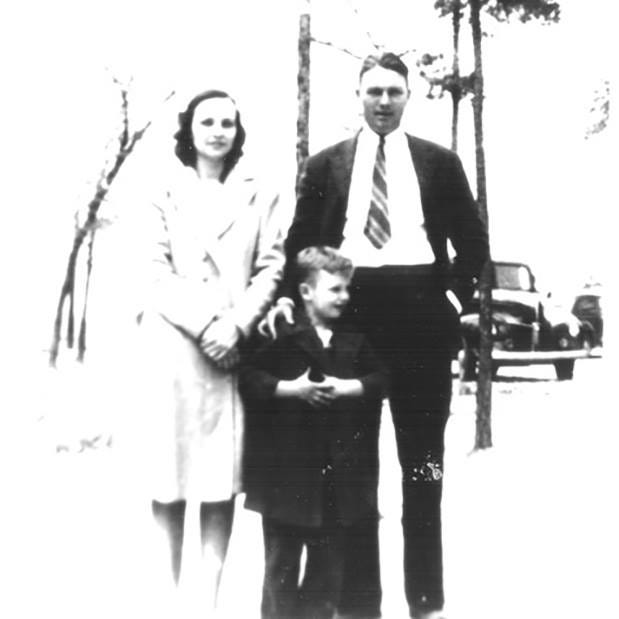
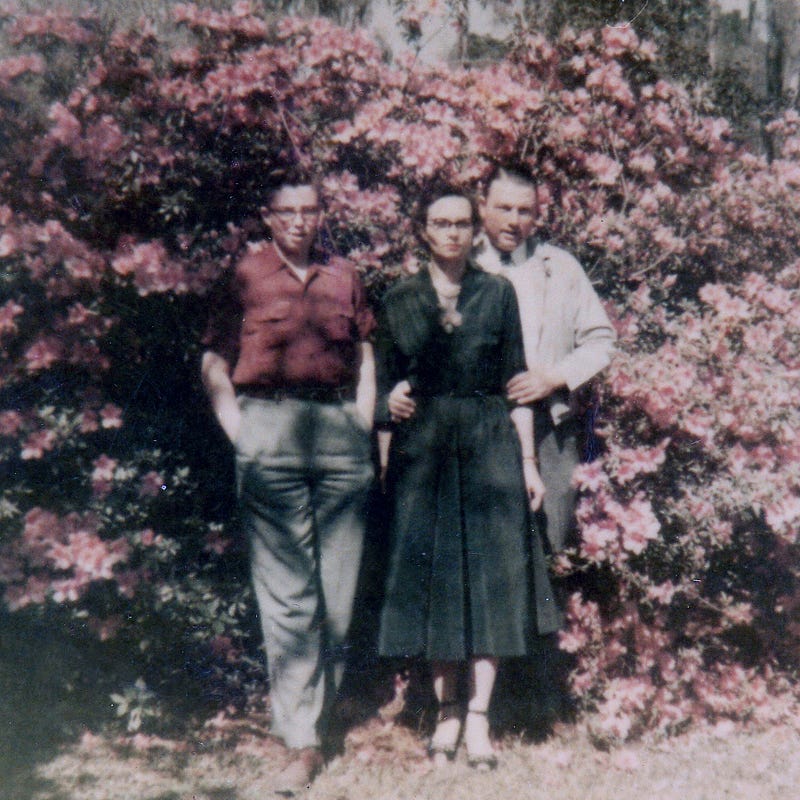
I’m very familiar with South Georgia. I used to live in Valdosta before you were born [laughs]. I was there the day the Second World War ended in 1945. We were temporarily living in the Daniel Ashley Hotel [the seven-story building became an apartment complex in 1976 and ultimately housed seniors in 1980]. My dad was in the timber business, and we moved around quite a bit [William was a forest tract inspector as well as a fiddle and guitar picker who listened to the Grand Ole Opry religiously]. Back during the war you could hardly find an apartment or house.
I was not in Valdosta for very long. I went two weeks to the first grade in Wilmington, North Carolina, and then moved to Valdosta and finished the first grade. I went to part of the second grade there and moved on. I also lived in Baxley for awhile. I was in three schools a year quite a few times.
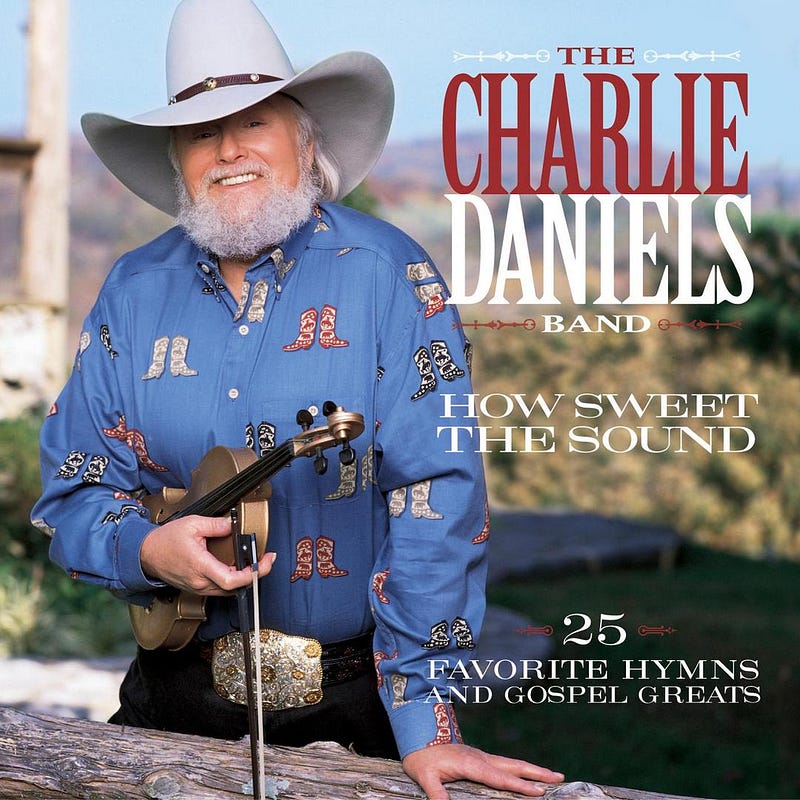
A deep cut is the joyful, autobiographical “Somebody Was Prayin’ for Me,” the third cut on 1996’s Grammy-nominated Steel Witness [Sparrow Records]. What’s the story behind your composition?
We were actually in the studio and had already started recording Steel Witness when the song started coming to me quickly. I felt like we needed a black spiritual group to do vocal backgrounds. We checked around and found the Fairfield Four. It was one of those things that happened. I can’t explain it. Sometimes I’ll have songs that take me a long time to finish. “Somebody Was Prayin’ for Me” was not one of those.
What’s an example of a song that didn’t arrive rapidly?
I have kept bits and pieces of songs in my head for as long as 14 years before inspiration struck. I started a song in 1962 sittin’ on a city bus in El Paso, Texas, called “Pancho Villa.” I could never finish it. In 1976 I was working on the High Lonesome album and wanted to write a song about Billy the Kid [a hot-headed gunslinger born Henry McCarty aka William Bonney]. This idea that I had fit perfectly into what I was doing [laughs]. I called it “Billy the Kid” and finished it up.
How many unreleased recordings are in your archives?
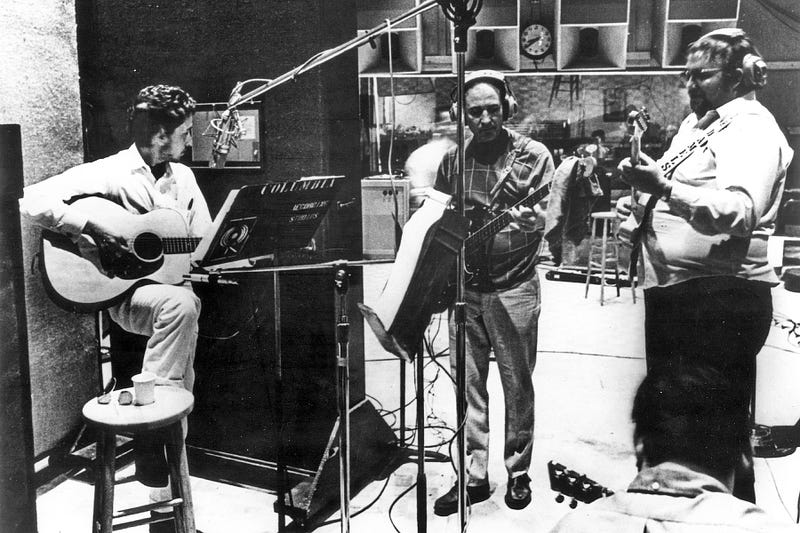
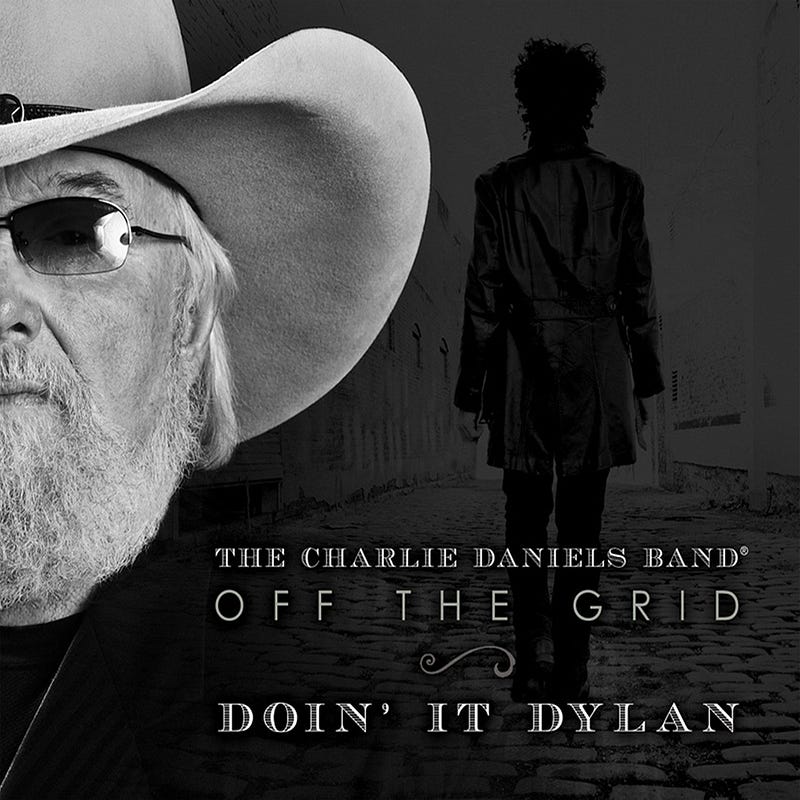
There’s a few things but not a lot of significant stuff. I’ve got ideas backed up in my head for recording projects that will last me the rest of my life. In fact, I’ll never get around to all of them. The Bob Dylan tribute album [Off the Grid — Doin’ It Dylan, 2014] was something I wanted to do for a long time but just never got around to doing [Daniels supplied bass and guitar on Dylan’s Nashville Skyline, Self Portrait, New Morning, and the vault-scraping outtakes collection Dylan].
When I was with the major labels [e.g. Capitol and Epic], we had annual recording commitments and were chasing radio hits. I didn’t have time to do the out-of-the-mainstream projects that I wanted to do, but that has changed for the most part.
Has Dylan or anyone in his camp gotten in touch to say they’ve heard Off the Grid?
No, I talked to him on the phone right after it was released. I told him that we had produced it. I saw him in concert in Nashville [April 27, 2015, Tennessee Performing Arts Center]. He didn’t mention it, and I didn’t feel like I should, either [laughs]. So I didn’t bring it up. I would very much like to know what he thinks of it. He has not decided to tell me yet, so maybe one of these days he will. I hope so.
Do you have a particular concept in mind for your next studio album?
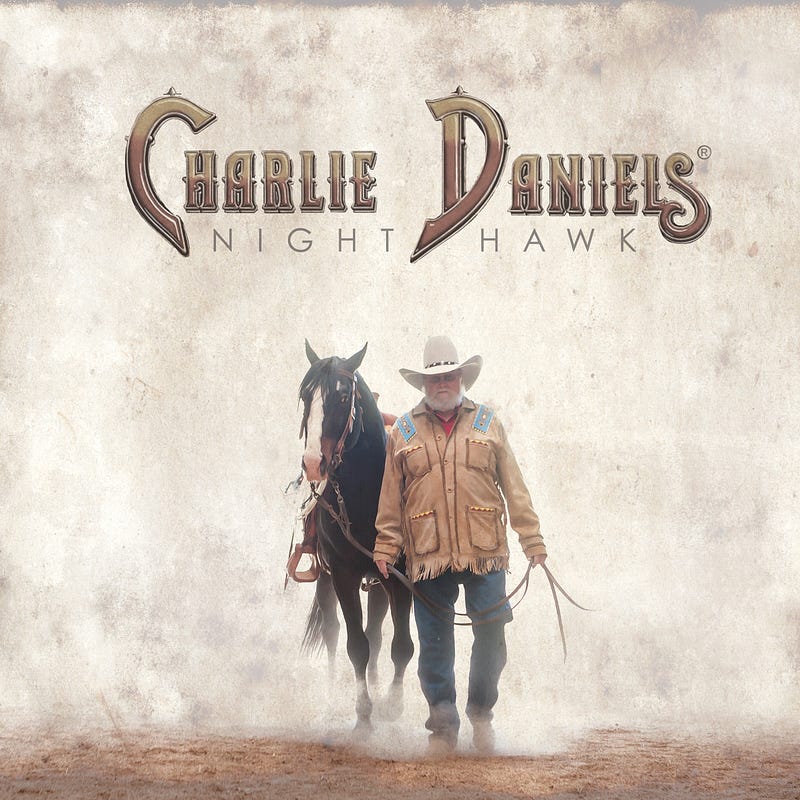
I’ve got a couple of concepts in mind. The next actual album we’re gonna do is another acoustic album [check out 2005’s bluegrass-inspired Songs from the Longleaf Pines]. Many of the tunes are pretty obscure that a lot of people have never heard before that are actual cowboy tunes rather than the drugstore cowboy stuff or what’s been heard in movies.
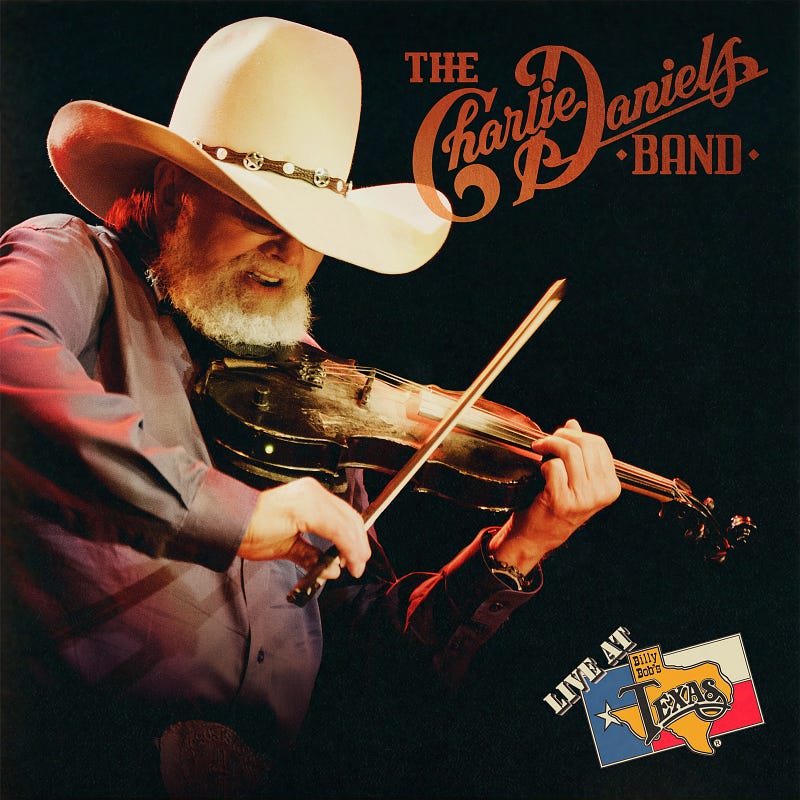
We did an album called Charlie Daniels Band Live at Billy Bob’s Texas [2015] for a record company called Smith Music Group. Isn’t that a creative title [laughs]? Their idea was for me to tackle a lean-sounding cowboy album that reminds you of folks sittin’ around a campfire [which turned into 2016’s Night Hawk; 1997’s By the Light of the Moon: Campfire Songs & Cowboy Tunes originally demonstrated Daniels’ notion, albeit with drums and plugged-in instruments].
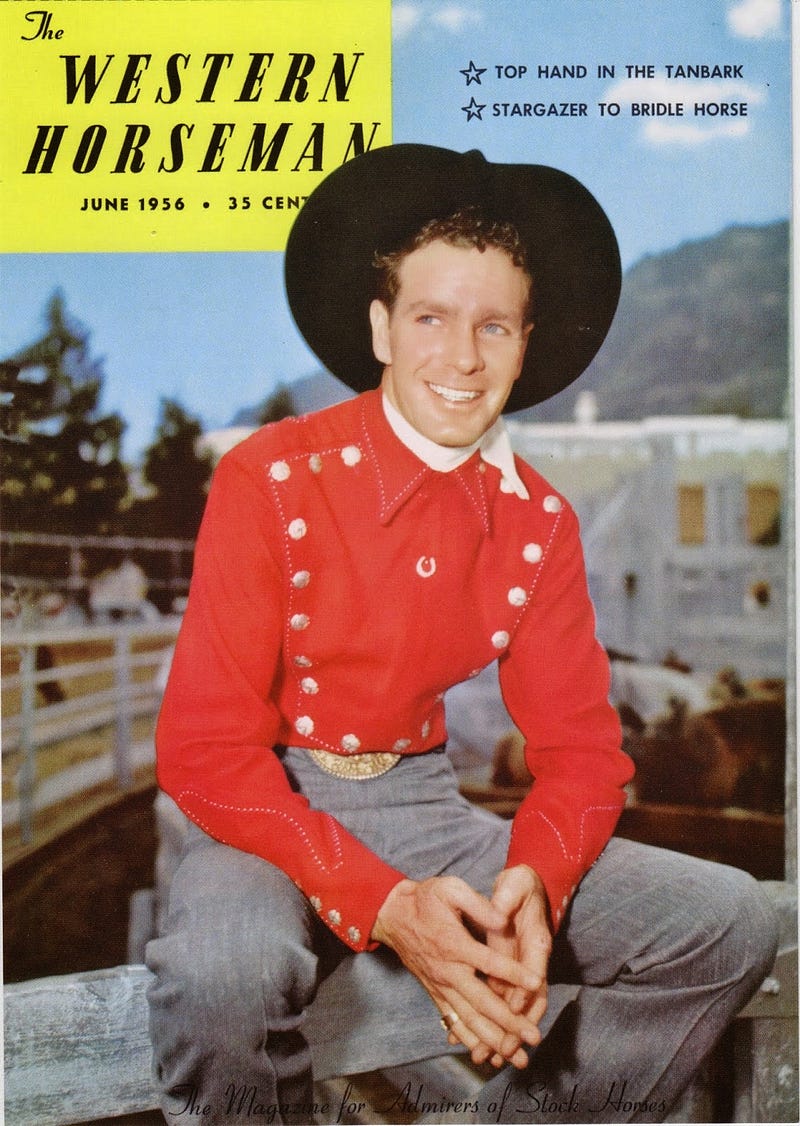
Would you do any writing for that cowboy album [Night Hawk]?
A lot of it is stuff that I have known about for years that fits the bill. I’m a big cowboy fan and western buff. Look, I’ve got a song I wrote years ago called “Wyoming on My Mind” that I will probably put in [Authentic cowboy & western trio Sons of the San Joaquin distributed their cover on 1995’s From Whence Came the Cowboy. Daniels never issued his recording but did perform it whenever he visited the Cowboy State as well as on his one and only Late Night with David Letterman appearance in 1982].
I’ve got another that I’ve been writing and had in mind for many years about Casey Tibbs, the world champion saddle bronc rider who was a friend of mine [before his 1990 death at age 60, Tibbs was also an in-demand stuntman on Henry Fonda’s The Rounders, Dean Martin’s Texas Across the River, James Stewart’s Firecreek, Steve McQueen’s Junior Bonner, and John Wayne’s The Cowboys]. If I could get it finished, I’ll probably put it in [apparently Daniels never completed it].
The lion’s share of the album will be old cowboy songs like “Big Balls in Cowtown,” a very popular dance tune [as far as original compositions, Daniels reimagined “Billy the Kid” and “Runnin’ with the Crowd” from High Lonesome as well as “Yippie Ki Yea” from By the Light of the Moon]. It’s supposed to be out in August [2015]. We recorded it last year [2014]. It’s done [Night Hawk was delayed for a year, issued on Daniels’ own label CDC Records instead of Smith Music].
What is it exactly about the western film genre that draws your attention?
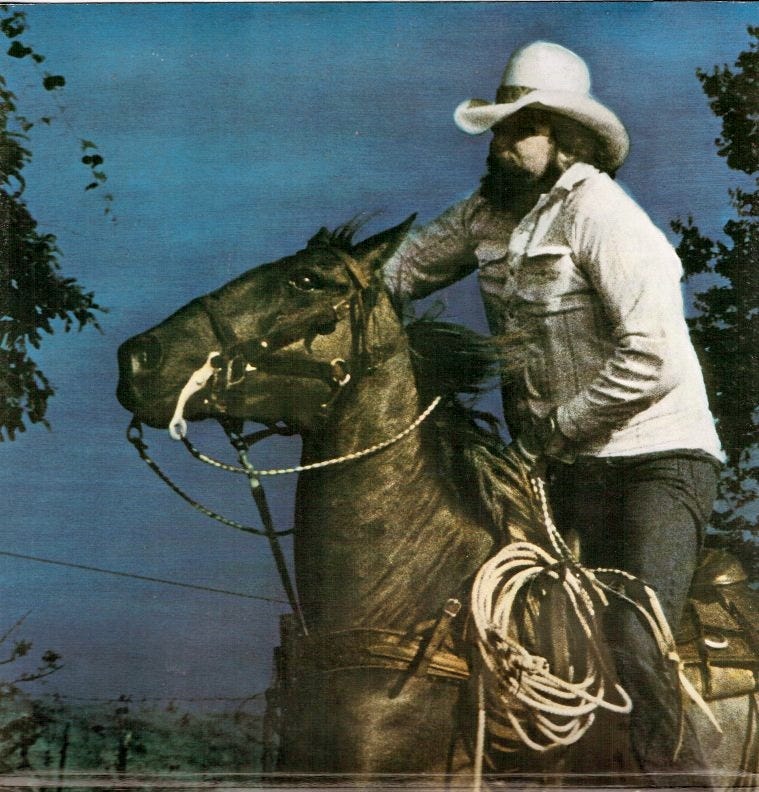
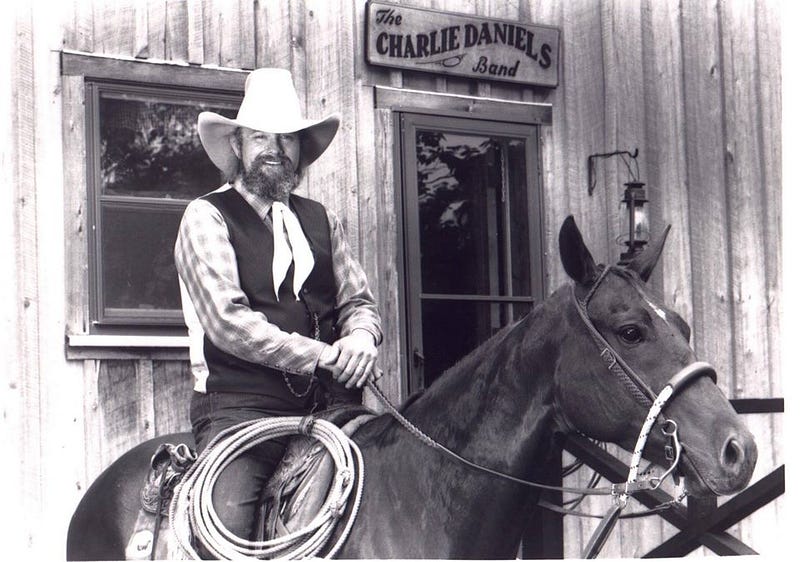
When I was growing up, that was regular Saturday fare. Every theater, at least 99% of them in the Southeast, showed black and white Roy Rogers, Gene Autry, Bob Steele, Sunset Carson, and Lash LaRue B-Western movies. I used to go to ’em. Everybody had their own particular cowboy. The two most popular ones were Gene and Roy. Some of my earliest memories are going to cowboy movies.
There is a fascination about the western lifestyle. That’s our Knights of the Round Table — the romantic part of American heritage. Cowboys used to take cattle to market and experienced tough situations along the trail. It’s been blown all out of proportion by Hollywood. There is definitely a humongous heritage in that, and I am very much involved.
Louis L’Amour was a friend of mine [John Wayne produced and starred in Hondo, one of L’Amour’s earliest short stories, in 1953. The title cut of Daniels’ High Lonesome derived its name from a L’Amour sagebrush saga]. I spent some of my favorite hours with Louis sitting and listening. He knew about any Western figure that you wanted to bring up whether it was [Tombstone marshal] Wyatt Earp or Clay Allison [the Texas gunfighter’s tombstone reads, “He never killed a man that did not need killing”]. I don’t know how many hours I spent dropping a question once in awhile and listening to Louis expound on it.
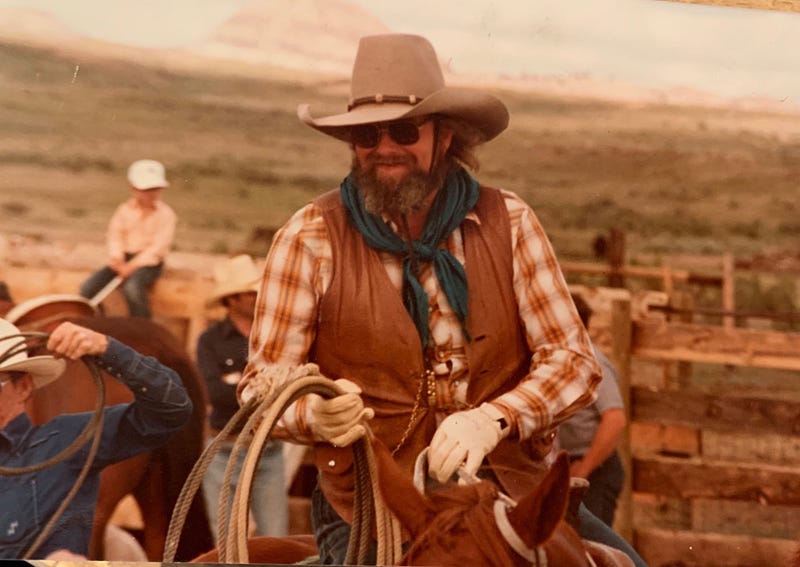
The Western lifestyle is not just the 19th century-era when they actually used to face each other and draw but the working cowboy, too. I’ve gone out to ranches and worked round-up in my younger days when I could still sit a horse pretty good. There’s a lot more working cowboys today than you’d think there would be. It’s a whole way of life. You sleep on a bedroll, saddle a horse in the morning, go out and gather cows all day, brand ’em, and move ’em around.
L’Amour succumbed to lung cancer at age 80 in 1988, but his family continues to unearth unpublished manuscripts and short stories.
Yeah, I still see his widow Kathy and two kids — Beau and Angelique. They’re friends of mine. If you pick up the book Jubal Sackett [1985, part of L’Amour’s extensive Sackett pioneer family series], it’s dedicated to my wife [Hazel Alexander, married in 1964] and myself. A lot of people don’t read dedications [laughs]. I was deeply honored when Louis did that.
After you pass away, would you mind if your unreleased music saw the light of day?
If I left songs laying around and my son [Charlie Daniels, Jr.], wife, or whoever survives me deems them worthy of being heard, I would have no objection. Anything that I definitely did not want to have released I would probably try to destroy before I’m outta here.
I understand how fans feel. Let’s say I really enjoy an artist like Hank Williams. They discover some of his old stuff, and it’s fascinating to listen. It’s not right up to snuff as to what you’re used to hearing them do, but you accept it in the spirit that it was something they never particularly intended to release [and likely did not finish]. We are blessed to be able to hear “new music” many years after their death.
No, I would not have a problem. My son would be a good enough judge of what I’d do and whether I’d want it released. At least his generation — I don’t know about the second generation [laughs].
“It’s a shame ole John Wayne didn’t live to run for president.” You name-checked the Duke on the unabashedly right-wing “[What This World Needs Is] A Few More Rednecks” [No. 56 C&W], the opening cut on 1989’s Simple Man. Did you meet him?
Never did — I wish I could have. He was definitely one of my all-time heroes. Loved John Wayne. Nice talking to you. See, there was nothing to be nervous about. God bless.
[Author’s Note: “Charlie Daniels’ generosity with his time to talk to reporters always amazed me,” Valdosta Daily Times Executive Editor Dean Poling exclusively observes. “So many young artists get a hit, and they’re done with small town interviews. Then they wonder why they fall off the face of the earth a year or two later. Charlie didn’t have to do any interviews with me, but I interviewed him four times. I met Charlie face to face before one of his concerts at Wild Adventures Theme Park in Valdosta. My wife Jetty and I stood in the reception line. I told her about Charlie’s PR folks saying he was available for between 10 and 15 minutes but Charlie staying on the phone for over an hour and insisting that we meet before the concert. At the time, he was a Gravely mowers spokesperson [Daniels endorsed Gravely throughout its 90th anniversary commemoration in 2006]. Jetty manages a lawn supply business, and she brought several Charlie Daniels Gravely marketing items on the off chance he might sign them as a promotional thing for her shop. I kept talking about my buddy Charlie as we made our way through the line. We got up there, I introduced myself, and he boomed, ‘Dean, it’s great to finally meet ya!’ He was seated behind a table, and he reached out and shook my hand. I introduced Jetty, and he asked what she had in her hands. She mentioned the Gravely stuff. He stood up, came around the table, and hugged Jetty. Then he went to signing all of the Gravely items. He and Jetty talked about the quality of Gravely, and he asked her questions about the shop, etc. He was curious if she had more things he could sign. Jetty said no. He hugged her again and told her to send anything he could help with to him through Gravely. He said, ‘Y’all take care now, Jetty, and oh yeah, you too, Dan’”].
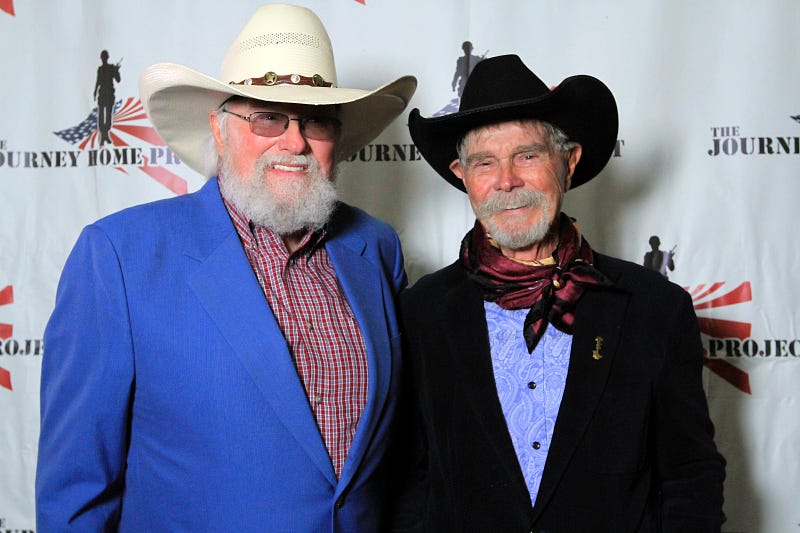
© Jeremy Roberts, 2020. All rights reserved. The Charlie Daniels interview was condensed and edited for clarity. To touch base, email [email protected] and mention which story led you my way. I appreciate it sincerely.