
The Experimental Nazi’s Tail-less Aircraft “Horten” Which Never Took Off
Unraveling the story of the underrated Horten brothers
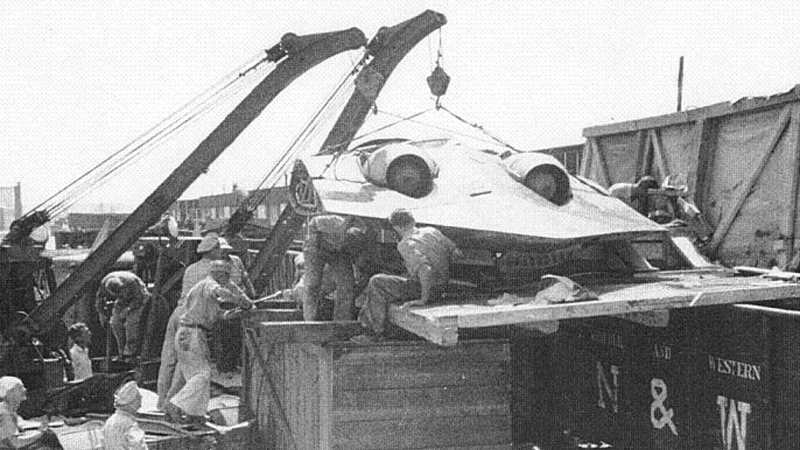
Walter and Reimar Horten were two kids who were fascinated by the idea of airplanes but unfortunately grew up in Germany around the time of World War 1. When glider clubs were popping up all across the globe and flying was a popular activity across North America and Europe but was strictly banned in Germany owing to the infamous “Treaty of Versailles”.
At the baby age of 13 and 10 years old they joined a club called Bonn Glider and embarked on their revolutionary pursuit of creating an airplane without a tail called the “flying wing”.
Give her wings, let her fly
Hugo Junkers — a German aerospace engineer patented the design in 1910. His underlying idea was that a flying wing would help the plane propel better since a plane’s fuselage and tail only contribute to lateral control, but adds a lot of weight making it more difficult to “lift”.

An added wing would therefore help travel further and more easily owing to the lifting effect, by 1932 the Horten brothers created a shaky albeit working all-wing glider primarily composed of wood and linen which sounds interesting, to say the least, but was a revolution at the time.
1,2,3 Strokes of Genius: The hat trick
When a Nazi field marshal demanded that the next bomber aircraft should be able to carry 1 tonne worth of load at a speed and distance of 1000 km, the Hortens proposed their genius and were awarded ½ a million in cash at the time to develop another long-range bomber which they called the Ho-“229.

An unpowered plane was successfully flown in the first attempt, and a powered plane was successfully flown in the second attempt, proving that a powered wing could indeed be controlled in flight.
A third version, which the Horten brothers believed to be the most powerful of its kind at the time, was successful as well. They were about to go places but unfortunately for the Horten brothers, fate had other plans.
Birds of a feather flock apart?
By 1945, allies had arrested and brought the brothers for interrogation in an effort to seize German intelligence and protect it from the Russians.
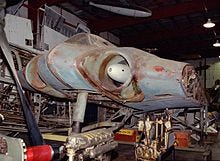
Reimar returned to Germany after the war, settled down, earned a Ph.D. in mathematics, and spent his days working on airplanes there despite his unmatched talent and industry knowledge. Despite this, he was unable to find steady work in the aerospace business.
On the other hand, Walter, his brother, enlisted in the Luftwaffe, the German Wehrmacht’s aerial combat branch, both before and during World War II.
The legacy lives on
Their brainchild however was shifted from Germany to France and eventually to the States where it landed at the Smithsonian museum and became the object of fascination for years to come, attracting aviation enthusiasts and history nerds alike.

People speculated that if the war had continued the germans could have used the designs proposed by the Hortens to achieve the first stealth bombing power. This may be speculation owing to the sleek exterior of version 3 that has an uncanny resemblance to modern-day aircraft.
Inspiring Indiana jones
Reimar apparently wanted to coat the 3rd versions beams with a layer of charcoal to diffuse radar beams which are very tech-savvy if I may say of him, and here we have an eerie example of art imitating life since its impossible in retrospect for Reimar to be influenced by pop culture combat but Horten style wings have made appearances in a variety of films for example in “Indiana Jones and the Raiders of the Lost Ark”.
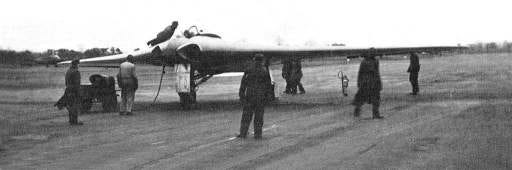
Industry experts to this day are inspired by the V3 and its prototypes with one of America's leading aircraft designers Jack Northrop showing such avid interest in the flying wing gliders of the 1930s.
He decided to create his own and now owns a company called Northorp Grumman which provides stealth aircraft to the *drumroll* U.S military, yes you read that right.
Final Considerations
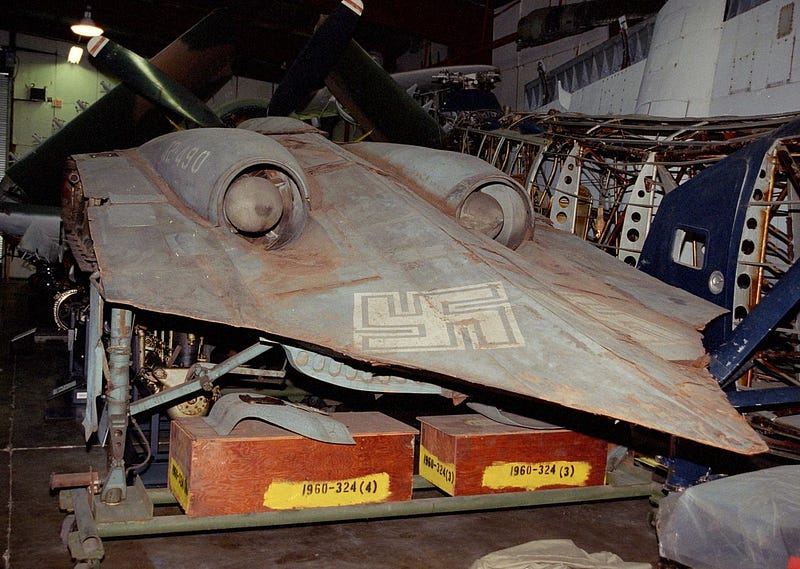
The fact that their invention — an aircraft whose engines had never even started — has inspired people to the point of ending up in films like Indiana Jones and having influenced the designs of official US military craft intrigues me.
Two literal children set out on a journey to do something that was so actively against the laws of their country at the time, and not only did they achieve their goal, but they also succeeded in doing so.
I hope you found this to be an interesting read and would love to hear your comments in the space below.
Want to follow up more from me and other amazing writers on Medium?
Hop on the chance to join:


