a19fcc184b9711e1b4764040d3dc5c07&type=text%2Fhtml&schema=youtube" allowfullscreen="" frameborder="0" height="480" width="854">
</div>
</div>
</figure></iframe></div></div></figure><p id="34ea"><a href="https://arxiv.org/pdf/2110.06674.pdf"><b>Truthfulness and accuracy</b></a><b>.</b> if you have used ChatGPT you will have noticed that many times the answers are totally wrong but presented in a way that is plausible. Similar models could be used to fuel a conspiracy theory</p><p id="e5f9"><a href="https://www.theverge.com/23444685/generative-ai-copyright-infringement-legal-fair-use-training-data"><b>Copyright</b></a><b>. </b>One of the most sensitive issues, especially because these models were trained by scraping huge amounts of images from the internet. While technically you can copyright an image you cannot copyright a style. In any case, many of the images used for training were obtained without permission.</p><p id="1897"><a href="https://www.forbes.com/sites/bernardmarr/2022/09/30/the-problem-with-biased-ais-and-how-to-make-ai-better/?sh=53efcb114770"><b>Biases</b></a><b>. </b>It is another thorny case, despite the efforts of researchers these models were trained on huge amounts of data and text that often contain biases (sexist, racist, ableist), and often the models absorb them.</p><p id="7afd"><b>Then there are other issue</b>s: students could use these models to cheat essays, models like ChatGPT can be used to generate malware, huge amounts of comments, and so on.</p><figure id="82c5"><img src="https://cdn-images-1.readmedium.com/v2/resize:fit:800/0*y3Jyd2dwP3WTFeyr"><figcaption>image by <a href="https://unsplash.com/it/@tingeyinjurylawfirm">Tingey Injury Law Firm</a> at <a href="https://unsplash.com/it/foto/yCdPU73kGSc">unsplash.com</a></figcaption></figure><p id="42f1"><b>The question that arises is given the risks and controversies what are the institutions doing?</b></p><p id="cd93">Now, both the U.S. government and the European Union are moving toward regulations.</p><p id="dd6f">The European Union is pushing to regulate the use of facial recognition (even though there are discussions about banning it altogether in public places). <b>Also, the EU would like AI companies to be accountable when models generate harm (e.g. invasion of privacy, unfair decisions, and so on).</b></p><p id="89bd">In the US, things are no different, Federal Trade Commission seems to be monitoring the situation. Punishing with hefty fines for <a href="https://www.nytimes.com/2022/12/19/business/ftc-epic-games-settlement.html">privacy violations</a>, forcing companies to <a href="https://www.ftc.gov/legal-library/browse/cases-proceedings/1923228-weight-watchersww">delete algorithms</a> if they were trained with data that could not be collected.</p><div id="9b30" class="link-block">
<a href="https://pub.towardsai.net/eu-accelerates-ai-regulation-4da705fe1ea4">
<div>
<div>
<h2>EU Accelerates AI Regulation</h2>
<div><h3>A new proposed bill could allow consumers to sue AI companies, but its only part of a larger regulation</h3></div>
<div><p>pub.towardsai.net</p></div>
</div>
<div>
<div style="background-image: url(https://miro.readmedium.com/v2/resize:fit:320/0*oKkSy8RQuMGlPUJj)"></div>
</div>
</div>
</a>
</div><p id="ca21">Now, European regulators are discussing the EU AI act, and this will have a big impact on the world. <a href="https://gdpr-info.eu/">GDPR</a> has not only had an impact on all the companies that wanted to work in Europe. it has been a source
Options
of inspiration, if not almost copied by many legislations (from California to India).</p><p id="e2ee">For The EU AI act expects the same, and many institutions and nations will be inspired by it. <b>Moreover, the fines for violations are hefty: up to 6% of their total worldwide annual turnover.</b></p><p id="aa3f">So companies will have to follow these rules if they want to enter the European market (and probably other markets that will follow similar legislation).</p><p id="61d2">So far, companies have been releasing or using their models in their products without regulations, not caring if they could cause harm. The new regulations provide that they can be sued. <b>Not only that, normally companies are opaque about how the models work, what the outputs are, or how they were trained (origin of the data, how they were selected, and so on) but the EU wants clarity instead.</b></p><p id="0e11">These generative models are defined by the EU as “general-purpose AI” systems and still, the exact details of how they will be regulated have not been decided. The details are not known, but the EU strongly wants to prevent them from being used for deep-fake, hate speech, or mass disinformation. <b>Companies will have to consider the risk of misuse, provide legal safeguards, adhere to documentation, and otherwise expect hefty fines.</b></p><p id="725b">We can also expect more transparency as companies will be forced to provide more information about both the model and its use.</p><p id="3cd5">These new regulations will shape future AI and come at a critical time for the industry. <b>What do you think? what do you think should be regulated and what should not? let me know in the comments.</b></p><h1 id="fa0a">If you have found it interesting:</h1><p id="0984">You can look for my other articles, you can also <a href="https://salvatore-raieli.medium.com/subscribe"><b>subscribe</b></a> to get notified when I publish articles, and you can also connect or reach me on<b> <a href="https://www.linkedin.com/in/salvatore-raieli/">LinkedIn</a>. </b>If you want to support me, <b>please clap and share</b>, or you can also sign up <a href="https://salvatore-raieli.medium.com/membership">here</a> at no additional cost to you.</p><p id="fbe0">Here is the link to my GitHub repository, where I am planning to collect code and many resources related to machine learning, artificial intelligence, and more.</p><div id="b25d" class="link-block">
<a href="https://github.com/SalvatoreRa/tutorial">
<div>
<div>
<h2>GitHub - SalvatoreRa/tutorial: Tutorials on machine learning, artificial intelligence, data science…</h2>
<div><h3>Tutorials on machine learning, artificial intelligence, data science with math explanation and reusable code (in python…</h3></div>
<div><p>github.com</p></div>
</div>
<div>
<div style="background-image: url(https://miro.readmedium.com/v2/resize:fit:320/0*RQSwg1tjZePKJoNE)"></div>
</div>
</div>
</a>
</div><div id="09b0" class="link-block">
<a href="https://readmedium.com/mlearning-ai-submission-suggestions-b51e2b130bfb">
<div>
<div>
<h2>Mlearning.ai Submission Suggestions</h2>
<div><h3>How to become a writer on Mlearning.ai</h3></div>
<div><p>medium.com</p></div>
</div>
<div>
<div style="background-image: url(https://miro.readmedium.com/v2/resize:fit:320/1*6xCb1sNpjadaSBuVLPTFQQ.png)"></div>
</div>
</div>
</a>
</div></article></body>
The EU wants to regulate your favorite AI tools
EU is preparing a new AI bill and generative AI is included
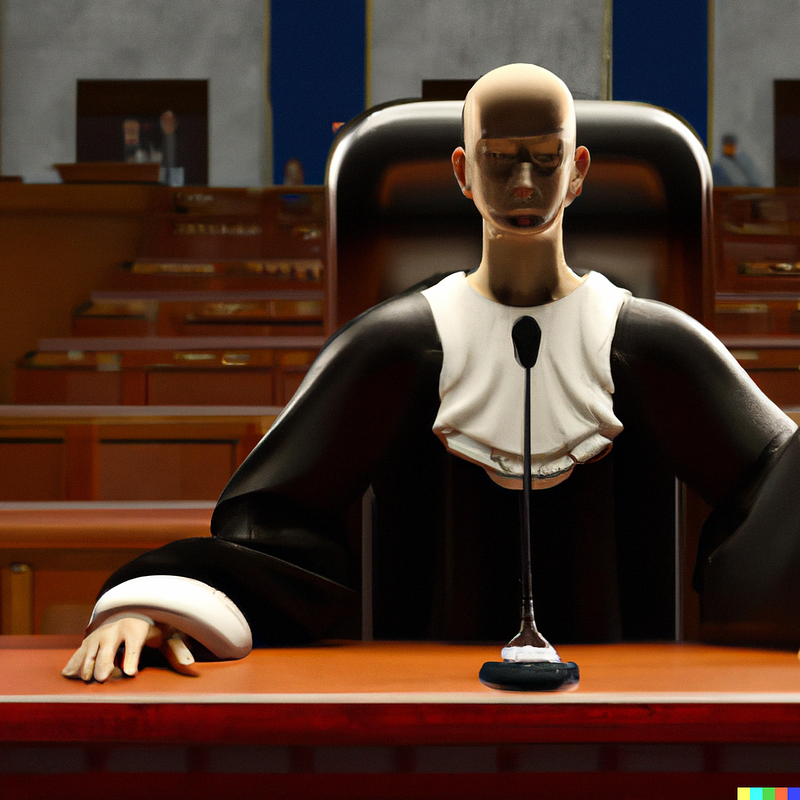
Image generated by the author using DALL-E
Generative art exploded in a few months, since DALL-E was unveiled the art world has not been the same. In just a few months, we have seen the explosion of myriad new AI tools. This is also thanks to the fact that Stable Diffusion is open source. In fact, Midjourney, Lensa, and many other apps are built right on Stable Diffusion.
A month ago OpenAI unveiled ChatGPT, the chatbot that took the world by storm. The world has been wondering about its disruptive power: whether it will have the same effect on writing and content creation, whether it will disrupt education, or whether it will break down Google’s monopoly on search.
The hype is over? Not at all, and so is the controversy. ChatGPT also will not be alone forever, Google is working on releasing its own chatbot, and surely in 2023, we will see an open-source version of ChatGPT.
In short, why are there concerns about generative art?
Truthfulness and accuracy. if you have used ChatGPT you will have noticed that many times the answers are totally wrong but presented in a way that is plausible. Similar models could be used to fuel a conspiracy theory
Copyright. One of the most sensitive issues, especially because these models were trained by scraping huge amounts of images from the internet. While technically you can copyright an image you cannot copyright a style. In any case, many of the images used for training were obtained without permission.
Biases. It is another thorny case, despite the efforts of researchers these models were trained on huge amounts of data and text that often contain biases (sexist, racist, ableist), and often the models absorb them.
Then there are other issues: students could use these models to cheat essays, models like ChatGPT can be used to generate malware, huge amounts of comments, and so on.
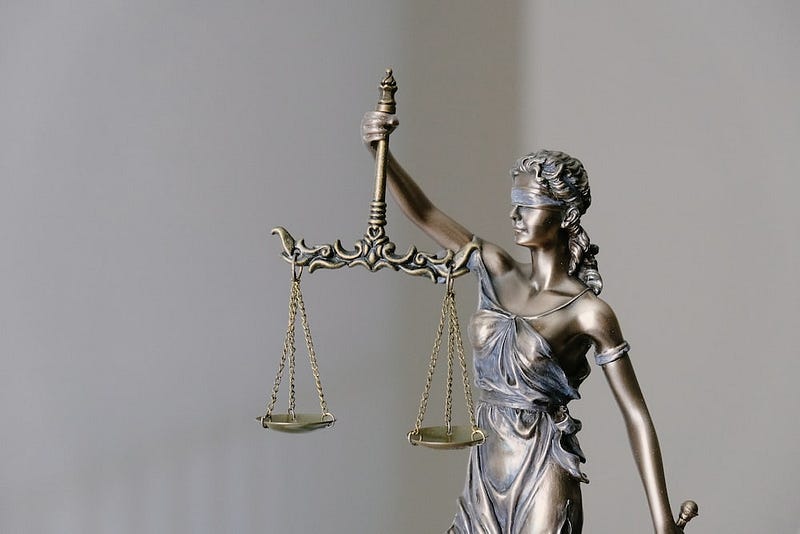
The question that arises is given the risks and controversies what are the institutions doing?
Now, both the U.S. government and the European Union are moving toward regulations.
The European Union is pushing to regulate the use of facial recognition (even though there are discussions about banning it altogether in public places). Also, the EU would like AI companies to be accountable when models generate harm (e.g. invasion of privacy, unfair decisions, and so on).
In the US, things are no different, Federal Trade Commission seems to be monitoring the situation. Punishing with hefty fines for privacy violations, forcing companies to delete algorithms if they were trained with data that could not be collected.
Now, European regulators are discussing the EU AI act, and this will have a big impact on the world. GDPR has not only had an impact on all the companies that wanted to work in Europe. it has been a source of inspiration, if not almost copied by many legislations (from California to India).
For The EU AI act expects the same, and many institutions and nations will be inspired by it. Moreover, the fines for violations are hefty: up to 6% of their total worldwide annual turnover.
So companies will have to follow these rules if they want to enter the European market (and probably other markets that will follow similar legislation).
So far, companies have been releasing or using their models in their products without regulations, not caring if they could cause harm. The new regulations provide that they can be sued. Not only that, normally companies are opaque about how the models work, what the outputs are, or how they were trained (origin of the data, how they were selected, and so on) but the EU wants clarity instead.
These generative models are defined by the EU as “general-purpose AI” systems and still, the exact details of how they will be regulated have not been decided. The details are not known, but the EU strongly wants to prevent them from being used for deep-fake, hate speech, or mass disinformation. Companies will have to consider the risk of misuse, provide legal safeguards, adhere to documentation, and otherwise expect hefty fines.
We can also expect more transparency as companies will be forced to provide more information about both the model and its use.
These new regulations will shape future AI and come at a critical time for the industry. What do you think? what do you think should be regulated and what should not? let me know in the comments.
If you have found it interesting:
You can look for my other articles, you can also subscribe to get notified when I publish articles, and you can also connect or reach me onLinkedIn. If you want to support me, please clap and share, or you can also sign up here at no additional cost to you.
Here is the link to my GitHub repository, where I am planning to collect code and many resources related to machine learning, artificial intelligence, and more.