The Dangers of AI
The Drake or Fake Debacle & Other AI Nightmares
AI-Generated Fake Drake Song Implodes
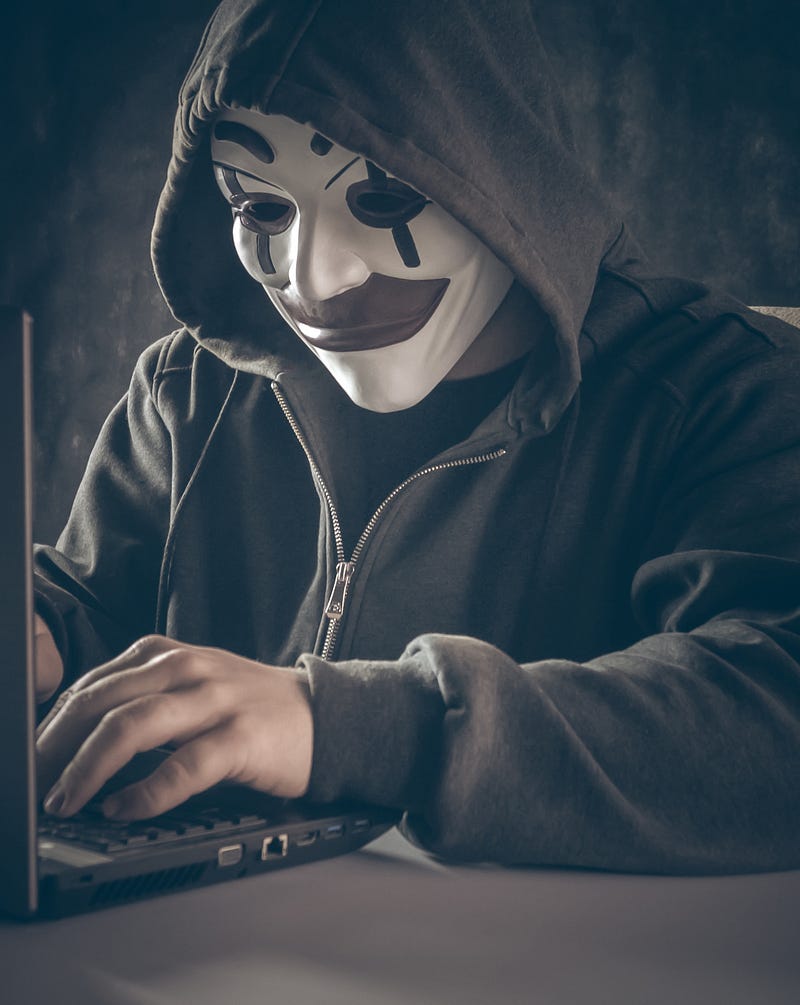
An imposter who goes by “Ghostwriter” claimed in a since-deleted TikTok they “used AI to make a Drake song featuring The Weekend.” The song, “Heart on My Sleeve,” racked up millions of listens on TikTok, Spotify, Apple Music, YouTube, and other streaming platforms overnight. Then suddenly disappeared, apparently due to takedown requests from Drake and The Weekend’s label, Universal Music Group.
From the “Drake or Fake” article referenced above
As Mia Sato and Richard Lawler write in The Verge, whether it’s “a fluky viral hit, a sloppy stunt by a crypto-adjacent startup, a revenge prank by Drake himself, or the beginning of the legal battle over AI-generated work that is flooding the internet,” all we really know is this: “Something weird is going on.”
As ChatGPT, Google’s Bard, Microsoft’s Bing and others give users the ability to mimic famous authors, lyricists, and content creators, we can expect to see more of these problems.
It will become difficult to distinguish authentic artists from frauds. A nightmare scenario may arise for people who put time, talent, and effort into original creations.
An impersonator determined to clone and take over aspects of another’s life will find it simple. If not free, it’s very cheap.
Netflix’s reality show The Circle demonstrated this. The popularity show is based on isolated people communicating with one another via chats — sometimes in groups, and other times privately. Competitors are shown a profile that may or may not be honest. Alliances are made and bonds are tested as competitors vie for the grand prize of $100k. Players must determine if they’re being catfished and vote someone out at the end of each episode.
In a particularly devilish twist, mama figure Michelle was voted out, then appeared to return for a second chance. In reality, a previously eliminated pair returned to take her place using social media and previous interactions to assume her identity. When Michelle seemingly returned it was up to her to convince competitors she was actually herself.
The show did not allow voice calls and video chats.
Deepfake applications
Using AI technology available today, a person’s voice sampling can be used to generate fake calls. A Twitter user demonstrated his simulated voice fooled a bank’s voice recognition system to securely transfer of funds from one account to another.
“Voice prints” have been considered the most secure form of identification for some time. This method of validation is now suspect.
Applications are available to create fake photos — such as the adequately realistic-looking photo of Trump prematurely being arrested for an anticipated indictment in New York in early 2023. The bogus image quickly spread from Twitter to other platforms weeks before Donald Trump was actually indicted.
AI is used for fake videos convincing enough to fool the average viewer. I used Synthesia to create a quick free demo. Users create their own script and select a realistic AI “human” who performs in videos rivaling many on YouTube. Using AI tools, users can then manipulate the rankings and placement attributes to distribute and gain optimal visibility.
Nothing makes the warning clearer than this tweeted video of a fake Biden announcement. The script warns a military draft is being implemented in response to the threat of nuclear war with a formidable adversary.
Jack Posobiec, a right-wing activist known for promoting the Pizzagate conspiracy theory, recently created a fake video of President Biden announcing a draft to send American soldiers to Ukraine.
Even though it’s an AI-generated deepfake video, Jack Posobiec’s YouTube video will have an impact. Someone catching just a few minutes of the false narrative of Biden calling up troops could easily be fooled.
Deepfake impact
If songs, photos, and videos can be generated so easily and seem so realistic, what remedy will be left for authentic artists, authors, and victims depicted in the false narratives?
Drake has the money and resources available so he was able to get the fake song pulled from Spotify and YouTube quickly. The threat of a lawsuit against those platforms inspired quick action. However, how many users downloaded the song?
The creator of the fake song, " Ghostwriter, " claimed to be a ghostwriter in the music industry who “got paid close to nothing just for major labels to profit,” so using AI to bootleg superstars was an act of revenge. Meanwhile, large music corporations like UMG claim to be on the side of artists.
Legality of AI
AI has been trained on trillions of pieces of data. Those include excerpts from music, video, and written works by notable artists. If I tell ChatGPT to write an essay on a modern subject not in existence prior to George Carlin’s death in 2008, in his style, it’s not infringing on copyrighted material.
Could George Carlin’s estate conceivably get a phalanx of lawyers to threaten me, the platforms where I published the piece, and anyone promoting it? The lawyers could certainly try.
Carlin’s estate could sue, and those involved in the creation and distribution of content created in his style would likely comply with a cease and desist order and take it down.
How many others will be able to get the attention of TikTok, Spotify, Apple Music, and YouTube as quickly to have fake content removed?
Thanks for reading!
Join Medium for a low $5 monthly fee, a small portion of which helps meet our expenses at no extra cost to you. @pmemphis5421/membership
That bit when I get OpenAI’s ChatGPT to resurrect Shakespeare and Dickinson, as well as birth a new Dylan song.
What AI usually lacks is ego. (Unless you prompt it right.)
Speaking of prompts, let’s add some AI levity